

Imagine a place where nostalgia crashes into innovation like ocean waves meeting steel. The fateful ocean liner was manufactured in Belfast and the people of Northern Ireland were hit tough by the misfortune of its sinking. At the implausible Titanic Belfast Museum, the ship’s story is told from its earliest days of construction to the present, including the discovery and exploration of its wreck. Belfast’s Titanic Quarter isn’t just Northern Ireland’s shiny tourism badge, it’s a gritty, gutsy tale of transformation. Rising from the very site where legends like RMS Titanic first took shape, this waterfront rebirth is equal parts homage to history and a nod to the city’s spirited reinvention. Once the beating heart of shipbuilding, it’s now a magnet for curious travellers who want more than postcard perfect photos, they want stories that linger like sea mist.
Where History Sets Sail
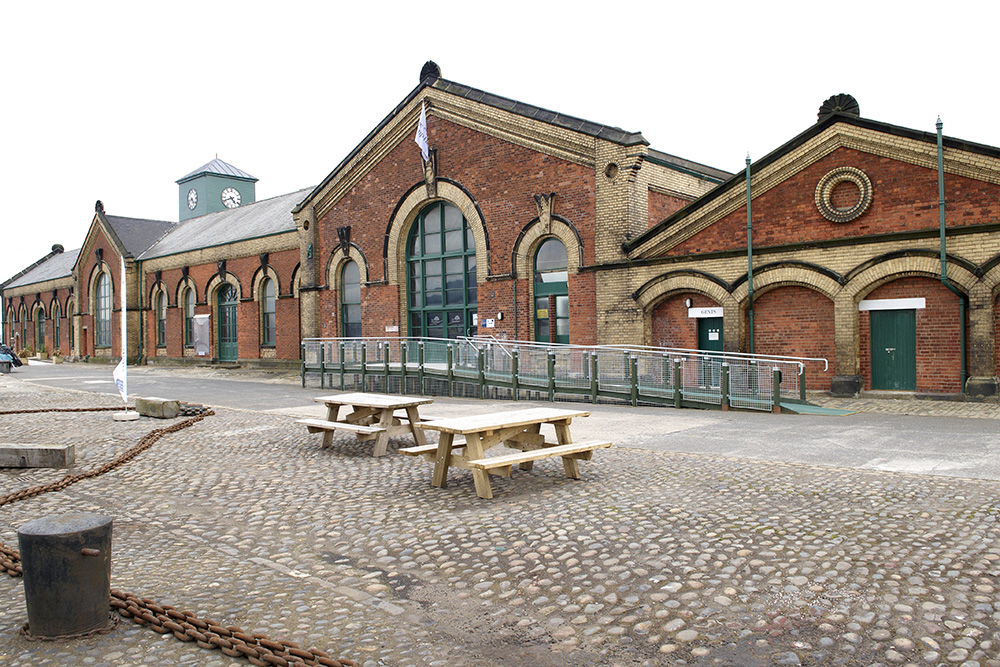
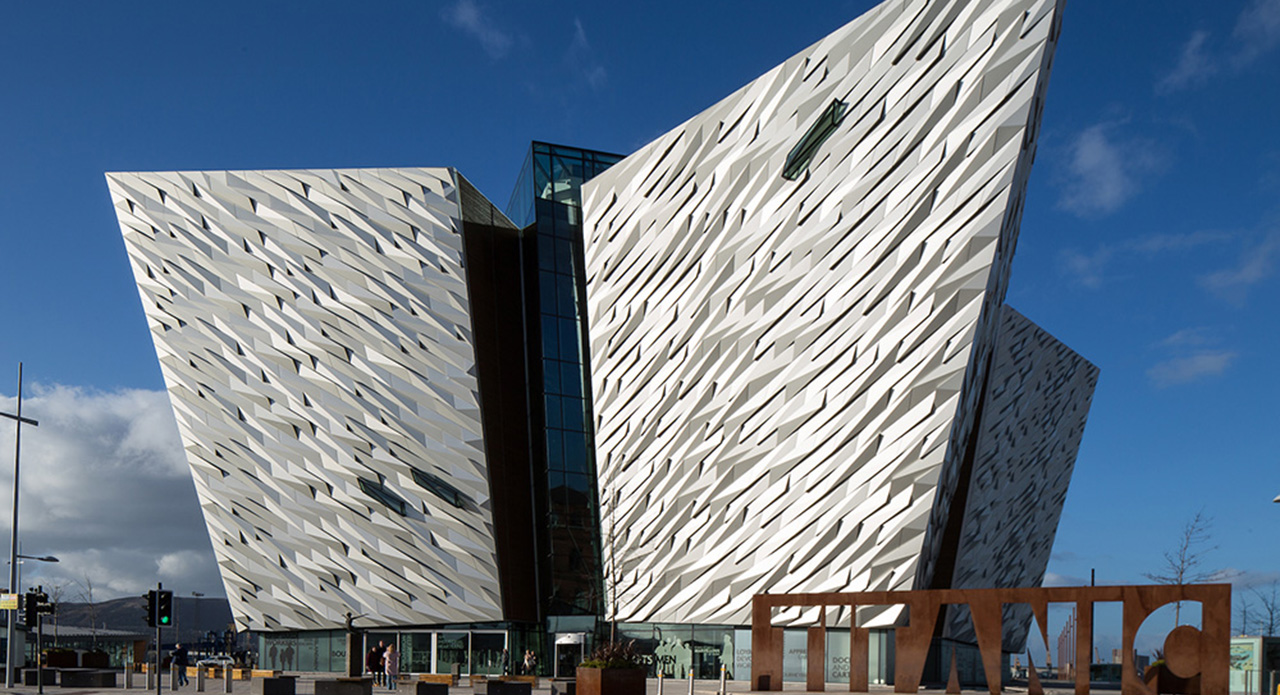
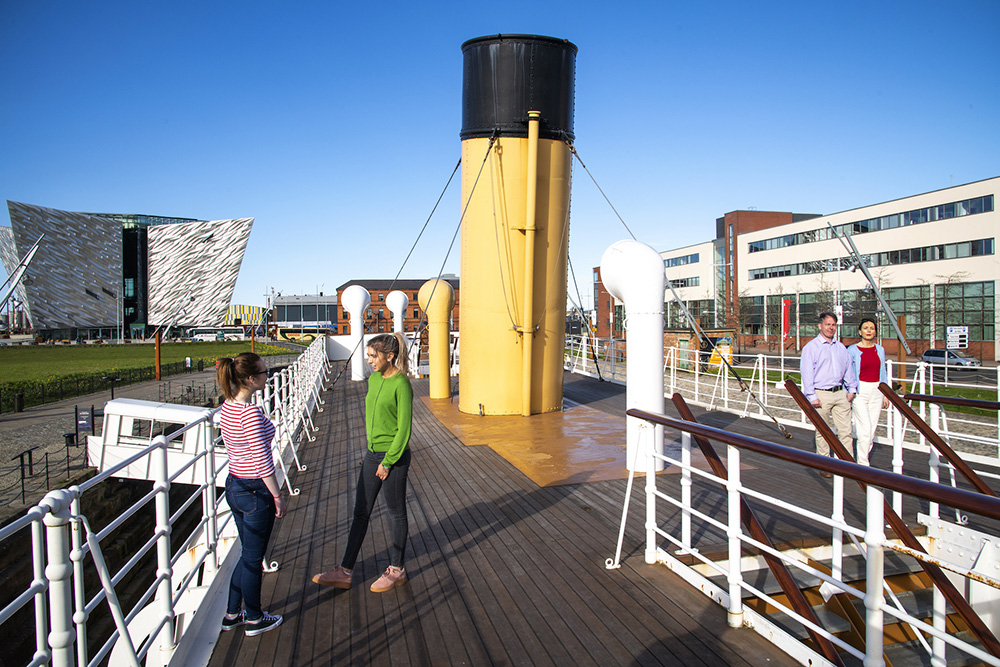
Standing tall like a shimmering origami ship, the Titanic Belfast building does more than turn heads, it snatches them. Its striking façade mimics the bow of Titanic herself, a design as daring as the liner’s ill-fated voyage. The $135-million-museum stretches across nine galleries, vivid projections transport you from bustling Edwardian Belfast to deep-sea footage of Titanic’s submerged secrets, an eerie alchemy of life and loss. But the Titanic Quarter is more than its iconic centrepiece. Just steps away lies the enchanting SS Nomadic, Titanic’s little sibling in the maritime world. Built in 1911, this tender ferried passengers to the ship at Cherbourg, and now gleams with restoration pride in Hamilton Dry Dock, another gem of history lovingly preserved. As you tread along the aged wood planks, it feels less like a museum piece and more like a portal to another era. And then there’s the surrounding storybook landscape: Hamilton Dock itself, the pump house, the caisson gate, all whispered reminders of Belfast’s shipbuilding prowess, once envied by the globe. Walking the Titanic Quarter is like browsing Ireland’s diary: the industrial age penned in the margins, with ambition and heartbreak filling the pages.
Also Read: Dream Of The Desert: Saudi Arabia’s Rolling Masterpiece Of Luxury And Vision
Legacy Anchored In Time
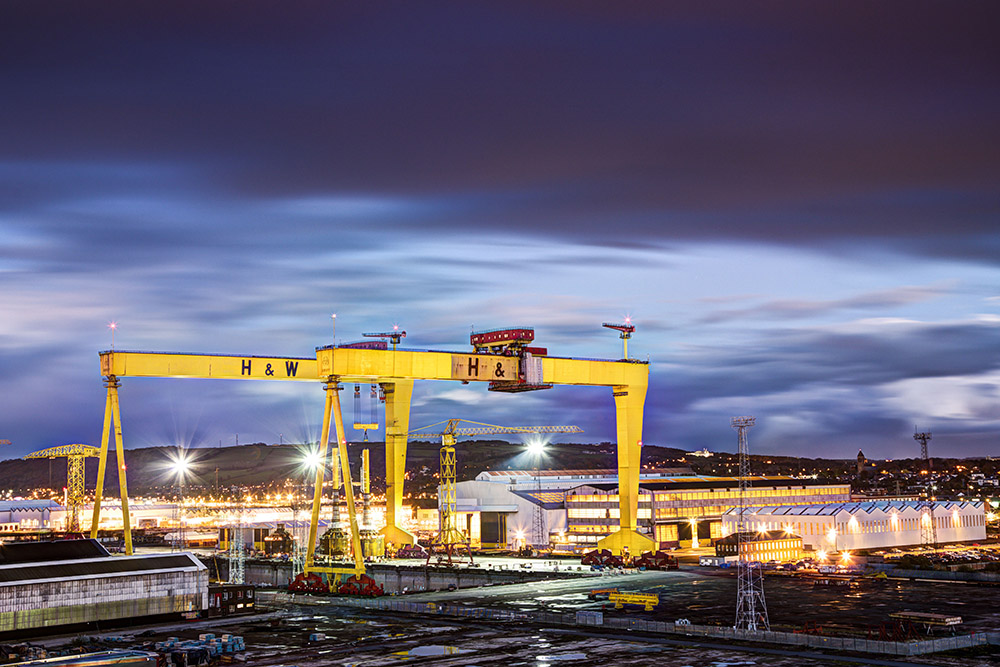
Walking through the slipways where the Titanic was born feels a bit like flipping through Belfast’s album of greatest hits. These historic yards, once the economic powerhouse of a bustling city, now revel in reimagined roles, as top tier open-air venues (graced by UNESCO as a City of Music) and cinematic backdrops, as seen in Kenneth Branagh’s award-winning film ‘Belfast’. The shipyards, once teeming with workers who came in pursuit of industrial dreams, are now symbols of resilience, carrying Belfast’s heartbeat into the 21st century, a legacy illuminated by its people and their stories. Harland and Wolff dominated global shipbuilding in the early 1900s, engineering the famed vessel, the R.M.S. Titanic, a marvel of ambition, it represented Belfast’s haunting vulnerability and it’s ingenuity. The story of its ill-fated maiden voyage in 1912, eternalized by James Cameron’s blockbuster, is sewn into Belfast’s identity, a tapestry of pride and heartbreak. For a more immersive experience, Titanic Hotel Belfast beckons visitors into Harland & Wolff’s former headquarters, now transformed into a seamless blend of hospitality and heritage .The Victorian era Drawing Offices, with their towering barrel vaulted ceilings, offer a rare architectural feast paired with maritime nostalgia. For tradition with a side of history, go for the fish and chips, served with mushy peas. A stay here is not just a night, it’s a journey into Belfast’s industrious soul.
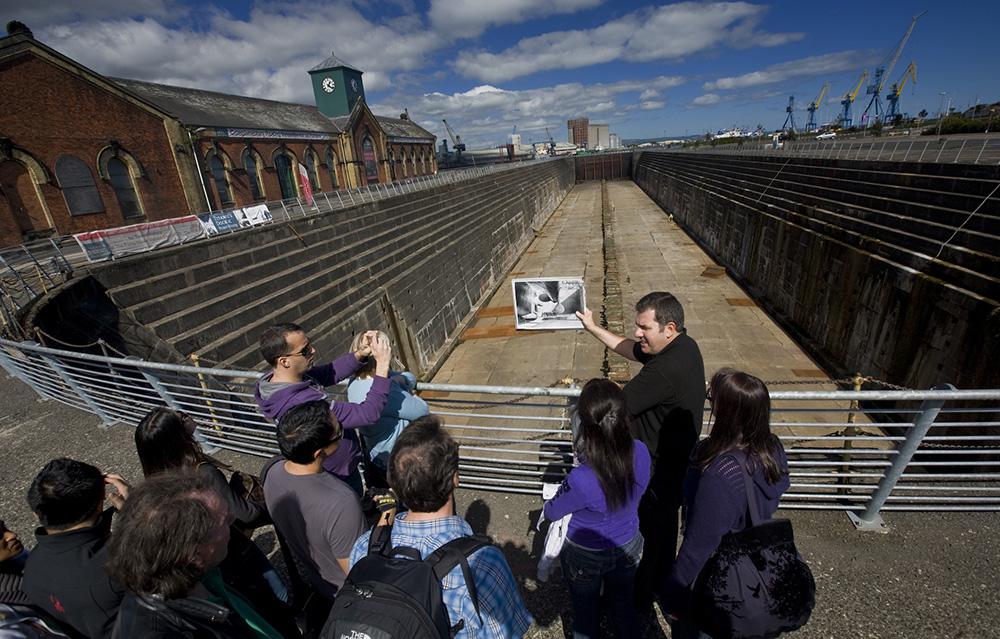
Belfast has taken something tragic and reimagined it into victory. It’s an experience that tugs at the heartstrings and tickles the intellect. Whether you’re drawn by its sheer audacity or history, one thing stays, Belfast’s Titanic Quarter isn’t a story you simply visit, it’s one you carry home.
Fast Facts
Where? Titanic Belfast, 1 Olympic Way, Queen’s Road, Titanic Quarter, Belfast BT3 9EP
Best Way to Reach? It’s a 30 minutes walk from the city centre, but you can even take a bus or taxi. Translink operate Metro Services 26, 26A, 26B, 26C from Belfast City Centre, departing outside the Belfast Welcome Centre to Titanic Belfast.