UK and India have just torn down a wall that automotive companies have been staring at for decades. Their new Free Trade Agreement cuts India’s car import duties from a prohibitive 100% to just 10% in the next 10-15 years – a change that’s about to redraw the competitive landscape for both countries.
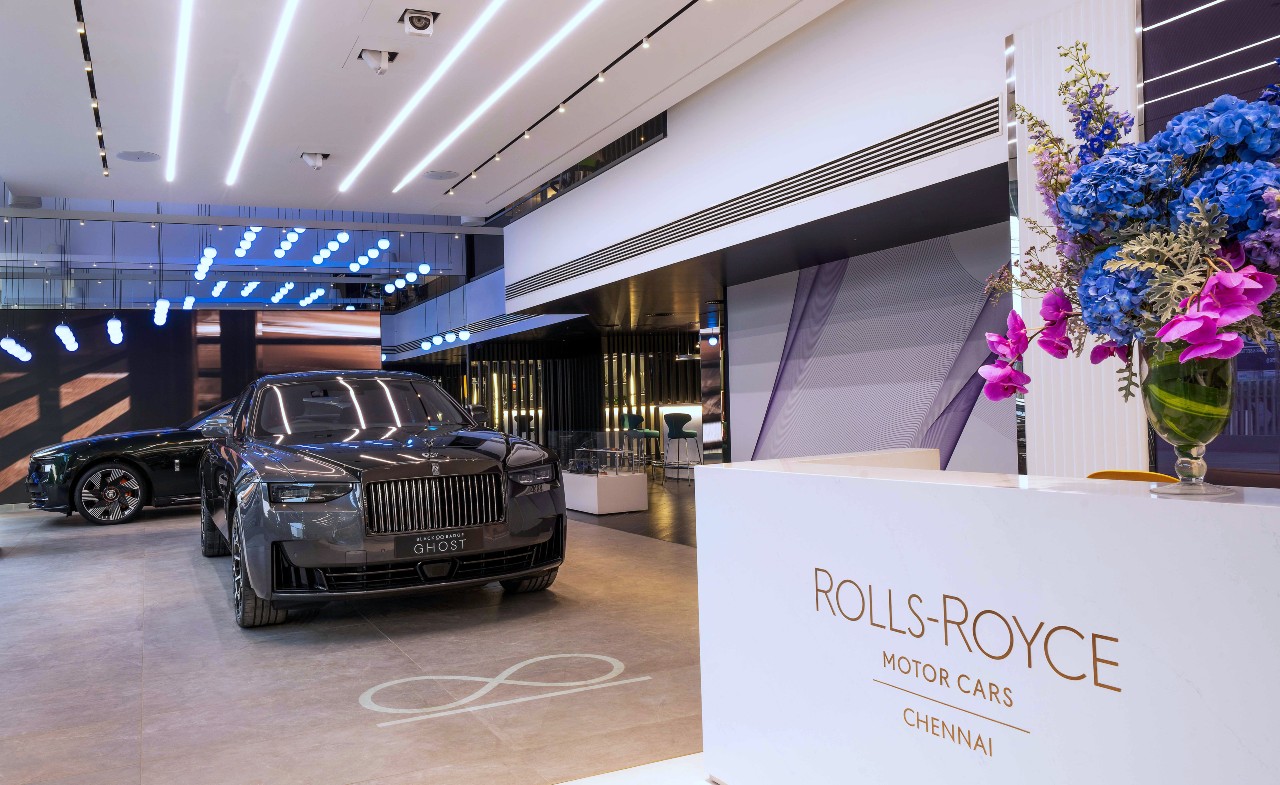
Let’s be clear what this means: luxury cars from the UK are going to get a lot more accessible in India in the future. Aston Martin, Bentley, and Rolls-Royce executives must be popping champagne right now. India’s luxury car market has been booming despite those punishing tariffs, so imagine what happens when the price tags shrink substantially. For Rolls-Royce, which only manufactures in Goodwood, this removes a massive hurdle to selling more vehicles in what has become one of their top ten global markets.
Two-way arrangement
Then there’s Jaguar Land Rover – perhaps the most fascinating player in this whole arrangement. A British brand owned by India’s Tata Motors that already assembles several models in Pune. The tariff cut gives them remarkable flexibility: they can keep building locally what makes sense while importing their higher-end models from UK factories without the brutal tax penalty. It’s almost like they’re playing both sides of the board.
But this isn’t just about British brands selling more cars in India. The real story might be what happens when Indian manufacturers get easier access to UK showrooms.
Tata and Mahindra have been pouring resources into their electric vehicle lineups. Now they’ve got a clearer path to a mature market where EV adoption is already well underway. The beauty of the electric vehicle market? Nobody has a 75-year heritage to lean on. The playing field is remarkably level for newcomers with solid technology. Notably, the FTA agreement excludes a similar arrangement for EVs and low-cost vehicles, to protect the Indian market.
TVS Motor Company stands to gain significantly as well. They recently acquired Norton Motorcycles – a quintessentially British brand – and now face fewer obstacles to scaling production and sales across both countries. It’s an elegant example of how complex modern trade relationships have become: an Indian company revitalising a British motorcycle brand that can now be sold more easily in… India.

Component manufacturers shouldn’t be overlooked. Companies like Bharat Forge, Ashok Leyland, and MRF already export parts worth nearly ₹1,600 crore annually to the UK. With this deal, expect those numbers to climb as supply chains between the two nations become more integrated.
Geopolitical impact
What’s particularly interesting is what has not been articulated on both ends. Both governments acknowledge there will be quotas limiting imports and exports, but no details have been shared. This calculated ambiguity gives them room to manoeuvre as the relationship evolves.
The timing couldn’t be more significant. India is aggressively expanding its manufacturing capabilities and climbing the automotive value chain. Meanwhile, post-Brexit Britain continues reassembling its global trade relationships piece by piece. For both countries, the automotive industry represents not just economic value but also technological advancement and substantial employment.