

There’s a particular moment every petrolhead knows: you bury your right foot into the carpet, the engine howls like it’s auditioning for a heavy-metal album, and for a glorious second you feel like the ruler of all mechanical things—until the tyres spin, squeal, and the car politely suggests it would prefer not to die today. That, ladies and gentlemen, is where traction control barges into the conversation like a high-vis-vest-wearing safety marshal shouting, “Alright, fun’s over.” It’s the automotive equivalent of having a sensible friend at a party—annoying, slightly patronising, but undeniably the reason you wake up with both eyebrows still attached. Love it or loathe it, traction control is the tiny superhero living in your car’s brain, constantly saving you from your own enthusiasm.
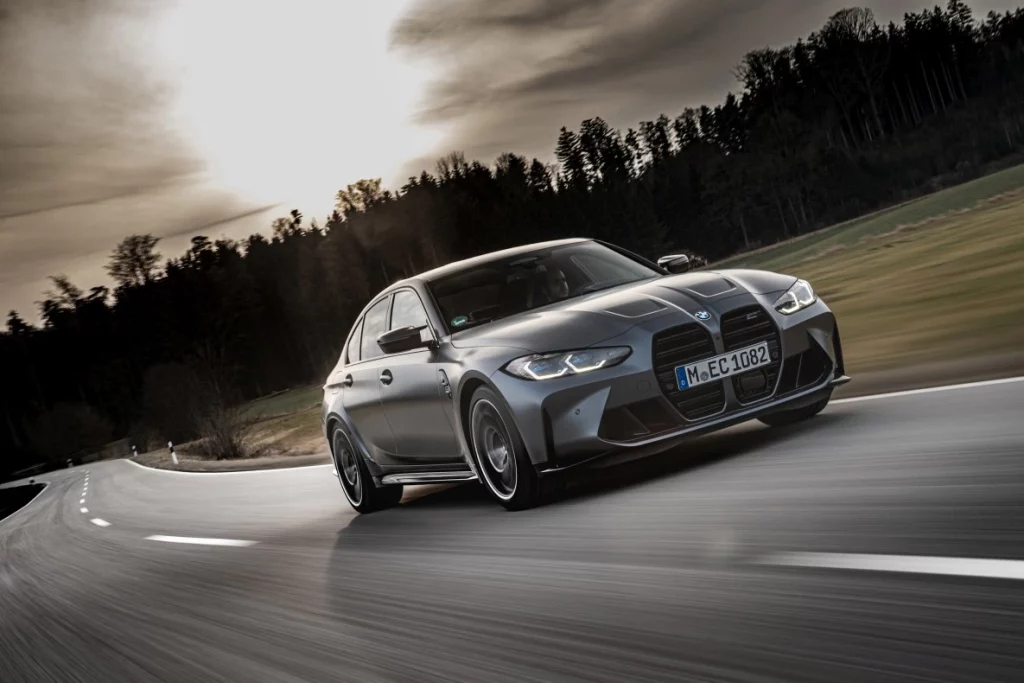
How Does Traction Control Work On Sports Cars
Traction control is one of those systems you rarely think about until it activates, usually accompanied by a blinking icon shaped like a car doing a drunken slide. At its core, traction control is designed to stop the wheels from spinning too fast for the road surface. It measures how fast each wheel rotates, compares them, and if it detects that one is spinning faster than it should—indicating a loss of grip—it steps in to calm things down. In high-performance sports cars, this happens incredibly quickly, multiple times per second, because at 200 kmph the difference between “perfectly controlled excitement” and “visiting a hedge” is measured in milliseconds.
The magic lies in a mix of sensors that constantly monitor wheel speed, throttle position, engine load, and steering angle. When the system senses slip, it reduces engine power or applies braking to the offending wheel. Some systems do both. The goal is simple: maintain traction so the tyres can do what they’re meant to—push the car forward, not sideways. Sports cars add more sophistication with predictive algorithms and torque-vectoring wizardry, giving drivers sharper acceleration without sacrificing stability.
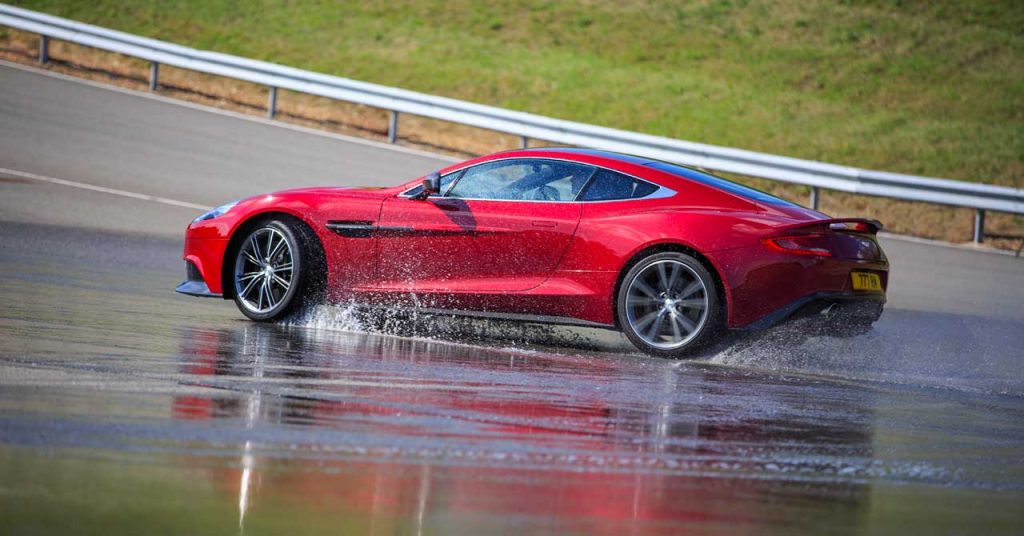
What Is Traction Control
Think of traction control as a highly caffeinated librarian who keeps everything in order. It is an electronic safety system fitted to modern cars that manages wheelspin to ensure the tyres maintain grip with the road. Without grip, acceleration becomes chaos; with too much grip, performance is suffocated. Traction control finds the sweet spot.
At a technical level, it piggybacks on the car’s ABS sensors. These sensors feed data to a control module that decides whether the wheels are behaving. If the rear wheels suddenly spin faster than the front—common in powerful rear-wheel-drive sports cars—the system interprets it as loss of traction. It then tells the engine to ease off by cutting fuel injection, retarding ignition timing, or modulating throttle. The whole thing happens so fast you may not even notice, apart from that familiar flickering dashboard icon.
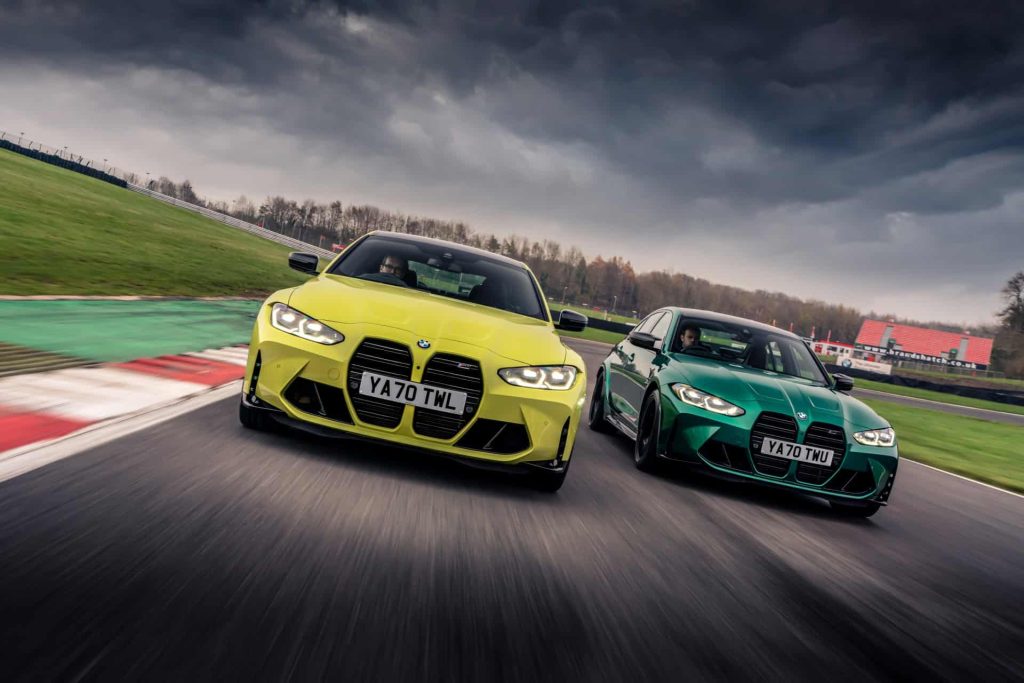
What Happens When Traction Control Is Turned On
With traction control activated, your sports car becomes noticeably more civilised. You can accelerate hard out of corners, launch on wet roads, and push the pedal without instantly pirouetting into a ditch. The car’s computers constantly moderate power to prevent oversteer, wheelspin, and unwanted drama. It doesn’t make you a better driver, but it does make the car far more forgiving.
In daily driving, this means smoother starts in the rain, less fishtailing on poorly paved roads, and easier control when unexpected gravel appears mid-corner. For powerful sports cars that produce more horsepower than most mortals can handle, traction control is essentially a quietly brilliant babysitter.
What Happens When Traction Control Is Turned Off
Switch traction control off, and the car suddenly remembers it’s a barely tamed beast. Wheelspin becomes inevitable with heavy throttle. The rear end may step out. Acceleration becomes more dramatic and less predictable. This is great fun for skilled drivers on a racetrack, where controlled slides and power-oversteer are part of the entertainment. But on normal roads, especially wet or dusty ones, switching off traction control is essentially sending a handwritten invitation to chaos.
Without the electronic safety net, the car won’t cut power or brake individual wheels. Everything—every slip, every twitch, every burst of torque—goes straight through to the tyres. It feels more raw, more authentic, and far more dangerous. A few cars even sharpen throttle response when traction control is off, making them even more feisty.
In short, traction control on equals stability and safety; traction control off equals pure mechanical honesty, which is exhilarating but demands skill and respect.