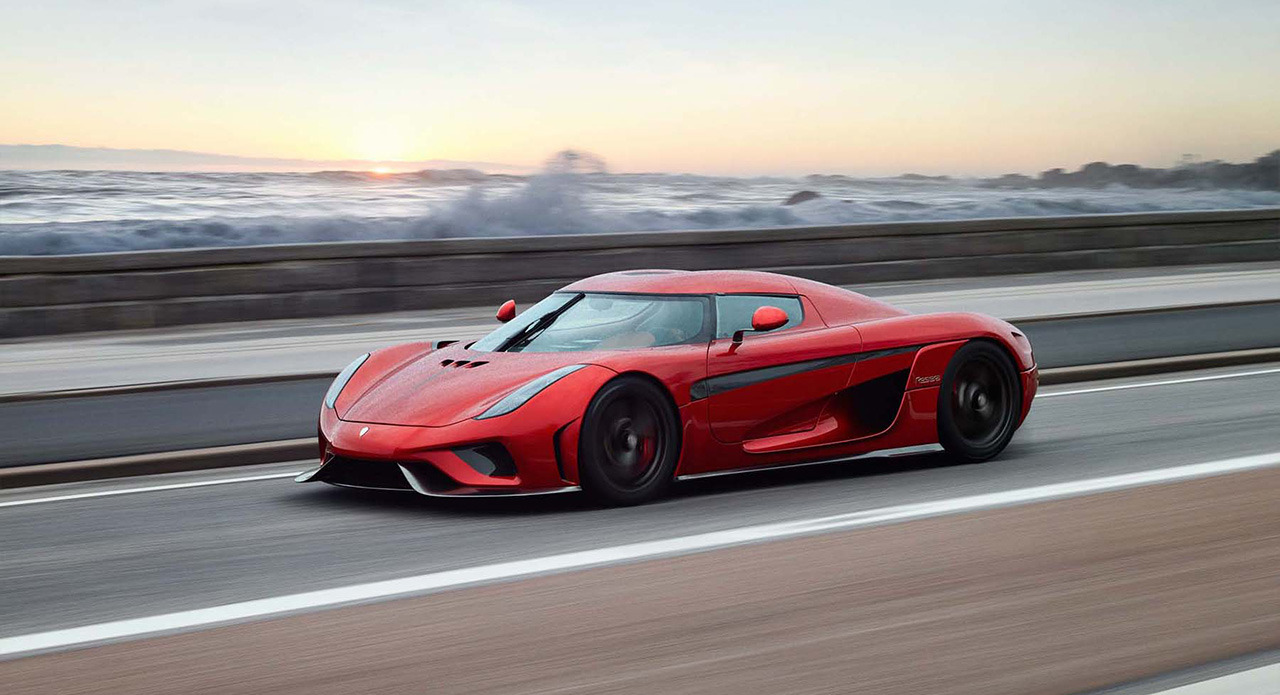


There is a peculiar obsession in the automotive world with horsepower. Numbers are flung about like confetti. Five hundred horsepower. Seven hundred horsepower. A thousand, if one feels particularly theatrical. It is all very exciting, rather like boasting about the size of a fireworks display without mentioning whether it actually lights. But here is the inconvenient truth. Horsepower, for all its glamour, is only half the story. In fact, in the real world of traffic lights, overtakes, and the occasional ill advised dash for an empty stretch of road, it is torque that quietly runs the show. Torque is not glamorous. It does not shout. It simply gets on with the business of moving things. And when it comes to driving, that is rather important.
What Torque Actually Does
Torque, in its simplest form, is rotational force. It is what turns the wheels. It is what shoves the car forward with that satisfying surge that pins one back into the seat. Without torque, horsepower is little more than a theoretical exercise. Imagine trying to open a stubborn jar. Horsepower would be how quickly one could twist the lid if it were already loose. Torque is the actual twisting force required to break it free in the first place. One is speed. The other is strength. In a car, torque is what determines how easily it accelerates from a standstill, how effortlessly it climbs a hill, and how confidently it overtakes without requiring a frantic downshift and a prayer.
Horsepower: The Show Off
Horsepower, on the other hand, is a measure of how quickly work can be done. It is derived from torque and engine speed. In other words, horsepower is what happens when torque gets busy and starts spinning faster. This is why high performance engines often produce their peak horsepower at very high engine speeds. They need to rev. They need to work. They need to be coaxed into delivering their best. That is all well and good on a racetrack, where engines can scream at the top of their lungs without interruption. But on a crowded city road, or a winding highway, such behaviour is about as useful as a racehorse in a supermarket car park.
The Real World Test
Consider two cars. One produces a modest horsepower figure but delivers a substantial amount of torque low down in the rev range. The other boasts an impressive horsepower number but requires the engine to be thrashed mercilessly to access it. In a brochure, the second car looks superior. It has the bigger number, the shinier statistic. But out on the road, in the chaos of daily driving, the first car is the one that feels alive. It pulls away effortlessly. It responds instantly. It does not demand constant gear changes or heroic levels of commitment. It simply goes, with a sense of ease that makes every journey feel less like a chore and more like a privilege.
Why Torque Feels Faster
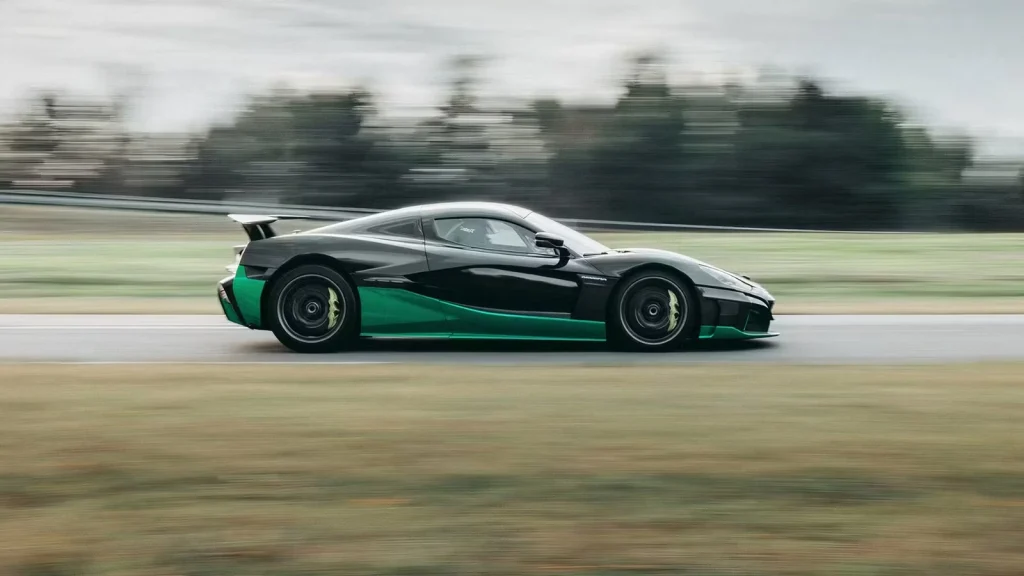
This is where perception enters the equation. Torque is what creates that immediate sensation of acceleration. It is the shove in the back, the surge that arrives without warning and leaves a grin in its wake. Horsepower builds speed over time. Torque delivers it instantly. That is why diesel engines, which are typically rich in torque, often feel more responsive in everyday driving than their petrol counterparts, despite having lower horsepower figures. They do not need to be revved into oblivion. They simply produce the force required, right when it is needed. Electric vehicles take this to an entirely different level. With maximum torque available from the very first rotation, they accelerate with a ferocity that can be genuinely startling. No drama, no delay, just immediate thrust.
The Role of Gearing
Of course, engines do not operate in isolation. Gearboxes play a crucial role in how torque is delivered to the wheels. Lower gears multiply torque, allowing a car to accelerate more quickly from a standstill. Higher gears trade that force for speed. This is why a car with strong torque feels flexible. It can pull cleanly even in higher gears, reducing the need for constant shifting. It feels relaxed, composed, and capable. A car that relies heavily on horsepower, by contrast, often demands more attention. It needs to be kept in the right gear, at the right engine speed, to deliver its performance. It can be exhilarating, certainly, but it can also be exhausting.