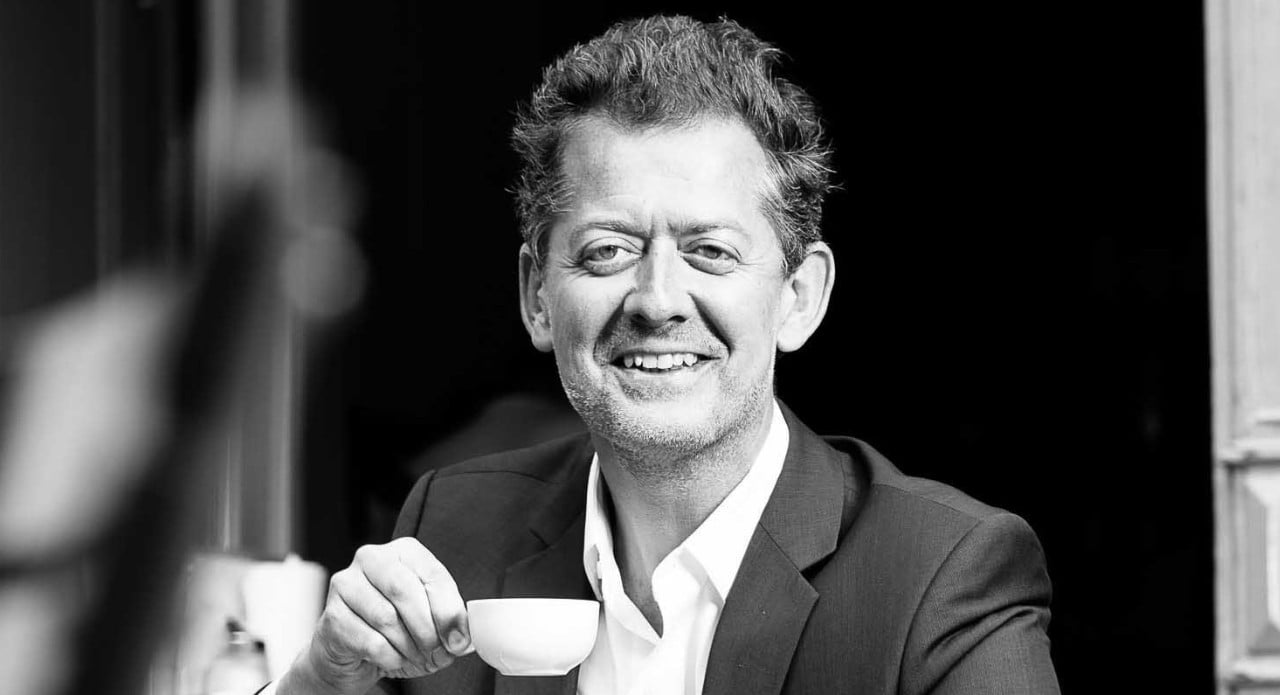


Austrian design has always held a quiet depth, rooted in craft, culture and a deep respect for legacy. That spirit fuels the return of Carl Suchy and Söhne, a historic watchmaking house once celebrated across the Austrian empire and later lost to time. Its revival is driven not by mass production or rapid commercial pursuit, but by a love for artistry and a belief that forgotten stories deserve a modern voice. Today, the brand rises from archives, museum references and surviving heirlooms, rebuilt with patience and curiosity, one timepiece at a time. It carries fragments of Vienna, Freud, Sisi, ballroom halls, old pocket watches and centuries of European craft that once defined imperial watchmaking. This journey feels less like a business and more like a cultural restoration, where design, scholarship and emotion come together to rebuild identity rather than replicate the past. In this spirit, Outlook Luxe sat down with Dr. Robert Punkenhofer, CEO of Carl Suchy and Söhne, to explore the heritage, imagination and future shaping the rebirth of Austrian watchmaking.
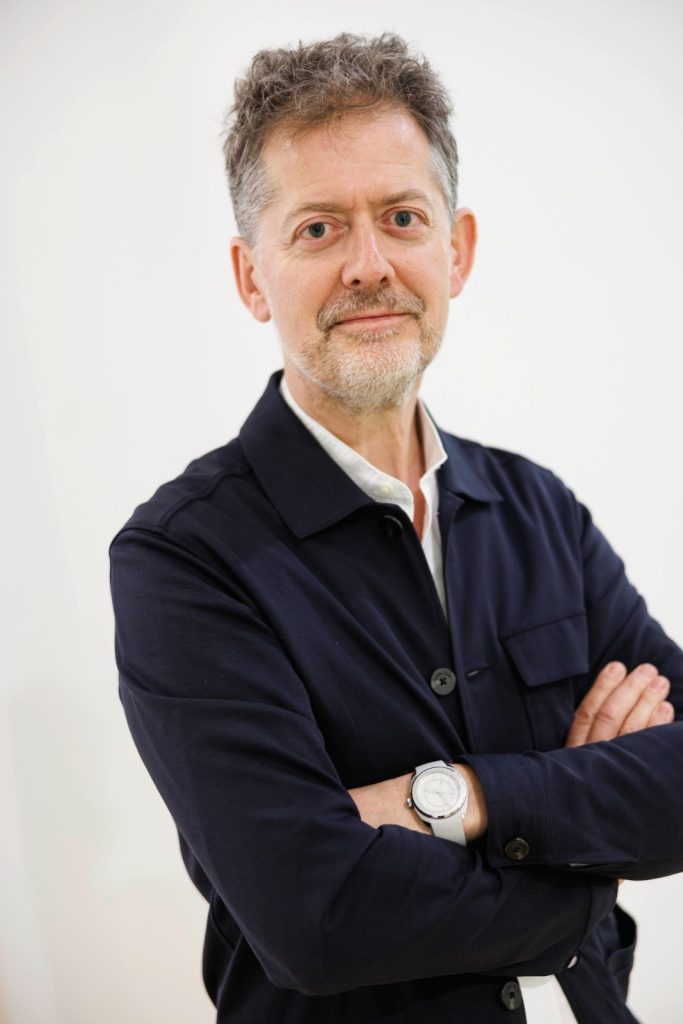
Q1. You’ve been associated with Carl Suchy and Söhne since 2017. Do you remember the exact moment you felt, this is the brand I want to revive and champion?
Robert Punkenhofer: Basically at that exhibition titled ‘A Debut to Remember’ that I organised about Austrian design, and featured also some historic Austrian brands. Most of them are obsolete, but some are still in existence. So I researched these historic brands, and found Carl Suchy & Söhne. My life has been always about the passion to create. And here I had like an amazing story. And for me, this gave me a great opportunity to do something super beautiful out of nothing. I did like first 22 pieces with a watchmaker, with a movement maker, with a very young designer, just graduated from university, and was able to sell them to family. And two years later, I quit my job as a high ranking diplomat.
Q2. Coming from an international and design background, what was the very first artistic cue or detail in the brand’s heritage that caught your eye?
RP: It was not so much about the aesthetics, because we are talking about 19th century aesthetics. It was more about the fact that he (Carl Suchy) served the emperor, our empress, the famous Elisabeth who was called Sisi, he served Sigmund Freud, the inventor of psychoanalysis, and he was the most important watchmaker of the Austrian empire. That challenged me. And also when I went to the archives, the imperial archives in Vienna, looking at the letters of recommendation describing Suchy as a person, as a very diligent person who respected all the details, who was a good citizen, whose family, for example, founded the fire brigade. And there was one moment, I went to one of these famous ballroom in Vienna, and in the golden music hall where the New Year’s concert takes place, a friend came up to me, and from beautiful formal dress he pulled out the pocket watch from Carl Suchy & Söhne that he had inherited from his grand grandfather.
Q3. As someone deeply immersed in contemporary design, what surprised you the most when you first explored the brand’s 19th century archives?
RP: There were pieces in the Technical Museum in Prague. There were table clocks in the Museum of Applied Arts in Vienna. So slowly I discovered real pieces, because I searched for it on second-hand markets, etc. And then connected with a collector in Czechia, close to Prague, and he had the biggest collection of historic Carl Suchy and Söhne. I wanted to be at the same level, the quality of the movements, the quality of the design, the materials. We have old receipts from the archive, we are still the same positioning. So this is more about the respect and the influence I took from Carl Suchy. Not one specific detail because again, it’s about carrying on the fire and not the ashes. The design language is unmistakably Austrian.
Q4. What are some of the technical or aesthetic innovations that define the current lineup?
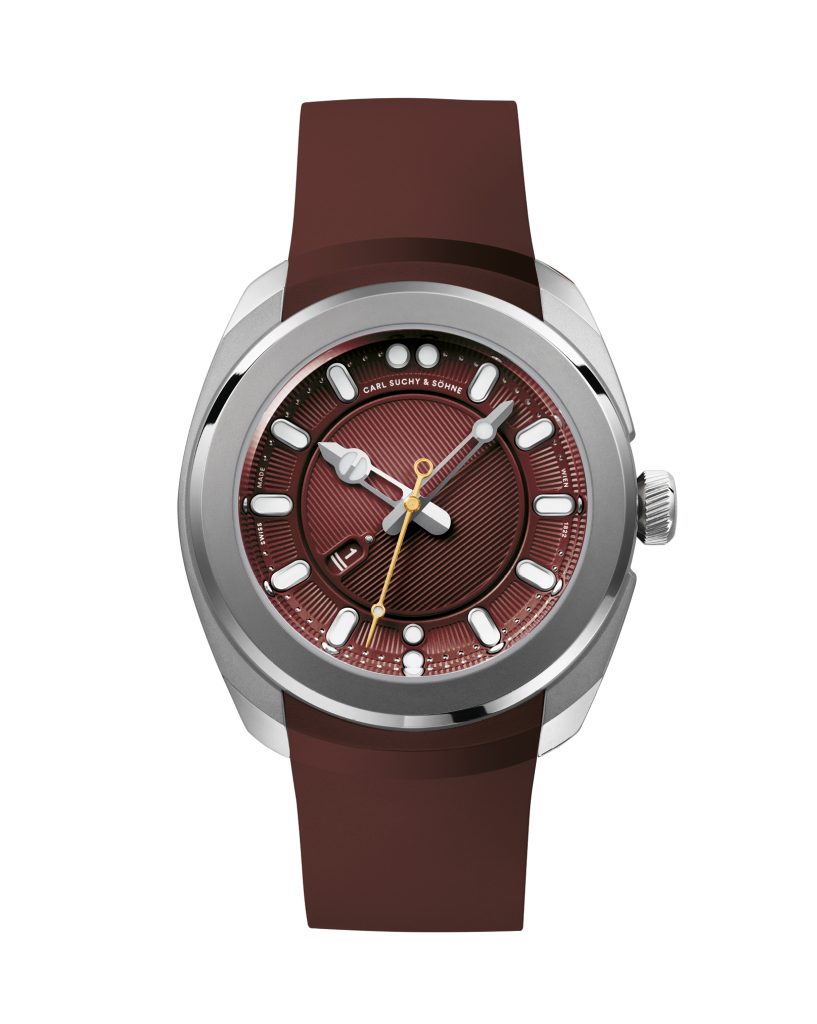
RP: Well, the first is the rotating disc. No one had done it before with, again, our slogan that not every second counts in Vienna, as we are not a speed capital like other cities. How we did the engraving, the three-dimensional micro-engraving on the rotor, or how we designed aesthetics of very smooth connection from one material to the next. The letter enters the steel, the dial enters the glass. These are subtle details that all together make it a Carl Suchy and Söhne. And during the last Watches and Wonders fair in Geneva, two collectors came up to me and said, Robert, I recognise these are four different collections, but they’re all interconnected with a very strong design DNA. And again, Viennese elegance is inspired by the architecture, and we have a story legacy rooted in imperial Vienna.
Q5. How do you reinterpret this heritage for a modern and global clientele?
RP: It’s about a design language that is contemporary, and not following a trend. And that’s what my aim is, to build watches for people who want to have something exclusive. But at the same time, of course, when you look at the movement, for example, here, the skeleton movement, this is at the highest end of watchmaking. There are even some parts hand-polished that can be seen with your eye. And in that context, we are not directly quoting, unless it’s the palace on the rotor, but we are not directly quoting or copying an imperial design detail.
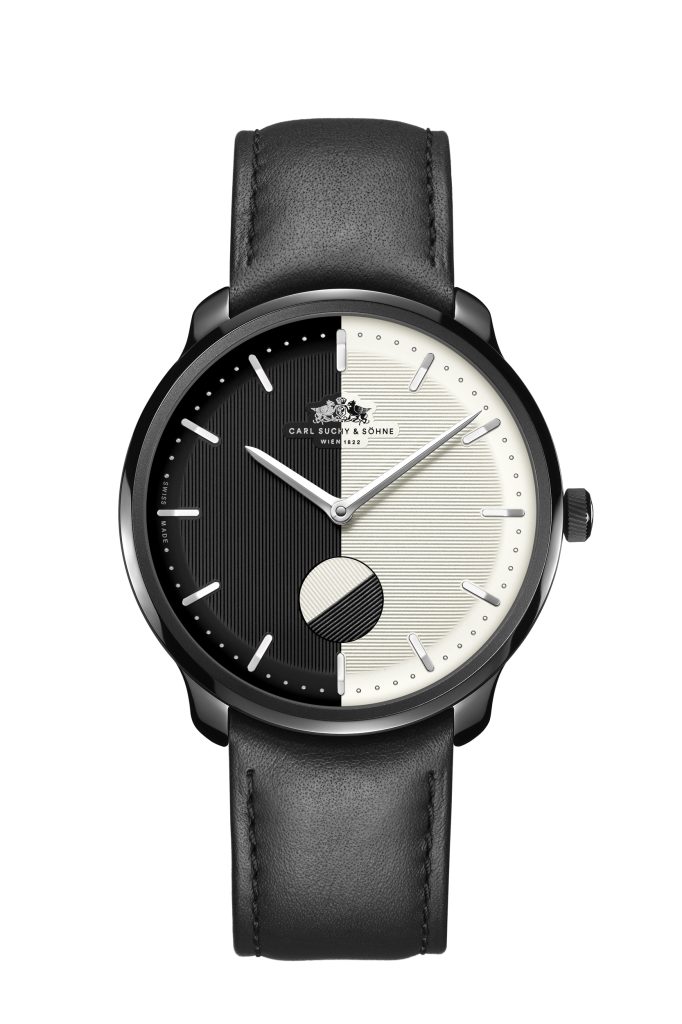
Q6: Carl Suchy carries a legacy dating back to the Habsburg era. How do you ensure that the brand’s revival remains authentic without being nostalgic?
RP: That’s a big challenge, we could play so much with the past, and simply copy it; then it would be just nostalgic. And I’m, on the one hand, as a former diplomat, I can be very conservative. But on the other hand, I hang out with the crazy artists. So these watches was all about not being nostalgic. I once met Jean-Claude Biver, and he suggested a portrait of the emperor on the dial, and also the empress. Perhaps it would sell, but I could not do this. Perhaps one day I’ll do it as a special edition at really high-end ceramic.
Q7. India is becoming a serious market for collectors and independent brands. How do you see Carl Suchy and Söhne fitting into this evolving market?
RP: We are fitting right in, because we offer something very special for these discerning collectors. First of all, very exclusive production, like only a couple of hundred pieces. We are the only brand that is having this kind of Viennese elegance and Swiss precision at the heart of our soul and heart. So, it’s a Viennese brand. But of course, we’ve also a very strong relationship with Switzerland since our pocket watch factory in the 19th century. And on top of it, I think our design language is different from most. In that sense, all our collectors have their Rolex, have their Patek Philippes, but they also look for something special. I think we blend very well into that field.
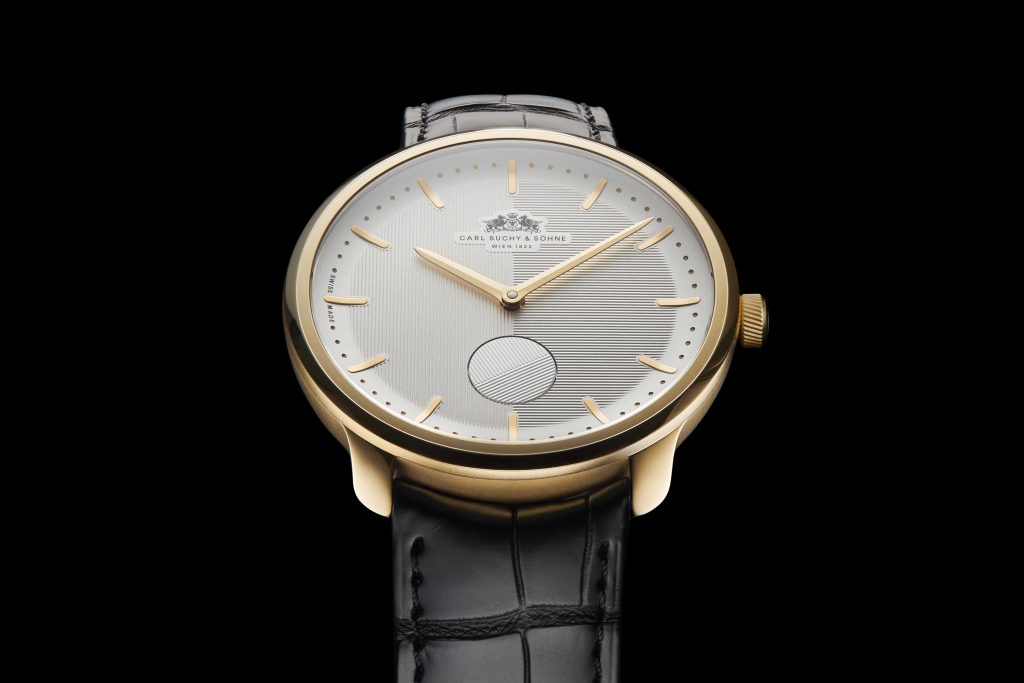
Q8. How has the global market responded to Belvedere and what future evolutions of the collection can be expected here in India?
RP: Well the Belvedere is the most successful collection and we have found collectors now in 30 countries. We have amazing retailers like Ethos in India. But also Chronopassion in Paris or Collective Horology in California. So every year, we try to keep growing organically. Not with millions of investments in the background, but just organically extending our network of retailers and our collector base. And I think our future is very bright because we have a unique story to tell.
Q9. Will collectors in India get the chance to experience these pieces very soon?
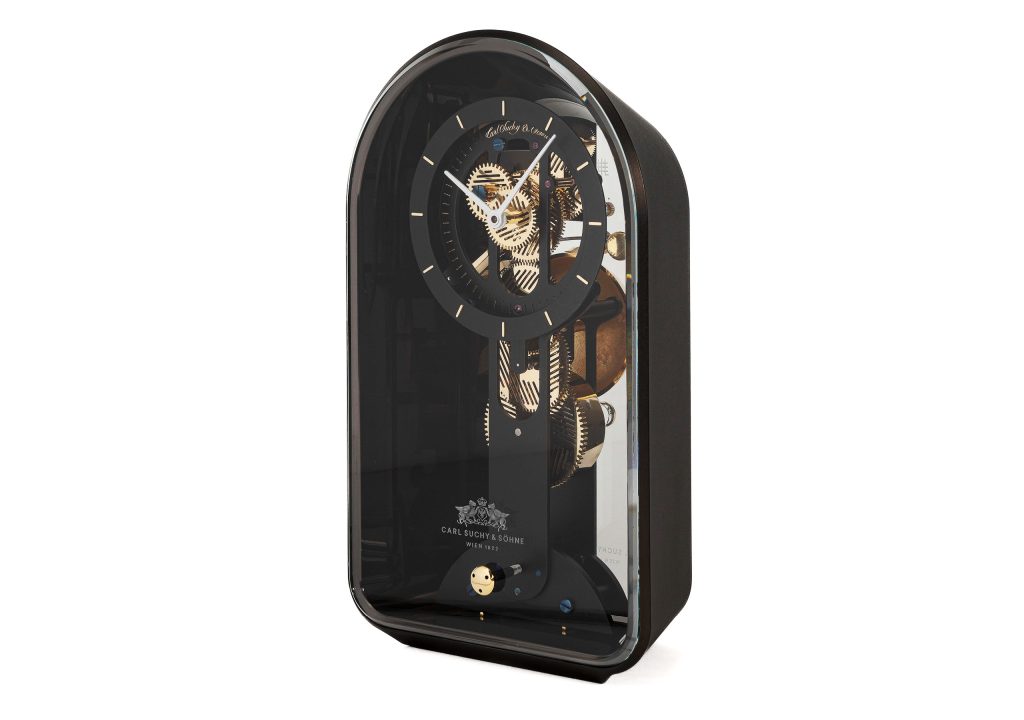
RP: Yes, I hope that Ethos will include the table clock in their offering. Indeed, we have very few pieces. So we have currently five markets that have it.
Q10. Could you tell us more about the micro-rotor that the collection uses? What was the inspiration behind just using the micro-rotor for this specific collection?
RP: We are working in collaboration with our watchmaster, Mark Jenni and I saw the possibility to offer a micro-rotor, which is not so common. For me, it was a very clear choice because it’s really high end and it’s a lot of hand crafting, high tech in combination. But it was logic for me to work with a micro-rotor. Again, to be as the emperor’s choice at this level again. There’s not many brands that actually use micro-rotor.
Q11: When you look ahead, what do you hope the Indian collectors will remember Carl Suchy and Söhne first when they think of the brand?
RP: I think what I would love them that, first of all, that they come and visit me in Vienna. And then they take a piece of Vienna on their wrist and feel also connected to our world, and have something on their wrist that is connecting with our history. And yes, it’s a very personal piece at the end, that connects them with us, but also with their own life.