Benny Blanco made the relationship official with Selena Gomez on his own Instagram, and they were seen together at events like the Golden Globes

Jacob & Co. Unveils A Bespoke Diamond Timepiece For Benny Blanco’s Wedding

Benny Blanco made the relationship official with Selena Gomez on his own Instagram, and they were seen together at events like the Golden Globes

08 October 2025 06:29 PM

Selena Gomez and music producer Benny Blanco recently tied the knot in a heartwarming celebration that perfectly blended intimacy with star-studded glamour. Set against a dreamy California backdrop, the wedding brought together close friends, family, and notable figures from the entertainment world. Gomez stunned in a custom Ralph Lauren gown, while the ceremony was filled with personal details that reflected the couple’s journey from friendship to love. With heartfelt vows, a lively reception, and an atmosphere of pure joy, their wedding marked the beginning of a new chapter in one of Hollywood’s most adored love stories.
Selena Gomez and music producer Benny Blanco recently tied the knot in a heartwarming celebration that perfectly blended intimacy with star-studded glamour. Set against a dreamy California backdrop, the wedding brought together close friends, family, and notable figures from the entertainment world. Gomez stunned in a custom Ralph Lauren gown, while the ceremony was filled with personal details that reflected the couple’s journey from friendship to love. With heartfelt vows, a lively reception, and an atmosphere of pure joy, their wedding marked the beginning of a new chapter in one of Hollywood’s most adored love stories. Jacob & Co. created their infamous diamond boutique timepiece exclusively for Blanco set with 58 baguette-cut Ashoka-cut diamonds throughout the watch (from the case, bezel, dial, and the bracelet). Sized at 7 inches, the watch gets an 18k white gold case, blue coloured hour, minute hands and is powered by a quartz movement with a battery of around 2 years. What Are Baguette-Cut Diamonds The baguette cut diamond is generally characterised by a long, rectangular form and clean, linear facets. Typically featuring 14 facets, this step-cut style emphasises clarity and luster over brilliance, resulting in a sophisticated, mirror-like sparkle. Often used as side stones in engagement rings, these diamonds accent a central gemstone with their sleek geometry and understated radiance. Their straight edges and symmetrical proportions lend a refined, architectural appeal, making them a popular choice in both vintage-inspired and contemporary jewellery designs. Baguette cut diamonds generally came in less than one carat cuts, making them lighter in weight, and much more popular. Each cut had to be precise and perfect. If a baguette cut stone has poor quality craftsmanship, flaws are seen much easier than in other cuts. History of Baguette-Cut Diamonds Developed in the early 20th century, baguette cut diamonds gained significant popularity during the Art Deco period (1920s-1930s) for its clean, geometric lines and understated elegance, contrasting with the fire of brilliant cuts. It is said that Louis Cartier and his craftsmen developed the modern baguette cut in the 1920s, though its roots trace back to earlier elongated step-cuts like the hogback. Cartier's design, characterised by clean lines and a rectangular shape, became popular during the Art Deco period and gained its name from the French word for ‘stick’ or ‘rod’.
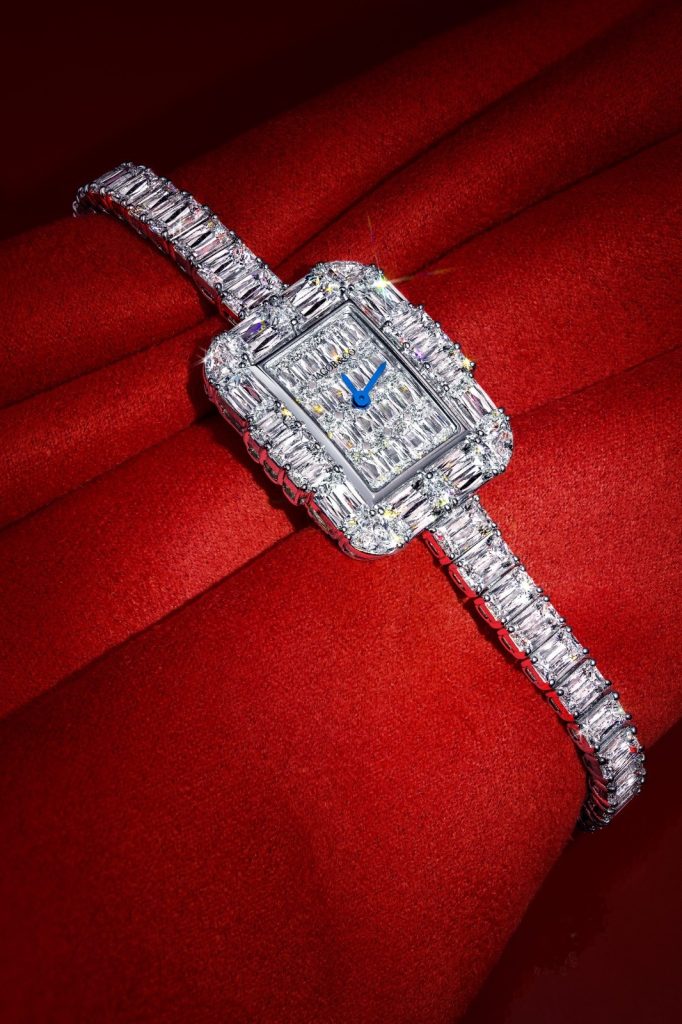
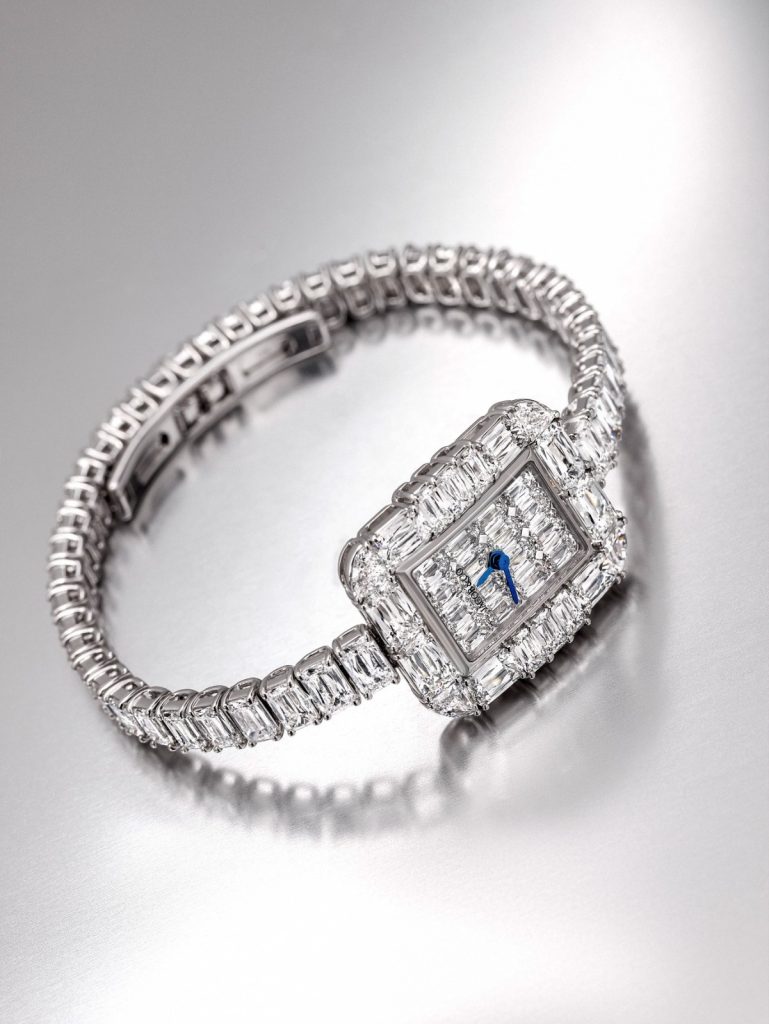
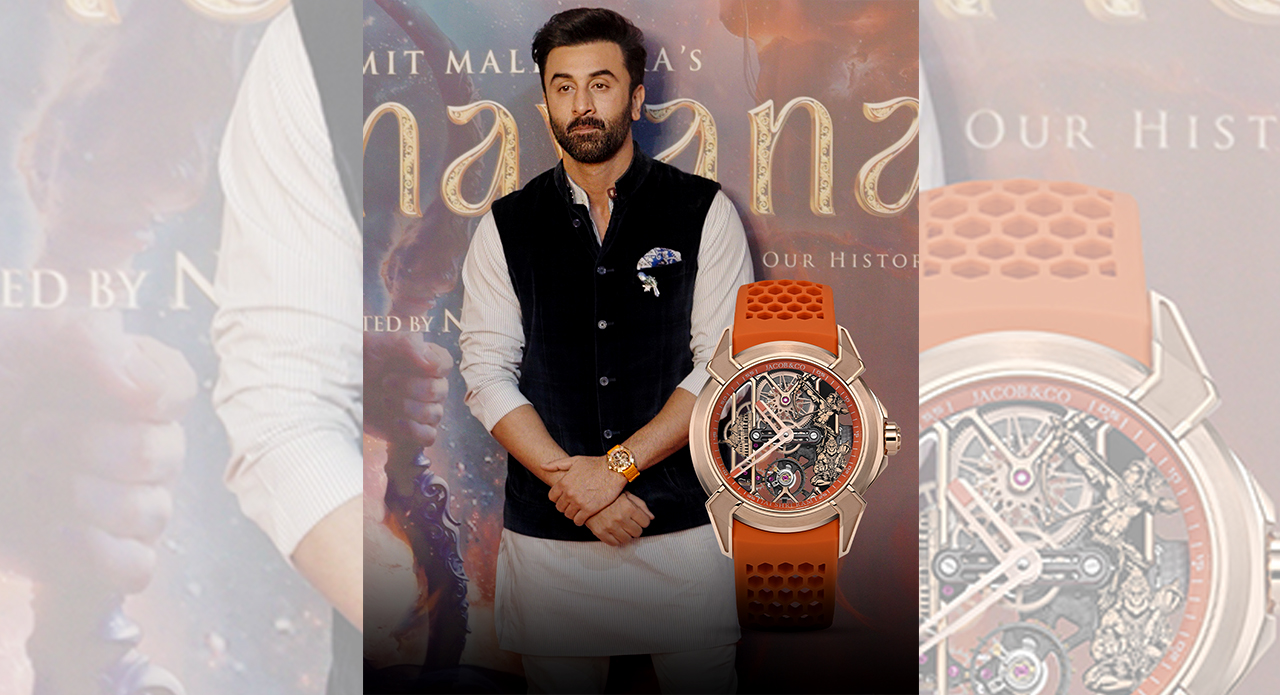
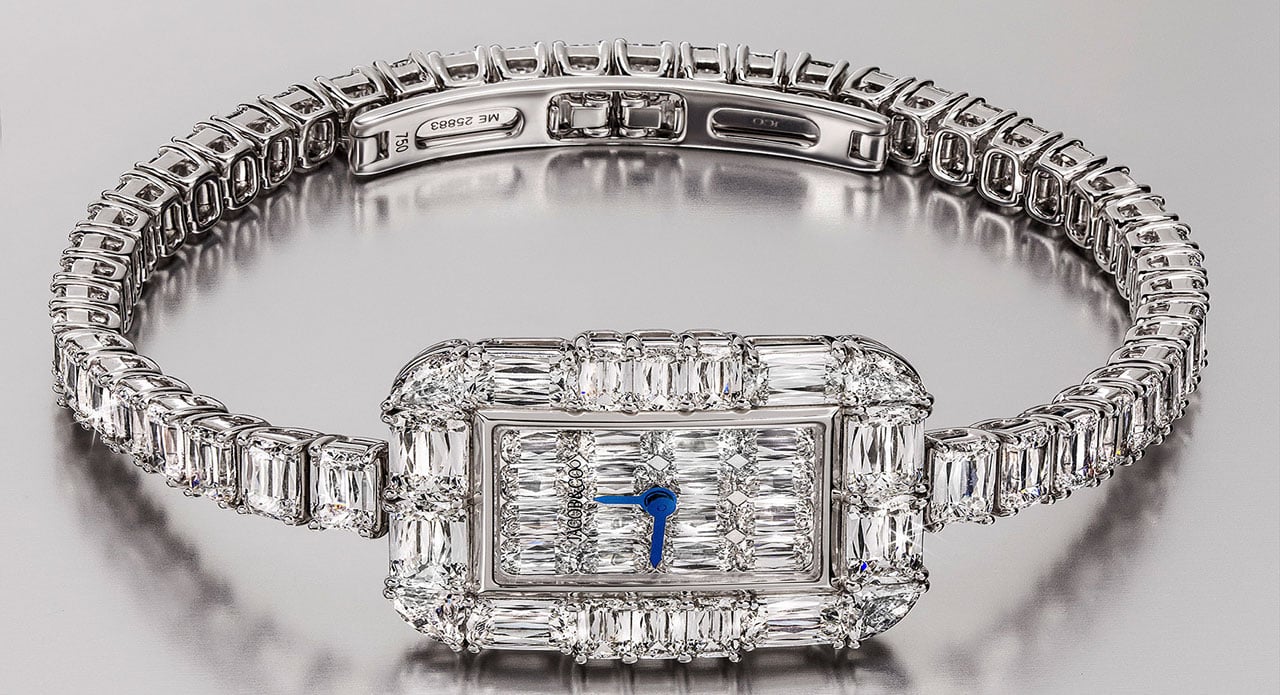
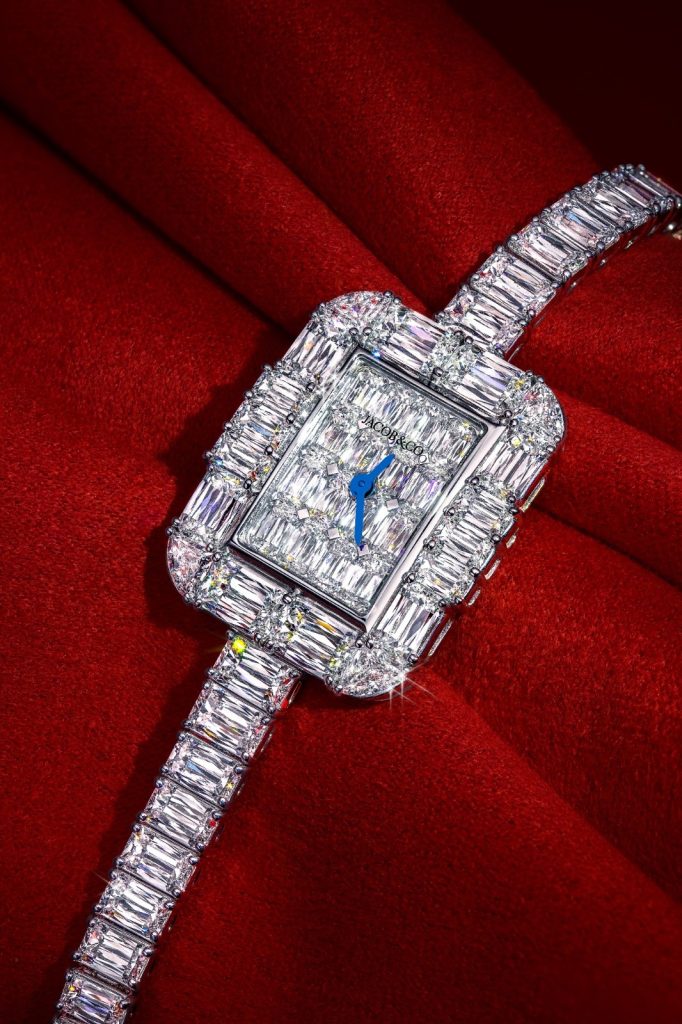
Jacob & Co. created their infamous diamond boutique timepiece exclusively for Blanco set with 58 baguette-cut Ashoka-cut diamonds throughout the watch (from the case, bezel, dial, and the bracelet). Sized at 7 inches, the watch gets an 18k white gold case, blue coloured hour, minute hands and is powered by a quartz movement with a battery of around 2 years.

What Are Baguette-Cut Diamonds

Selena Gomez and music producer Benny Blanco recently tied the knot in a heartwarming celebration that perfectly blended intimacy with star-studded glamour. Set against a dreamy California backdrop, the wedding brought together close friends, family, and notable figures from the entertainment world. Gomez stunned in a custom Ralph Lauren gown, while the ceremony was filled with personal details that reflected the couple’s journey from friendship to love. With heartfelt vows, a lively reception, and an atmosphere of pure joy, their wedding marked the beginning of a new chapter in one of Hollywood’s most adored love stories. Jacob & Co. created their infamous diamond boutique timepiece exclusively for Blanco set with 58 baguette-cut Ashoka-cut diamonds throughout the watch (from the case, bezel, dial, and the bracelet). Sized at 7 inches, the watch gets an 18k white gold case, blue coloured hour, minute hands and is powered by a quartz movement with a battery of around 2 years. What Are Baguette-Cut Diamonds The baguette cut diamond is generally characterised by a long, rectangular form and clean, linear facets. Typically featuring 14 facets, this step-cut style emphasises clarity and luster over brilliance, resulting in a sophisticated, mirror-like sparkle. Often used as side stones in engagement rings, these diamonds accent a central gemstone with their sleek geometry and understated radiance. Their straight edges and symmetrical proportions lend a refined, architectural appeal, making them a popular choice in both vintage-inspired and contemporary jewellery designs. Baguette cut diamonds generally came in less than one carat cuts, making them lighter in weight, and much more popular. Each cut had to be precise and perfect. If a baguette cut stone has poor quality craftsmanship, flaws are seen much easier than in other cuts. History of Baguette-Cut Diamonds Developed in the early 20th century, baguette cut diamonds gained significant popularity during the Art Deco period (1920s-1930s) for its clean, geometric lines and understated elegance, contrasting with the fire of brilliant cuts. It is said that Louis Cartier and his craftsmen developed the modern baguette cut in the 1920s, though its roots trace back to earlier elongated step-cuts like the hogback. Cartier's design, characterised by clean lines and a rectangular shape, became popular during the Art Deco period and gained its name from the French word for ‘stick’ or ‘rod’.
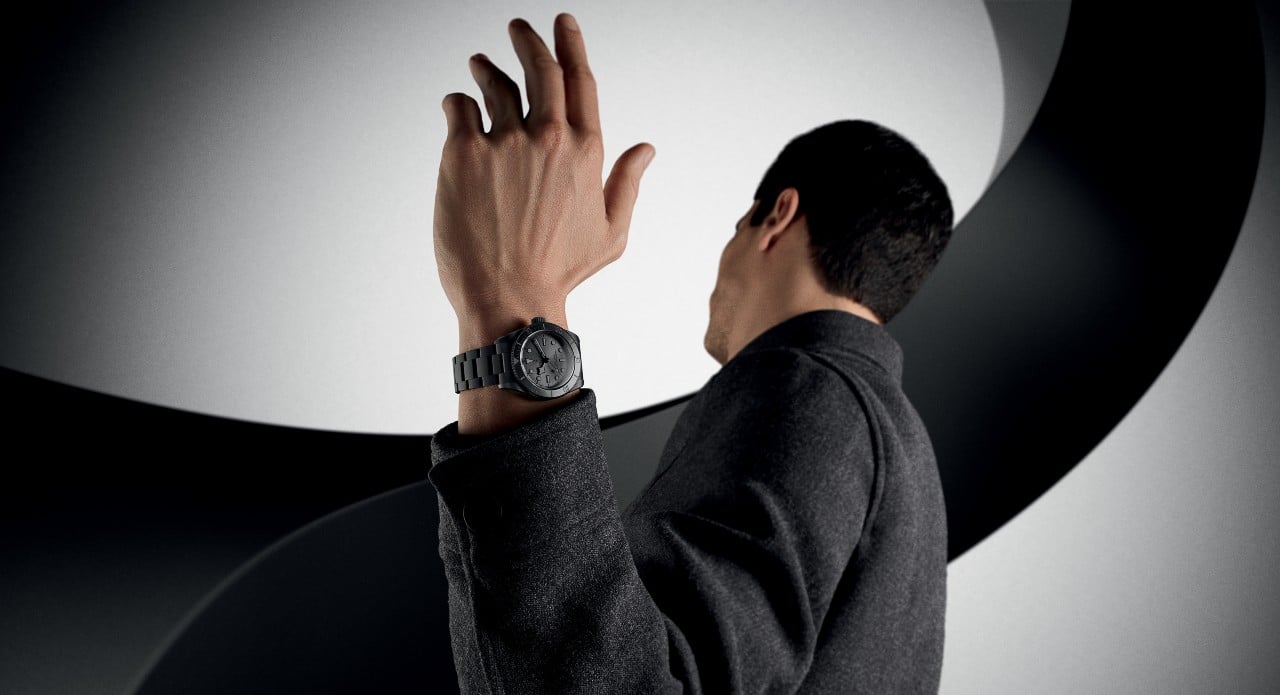
The baguette cut diamond is generally characterised by a long, rectangular form and clean, linear facets. Typically featuring 14 facets, this step-cut style emphasises clarity and luster over brilliance, resulting in a sophisticated, mirror-like sparkle. Often used as side stones in engagement rings, these diamonds accent a central gemstone with their sleek geometry and understated radiance. Their straight edges and symmetrical proportions lend a refined, architectural appeal, making them a popular choice in both vintage-inspired and contemporary jewellery designs.

Baguette cut diamonds generally came in less than one carat cuts, making them lighter in weight, and much more popular. Each cut had to be precise and perfect. If a baguette cut stone has poor quality craftsmanship, flaws are seen much easier than in other cuts.

History of Baguette-Cut Diamonds

Selena Gomez and music producer Benny Blanco recently tied the knot in a heartwarming celebration that perfectly blended intimacy with star-studded glamour. Set against a dreamy California backdrop, the wedding brought together close friends, family, and notable figures from the entertainment world. Gomez stunned in a custom Ralph Lauren gown, while the ceremony was filled with personal details that reflected the couple’s journey from friendship to love. With heartfelt vows, a lively reception, and an atmosphere of pure joy, their wedding marked the beginning of a new chapter in one of Hollywood’s most adored love stories. Jacob & Co. created their infamous diamond boutique timepiece exclusively for Blanco set with 58 baguette-cut Ashoka-cut diamonds throughout the watch (from the case, bezel, dial, and the bracelet). Sized at 7 inches, the watch gets an 18k white gold case, blue coloured hour, minute hands and is powered by a quartz movement with a battery of around 2 years. What Are Baguette-Cut Diamonds The baguette cut diamond is generally characterised by a long, rectangular form and clean, linear facets. Typically featuring 14 facets, this step-cut style emphasises clarity and luster over brilliance, resulting in a sophisticated, mirror-like sparkle. Often used as side stones in engagement rings, these diamonds accent a central gemstone with their sleek geometry and understated radiance. Their straight edges and symmetrical proportions lend a refined, architectural appeal, making them a popular choice in both vintage-inspired and contemporary jewellery designs. Baguette cut diamonds generally came in less than one carat cuts, making them lighter in weight, and much more popular. Each cut had to be precise and perfect. If a baguette cut stone has poor quality craftsmanship, flaws are seen much easier than in other cuts. History of Baguette-Cut Diamonds Developed in the early 20th century, baguette cut diamonds gained significant popularity during the Art Deco period (1920s-1930s) for its clean, geometric lines and understated elegance, contrasting with the fire of brilliant cuts. It is said that Louis Cartier and his craftsmen developed the modern baguette cut in the 1920s, though its roots trace back to earlier elongated step-cuts like the hogback. Cartier's design, characterised by clean lines and a rectangular shape, became popular during the Art Deco period and gained its name from the French word for ‘stick’ or ‘rod’.
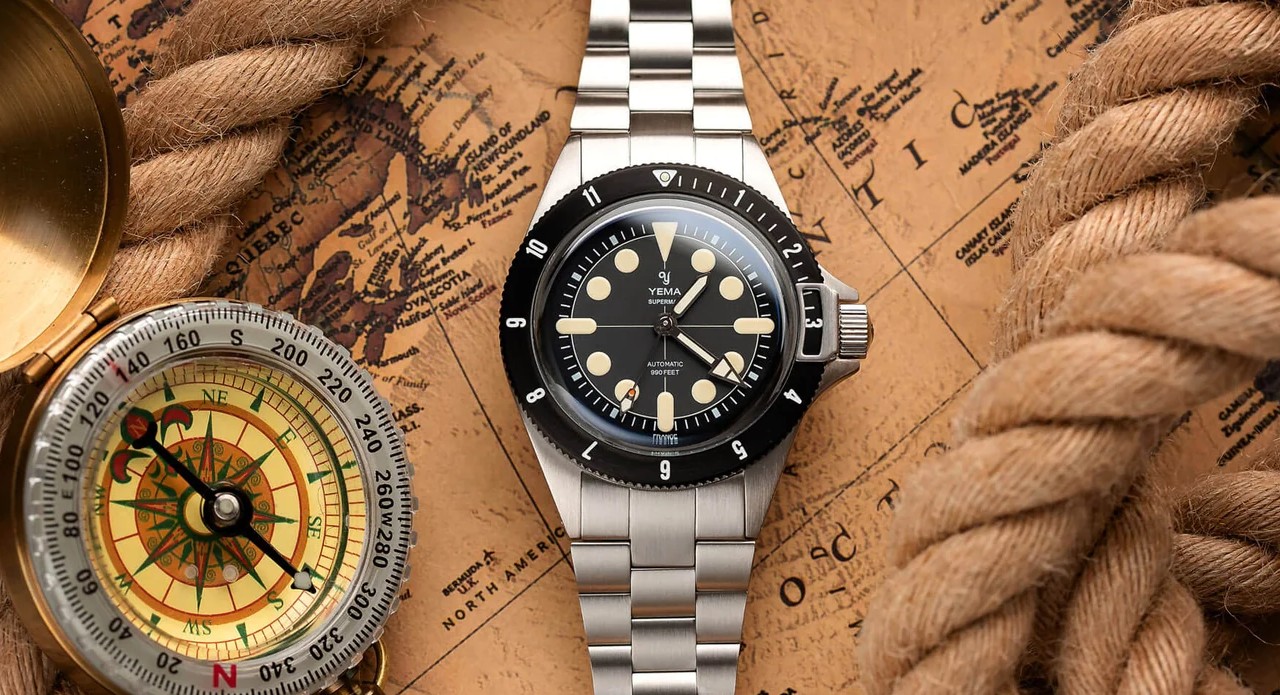
Developed in the early 20th century, baguette cut diamonds gained significant popularity during the Art Deco period (1920s-1930s) for its clean, geometric lines and understated elegance, contrasting with the fire of brilliant cuts. It is said that Louis Cartier and his craftsmen developed the modern baguette cut in the 1920s, though its roots trace back to earlier elongated step-cuts like the hogback. Cartier’s design, characterised by clean lines and a rectangular shape, became popular during the Art Deco period and gained its name from the French word for ‘stick’ or ‘rod’.
Published At:

Recent Stories

  1. Who Invented The Balance Spring? The Tiny Invention That Revolutionised Watchmaking Forever
  2. Remote, Rare, Remarkable: High-End Getaways In The Planet’s Wildest Places
  3. Top Watches For Smaller Wrists: Compact Sizes, Big Presence
  4. Top 5 Integrated Luxury Watches You Need to Know in 2025
  5. Chronometer or Chronograph? Understanding The Great Watch Confusion: Explained
  6. The Small Seconds Story: Why Some Watches Keep Time On A Sub-Dial Instead Of A Central Hand
  7. 8 Japanese Skincare Products I Bought (And Loved) In Japan: Local Favourites, Dermatologist-Approved
  8. Beyond The Ring: Understanding Watch Bezels And Their Roles In Function And Design
  9. The Art of Spin: How Tourbillon Balances Gravity And Time
  10. Top 5 Car Interiors That Feel Like First-Class Cabins — Luxury, Comfort, and Innovation Combined
  11. The Most Luxurious Things That Nita Ambani Owns
  12. Weddings 2025: Nine Bridesmaid Outfits From Indian Luxury Designers
  13. Future Denied: Concept Cars That Could Have Changed The Auto Industry
  14. Bucket-List Roads: 5 Legendary Drives Every Car Lover Must Experience
  15. Art Nouveau Explained: How Nature Inspired One of History’s Most Beautiful Design Movements