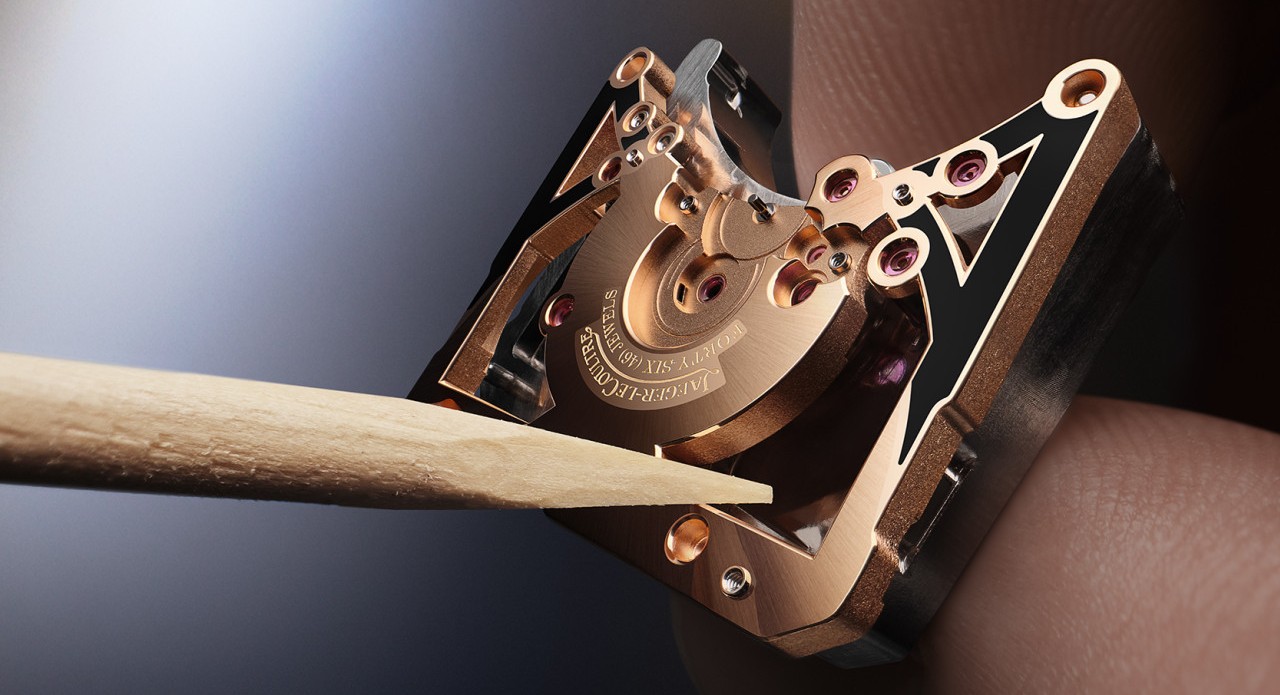


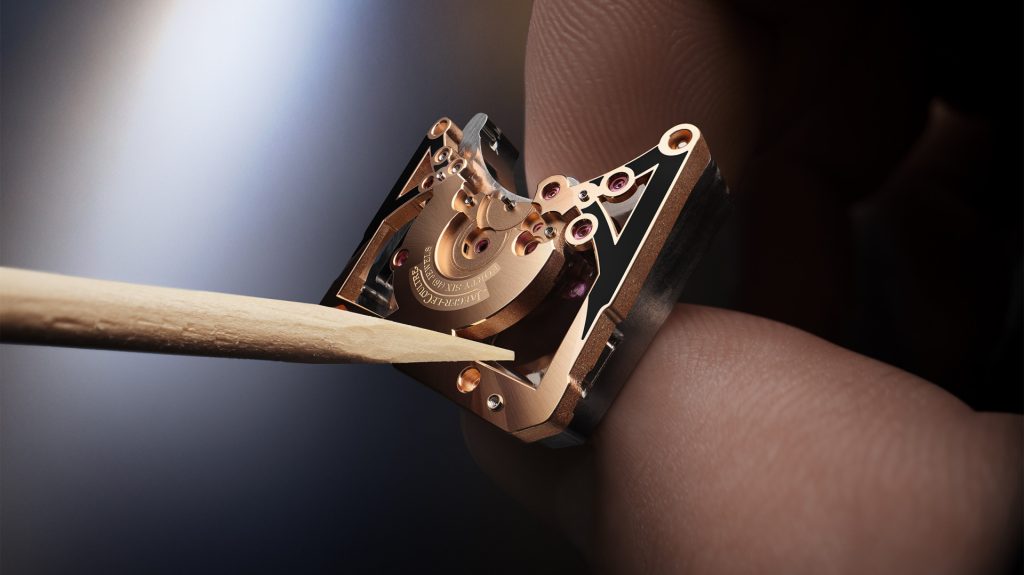
In a world where diamonds, sapphires and rubies usually bask in the limelight, the jewels inside a watch movement prefer a life of quiet heroism. No glittering bezels, no dramatic fire, no red-carpet moments—just microscopic flashes of colour buried deep within gears and springs, working tirelessly while receiving absolutely none of the glamour. They’re the backstage crew of horology, the unsung technicians who make sure the stars (your hands, your escapement, your complications) hit their cues on time. If you’ve ever wondered how a mechanical watch can tick flawlessly for decades without grinding itself into metallic dust, you have these tiny synthetic gems to thank. Understanding watch jewels isn’t just learning about a component; it’s appreciating the silent mineral guardians that make mechanical precision possible.
Also Read: Best World Timer Watches: 5 Iconic Timepieces for Global Travelers And Watch Collectors
What Are Watch Jewels
Watch jewels are small, lab-grown synthetic sapphires or rubies placed at strategic points within a movement to reduce friction and wear between metal components. Unlike ornamental gemstones used on bezels or dials, these jewels serve purely functional purposes, acting as bearings for pivots, escapement parts, and gear train elements. Their hardness, smoothness and consistency make them ideal for creating low-friction contact surfaces that help ensure accuracy, durability and long-term stability. They don’t sparkle—they safeguard.Mechanical watch movements rely on countless rotations, oscillations and micro-interactions that generate friction. Left unchecked, that friction would quickly wear down metal parts, throwing off accuracy and eventually causing failure. Jewels offer an elegant solution: their hardness resists abrasion, their perfectly smooth surfaces reduce friction, and their chemical stability ensures they don’t degrade over time. By minimising wear at critical points—especially in the escapement.
Types Of Jewels And Their Functions
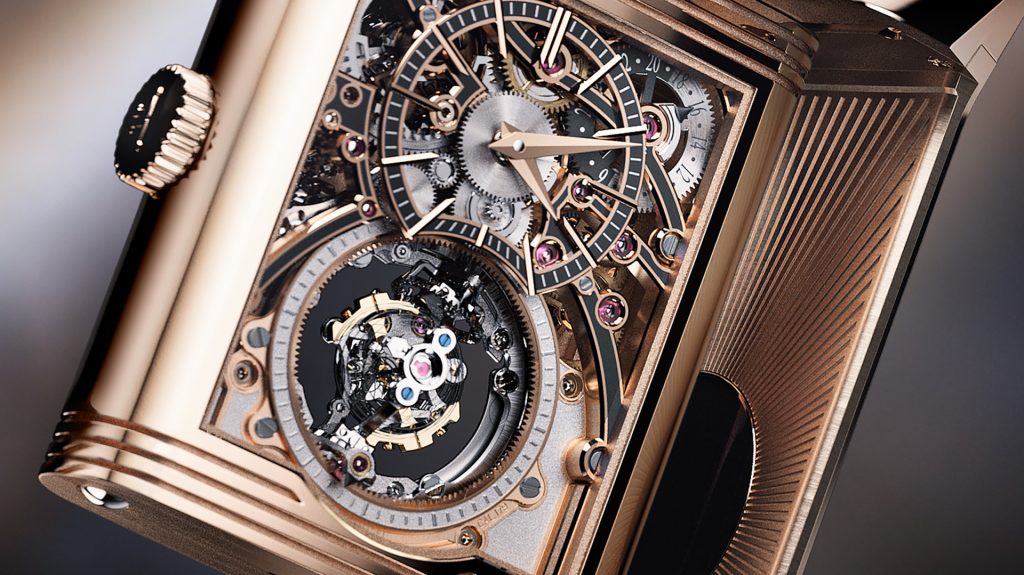
The most common jewels in horology include hole jewels, which act as bearings for rotating pivots; cap jewels, which stabilise vertical movement; pallet jewels, which interact with the escape wheel; and impulse jewels, which transfer energy to the balance wheel. Each type plays a specific role in maintaining the rhythm of the movement. Hole and cap jewels provide precision alignment and smooth rotation, while pallet and impulse jewels ensure the escapement receives energy efficiently. The placement and purpose of each jewel are carefully engineered to strike a perfect balance between durability, accuracy and mechanical efficiency.
Also Read: Top Winter-Themed Watches To Own: Frosted Dials, Snowy Textures And Cool-Tone Luxury Picks
How Jewels Improve Accuracy And Longevity
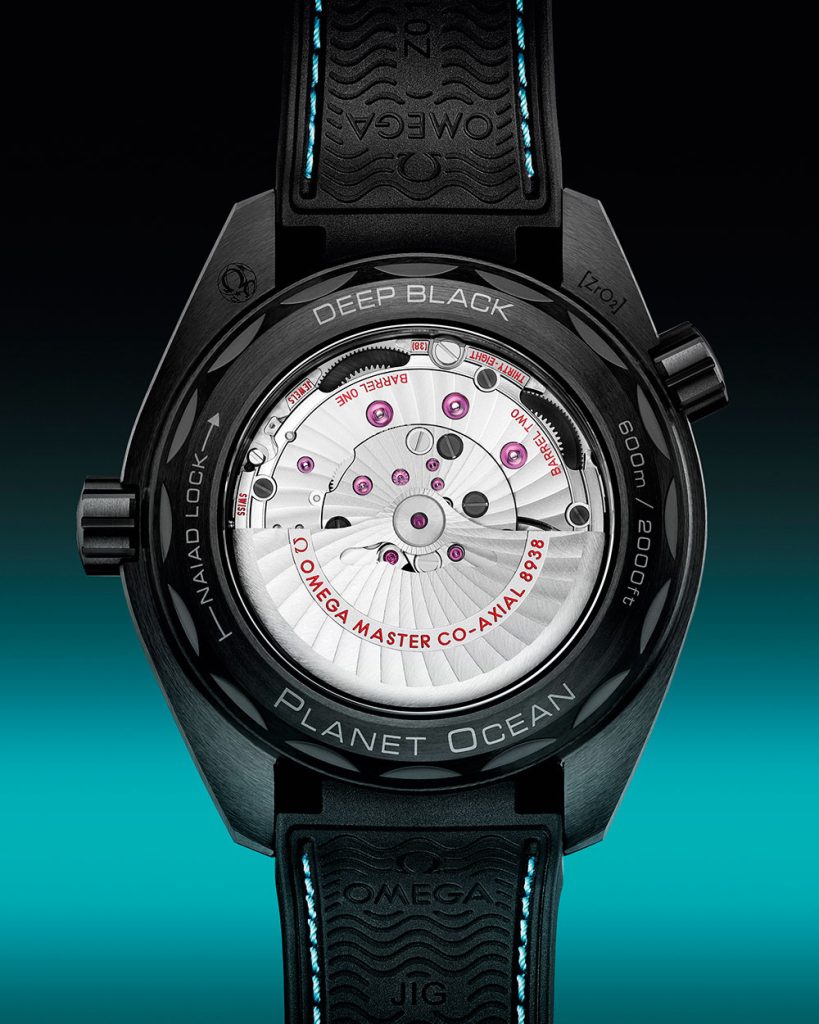
A well-jewelled movement experiences far less friction, which directly translates into better timekeeping. Reduced friction means parts move more freely and consistently, allowing the balance wheel to oscillate with greater stability. Over time, jewels also prevent wear-related inaccuracies, ensuring that pivots don’t deform and wheels don’t grind against metal plates. This protection is crucial for the longevity of high-end movements that are expected to perform flawlessly for decades—or even generations. Essentially, jewels preserve the geometry and integrity of the entire gear train, safeguarding precision from the inside out. Most modern mechanical watches contain between 17 and 25 jewels, which is sufficient for a standard time-only movement. Watches with additional complications—chronographs, calendars, moonphases—require more jewels to support the extra wheels and levers. While the jewel count can rise above 30 or even 50 in complex pieces, adding unnecessary jewels for marketing purposes is considered outdated and misleading. True horological value lies not in the number of jewels, but in their placement, precision and functional necessity.