From Music Venues To Masterpieces: The World’s Most Iconic Concert Halls
Some buildings merely host music, others become instruments themselves, transforming every note into something larger than life. From classical maestros to global superstars, these iconic concert halls have shaped unforgettable performances across generations
There is a moment, just before the conductor raises the baton, when an entire concert hall seems to hold its breath. Hundreds of musicians sit poised, bows hovering above strings, fingers resting lightly on keys, brass gleaming beneath carefully calibrated lights. Then, with a single movement, the silence dissolves into a perfectly synchronised wall of sound. Violins surge, cellos rumble, woodwinds weave delicate melodies through the air and percussion arrives with thunderous precision. It is a feat of engineering as much as artistry, a seamless collaboration between architecture, acoustics and human talent. The finest concert halls in the world are built precisely for these moments. They do not merely contain music; they shape it, amplify it and transform it into something almost tangible. Every curve of a ceiling, every wooden panel and every seat is designed so that a whisper from a violin can travel to the furthest balcony with absolute clarity. From the soaring glass waves of Hamburg’s Elbphilharmonie to the iconic sails of Sydney Opera House, these remarkable venues have become instruments in their own right, hosting legendary performances that continue to resonate long after the final note has faded into silence. Outlook Luxe explores some of the world’s most iconic concert halls, where architecture and music perform in perfect harmony.
Elbphilharmonie, Germany
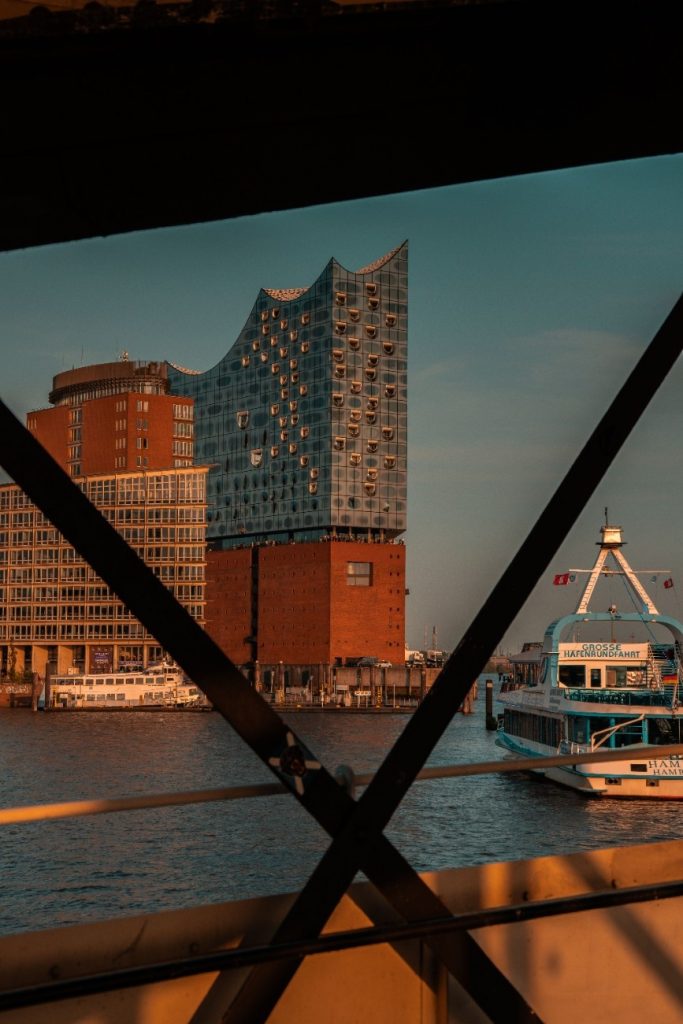
If a giant glass wave landed on top of a historic warehouse, it would probably look something like Hamburg’s Elbphilharmonie. Rising above the River Elbe, this architectural masterpiece has become one of Europe’s most recognisable cultural landmarks. Opened in 2017, its vineyard-style auditorium places audiences around the stage, creating remarkable intimacy despite its scale. The hall has welcomed some of the world’s finest musicians, including Lang Lang, Yo-Yo Ma, and the Vienna Philharmonic. Acoustically, it is among the most sophisticated venues ever built, with thousands of specially designed panels helping direct sound with surgical precision.
Also Read: Odile Decq: The French Architect Known For Breaking Rules And Pushing Boundaries
Palau de Les Arts Reina Sofía, Spain
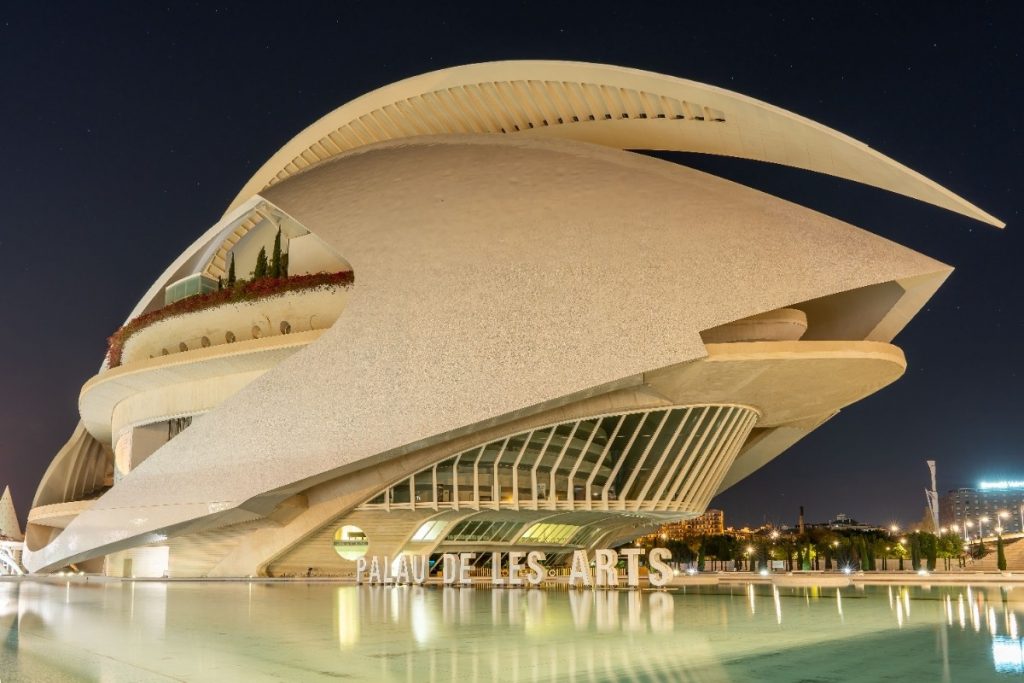
Designed by celebrated architect Santiago Calatrava, this spectacular structure looks less like an opera house and more like a spacecraft preparing for launch. Its sweeping curves dominate Valencia’s skyline and have made it one of the most visually striking performance venues in Europe. Its stages have hosted internationally acclaimed artists including Plácido Domingo, Zubin Mehta and Riccardo Chailly. Beyond its dramatic appearance, the venue is respected for its technical sophistication and ability to stage ambitious opera productions at the highest level.
Harbin Opera House, China
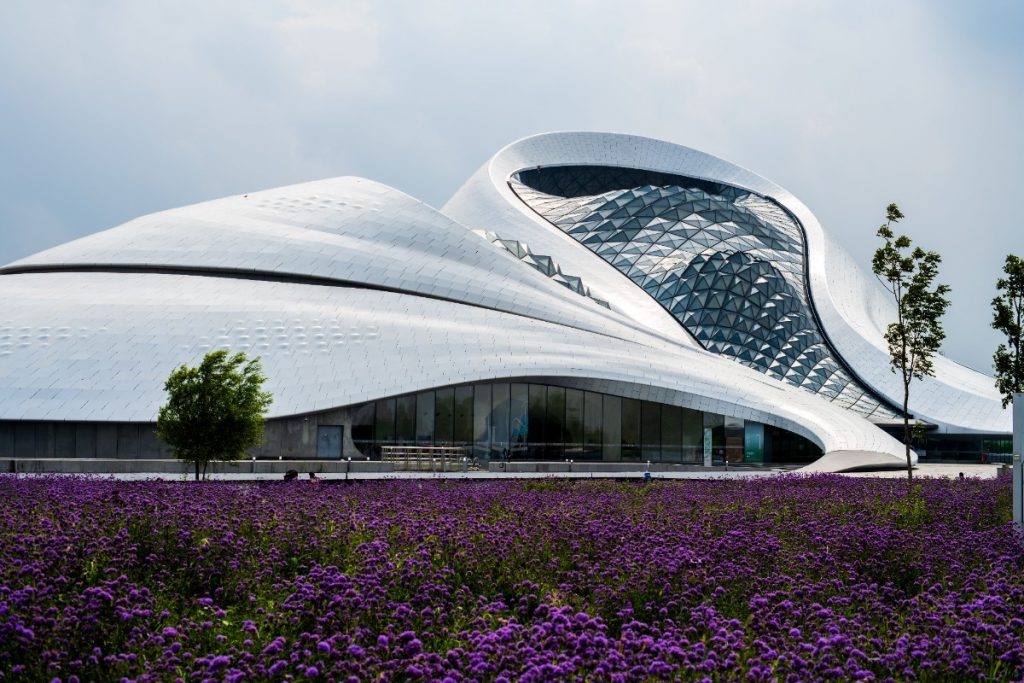
Few buildings blend into their landscape as seamlessly as the Harbin Opera House. Designed by Ma Yansong and his team at MAD Architects, the flowing structure appears sculpted by wind and snow, reflecting the harsh yet beautiful environment of northern China. Since opening, the venue has welcomed renowned performers including Lang Lang, the China National Symphony Orchestra and leading international ballet companies. Inside, warm timber surfaces contrast dramatically with the icy exterior, creating an atmosphere that feels simultaneously futuristic and deeply human.
Sydney Opera House, Australia
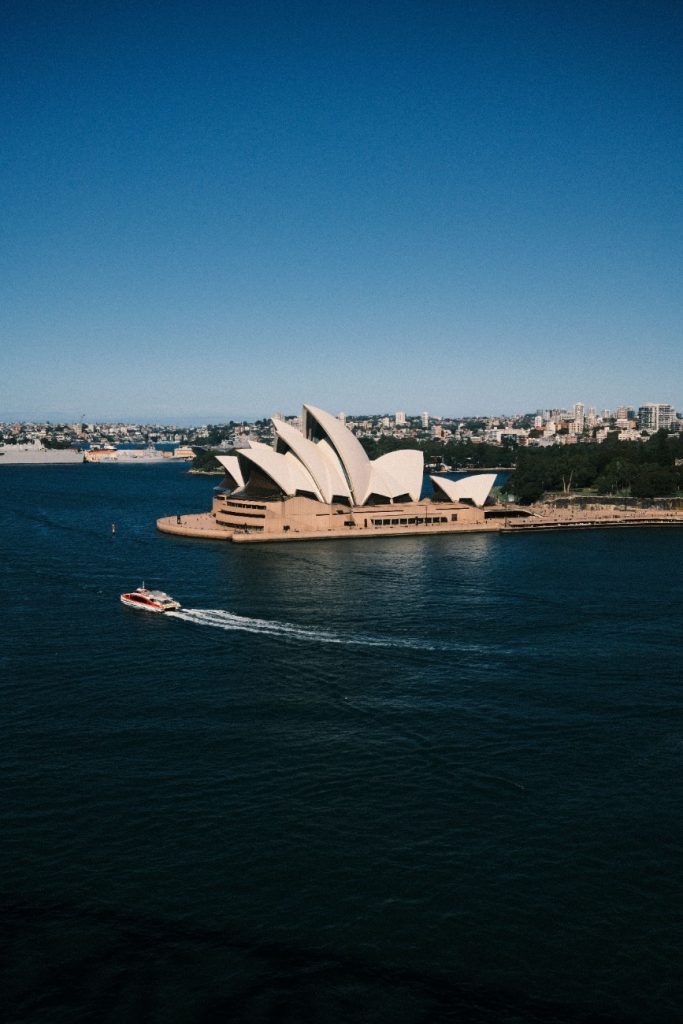
Some buildings become symbols of entire nations. Sydney Opera House is one of them. With its sail-like shells rising above Sydney Harbour, it remains one of the most recognisable structures ever created. The list of artists who have performed here reads like a hall of fame. Luciano Pavarotti captivated audiences with his unforgettable performances. Elton John, Paul McCartney and Bob Dylan have all graced its stages. More than five decades after opening, it remains one of the world’s premier destinations for opera, classical music, contemporary performances and cultural celebrations.
CKK Jordanki, Toruń, Poland
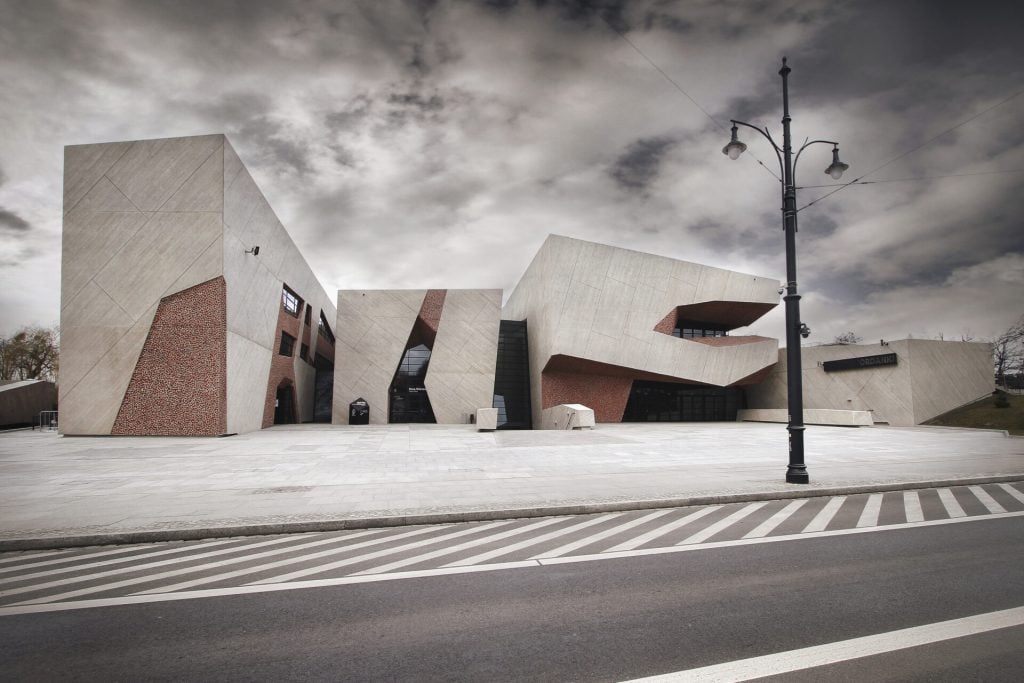
If most concert halls are musical instruments, then CKK Jordanki in Toruń is a Stradivarius wrapped in contemporary concrete. Designed by renowned Spanish architect Fernando Menis, the venue is celebrated for its revolutionary “picado” construction technique, where crushed brick is embedded into concrete to create extraordinary acoustic warmth. Opened in 2015, the hall’s jagged, sculptural form appears almost volcanic from the outside, yet inside it delivers a rich and intimate sound experience that has made it one of Europe’s most respected modern performance spaces. The venue is home to the Toruń Symphony Orchestra and regularly hosts the Probaltica Music Festival. Distinguished performers and ensembles including Krzysztof Penderecki, Nigel Kennedy and the Academy of St Martin in the Fields have graced its stage. In a country steeped in classical music tradition, CKK Jordanki proves that innovative architecture can be every bit as important as the musicians themselves.
Also Read: How Vincent Van Duysen Redefined Contemporary Architecture Through Minimalism
When Architecture Learns To Sing
What makes these venues remarkable is not simply their beauty. Plenty of beautiful buildings exist. What elevates them is their ability to disappear the moment the music begins. The architecture becomes invisible, the engineering becomes silent, and all that remains is sound. That is the magic of a truly great concert hall. It is neither a building nor a stage. It is an instrument. And in the hands of legends, from Pavarotti and Domingo to Lang Lang and Yo-Yo Ma, these extraordinary spaces become masterpieces every bit as memorable as the performances they host.