Luxury Isn’t About The Price Tag Anymore, It’s About The Story Behind It
Logos are shrinking. Fabric, construction, provenance are the new markers of value. The question is no longer What are you wearing but How is it made?
There was a time when luxury announced itself before you entered the room. A logo on the chest, a monogram on the bag, a belt buckle that did not whisper—it declared. Today, that language feels almost dated. Walk into the right rooms now at private dinners or gallery previews, boardrooms, and the signals have changed. The loud markers have receded. In their place: a perfectly cut jacket that reveals itself only in movement, a handwoven textile whose value lies in the hours it carries, a watch that only another collector would recognise. Nothing screams for attention. It just feels right and it lasts. This is quiet luxury, not a passing trend, but a more thoughtful way of choosing and living.
The shift is visible on red carpets and off-duty wardrobes alike. Celebrities are increasingly choosing restraint over recognition. Meghan Markle has become synonymous with neutral palettes, clean tailoring and brands that prioritise craft over logos. Kendall Jenner is often seen in understated silhouettes with simple knits, well-cut trousers, minimal accessories, where the focus is on fit rather than flash. Closer home, Deepika Padukone has steadily moved towards structured, logo-free looks, while Sonam Kapoor, once associated with high-fashion maximalism, now balances statement pieces with quieter, more considered styling. The message is subtle but clear: in a world that is constantly on display, true luxury no longer needs to be seen.
At its core, quiet luxury is not about spending less. It is about spending differently. The shift is from visibility to discernment, from branding to materiality. The question is no longer “What are you wearing?” but “How is it made?” Fabric, construction, provenance have become the new markers of value.
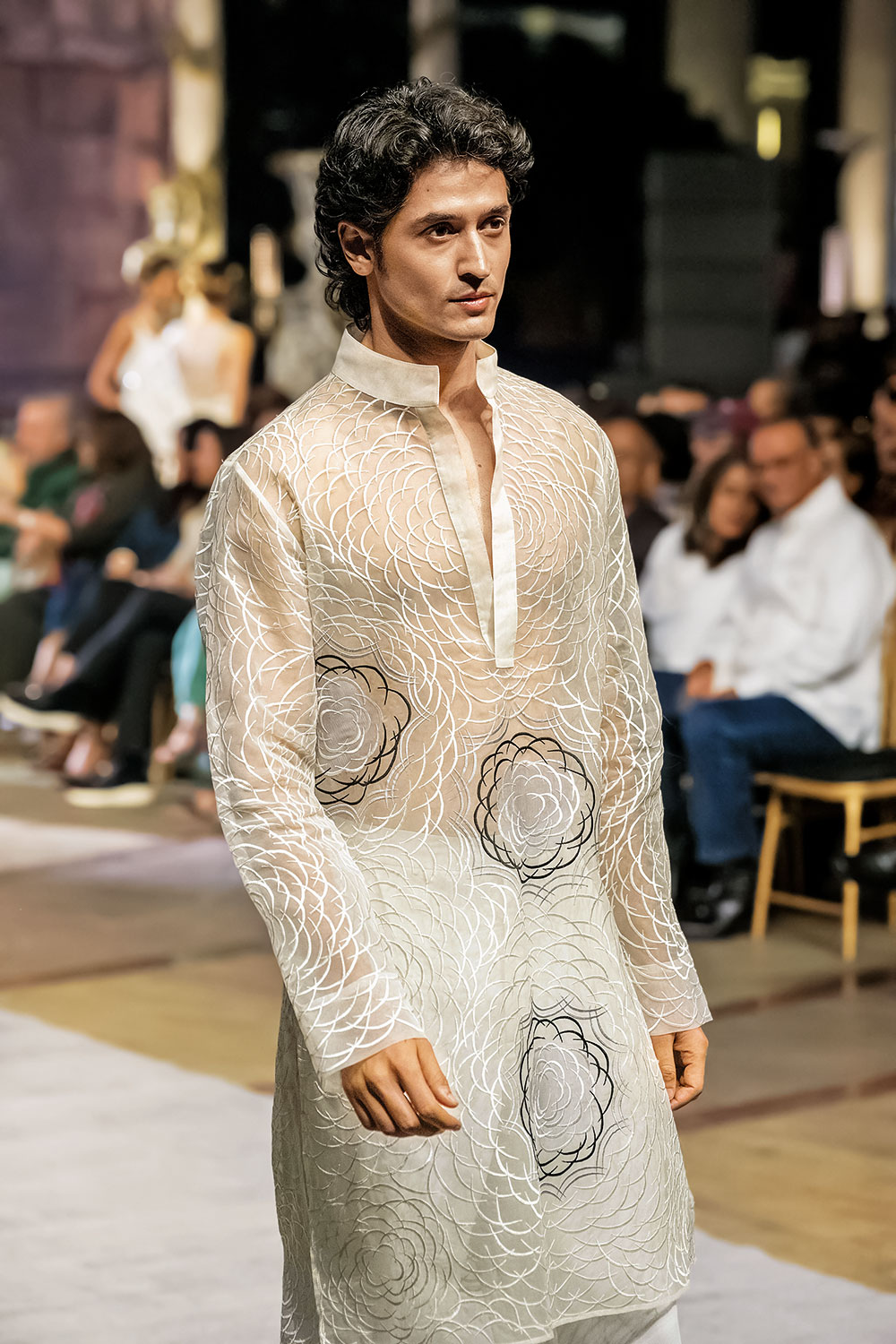
Craft Over Logos
Designers and houses are responding. Logos are shrinking, sometimes disappearing altogether. In their place, there is an almost obsessive return to craft: cashmere that feels like second skin, silks that hold memory, tailoring that is engineered rather than stitched. Fit has become a form of identity. Texture, a form of expression.
“I have always been against logos,” says fashion designer Ravi Bajaj. “Value is perceived by quality, service, exclusivity and, finally, consistency of all three.” For Bajaj, the shift is not surprising—it was inevitable. “Aspirational markets rely on brands like crutches. Logos are the easiest way to announce one’s arrival,” he says.
That logic, however, is beginning to crack. The new consumer, particularly Gen Z, is rewriting the codes. Bajaj calls them “inverted snobs”—a generation that seeks luxury, but refuses to wear it on the surface. The preference is clear: brands that signal to those who know, but remain invisible to those who don’t. Labels like Zegna and Brunello Cucinelli have quietly become markers of this shift—favoured not for visibility, but for restraint.
Globally, this transition is visible across markets. Even in historically logo-driven economies, the change is palpable. The queues outside legacy logo-heavy stores are thinning in more mature luxury hubs, while quieter houses continue to expand. The message is clear: evolution in luxury is not just about wealth—it is about taste maturing over time.
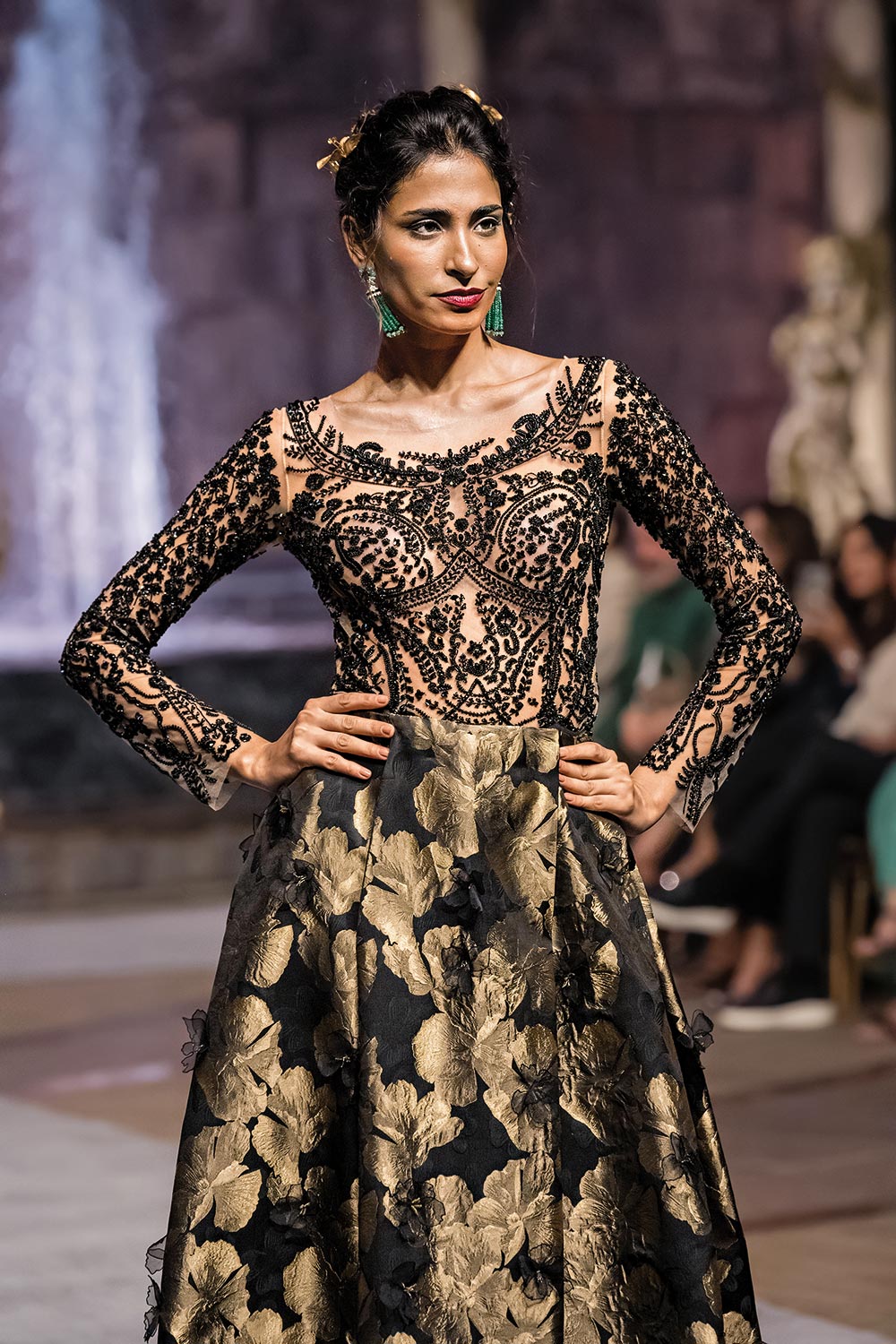
Quiet Luxury Is Not Minimalist
But beneath this global narrative lies a more nuanced question: is quiet luxury universal, or is it culturally coded?
“For me, quiet luxury is a philosophy, a way of living, rather than a trend,” says Payal Khandwala. “It is a relative concept shaped by context. A Eurocentric lens might find brocade antithetical to quiet luxury. For me, brocade—and the way I approach it—has the philosophical underpinnings of quiet luxury.” Her perspective reframes the conversation. In India, where richness of textile has historically signified both artistry and status, quiet does not necessarily mean minimal. It can exist within complexity.
Khandwala is also cautious about overstating the shift. “There is certainly a growing customer base subscribing to quiet luxury as a philosophy. But it continues to be fairly niche, and I wonder if, for many, it is still an aspirational trend rather than a deeply held value.” That distinction matters. Because if logos were once the shorthand of aspiration, quiet luxury demands something far more exacting: understanding. It requires the consumer to recognise design discipline, to appreciate restraint, to value what is not immediately visible.
“Design discipline is what establishes recognisability,” she says. “A clear, intentional design language reflects a unique worldview. Through my work, I try to communicate a philosophy built on precision—whether in material, colour palette or construction. The product should speak for itself, without overt symbols guiding the customer.”
For designers like Rahul Khanna of Rohit Gandhi + Rahul Khanna, this shift has been both gradual and deeply considered. “For us, luxury has always been rooted in restraint, but the way it expresses itself has evolved,” he says. “Earlier, there was an expectation around opulence—more surface, more visibility. Over time, we’ve come to value a quieter confidence.” That confidence, he suggests, is what defines the current moment. “Today, luxury feels more personal. It’s about how something is made, how it fits and how it lasts. Restraint is no longer about holding back—it’s about being precise. Knowing what to include, and more importantly, what to leave out. That shift has made luxury feel deeper and more intentional.”
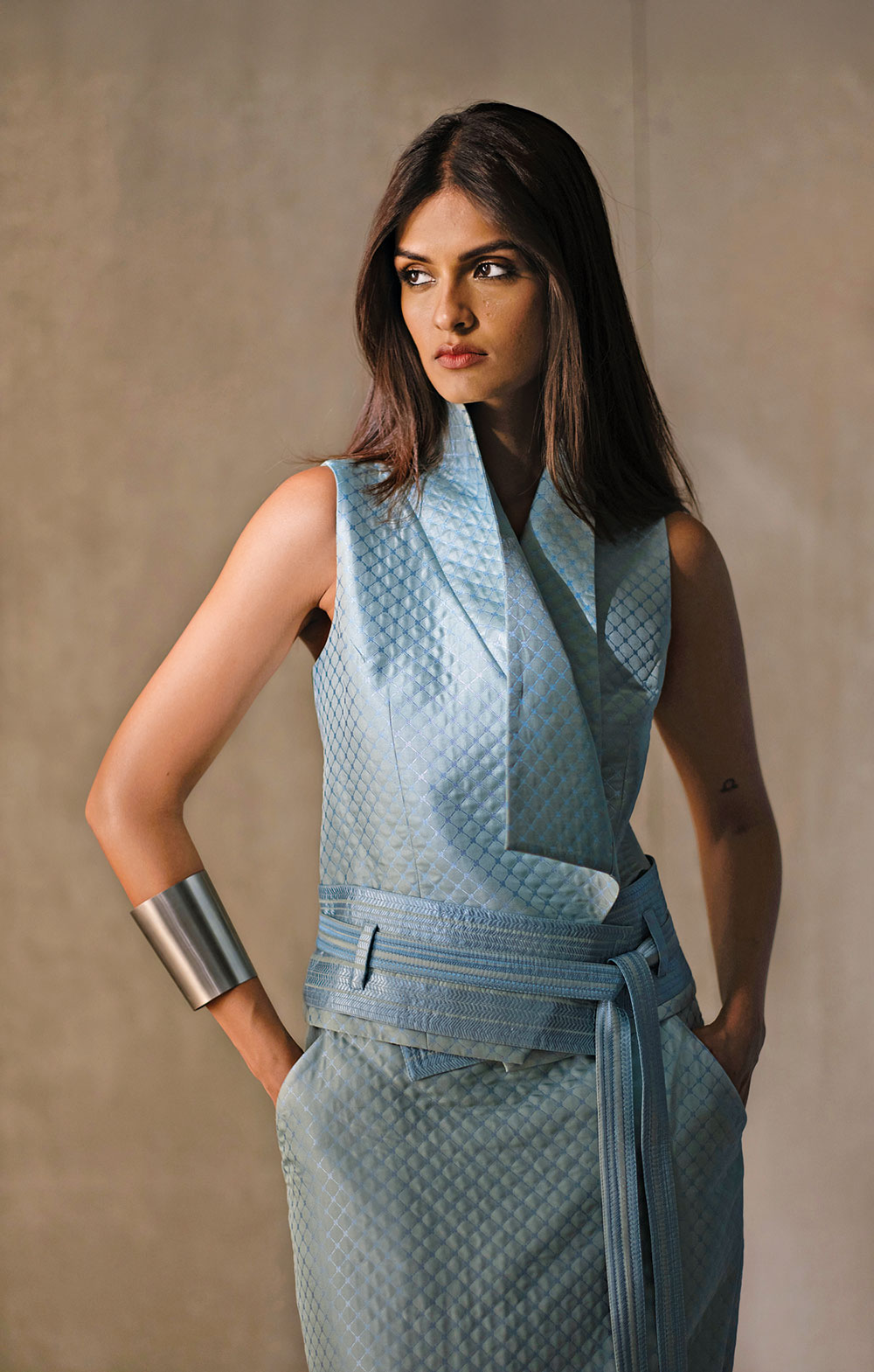
When Logos Become Subtle Details
Importantly, Khanna pushes back against the idea that logos themselves are the problem. “There’s been a tendency to vilify the logo, but the issue is really the intent behind how it’s used,” he explains. “When it’s loud or overly prominent, it can feel like it’s there to justify value rather than add to the garment. But a logo can be incorporated in a far more nuanced way—as part of the craftsmanship, through embroidery, as a small charm, or as a subtle detail woven into the design.”
In that sense, quiet luxury is not about elimination, but integration. When branding becomes part of the garment’s narrative rather than its headline, it ceases to feel intrusive. “When it becomes part of the story of the piece, it doesn’t feel out of place,” Khanna adds. “Ultimately, when logos step back, the focus shifts to cut, fabric and finish.”
From Display To Depth
This idea of depth is central to understanding why quiet luxury has gained momentum. In an age of hyper-visibility where everything can be displayed, shared and consumed instantly, there is a growing fatigue with the obvious. The new luxury consumer is not looking to impress the room. They are looking to invest in something that holds meaning beyond the moment.
Which is why quiet luxury is not just about fashion. It is visible in homes where materials replace ornamentation—stone over shine, wood over gloss. In sound systems that are concealed within walls rather than showcased. In objects that integrate rather than interrupt.
In India, this evolution feels less like a departure and more like a return. The handloom, the irregular weave, the quiet excellence of craft; these have always existed. What is changing is the lens through which they are viewed. Craft is no longer heritage alone. It is strategy.
Also Read: Interview: Gaurav Gupta On Returning To The Primordial With ‘Lha: The Moving Spirit’