Vaishali Shadangule: A Look At The High Priestess Of Indian Drapes
Truly original and unabashedly rooted, couturier Vaishali Shadangule’s story is akin to that of Alice in Wonderland. A tale of a young girl lost in the wondrous world of Indian weaves that to her always remained living surfaces swathed with memories and emotions. A country girl, born in the tony town of Vidisha, Vaishali is […]
Truly original and unabashedly rooted, couturier Vaishali Shadangule’s story is akin to that of Alice in Wonderland. A tale of a young girl lost in the wondrous world of Indian weaves that to her always remained living surfaces swathed with memories and emotions. A country girl, born in the tony town of Vidisha, Vaishali is the high priestess of Indian drapes. Her stores in Kala Ghoda, Mumbai and Boulevard Saint-Germain Paris, celebrate the wealth of Indian weaves that in her hands turn into mystical forms.
Excerpts from interview:
You are identified as a designer with a deep love for classic weaves. How did this love affair with authentic handwoven textiles begin?
Growing up, textiles were never ornamental to me; they were living surfaces carrying memory, labour, and time. When I launched my label in 2001, it felt instinctive to centre my work around handloom because it allowed me to work at the intersection of culture, craft, and design integrity. Handwoven textiles have an honesty to them; no two metres are identical, and that imperfection became the foundation of my design language.
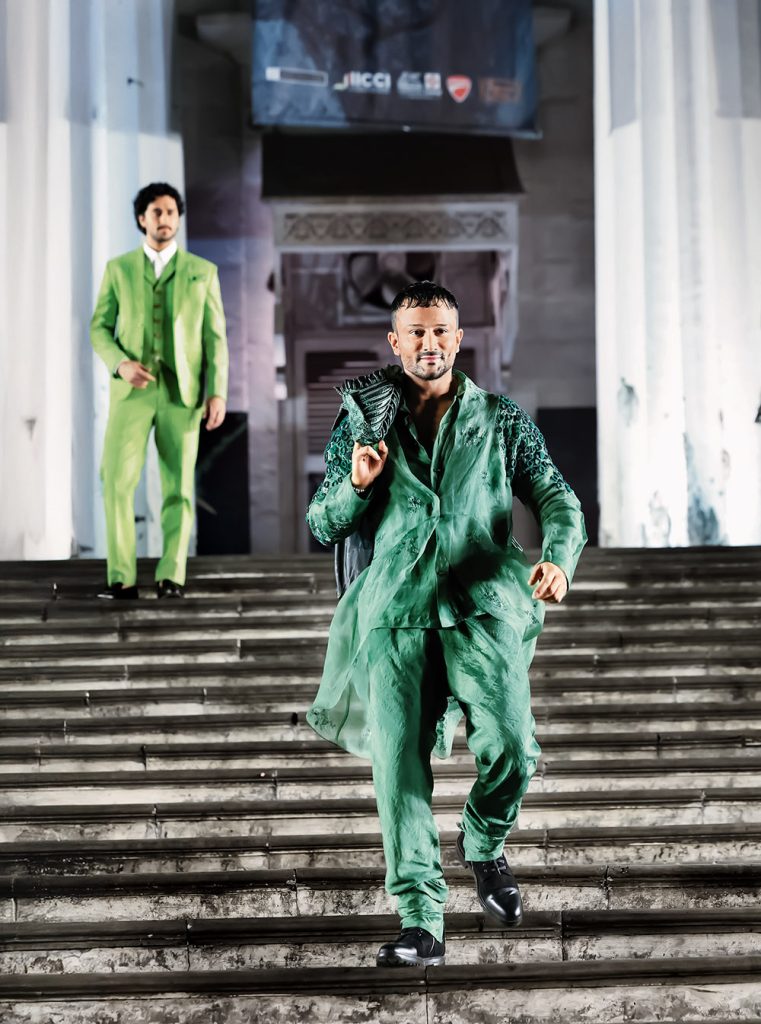
You have played an integral role in promoting Indian crafts on a global platform. Can you talk about this process and the challenges you faced along the way?
One of the biggest challenges has been scale versus integrity. Craft does not function on industrial timelines, and global platforms demand consistency. Bridging that gap required patience, deep trust with artisans, increasing the cluster of weavers slowly from one to 4500 around the country and a refusal to dilute processes for convenience. Presenting Indian handlooms on international stages has always meant educating audiences about the pride of India and communicating the value of the hands behind them.
Sustainability has become a fashionable word today but it has always been an inherent part of your design campaign. What gravitated your thoughts in this direction when you began your career?
For most brands, the word sustainability has become a marketing gimmick. Not for me. For me, sustainability was a by-product of working honestly with handloom and reusing all leftovers to make home furnishings, bags, and accessories. When you work with natural fibres, slow processes, and skilled artisans, sustainability becomes embedded by default. Long before the term entered fashion vocabulary, my focus was on longevity, minimal waste, and respectful production.
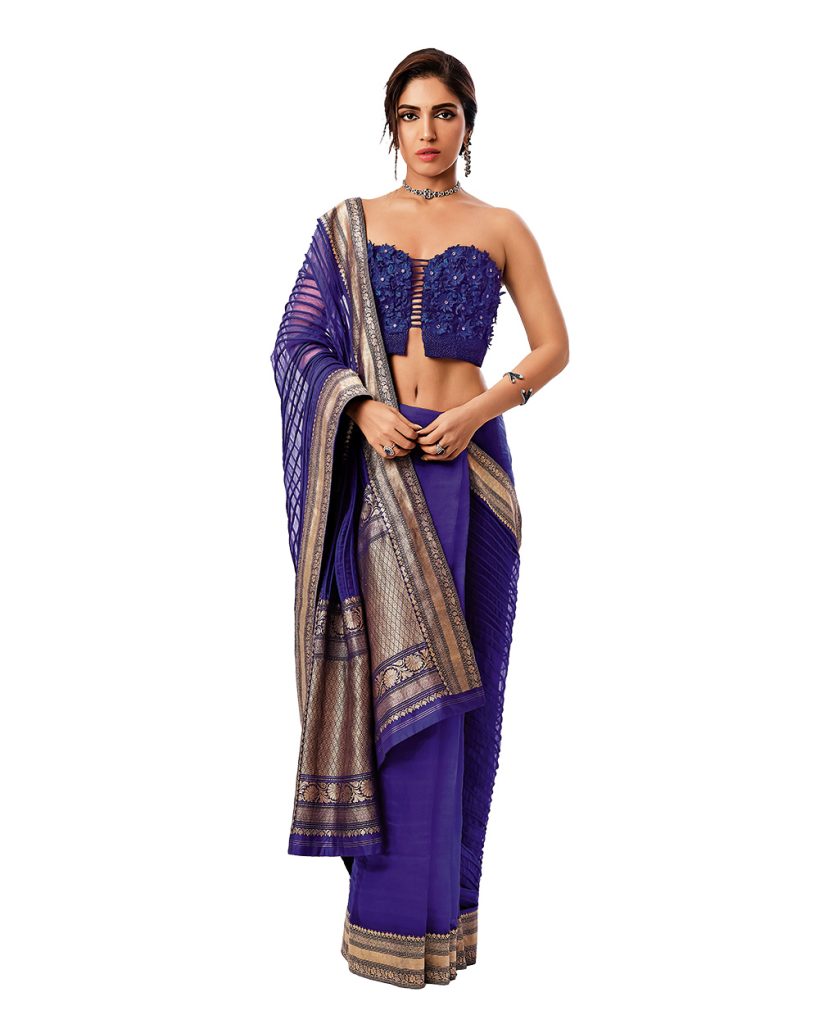
Your clothes can be easily passed down to the next generation, given their longevity. Is this inspired by your small-town upbringing, where the focus is often on reusability?
Minimalism, for me, is a discipline. It comes from respecting material and labour. While my upbringing certainly shaped my understanding of value and reuse, my approach to minimalism today is deeply design-driven. My mother used to never throw out garments and reuse them as rags. I learnt all of this early on. Today we never waste in the factory. Every cut, drape, and layer is intentional. When garments are thoughtfully constructed, they naturally lend themselves to longevity.
You travelled into Guledgudda in Karnataka to gain insights into Khun, a traditional fabric and have reimagined it in a pathbreaking manner, with your design expertise. How did you discover this fabric and what made you believe in its versatility so passionately?
Khun is a remarkable textile with a strong cultural identity, traditionally rooted in local dress. Discovering it was part of a larger exploration into regional weaves that possess untapped design potential. What struck me was its structural strength and graphic quality … qualities that lent themselves beautifully to reinterpretation.
You were the first Indian woman to showcase at the Paris Haute Couture Week in 2021. How did this invitation come your way?
The invitation came as a recognition of sustained work in handloom couture rather than a single moment. Presenting at Paris Haute Couture Week was about positioning Indian craft within the global couture conversation. It affirmed that handwoven textiles, when treated with rigour and respect, belong on the world’s most prestigious fashion platforms. Yes, I was the first woman from India to showcase there.
You have participated in multiple Fashion Weeks across the globe. What has been your takeaway from these experiences?
Global fashion platforms teach you discipline, consistency, and clarity. They reinforce the importance of storytelling through values. Each experience strengthened my belief that authenticity resonates universally. When design is rooted in truth, it transcends borders. Away from the empty noise, it was a silent affirmation and validation of my craft and how its acceptance was as universal as it was rooted in authenticity.
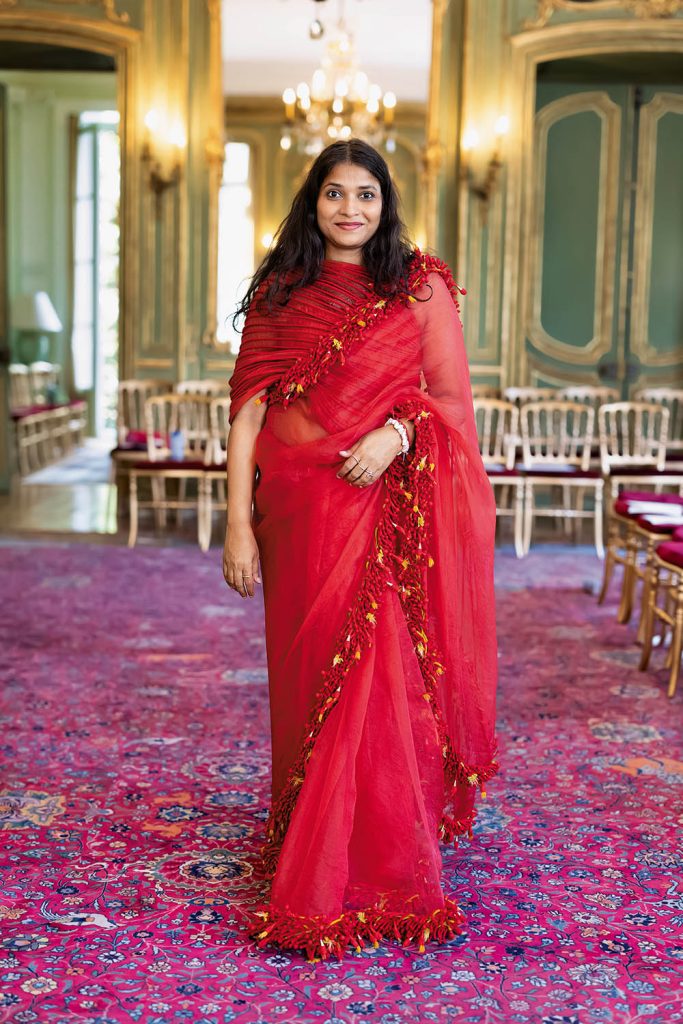
You are renowned for your organic draping process, which drapes the silhouette in a perfect fit. You are identified for your structural layering and painstaking hand finishing. How important is it for a designer to have a strong brand USP in current times where the fashion industry is mushrooming with designers?
In today’s saturated fashion landscape, a strong and authentic USP is non-negotiable. Trends are transient, but a design philosophy built on technique, process, and identity endures. For me, drape, structure, and hand finishing are the architecture of the garment. When a designer invests deeply in craft and construction, the brand naturally differentiates itself without having to chase relevance.
You have opened your first international flagship store in Paris in 2023. What made you select this city, and what has the response been?
Paris represents the pinnacle of craftsmanship, couture, and fashion dialogue. Opening a flagship store there felt like a natural extension of my journey rather than a strategic milestone. The response has been deeply encouraging intellectually. Clients engage with the story, the process, and the philosophy behind the garments, the barcode tech that enables supply chain transparency, which is incredibly rewarding.
You have completed 25 years in the business. When you look back at the young girl who started her career over two decades back, what would you like to tell her?
I would tell her to trust the journey and remain uncompromising about values. Fashion evolves, markets shift, but integrity is timeless. Staying rooted while remaining curious has been my greatest strength, and I would encourage her to embrace patience because meaningful work takes time. Be true to your craft. Don’t get carried away by competition or people trying to bring you down. You wake up every morning – get up, dress up and never give up.