How Certain Engines Cross 300,000 Kms Without Major Repairs
Some engines do not merely survive mileage, they treat 300,000 kilometres like a warm-up lap through stronger architecture, better balance, and engineering that values longevity over drama, these machines prove that real performance is measured in decades, not just speed
There is something deeply satisfying about a car crossing 300,000 kilometres and still starting every morning with the confidence of a Swiss banker. No drama. No smoke. No desperate warning lights glowing like a Christmas tree. Just a turn of the key, or these days, a polite press of a button, and off it goes again as if mileage were merely a suggestion. Some engines are like that. They are not built for headlines or drag-strip glory. They are built to last. Quietly. Relentlessly. Almost offensively reliable. And the reason is not magic. It is engineering. Take the inline-six, for example. This is one of the greatest engine layouts ever conceived because it is naturally balanced. The pistons move in harmony, cancelling vibrations without needing complicated balancing tricks. Less vibration means less stress on internal components, which means bearings, crankshafts, and mounts live longer.

It is mechanical common sense dressed as elegance. This is why manufacturers like BMW and Mercedes-Benz built reputations around their straight-six engines. They are smooth, durable, and capable of running for absurd distances if serviced properly. Some old inline-sixes seem less like engines and more like geological formations. Then you have the V6. Slightly more compact, easier to package, and widely used in everything from family sedans to luxury SUVs. A good V6 can be tremendously durable, especially when it is not forced to produce ridiculous power figures. Japanese V6 engines from brands like Toyota and Honda have become almost mythical for crossing 300,000 kilometres with the mechanical enthusiasm of a bored civil servant.
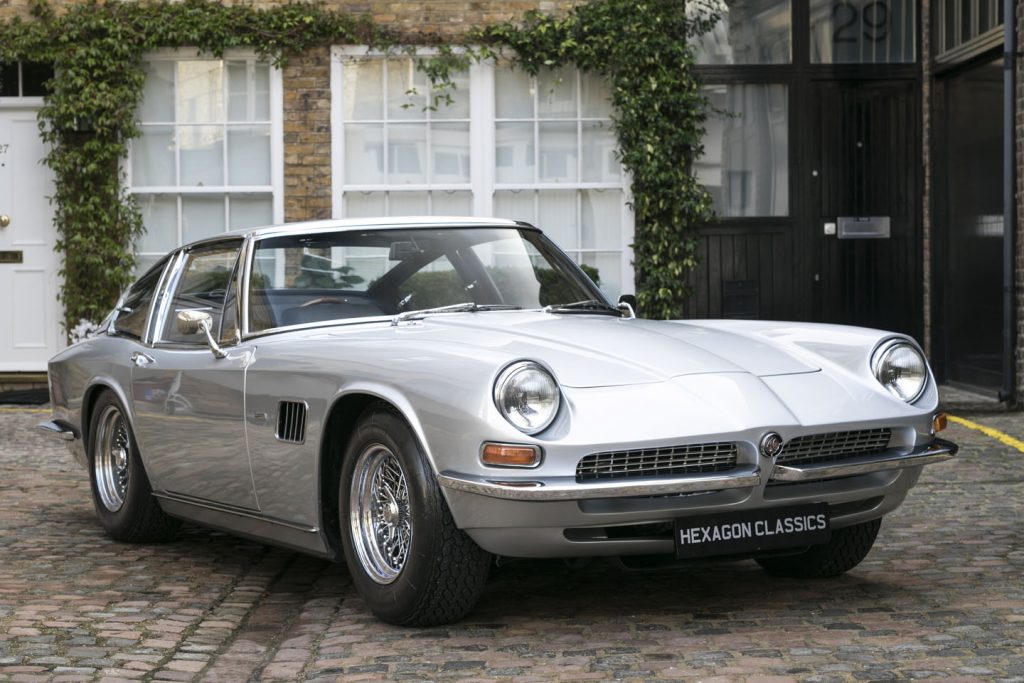
The key is moderation. Engines tuned for smooth torque delivery rather than theatrical horsepower tend to live longer. They are not constantly straining, and that matters. Now let us talk about the V8, because every sensible conversation about engines should eventually arrive there. A V8 is often seen as excessive, and yes, sometimes it is. But when engineered correctly, especially in naturally aspirated form, a V8 can be astonishingly robust. Large displacement means the engine does not need to work as hard to make power. It can loaf along at lower RPM, producing effortless torque without stress. Less strain, less wear.
American V8s, in particular, have a reputation for surviving apocalyptic mileage because they are often understressed and gloriously simple. Big blocks of metal doing uncomplicated things for a very long time. It is not sophistication. It is stubbornness. Then comes the V12, which sounds extravagant because it is. But technically, it is magnificent. Like two inline-sixes joined together, a V12 is exceptionally smooth and balanced. There is almost no vibration, and power delivery feels endless and refined. In grand touring machines from Ferrari, Aston Martin, and Rolls-Royce Motor Cars, the V12 is not just about speed, it is about effortless motion.
Also Read: How Winter Weather Reduces EV Battery Range And What Drivers Can Do
Of course, maintaining one costs roughly the same as funding a small nation, but mechanically, a well-built V12 can endure remarkably well because the workload is spread across more cylinders. Each cylinder does less work. The engine breathes easier. And then modern engineering added a clever twist: cylinder deactivation. This is where things get properly interesting. Some V6, V8, and even V12 engines can shut down half their cylinders when full power is not needed. Cruising gently on a highway? Your V8 may quietly become a V4. Need overtaking power? All eight cylinders wake up instantly.
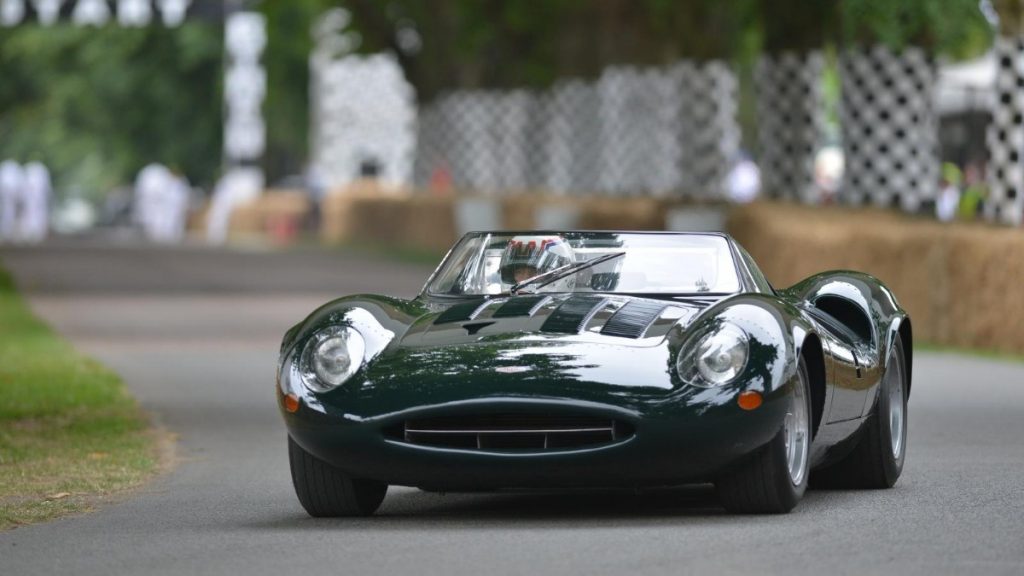
This reduces fuel consumption, lowers heat, and cuts wear during everyday driving. The engine avoids unnecessary effort, which helps longevity. It is rather like having a team of horses but only using the ones you need until the road gets steep. Systems like this are common in modern luxury cars and performance machines because efficiency now matters almost as much as power. Even monsters must behave politely. But here is the real secret behind 300,000 kilometres: maintenance.
You can have the finest inline-six in history, but if you ignore oil changes and treat coolant like an optional suggestion, it will die. Reliability is not only designed in, it is maintained in. Regular servicing matters more than badge prestige. The simple truth is this: engines that last are usually the ones built with balance, cooling, proper tolerances, and a refusal to chase unnecessary extremes. Because true greatness in an engine is not how loudly it announces itself on day one. It is whether, fifteen years later, it still starts on a cold morning and reminds you that durability is the most underrated luxury of all.