How Rejection Built Some Of The World’s Most Iconic Automobile Giants
Again and again, the industry underestimated ambitious outsiders, only to watch them return years later with machines that would embarrass the very companies that rejected them in the first place
The history of the automobile industry is often told through lap times, horsepower figures, Nürburgring records, and men in expensive jackets explaining aerodynamics as though they invented gravity itself. But beneath all the polished aluminium, V12 engines, and carbon fibre theatre lies something far more human and considerably more entertaining: spite. Because some of the greatest performance car companies on Earth were not born out of peaceful innovation or careful business strategy. They were born because somebody, somewhere, was insulted, underestimated, ignored, or laughed out of a room. And if there is one thing the automotive world has consistently proven over the last century, it is this: never mock a man who is both ambitious and mechanically gifted. That combination tends to create monsters. The sort of monsters with naturally aspirated V12s, absurd wings, and price tags large enough to buy a small island. Again and again, the industry establishment dismissed outsiders who later returned with machines so extraordinary they reshaped the entire automotive landscape. From Alfa Romeo unintentionally creating Ferrari, to Ferrari provoking the birth of Lamborghini, and Lamborghini underestimating Pagani, the story of the supercar is, quite remarkably, a story about rejection. Outlook Luxe takes a look at how bruised egos, slammed doors, and relentless determination created some of the most iconic automotive giants the world has ever seen.
When Rejection Becomes Horsepower
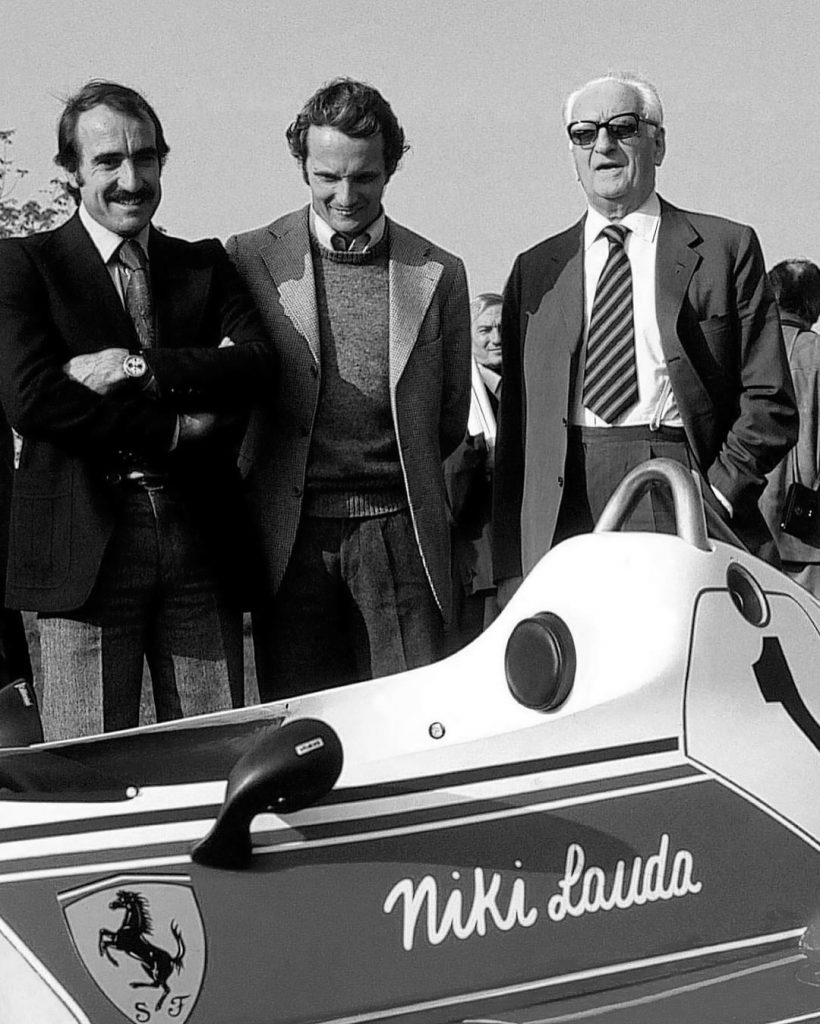
Before Ferrari became the red-blooded symbol of speed, Formula One glory, and financial irresponsibility, Enzo Ferrari was working under Alfa Romeo, managing its racing operations through Scuderia Ferrari. But as Alfa tightened control over its motorsport division, Enzo slowly found himself pushed into the shadows, eventually leaving the company in 1939 with restrictions that initially stopped him from even using his own surname on a car. Most people would have retired quietly and purchased a vineyard. Enzo Ferrari instead created Ferrari, a company that would eventually become larger, more glamorous, and infinitely more feared than the very brand that rejected him.
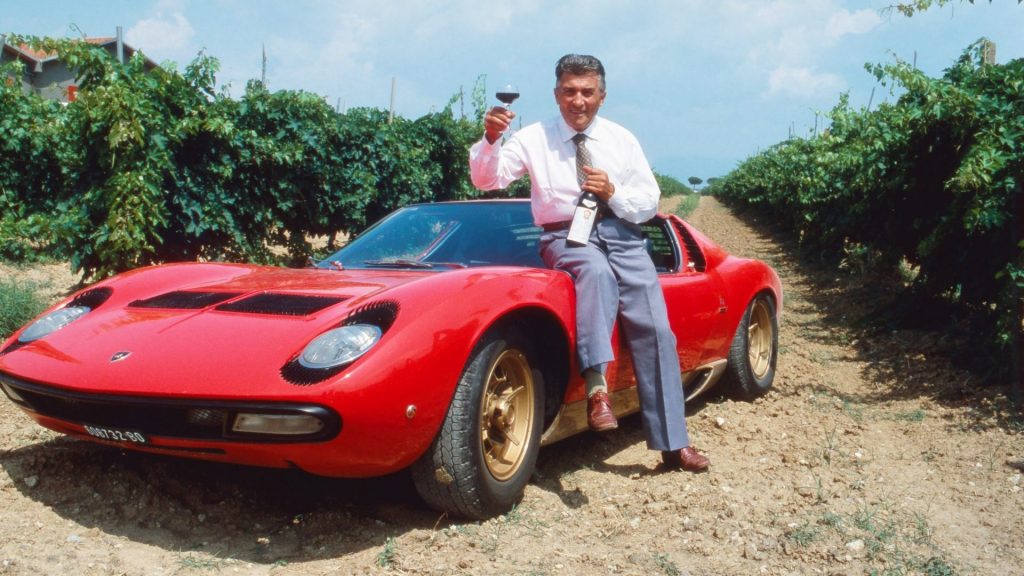
Then came perhaps the most famous automotive insult in history. Ferruccio Lamborghini, already wealthy from building tractors, approached Ferrari with complaints about unreliable clutches and suggestions on how to improve them. Enzo reportedly dismissed him by suggesting a tractor manufacturer had no business criticising sports cars. Which, in hindsight, was a bit like telling a volcano to calm down. Furious but determined, Ferruccio founded Lamborghini in 1963 and created machines that looked faster than most aircraft parked at Heathrow. The Miura, Countach, and later the Diablo transformed Lamborghini into the rebellious anti-Ferrari, a brand built almost entirely on wounded pride and outrageous ambition.
The Cycle Continues
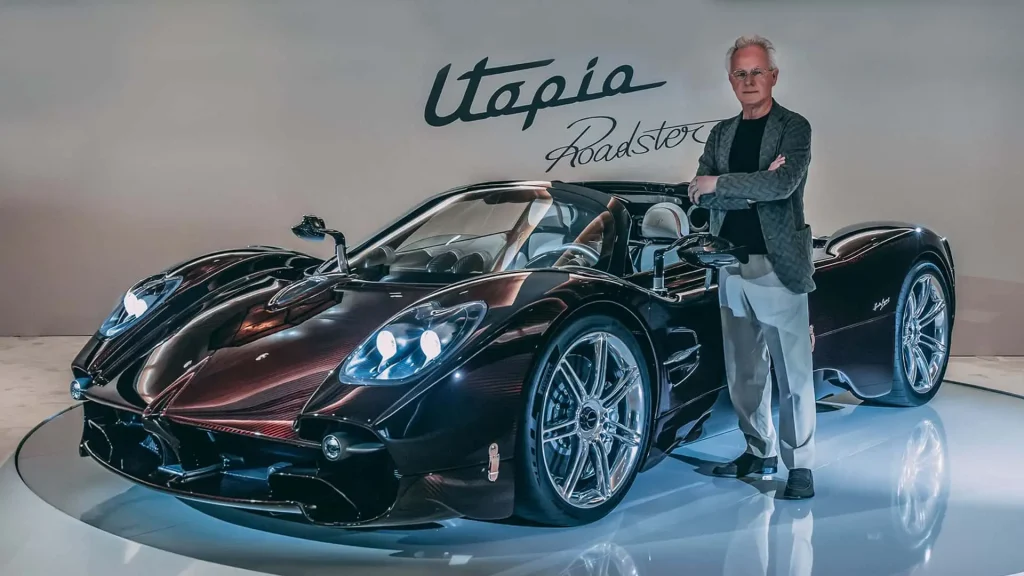
And then, because the automotive world enjoys irony almost as much as it enjoys horsepower, Lamborghini itself repeated the mistake. Horacio Pagani worked inside Lamborghini during the 1980s and became obsessed with carbon fibre technology long before the rest of the industry fully understood its potential. He pushed the company to invest in advanced composite manufacturing and autoclave systems, but Lamborghini reportedly considered the technology too expensive and unnecessary. So Pagani left, founded Pagani, bought the technology himself, and built the Pagani Zonda, a machine so beautifully engineered it made most supercars look like kitchen appliances. The Zonda and Huayra proved that carbon fibre was not merely useful for speed, but could become sculpture, theatre, and mechanical obsession all at once.
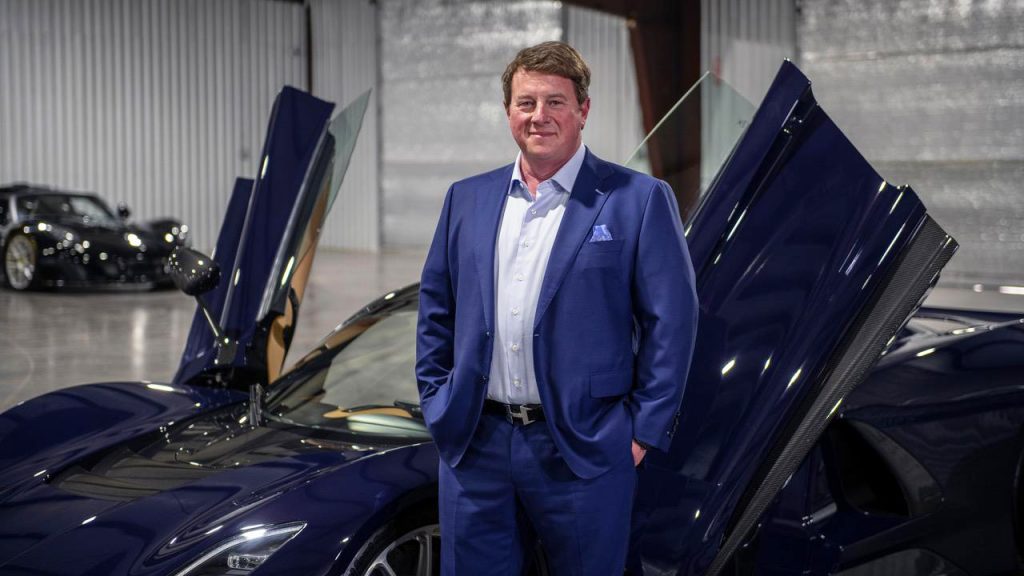
Even the relationship between Pagani and Hennessey Performance Engineering reflects this strange culture of fiercely guarded philosophies. While Hennessey pursued brutal American excess and gigantic power figures, Pagani remained committed to handcrafted artistry and obsessive detailing, protecting its identity with almost religious intensity. And that is the remarkable thing about the automotive industry. Some of the greatest brands in history were not born from harmony or polite boardroom agreements. They were born because someone somewhere was underestimated, dismissed, or told they could not possibly succeed. Which, as history repeatedly proves, is often the fastest way to create a legend.