Collector’s Guide To Dial Finishes: Identifying Rare Craftsmanship In Luxury Timepieces
Dial finishes are where artistry collides with engineering, transforming a simple surface into a canvas of obsession, heritage, and technical brilliance, where everything from ancient enamelling to modern fumé gradients tells a story of craft, patience, and precision
There is a peculiar moment in the world of fine timepieces when one realises that the dial, that seemingly innocent face staring back from the wrist, is in fact where all the madness happens. Cases may gleam and movements may hum with mechanical theatre, but the dial is where watchmakers quietly lose their sanity. It is a place of microscopic obsession, where artisans spend days, sometimes weeks, perfecting textures and finishes that most people will glance at for precisely three seconds before asking the time. And yet, for collectors, this is everything. Because the difference between ordinary and extraordinary is not measured in complications or price tags, but in how light dances across a surface no larger than a biscuit.
Brushed
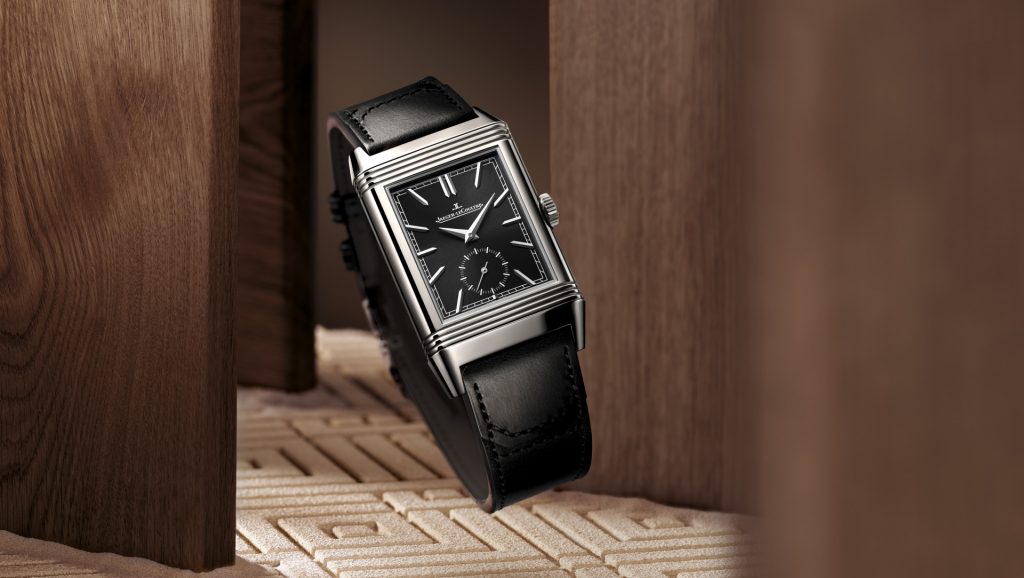
A brushed finish begins with a perfectly prepared metal blank, usually brass, which is then worked upon using fine abrasive tools or rotating brushes that draw deliberate lines across its surface. These strokes may run in a straight direction or radiate outward in a sunburst formation, each pass requiring absolute control to maintain uniformity. The process demands a steady hand and an unforgiving eye, as even the slightest inconsistency can disrupt the entire visual harmony. Once complete, the dial is carefully cleaned and often treated with protective coatings, preserving the crisp interplay of light that defines its character.
Enamelled
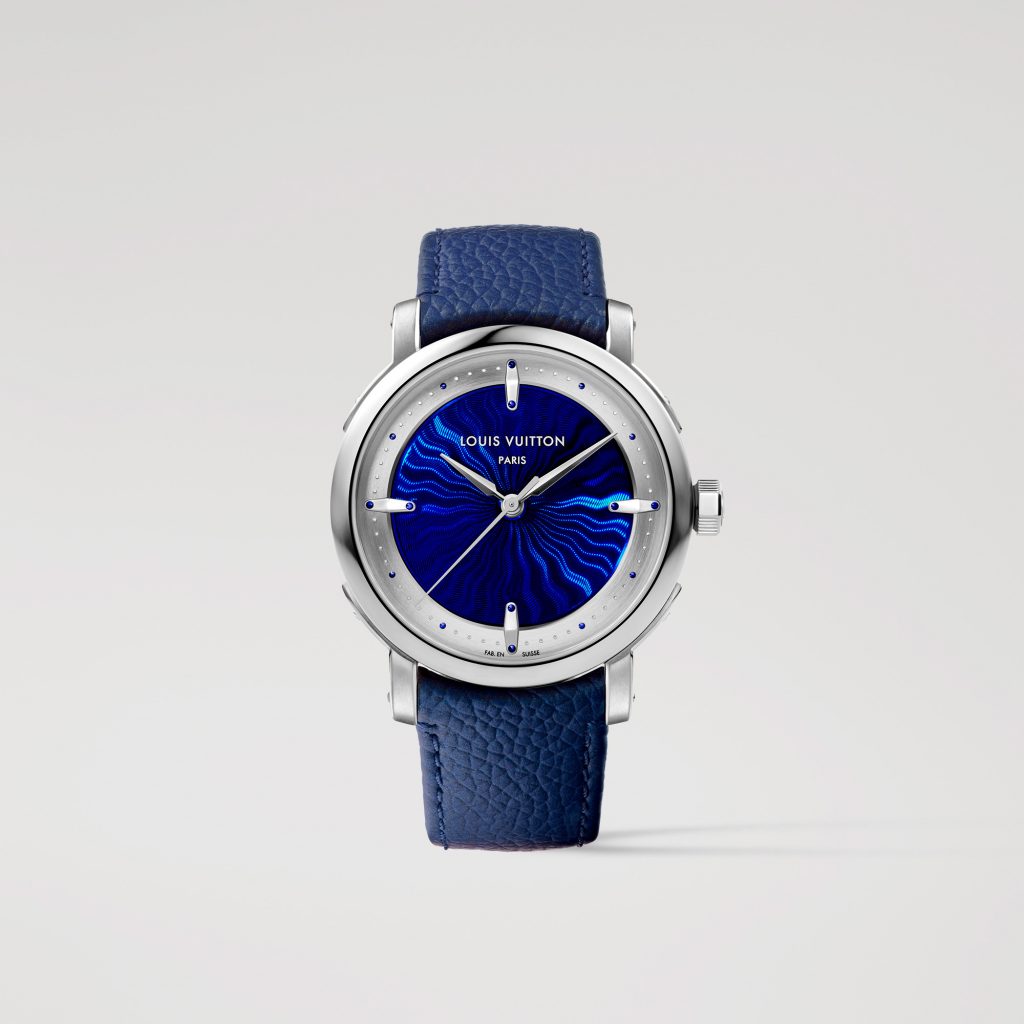
Creating an enamel dial is less a process and more a trial by fire. Finely ground glass powder is delicately applied to the dial base before being placed inside a kiln at temperatures exceeding 800 degrees Celsius. As the heat rises, the powder melts and fuses into a flawless, glass like surface. This is repeated multiple times to build depth and achieve the desired finish, whether opaque or translucent. Each firing carries the risk of cracks or imperfections, meaning many attempts are discarded before a perfect example emerges, making every successful enamel dial a quiet triumph of patience and skill.
Frosted
A frosted dial achieves its soft, shimmering texture through a controlled process of surface abrasion or chemical treatment. Traditionally, artisans would use fine brushes or even natural materials to gently roughen the metal, creating a micro textured surface that scatters light in all directions. Modern techniques may involve bead blasting or galvanic treatments, yet the principle remains the same. The goal is to produce an even, velvety finish that glows rather than reflects, requiring meticulous preparation to avoid patchiness or uneven tones.
Fumé
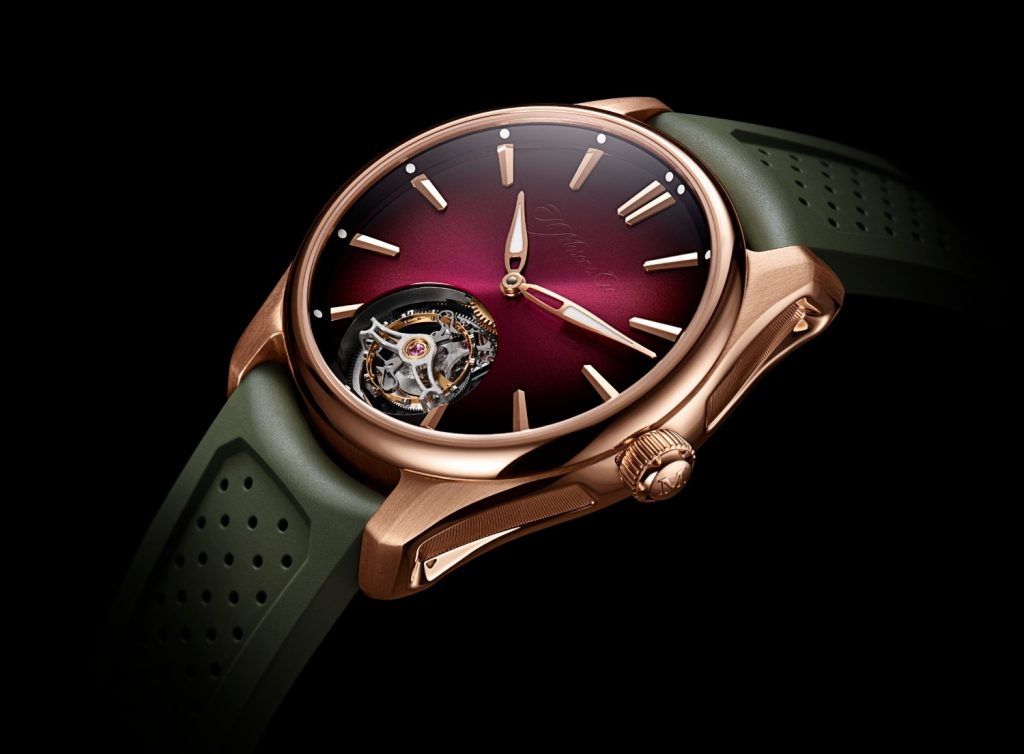
The creation of a fumé dial is an exercise in precision and timing. After the base colour is applied, darker pigments are gradually introduced toward the edges using careful spraying or layering techniques. The transition must be seamless, moving from light at the centre to deep, almost shadowy tones at the periphery. This gradient is often enhanced through repeated applications and controlled drying, ensuring the colours blend naturally without harsh lines. The result is a dial that appears to shift and breathe with changing light, its depth achieved through careful orchestration rather than chance.
Gilt
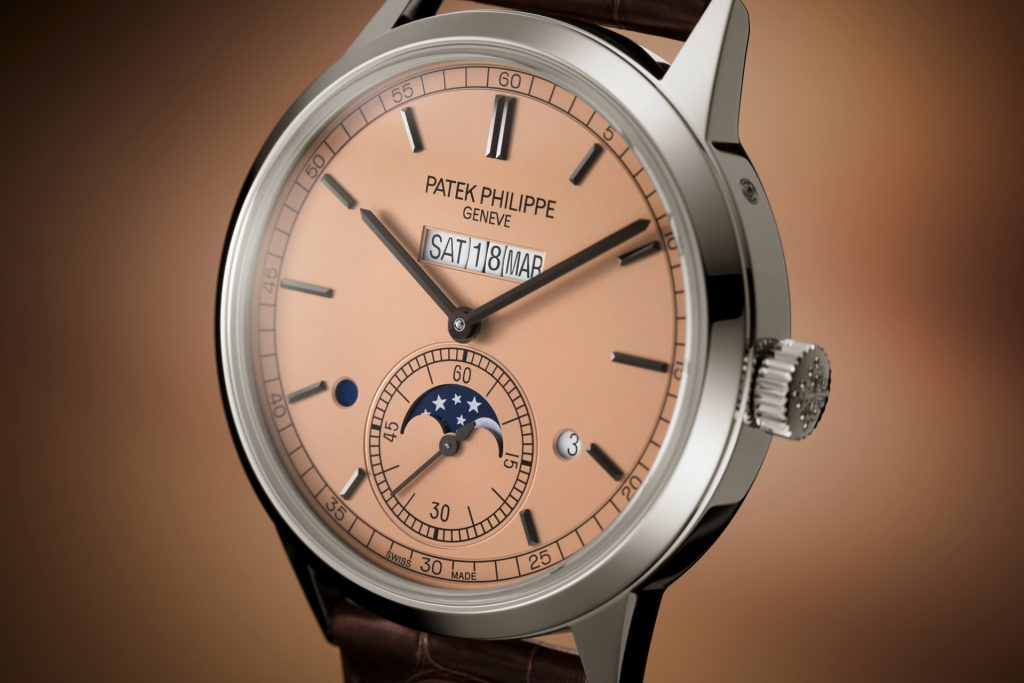
A gilt dial is produced through galvanic or lacquer based techniques that deposit a warm, golden tone onto the surface or markings. In traditional methods, the dial base is coated and then selectively treated so that text, tracks, and details emerge in a rich metallic hue. The process requires precision masking and layering to ensure sharp definition and consistency. Once complete, a protective coating is applied to preserve the finish, allowing the dial to retain its distinctive vintage warmth over time.
Guilloché
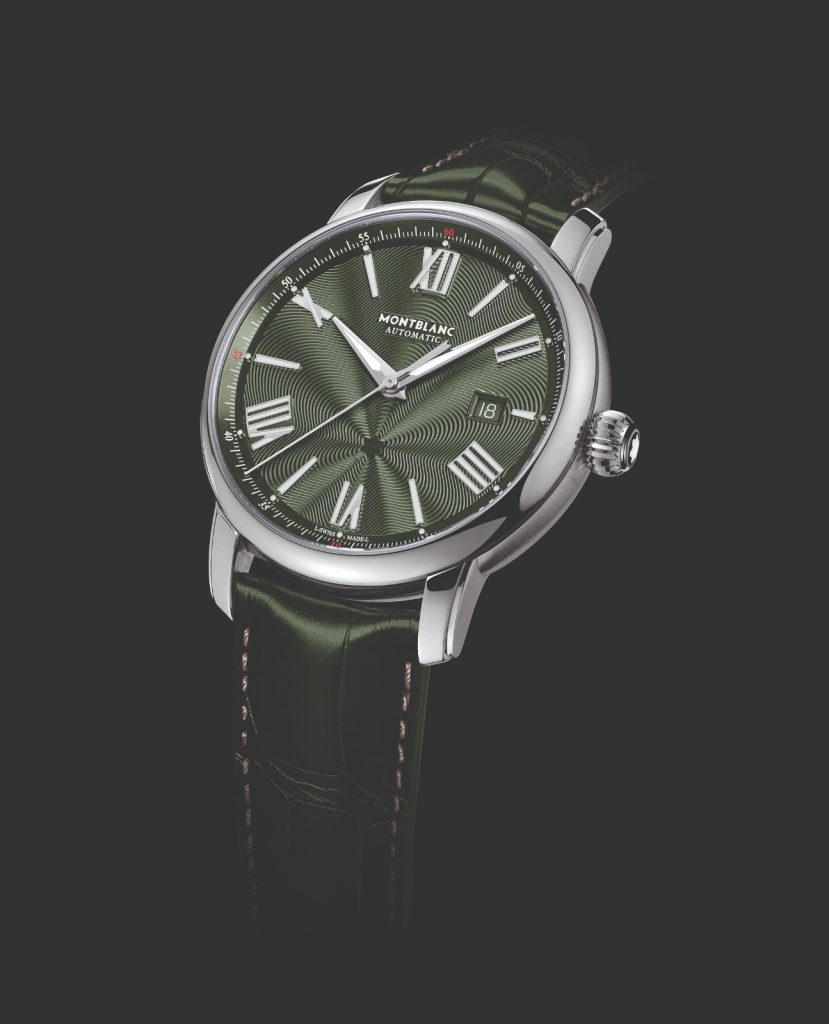
Guilloché is one of the most intricate finishing techniques in horology, executed using a hand operated engine turning lathe. The dial is fixed onto the machine, and a cutting tool engraves repetitive patterns into its surface through a series of controlled movements. Each line is carved individually, guided by the artisan’s skill and the machine’s mechanical rhythm. Patterns such as waves, clous de Paris, or barleycorn emerge gradually, requiring hours of focused work. The depth and precision of the engraving create a dynamic interaction with light, impossible to replicate through automated methods.
Lacquer
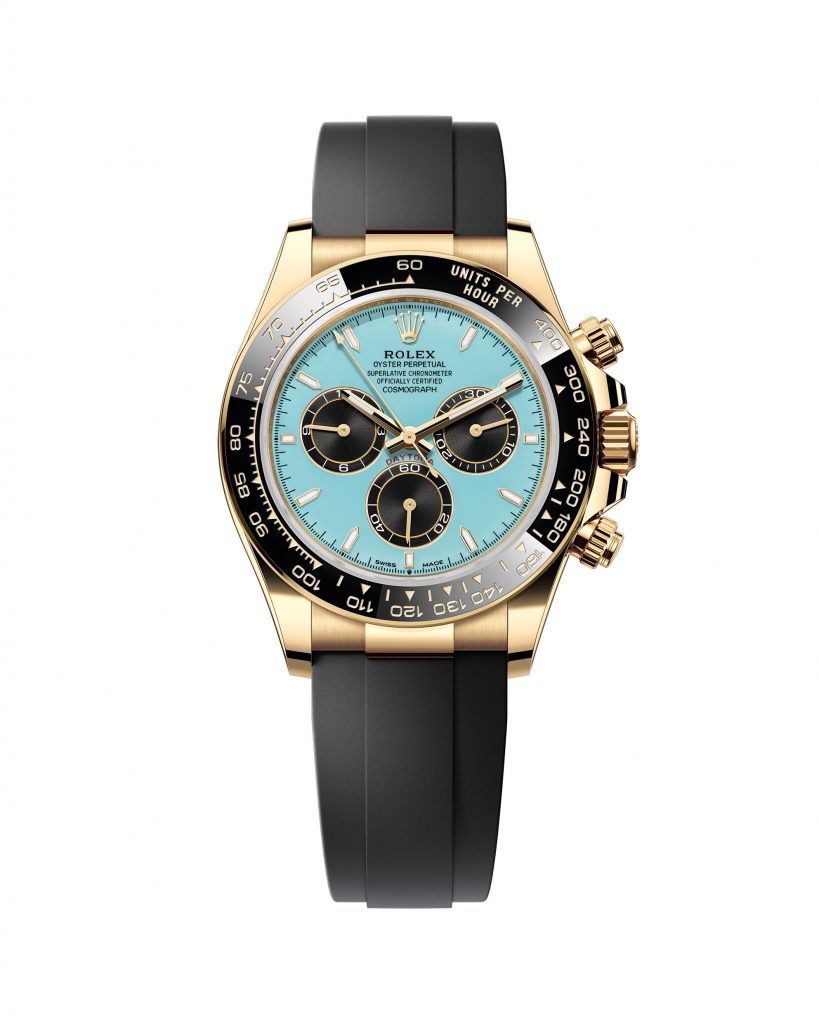
Lacquered dials are built through the careful application of multiple layers of liquid lacquer, each one spread evenly across the dial and allowed to cure before the next is added. Between layers, the surface is meticulously polished to remove any imperfections and ensure a flawless finish. This process is repeated until the desired depth and richness are achieved, creating a surface that appears almost liquid. The final result is both visually striking and technically demanding, as even the smallest flaw can disrupt the mirror like clarity.
Matte
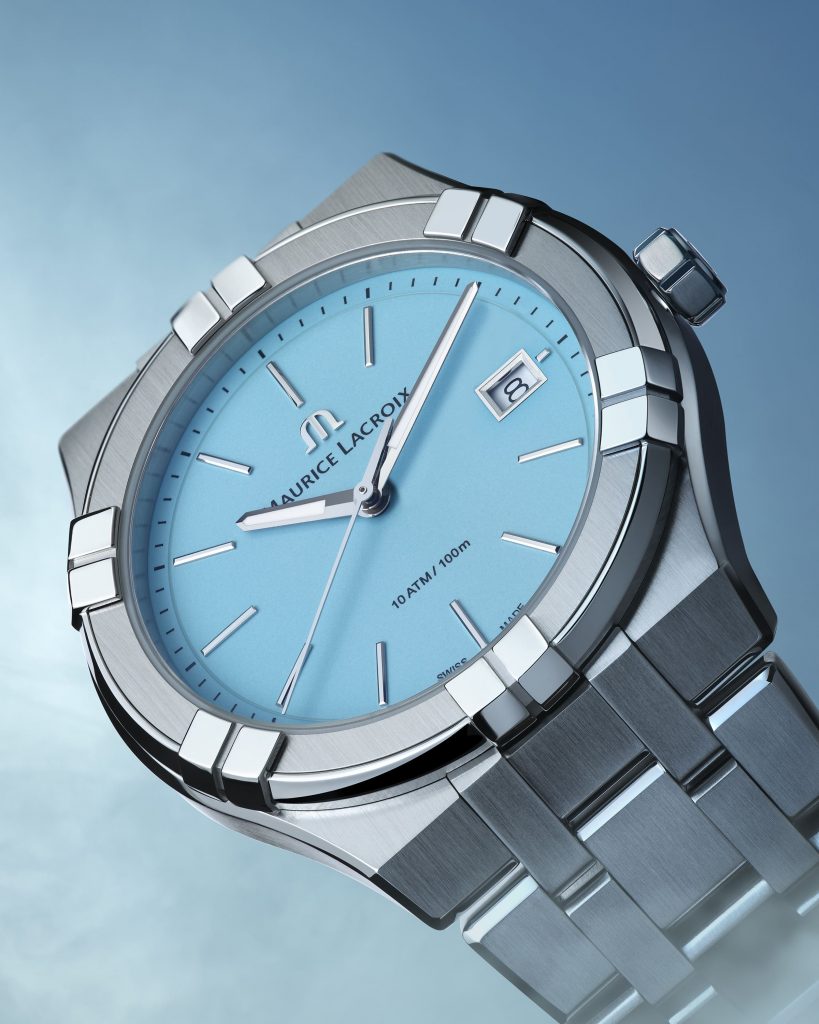
A matte finish is achieved by treating the dial surface to eliminate reflections entirely. This can be done through fine bead blasting, chemical etching, or specialised coatings that absorb light rather than reflect it. The process must be carefully controlled to ensure an even texture across the entire dial, as inconsistencies can be immediately noticeable. The result is a clean, understated surface that prioritises legibility, offering a quiet confidence that stands in contrast to more reflective finishes.
Also Read: Honeycomb Watch Dials: What They Are And Why They’re Used
Porcelain
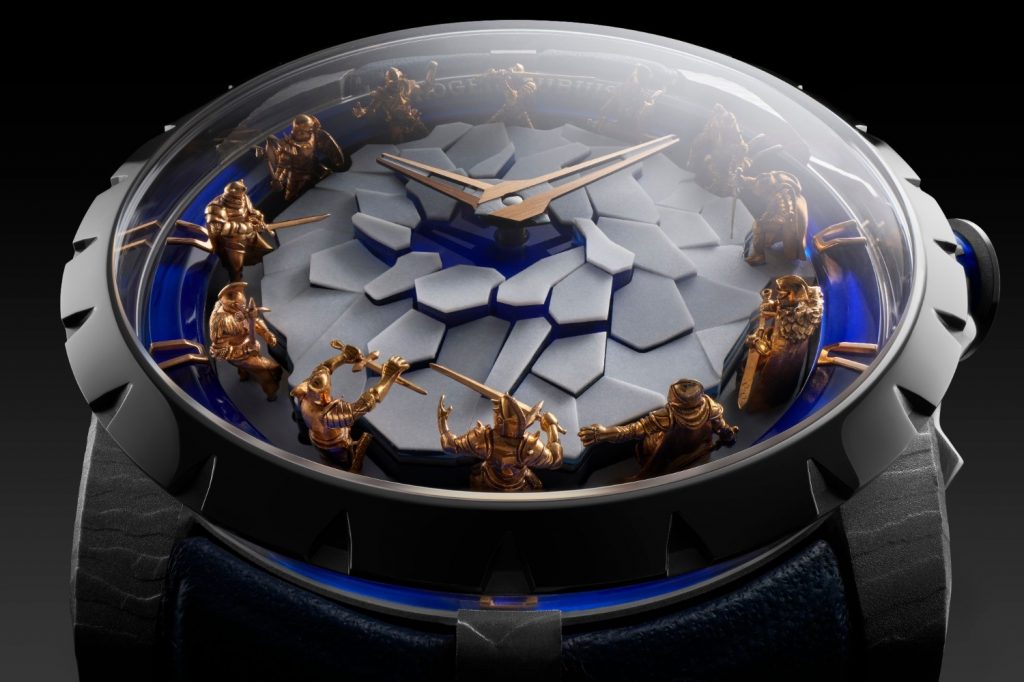
Porcelain dials are crafted using ceramic based materials that are shaped, fired, and finished to achieve a smooth, luminous surface. The process involves forming the dial base, applying glazes, and firing it at high temperatures to achieve its final hardness and sheen. Unlike enamel, porcelain often carries a slightly softer, more organic tone, with subtle variations that lend each piece its individuality. The fragility of the material makes it challenging to produce, but when executed correctly, it results in a dial of timeless elegance and refined character.
Also Read: Matte Dials In Watchmaking: Achieving The Perfect Non-Reflective Finish
Why Dial Finishes Matter
In the end, what all of this reveals is something rather important. Dial finishes are not mere decoration. They are a window into the philosophy of a watchmaker. A brushed dial speaks of restraint, an enamel dial of patience, a guilloché dial of obsession. For collectors, recognising these finishes is not about showing off knowledge at dinner parties. It is about understanding the effort, the history, and the sheer stubborn determination that goes into creating something extraordinary. Because beneath the hands and markers, beyond the ticking mechanics, lies a simple truth. The dial is where craftsmanship becomes visible. And once you have seen it properly, really seen it, there is no going back.