The Role Of Bridges In Watches: A Guide For Watch Enthusiasts
Explore the hidden brilliance of bridges in luxury mechanical timepieces, where precision engineering meets exquisite craftsmanship to hold every moving part in perfect harmony
There is something wonderfully absurd about a mechanical timepiece, a tiny universe of spinning wheels and coiled tension, all expected to behave with the punctuality of a Swiss train, and yet, hidden within this orchestrated madness lies a component so unassuming that it rarely receives the applause it deserves, the bridge, which, rather like the chassis of a finely tuned grand tourer, does not shout for attention but quietly ensures that everything remains exactly where it ought to be, because without it, the entire affair would collapse into a useless jumble of gears and springs, and so, what appears at first glance to be a simple plate of metal is in fact a masterstroke of engineering discipline and artistic indulgence, holding the very soul of the timepiece together while simultaneously serving as a canvas upon which watchmakers display their finest work, a delicate balance between brute function and visual poetry that defines the very essence of horology.
The Functional Authority of the Bridge
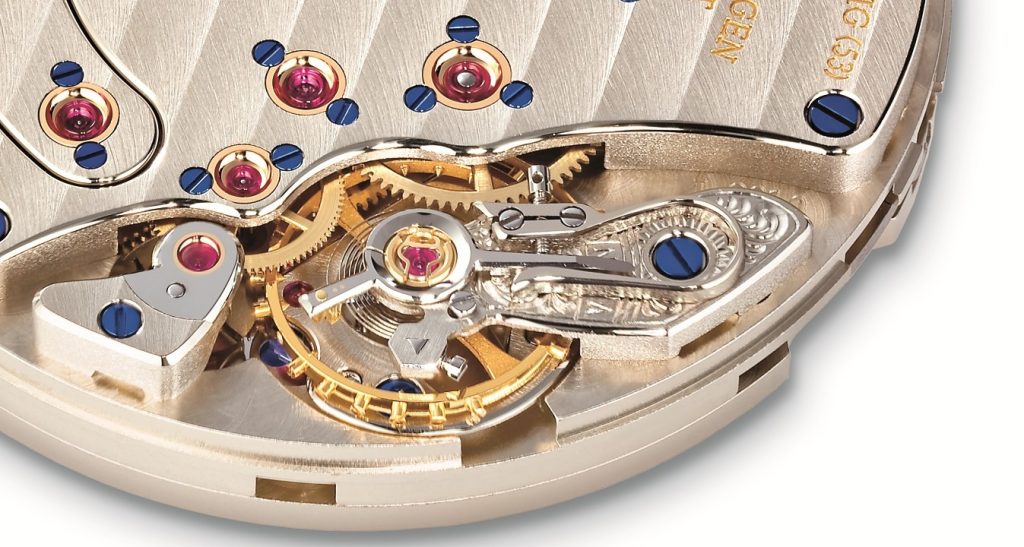
At its core, the bridge exists to impose order, to take the restless, energetic chaos generated by the mainspring and guide it through the movement with absolute discipline, holding the gear train, escapement, and countless microscopic components firmly in place so that each part performs its duty without deviation, because even the slightest misalignment would result in a catastrophic loss of accuracy, turning precision into guesswork, and it is here that the bridge proves its worth, acting as both anchor and guide, ensuring that energy flows smoothly from its source to the regulating organ, maintaining the rhythm that defines mechanical timekeeping, a task that demands not only structural integrity but an almost obsessive level of precision in placement and assembly.
Where Function Becomes Art
And then, just when it seems the bridge has done enough by simply keeping the entire mechanism from falling apart, it decides to become something rather beautiful, because in the world of luxury timepieces, functionality alone is never sufficient, and so the bridge transforms into a stage for craftsmanship, adorned with intricate engravings, polished bevels, or elaborate finishes that catch the light in a way that feels almost theatrical, sometimes even forming the very identity of the piece itself, particularly in skeletonised creations where the movement is laid bare and the bridge becomes the defining visual element, proving that even the most structural component can possess a sense of elegance that borders on artistry.
The Many Faces of the Bridge
Not all bridges are created equal, of course, and their variations reveal much about the philosophy of the watchmaker, from the commanding presence of the full bridge, which spans the entire movement with a sense of unwavering authority, offering maximum stability and a generous surface for decoration, to the more balanced three quarter bridge, which secures the essential components while allowing glimpses of the mechanical theatre beneath, and finally to the half bridge, a more minimalist approach that prioritises openness and visual intrigue, exposing the inner workings with deliberate intent, each variation reflecting a careful balance between structural necessity and aesthetic ambition, and each one demanding its own unique approach to design and execution.
Crafting the Bridge: Precision Without Compromise
The creation of a bridge is not a task for the impatient, beginning with the careful selection of materials such as brass, steel, or in more indulgent cases, gold and platinum, each chosen not only for durability but for its ability to be shaped, finished, and ultimately admired, followed by a design process that must account for both mechanical requirements and visual harmony, because the bridge must fit perfectly within the movement while complementing the overall aesthetic, a challenge that requires equal parts engineering and artistry, before moving into manufacturing, where the material is cut, shaped, and refined to tolerances so tight that even a microscopic error could disrupt the entire system, and finally assembled with painstaking care, ensuring that every component aligns with absolute precision.
The Final Flourish: Finishing and Decoration
And just when the bridge has fulfilled its structural obligations, it undergoes a transformation that elevates it from mere component to object of admiration, as it is polished, engraved, and decorated with techniques that have been refined over centuries, from subtle graining to elaborate hand engraving, each detail applied with a level of care that borders on obsession, not merely to enhance its appearance but to celebrate the craftsmanship behind it, because in the end, the bridge is more than a functional necessity, it is a statement, a declaration that even the parts unseen by most are worthy of beauty and attention, a philosophy that lies at the very heart of fine watchmaking.