What Is Physical Vapor Deposition (PVD)? A Complete Watch Guide
A scientific spectacle where atoms are marshalled into flawless armour, turning ordinary steel into enduring statements of colour, strength, and modern horological theatre
There was a time when a watch case simply existed. Steel was steel, gold was gold, and if a scratch appeared, well, that was life asserting itself. Then along came something rather extraordinary, a process so clinical and so ruthlessly precise that it feels less like manufacturing and more like science fiction. Physical Vapor Deposition, or PVD, is not merely a coating. It is an act of transformation. Inside a vacuum chamber that looks as though it belongs in a space agency rather than a watch factory, solid material is quite literally turned into vapour. Not metaphorically. Actually vapour. Through methods such as induction, sputtering, or electron beams, the material is broken down and then redeposited atom by atom onto a watch case or bracelet. The result is a coating so thin it borders on invisible, yet so hard it laughs in the face of wear, corrosion, and tarnish. This is not decoration. This is armour with a sense of style.
The Machinery Behind the Magic
To understand PVD is to appreciate that it is a carefully choreographed performance involving several key players. First, the source material. Typically a pure metal, though sometimes a compound, it dictates everything from colour to durability. Choose wisely and the result gleams like gold or broods like midnight. Then comes the vacuum chamber, a pristine environment stripped of contaminants. No dust, no interference, just controlled perfection. It is here that the transformation unfolds. The substrate, usually the watch case or bracelet, undergoes meticulous preparation. Cleaning, etching, refining. It must be flawless, because any imperfection would be magnified once the coating bonds to it. Finally, the energy source steps in. Whether through sputtering, evaporation, or ion plating, it provides the brute force required to vaporise the material and send it hurtling towards the substrate in a controlled atomic ballet. Each component matters. Remove one, and the entire spectacle collapses.
The Different Flavours of Precision
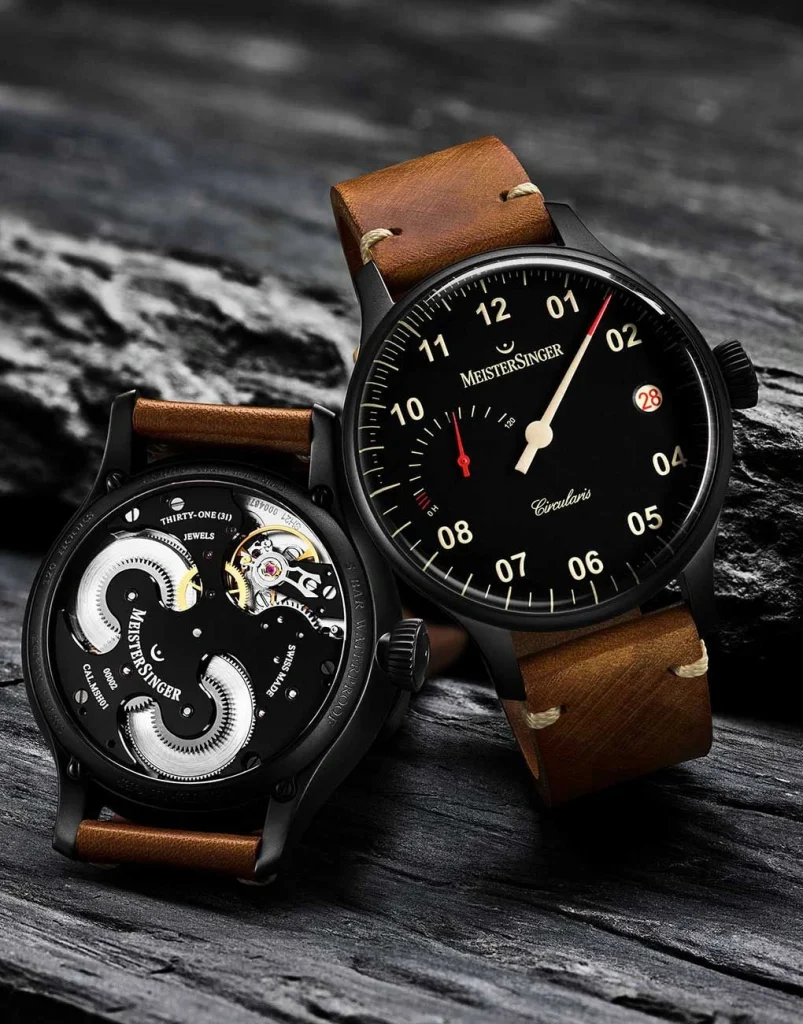
Not all PVD is created equal, and this is where things become delightfully technical. Sputtering, for instance, involves bombarding the source material with ions until atoms are ejected and deposited onto the surface. It is precise, controlled, and capable of producing coatings with remarkable adhesion and uniformity. Naturally, luxury watchmakers adore it. Evaporation, by contrast, is simpler. Heat the material until it vaporises, then allow it to condense onto the surface. It works, it is efficient, but it lacks the same level of finesse and durability. Then there is ion plating, the overachiever of the group. By ionising the material and accelerating it with an electric field, it ensures a coating that clings with almost obsessive determination. This makes it particularly useful for intricate components and complex geometries. Each technique has its place, its strengths, and its compromises. Choosing between them is less about preference and more about purpose.
Beauty That Does Not Fade
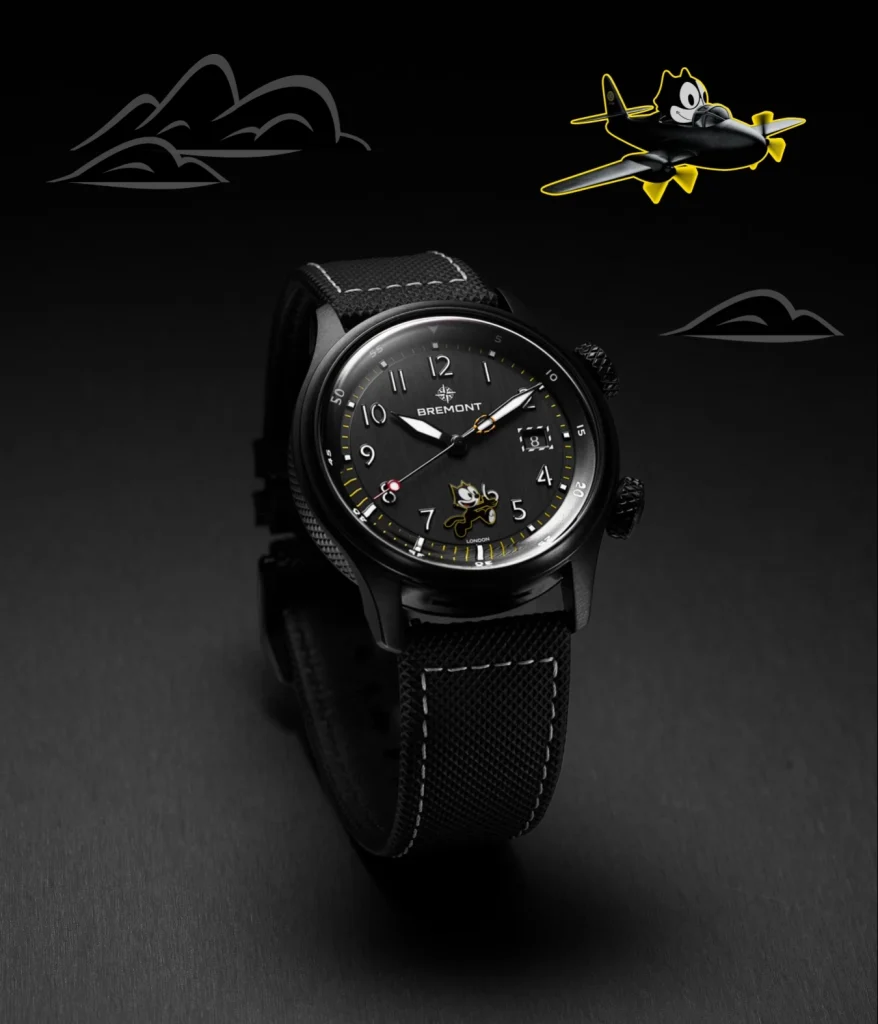
One of the most obvious applications of PVD is decorative, and here it truly struts its stuff. Gold finishes that mimic solid precious metal without the eye watering cost. Rose tones that glow with warmth. Deep black coatings that turn a watch into something stealthy and modern. Even iridescent rainbow effects that look as though they belong on a concept car rather than a wrist. Yet beneath the spectacle lies substance. These coatings are not merely for show. They act as a protective barrier, shielding the watch from scratches, corrosion, and the slow decay of time. A PVD coated watch does not simply look good on day one. It continues to look good long after lesser finishes have surrendered.
Engineering Beneath the Surface
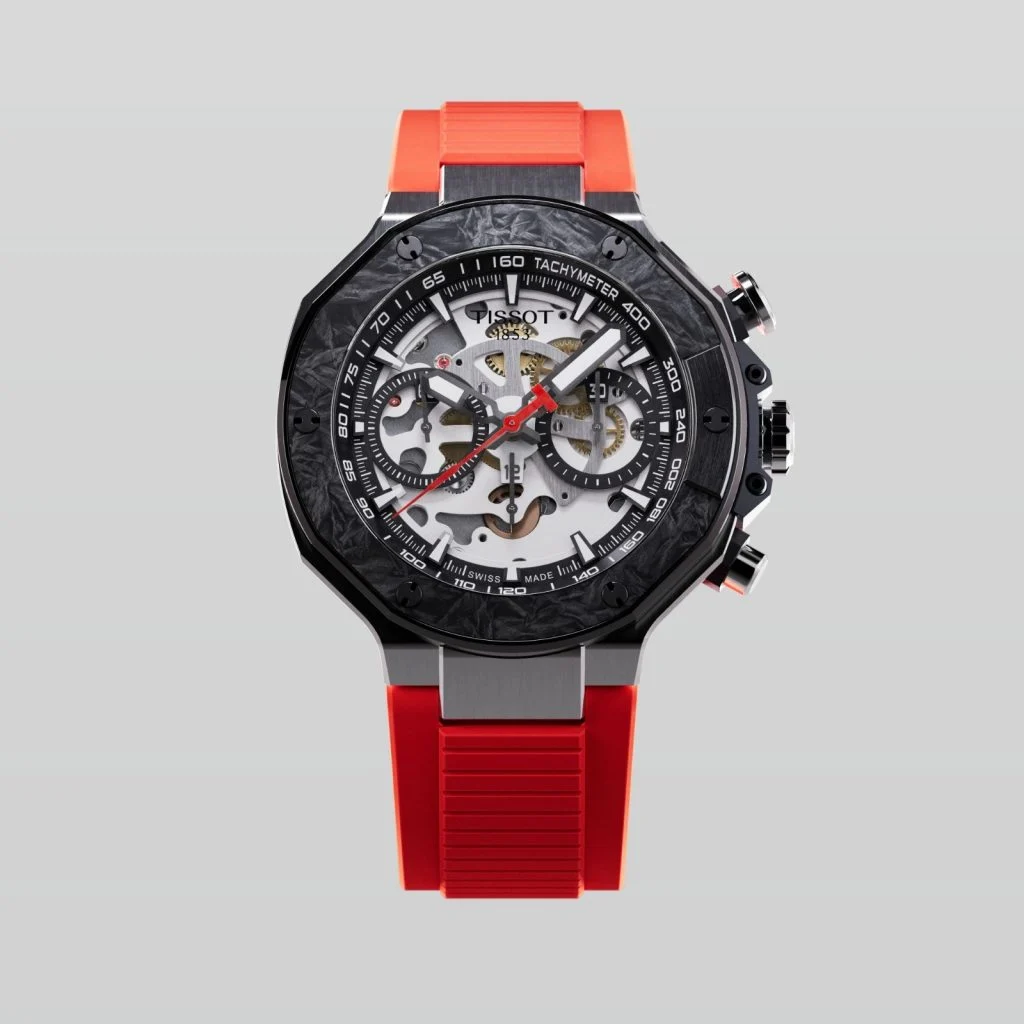
What is less visible, yet arguably more important, is the role PVD plays inside the watch. Components such as gears and moving parts benefit enormously from functional coatings that reduce friction and wear. Here, ion plating often takes centre stage, allowing coatings to be applied to the most intricate shapes. The result is smoother operation, improved efficiency, and a longer lifespan. It is the sort of improvement that goes unnoticed, which is precisely the point. Excellence in watchmaking often hides in places no one thinks to look.
A Revolution in Luxury
The arrival of PVD did not merely enhance watches. It changed them. Suddenly, materials could be reimagined. Steel could masquerade as gold. Surfaces could adopt colours and textures that were previously impossible. Designers were handed a new palette, and they used it with enthusiasm. At the same time, durability reached new heights. The thin, hard coatings produced by PVD resist the sort of everyday abuse that would leave traditional finishes looking tired. For collectors and enthusiasts, this matters. A watch is not just an accessory. It is an object of permanence, a statement that endures.
Prestige Reimagined
There is also the matter of perception. Luxury has always been about more than materials. It is about innovation, about pushing boundaries, about offering something that feels special. PVD delivers exactly that. It allows watchmakers to create pieces that stand apart, not just in appearance but in performance. The expectation has shifted. Where once durability was a bonus, it is now a baseline. Where once colour options were limited, they are now expansive. In the end, Physical Vapor Deposition is not simply a process. It is a declaration. A declaration that even in a world obsessed with tradition, there is always room for reinvention, provided it is done with precision, purpose, and just a hint of theatrical flair.