Why Are Some Watch Cases Filled With Oil? Benefits, Science And Uses Explained
Oil filled watches are not gimmicks but feats of applied physics where optics fluid dynamics and horology converge to eliminate distortion enhance performance and redefine how time is perceived on the wrist
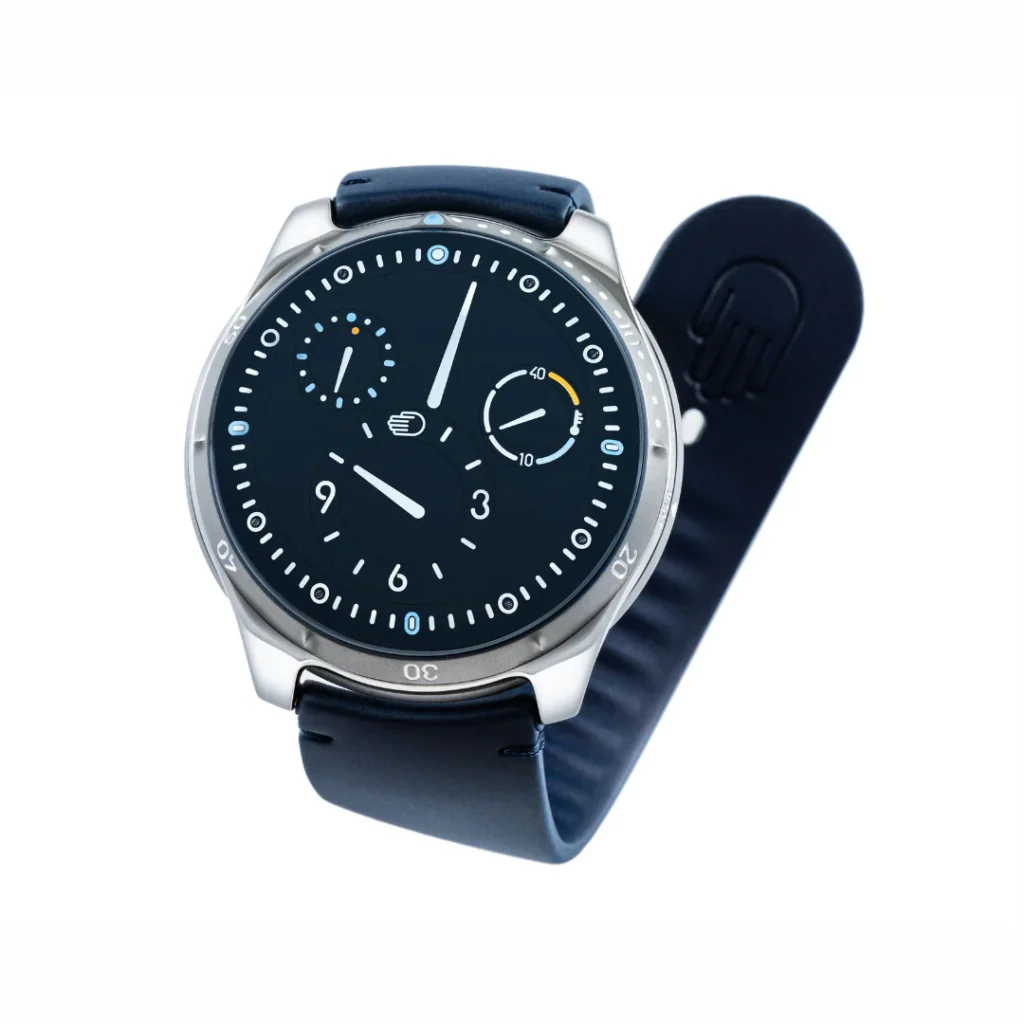
In an age where horology often oscillates between reverence for tradition and flirtation with the avant garde, the oil filled watch emerges not as an eccentric indulgence but as a profound rethinking of how time ought to be seen. It is a concept that appears deceptively simple fill a watch with oil yet beneath this fluid veneer lies an intricate interplay of physics engineering and visual philosophy. Brands such as Ressence with its TYPE 3 TYPE 5 and TYPE 7 collections and U-Boat have championed this approach transforming the humble dial into something almost metaphysical.
At the heart of the oil filled watch lies a fundamental optical problem refraction. In conventional watches light passes through air and sapphire crystal bending along the way and introducing subtle distortions. By replacing air with oil whose refractive index closely matches that of sapphire crystal this distortion is effectively neutralised. The result is startling the dial appears to sit directly on the surface of the glass as though projected onto it. Ressence TYPE 3 exemplifies this phenomenon where time is read with an almost digital immediacy despite being mechanically driven.

This optical clarity is not merely aesthetic indulgence but functional superiority. Oil eliminates internal reflections and glare enabling perfect legibility from extreme angles and even underwater. In fact oil filled displays maintain visibility regardless of viewing position creating what might be described as a zero parallax experience. The Ressence TYPE 5 extends this advantage into aquatic environments where traditional watches often struggle with reflection and distortion.
Also Read: 5 Best Mechanical Chronographs Under 40mm For Watch Enthusiasts
Yet the science extends beyond optics into the realm of mechanics. Ressence employs a dual chamber architecture where the upper chamber containing the display is filled with oil while the movement resides in a separate dry compartment. This ingenious separation ensures that the delicate escapement is not impeded by fluid resistance while the display benefits from immersion. In the TYPE 3 and TYPE 7 this separation is bridged magnetically allowing motion to be transmitted without physical contact, an elegant solution to an otherwise intractable problem.

Oil also introduces surprising mechanical benefits. Components suspended in fluid experience reduced effective weight due to buoyancy which lowers friction and energy demand improving efficiency and potentially precision. Constant lubrication further enhances longevity minimising wear across moving parts. It is here that the oil filled watch transcends novelty becoming an exercise in mechanical optimisation. The presence of oil also radically enhances durability particularly in extreme conditions. Unlike air oil is virtually incompressible meaning that external pressure has minimal effect on the internal environment. This translates into extraordinary water resistance as demonstrated by oil filled designs across the industry. Additionally the absence of air eliminates condensation ensuring that the dial remains pristine regardless of temperature fluctuations. However such innovation is not without its challenges. Oil expands and contracts with temperature necessitating sophisticated compensation systems. Ressence addresses this through a series of miniature bellows that adjust internal volume maintaining equilibrium across a wide thermal range. This delicate balancing act underscores the complexity hidden within what appears to be a minimalist design.
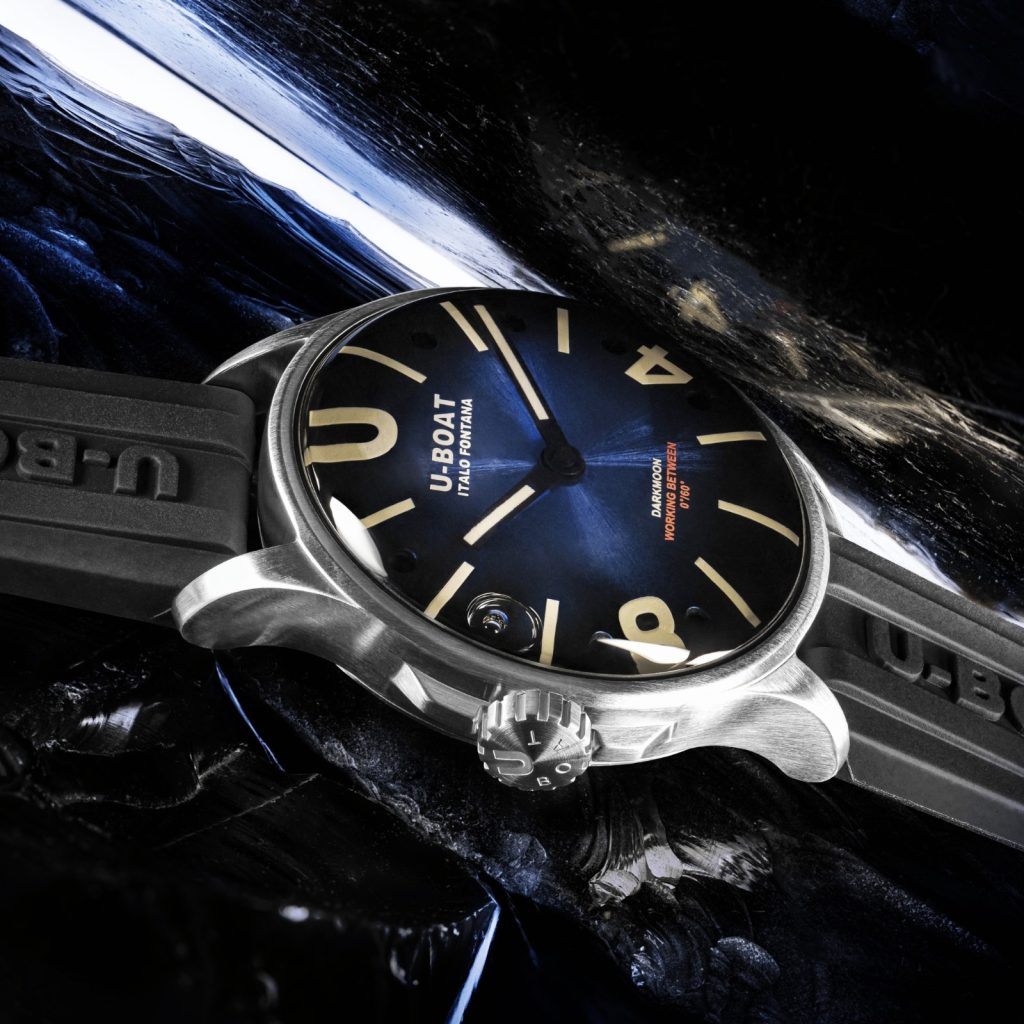
Meanwhile U-Boat Capsoil adopts a more immersive approach often filling the entire case with oil creating a dramatic magnification effect where indices seem to float against the crystal. The result is less about mechanical purism and more about visceral visual impact a reminder that innovation in watchmaking can be as much about emotion as it is about engineering.
Ultimately the oil filled watch represents a quiet revolution. It dissolves the boundary between crystal and dial between perception and reality offering a reading of time that feels immediate almost tactile. In doing so it challenges the very premise of traditional watch design suggesting that sometimes the clearest way to see time is to immerse it entirely in liquid.