

Chilean architecture does not shout. It does not sparkle unnecessarily. It does not care if you are impressed in the first five seconds. Instead it stands there calmly usually surrounded by wind mountains concrete and silence and waits for you to understand it. Born from a country shaped by earthquakes extremes and political upheaval Chilean architects learned very quickly that buildings must be tough intelligent and meaningful or they simply do not survive. Out of this pressure emerged a group of architects who turned constraint into power and restraint into global influence.
Alejandro Aravena: The Architect Who Made Social Housing Matter
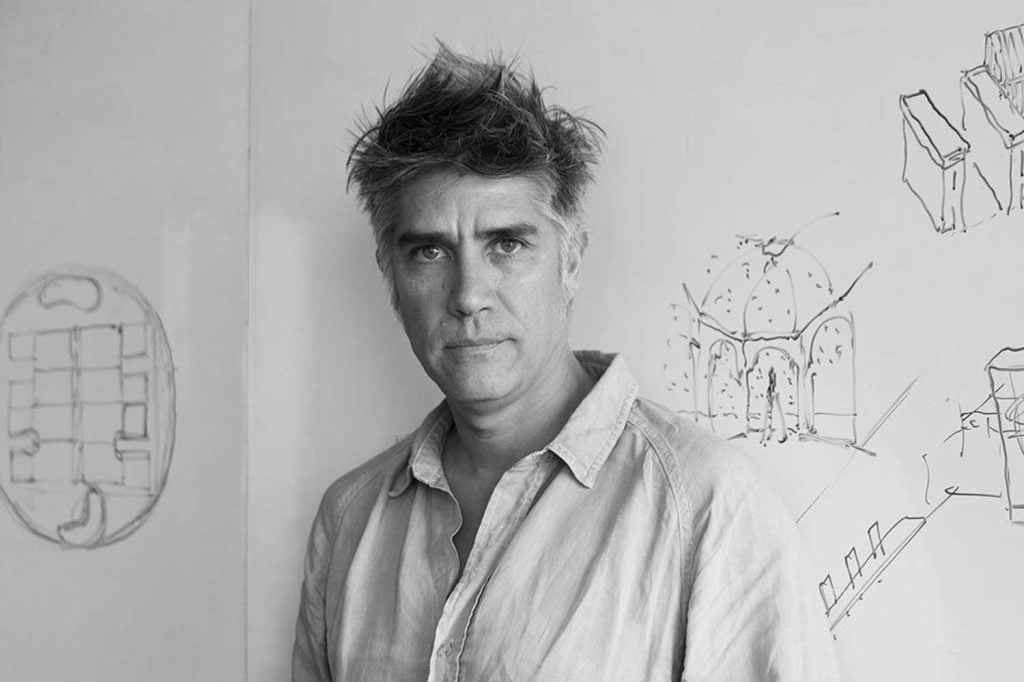
Aravena changed the conversation using architecture as a tool for change. While much of the architectural world was busy polishing glass towers Aravena looked at housing inequality and decided architects should actually do something about it. His incremental housing projects proved that good design does not have to be expensive to be intelligent. By designing half a house and allowing residents to complete the rest over time he created a model that was flexible dignified and realistic. It was architecture that respected people rather than preaching to them. He made social responsibility fashionable again and reminded the world that architecture can be ethical, elegant, and with a purpose.
Also Read: Top British Architects: Pioneers Who Redefined Architecture In UK
Smiljan Radic: The Poet of Concrete and Landscape

Radic designs buildings that feel like they have been discovered rather than built. His work often looks fragile heavy and ancient all at the same time which is quite an achievement when you think about it. Projects like the Serpentine Pavilion or his rural houses feel deeply connected to the land almost as if they grew there. Radic is not interested in clean perfection. He embraces roughness ambiguity and atmosphere. His architecture feels emotional without being sentimental and mysterious without being confusing. He proved that contemporary architecture can still feel mythic, poetic, and raw. Thus, exploring fragility, and permanence.
Teodoro Fernandez: The Master of Public Space
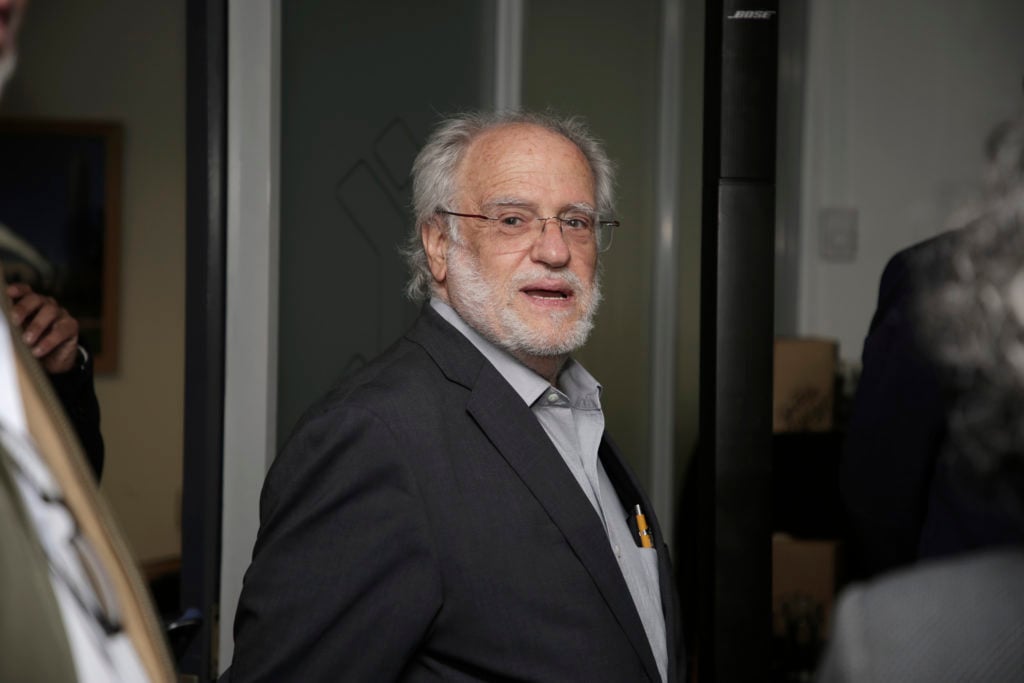
Fernandez may not always grab headlines but his influence is everywhere especially where people actually live their lives. Parks promenades and civic spaces are his territory and he treats them with seriousness and care. His work shows a deep understanding of landscape infrastructure and social use. Fernandez believes public space should be generous calm and resilient not decorative. In a country prone to natural disasters his projects demonstrate how architecture landscape and urban planning can work together to create places that endure. Quietly he redefined how Chile builds for its citizens.
Mathias Klotz: The Precision Modernist
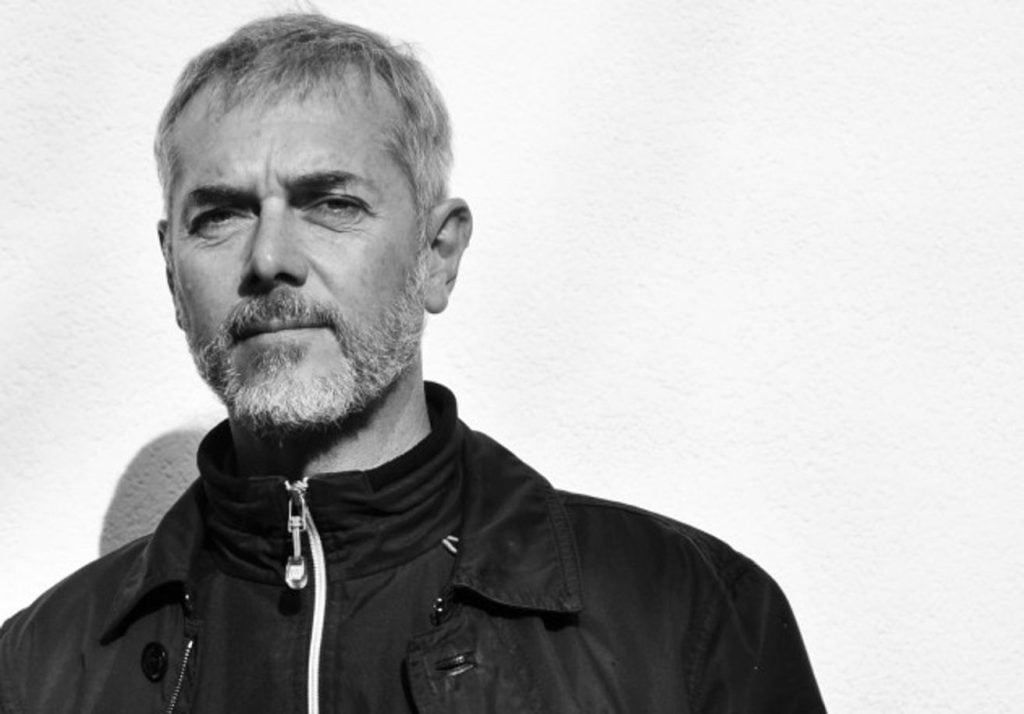
Klotz brought a sharp modernist clarity to Chilean architecture. His houses often appear simple almost minimal but look closer and you see extraordinary control of proportion light and material. Klotz designs with discipline. Timber concrete glass everything is used honestly and precisely. His work helped place Chile firmly on the international architectural map proving that refinement does not require excess. He showed that modernism could feel warm grounded and distinctly Chilean rather than imported.
Pezo von Ellrichshausen: The Architects of Geometry and Gravity

Owned and run by its founders, Chilean architect Mauricio Pezo and Argentine artist/architect Sofía von Ellrichshausen,, Pezo von Ellrichshausen treat architecture as a philosophical exercise. Their buildings are heavy geometric and unapologetically solid. Squares circles and cubes dominate their work creating structures that feel timeless almost monumental. Their projects challenge how space is perceived and how form relates to landscape. There is nothing casual about their architecture. It demands attention and rewards patience. In a world increasingly obsessed with speed and spectacle they chose depth and permanence. And somehow it works beautifully.
A National Voice That Went Global
Together these architects transformed Chile into one of the most respected architectural laboratories in the world. Aravena brought ethics Radic brought poetry Fernandez brought civic intelligence Klotz brought precision and Pezo von Ellrichshausen brought intellectual weight.
They did not follow trends. They responded to geography history and necessity. And by doing so they proved that some of the most influential architecture on the planet can come from a long thin strip of land at the edge of the world.