

British architecture used to be a bit like British cooking in the seventies dependable beige and utterly uninterested in excitement. Then along came a group of architects who decided that buildings should do more than politely stand still. They should challenge shout occasionally show off and in some cases look like they might take off if given enough wind. This was the moment Britain stopped building quietly and started building with confidence. At the centre of this transformation stand six names Norman Foster Richard Rogers Nicholas Grimshaw Thomas Heatherwick and David Chipperfield each wildly different yet collectively responsible for dragging the UK into architectural relevance with style intelligence and a fair amount of steel.
Norman Foster: The Engineer With a Jet Engine for a Brain

Born in in Manchester, England in 1935, he is a pioneer in high-tech architecture. His work emphasises efficiency, lightness, and environmental performances, integrating advanced enginnering with precision, and elegant form. Everything he touches feels as if it has been tested in a wind tunnel interrogated by a calculator and then polished until it gleams. The Gherkin changed London forever not because it was tall but because it was clever. It proved that sustainability could be elegant and that modern architecture could be both beautiful and brutally logical. He also made British architecture faster lighter and smarter. Airports stations towers and bridges all became precision machines. His legacy is a skyline that looks like it understands the future rather than fears it.
Also Read: A Guide to Medieval Architecture: Prominent Architects, Structures And Styles
Richard Rogers: The Rebel Who Put the Guts on the Outside
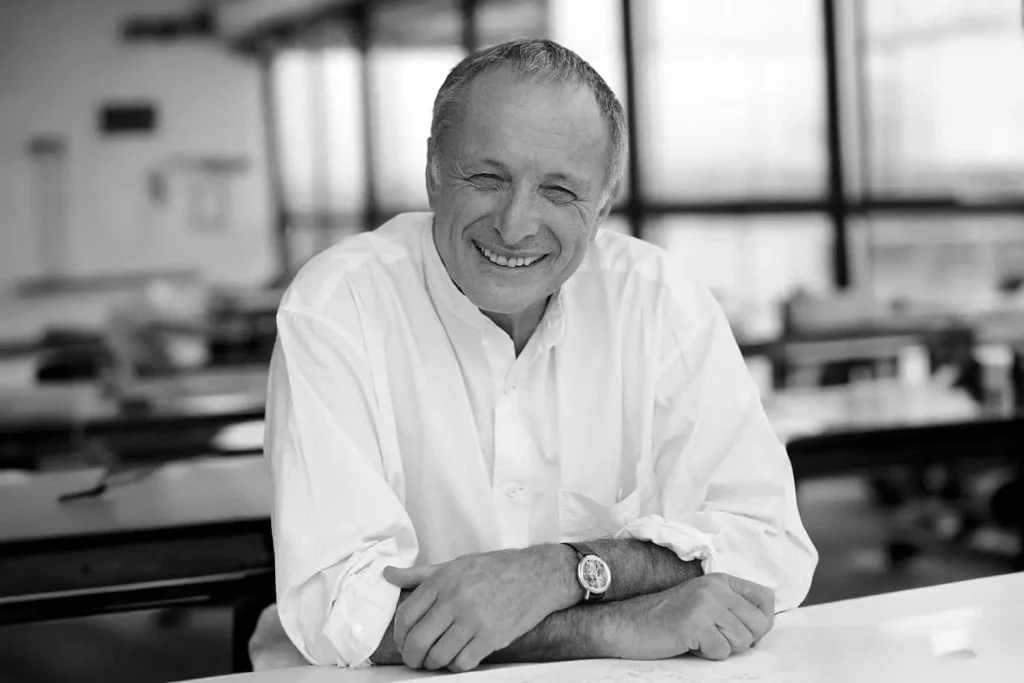
Rogers arrived and promptly turned buildings inside out. Pipes ducts lifts stairs all of it proudly displayed like the engine of a race car with the bonnet removed. The Pompidou Centre announced to the world that architecture could be radical joyful and unapologetically public. Later the Lloyds Building in London doubled down on this idea and left the City no choice but to accept that modernity had arrived.
Rogers believed architecture was about people democracy and movement. His buildings invite the public in rather than intimidating them. He made transparency literal and ideological and in doing so gave British architecture a conscience.
Nicholas Grimshaw: The Industrial Romantic
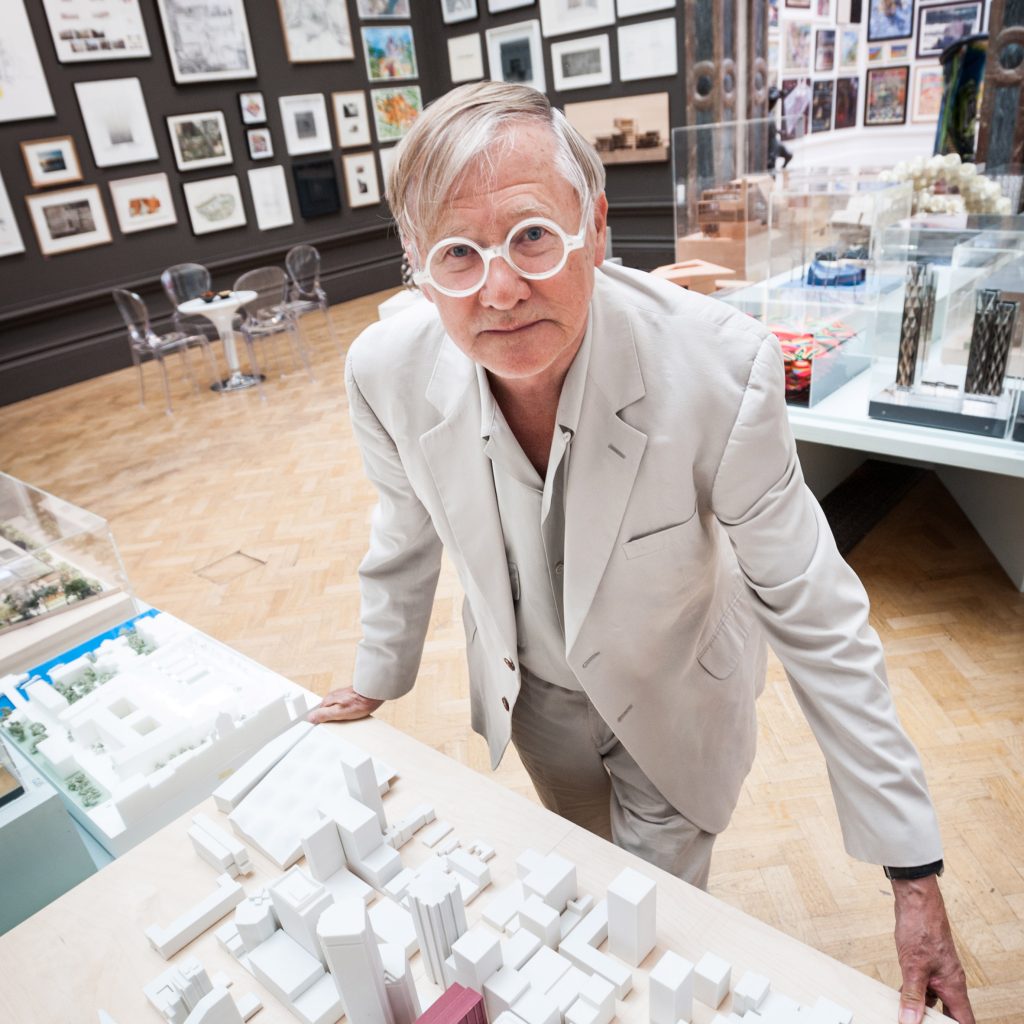
Grimshaw took industrial materials and made them graceful which is no small achievement when you are working with steel glass and repetition. His buildings are modular rational and quietly spectacular. Projects like the Eden Project feel futuristic yet friendly proving that environmental thinking and visual drama can coexist without shouting.
Grimshaw’s work is optimistic architecture. It assumes that technology will help us rather than doom us and that good design can improve everyday life without turning itself into a monument.
Thomas Heatherwick: The Man Who Refused to Draw Straight Lines
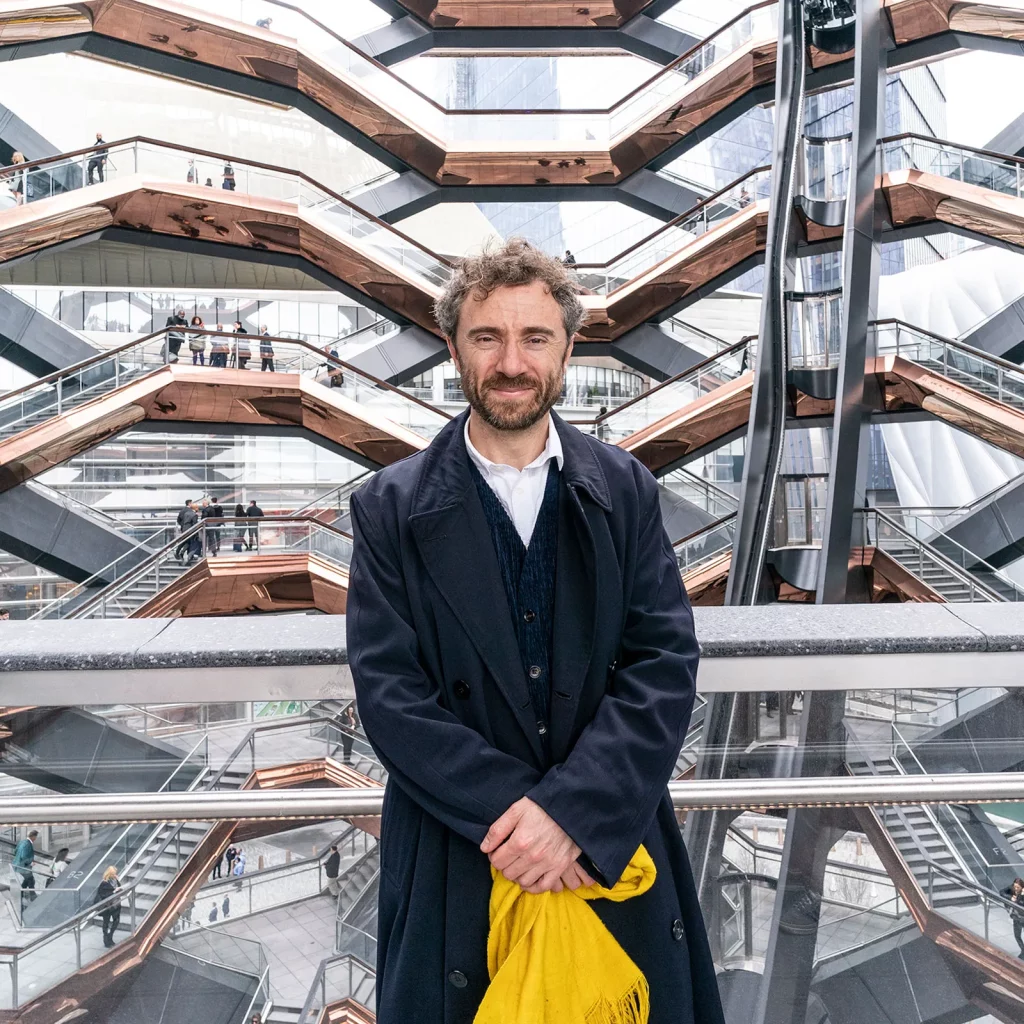
Born in London in London, Heatherwick has blurred the lines between architecture, design, and sculpture. His projects lay emphasis on emotion, and human experience using complex material strategies. His buildings twist fold bloom and occasionally look like giant pieces of kinetic sculpture frozen mid movement. Coal Drops Yard transformed Victorian industry into something playful and human while the UK Pavilion at the Shanghai Expo became a global talking point without relying on height or arrogance. He reminded everyone that buildings should be felt not just photographed and that joy is not a design flaw.
David Chipperfield: The Power of Calm
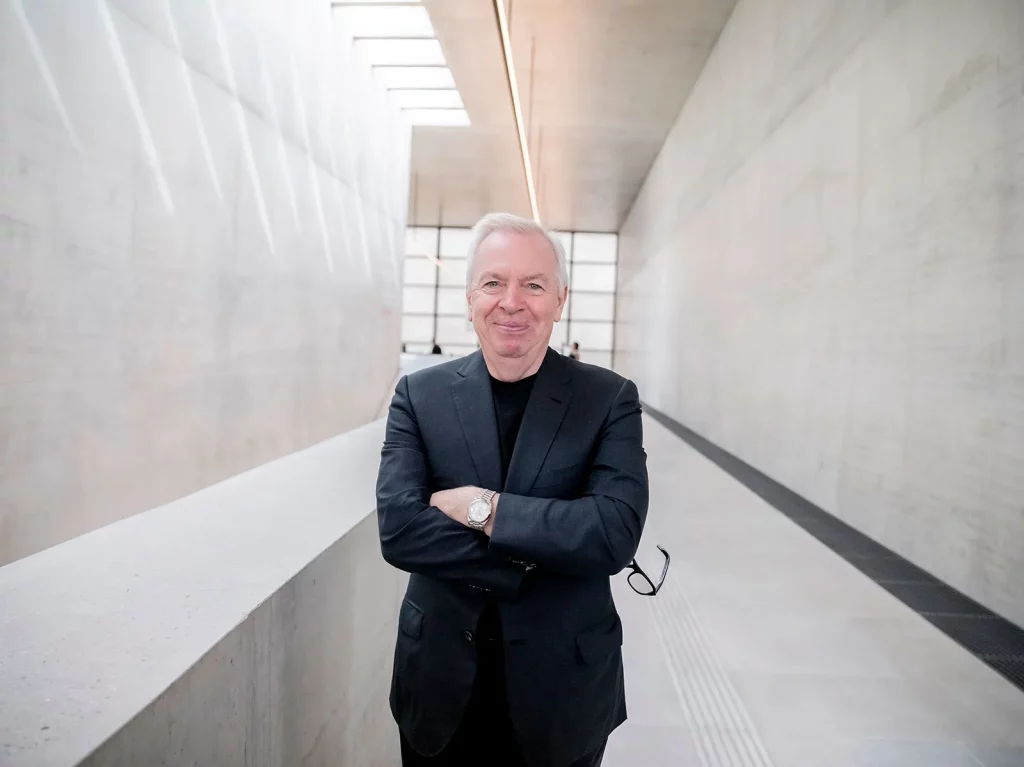
Born in London in 1953, Chipperfield is renowned for refining minimalism and sensitivity. His works focuses on proportion, material honesty, and spatial clarity. Thus, favouring quite strength over spectacle. No theatrics, no unnecessary gestures just clarity proportion and confidence. His buildings are quiet but authoritative like a perfectly tailored suit in a room full of sequins. From museums to civic spaces Chipperfield proved that restraint could be radical. He redefined modern British architecture as something timeless thoughtful and deeply respectful of context. In a world chasing icons he chose permanence.
A Nation Transformed in Concrete Steel and Glass
Together these architects changed Britain from a country that built cautiously into one that builds convincingly. Foster brought precision Rogers brought politics Grimshaw brought optimism Heatherwick brought imagination and Chipperfield brought discipline. Different philosophies different aesthetics but one shared result a skyline that finally knows who it is.
British architecture no longer apologises. It stands tall experiments boldly and occasionally shows its workings. And for that we have these men to thank because they did not just design buildings they redesigned ambition itself.