

Colombian architecture is not about being polite or pretty. It is about surviving geography politics climate and chaos and turning all of that into something astonishingly intelligent. This is a country where cities climb mountains rivers cut through neighbourhoods and resources are never taken for granted so architects learned early on to design with conviction purpose and nerve. The land shakes the cities rise and budgets usually vanish halfway through the conversation and yet somehow Colombia produced some of the most intelligent fearless and socially useful architecture on the planet. While others were busy polishing glass towers and congratulating themselves Colombian architects were building with brick bamboo belief and a complete refusal to give up. The result is a body of work that feels tough generous deeply human and occasionally life changing which frankly is more than can be said for most buildings wearing sunglasses and calling themselves iconic.
Rogelio Salmona: The Brick Revolutionary

He took the humble brick, a material most people associate with boredom and turned it into poetry. His buildings in Bogotá feel monumental yet intimate heavy yet fluid. Curves courtyards water and movement define his work creating spaces that invite people to stay rather than rush through. Salmona believed architecture was a civic act. His projects were designed for walking talking gathering and belonging. He rejected glass towers in favour of human scale and material warmth. In doing so he gave Colombia an architectural identity that felt rooted confident and unmistakably its own.
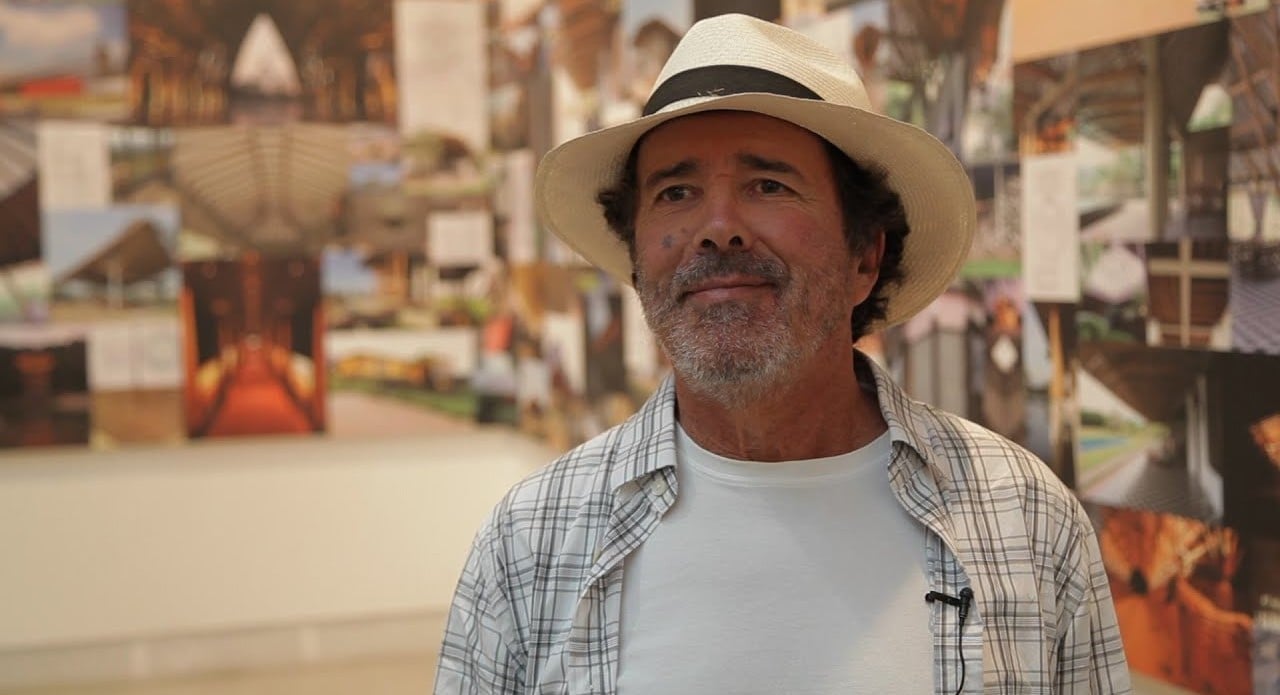
Simón Vélez: The Man Who Made Bamboo Serious

Vélez looked at bamboo a material dismissed as temporary rural or poor and saw engineering potential. Then he proved it. Repeatedly. On a global stage. He transformed guadua bamboo into a structural system capable of spanning large spaces with elegance and strength. His work is sustainable not because it tries to be fashionable but because it makes complete sense. He challenged the idea that progress requires concrete and steel and showed the world that tradition when engineered properly can outperform modernity.
Giancarlo Mazzanti: The Architect of Social Impact

Mazzanti designs buildings that change behaviour. Libraries schools and sports centres in neglected neighbourhoods became tools for dignity education and pride under his hand. Projects like the Biblioteca España did more than look striking. They altered how communities saw themselves. Mazzanti believes architecture should be active not passive and his work proves that bold design does not belong only in wealthy districts. He turned public architecture into an instrument of social transformation.
Also Read: The Relationship Between Architecture and Cinema: How Space Shapes Storytelling
Germán Samper: The Modernist with a Human Face

He brought modernism to Colombia without stripping it of warmth or context. Influenced by global modernist principles yet deeply sensitive to local culture his work balanced order with generosity. Samper focused on housing urban design and public institutions creating environments that worked for people rather than intimidating them. His legacy lies in showing that modern architecture in Latin America could be rational disciplined and still deeply humane.
Juan Manuel Peláez: The Contemporary Urban Thinker

The architect represents a younger generation that thinks as much about cities as buildings. His work explores density public space and adaptability responding to Colombia’s rapidly evolving urban landscape. His designs with clarity restraint and intelligence creating structures that feel contemporary without chasing spectacle. His architecture reflects a nation still changing still questioning and still building forward with purpose.
Together these architects created a Colombian architectural language rooted in material honesty social responsibility and urban generosity. Brick bamboo concrete and community became tools rather than trends.