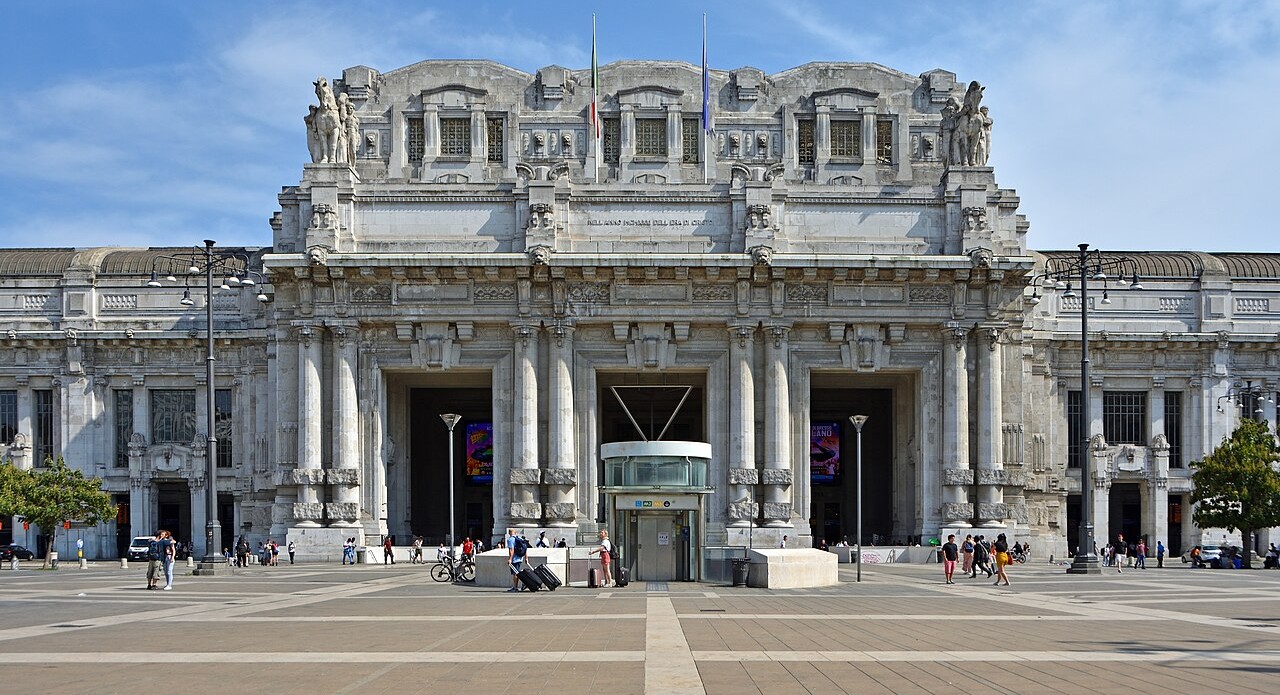


In an age before boarding passes were shrunk to the size of a mild apology and travel was not yet reduced to shuffling through fluorescent corridors, the train station stood as a public declaration of ambition. It was where cities cleared their throats, adjusted their waistcoats, and announced themselves to the arriving world. Iron was bent like lace, stone was carved with the confidence of empire, and even soot carried a whiff of romance. These were not merely places to catch a train; they were civic theatres where progress arrived on schedule and beauty was considered a necessary companion to utility. Across continents and centuries, a few stations still possess this old world audacity, reminding us that infrastructure, when done properly, can make the heart beat faster than the locomotive itself.
Kyoto Station, Japan
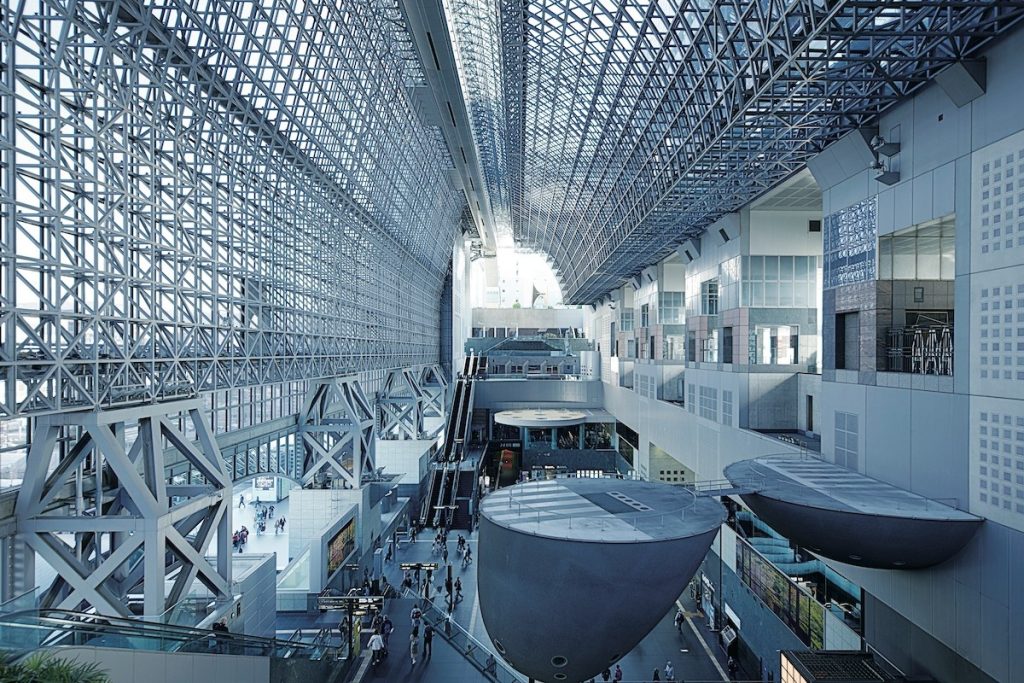
Kyoto Station is what happens when a city with thirteen centuries of restraint decides, briefly and brilliantly, to let its hair down. Completed in 1997, this vast steel and glass colossus feels less like a station and more like a vertical city dropped into the lap of ancient Kyoto. Its soaring atrium, suspended skywalks, and cathedral scale staircases create a sense of controlled drama that borders on the operatic. Yet for all its futuristic bravado, the building respects its surroundings through symmetry, proportion, and an almost spiritual use of light. Trains glide in beneath a roof that feels more like a philosophical statement than a structural necessity, proving that modern architecture can be bold without being rude.
Chhatrapati Shivaji Maharaj Terminus, Mumbai, India
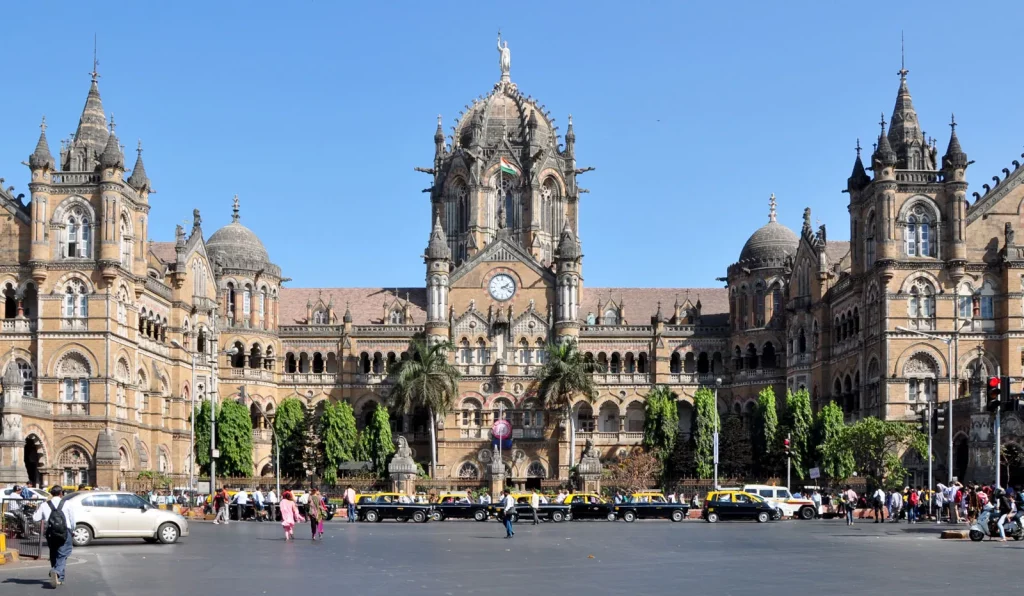
Few stations in the world announce their presence with the unapologetic grandeur of Chhatrapati Shivaji Maharaj Terminus. Built in 1887 at the height of the British Empire, this UNESCO World Heritage Site is a riot of Victorian Gothic architecture infused with Indian craftsmanship. Spires, domes, stained glass, and stone carvings collide in a glorious architectural argument that somehow resolves itself beautifully. It is both fortress and palace, both colonial boast and local reinterpretation. Even today, as millions surge through its platforms daily, the building remains defiant, theatrical, and oddly serene, a reminder that Mumbai has always thrived on excess, energy, and spectacle.
Also Read: Architects Who Pioneered Glass: Visionaries Who Redefined Modern Architecture
São Bento Station, Porto, Portugal
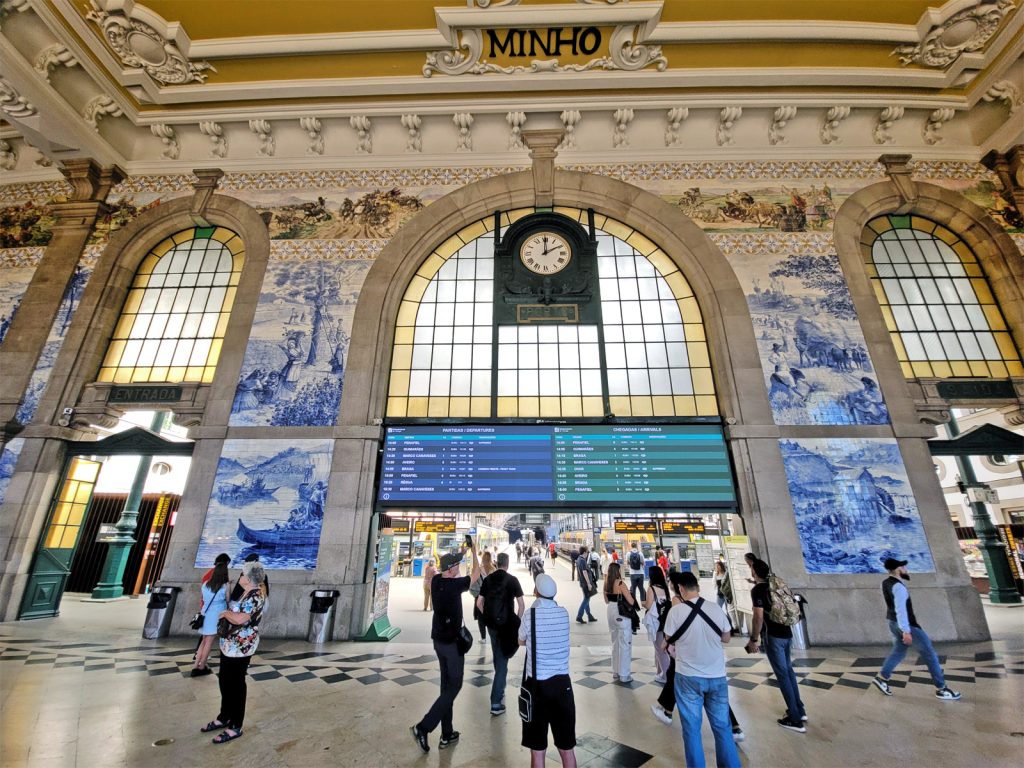
São Bento Station is proof that a railway hall can double as an art gallery without losing an ounce of dignity. From the outside, it is stately and reserved, almost modest. Step inside, however, and you are confronted by over twenty thousand azulejo tiles that narrate Portugal’s history in cobalt blue. Kings, battles, rural life, and royal processions unfold across the walls like a ceramic epic poem. The architecture itself is classical and composed, deliberately allowing the tiles to command attention. It is a station where waiting for a train feels less like an inconvenience and more like an invitation to linger.
Jungfraujoch Railway Station, Jungfraujoch, Switzerland
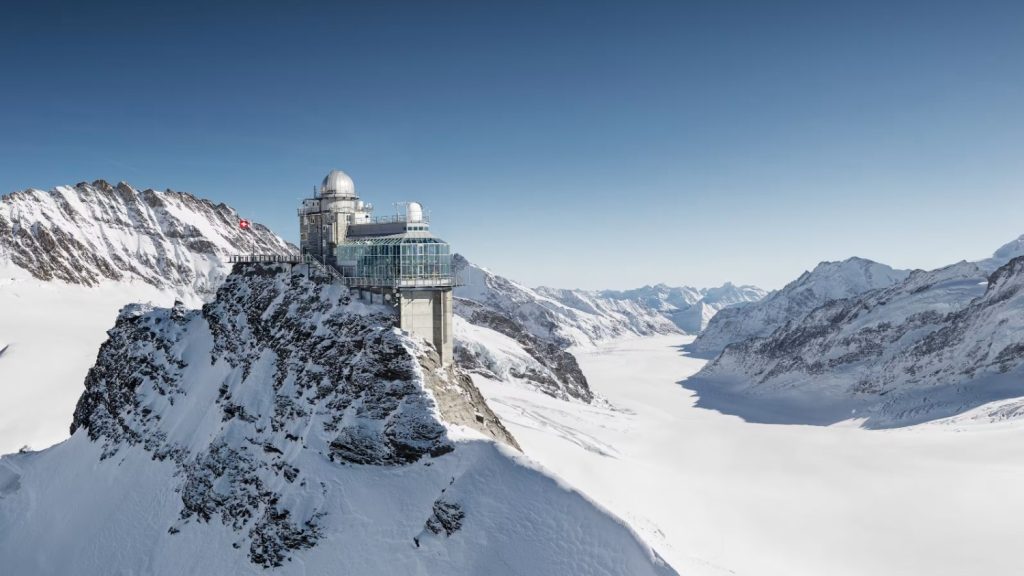
Jungfraujoch is not so much a station as it is an act of engineering defiance. Carved deep into the rock of the Bernese Alps at over 3,400 metres above sea level, it is the highest railway station in Europe and arguably the most improbable. There is no decorative excess here, no ornamental bravura. Its architectural power lies in its sheer audacity. Tunnels bored through solid mountain, observation halls hewn from ice bound stone, and platforms that feel closer to the heavens than the earth. It is a monument to precision, patience, and the Swiss belief that no mountain should remain unchallenged.
Helsinki Central Station, Helsinki, Finland
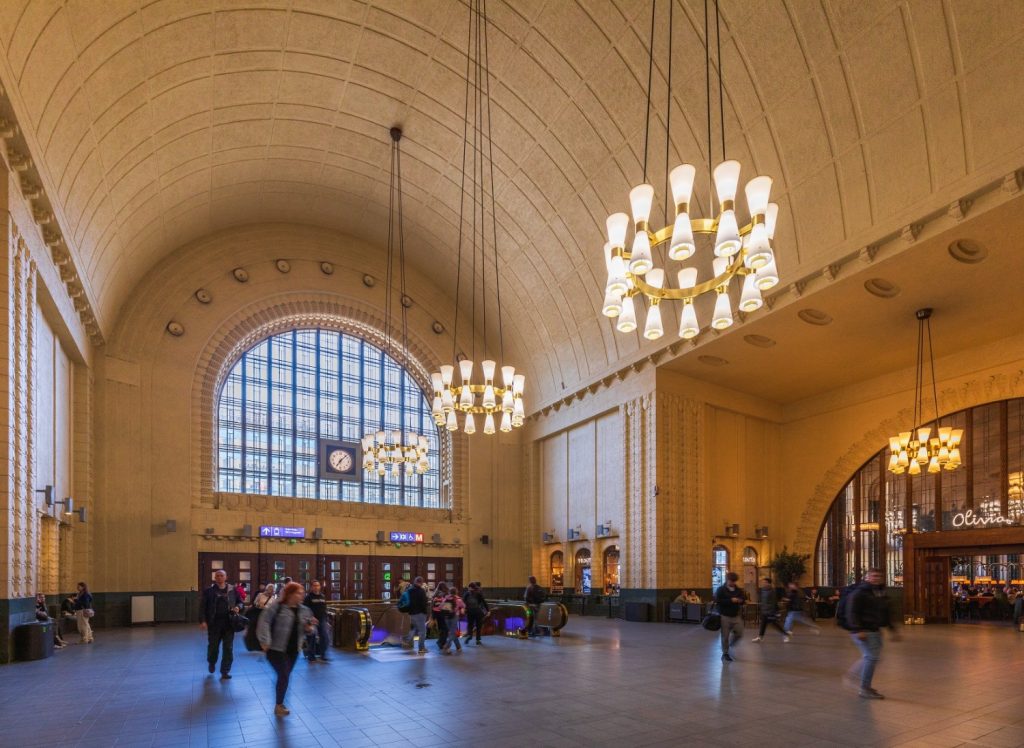
Helsinki Central Station stands with the calm confidence of a man who knows shouting is unnecessary. Designed by Eliel Saarinen and completed in 1919, it blends National Romanticism with early modernism in warm granite and clean lines. The famous lantern bearing statues guarding the entrance add a touch of solemn theatre, while the clock tower anchors the building firmly in the city’s skyline. Inside, the spaces are generous but never indulgent, practical yet quietly poetic. It is architecture that mirrors Finland itself: restrained, intelligent, and profoundly humane, proving that subtlety, when executed properly, can be just as commanding as grandeur.