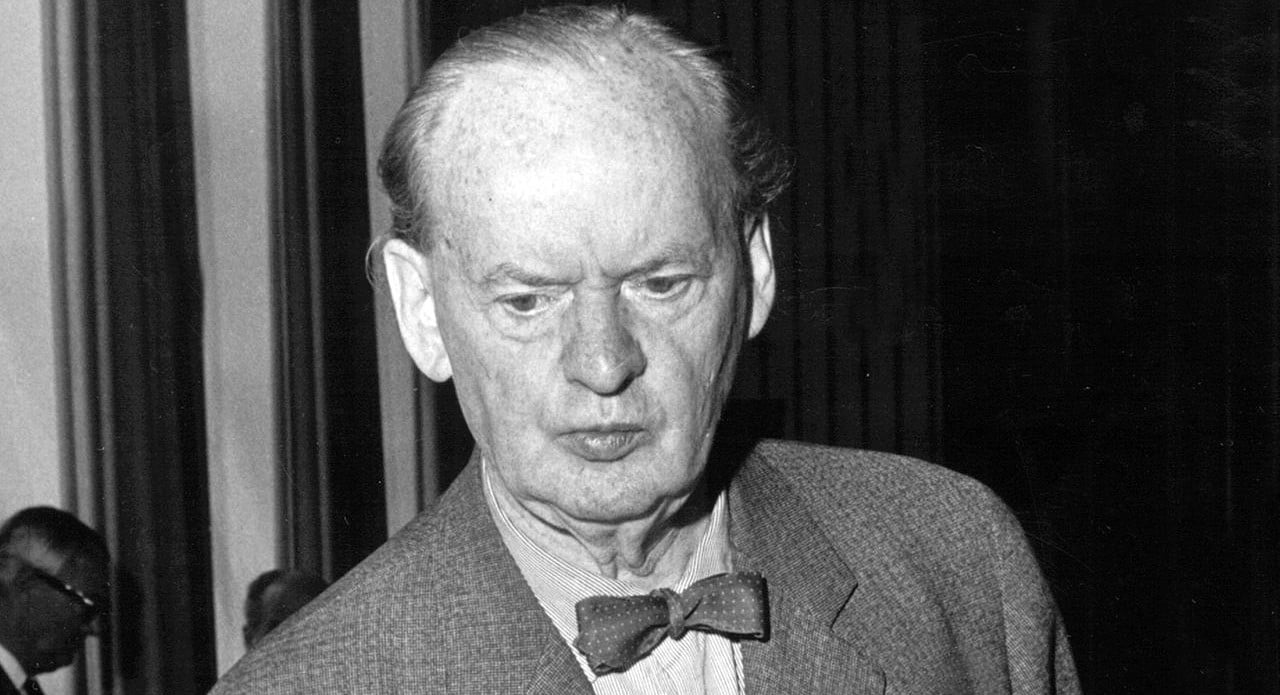


Hans Scharoun was the sort of man who would have looked at a perfectly straight line and asked, with barely concealed suspicion, what dreadful crime it was attempting to commit. Born in 1893, at a time when industry was busy convincing the world that efficiency was a virtue bordering on sainthood, Scharoun grew into an architect who firmly believed that buildings should behave less like obedient machines and more like well-mannered human beings. While others worshipped steel frames and mathematical purity with the zeal of Victorian clergymen, he designed spaces that curved, shifted, and adapted—because, inconveniently, people do too. His architecture was not about showing off intellectual muscle; it was about creating places where life could unfold naturally, gloriously, and without being shouted at by concrete.
A Humanistic Philosophy In An Inhuman Age
Scharoun’s architectural thinking was shaped by Expressionism and a deep mistrust of rigid functionalism. He rejected the idea that one universal system could suit all buildings, arguing instead that every structure should grow out of its purpose, its site, and its inhabitants. Architecture, for Scharoun, was an organic process—spaces unfolding like chapters in a novel rather than being stamped out like factory parts. This humanistic approach placed him on the fringes of mainstream modernism, but it also gave his work an enduring relevance that many of his more doctrinaire contemporaries lack today.
The political realities of 1930s Germany forced Scharoun into relative obscurity, as his expressive, non-monumental designs did not suit authoritarian tastes. Yet after the Second World War, his ideas found fertile ground in a nation desperate to rebuild not just its cities, but its sense of humanity.
Also Read: Inside The World’s Most Beautiful Libraries: Where Books Meet Architecture
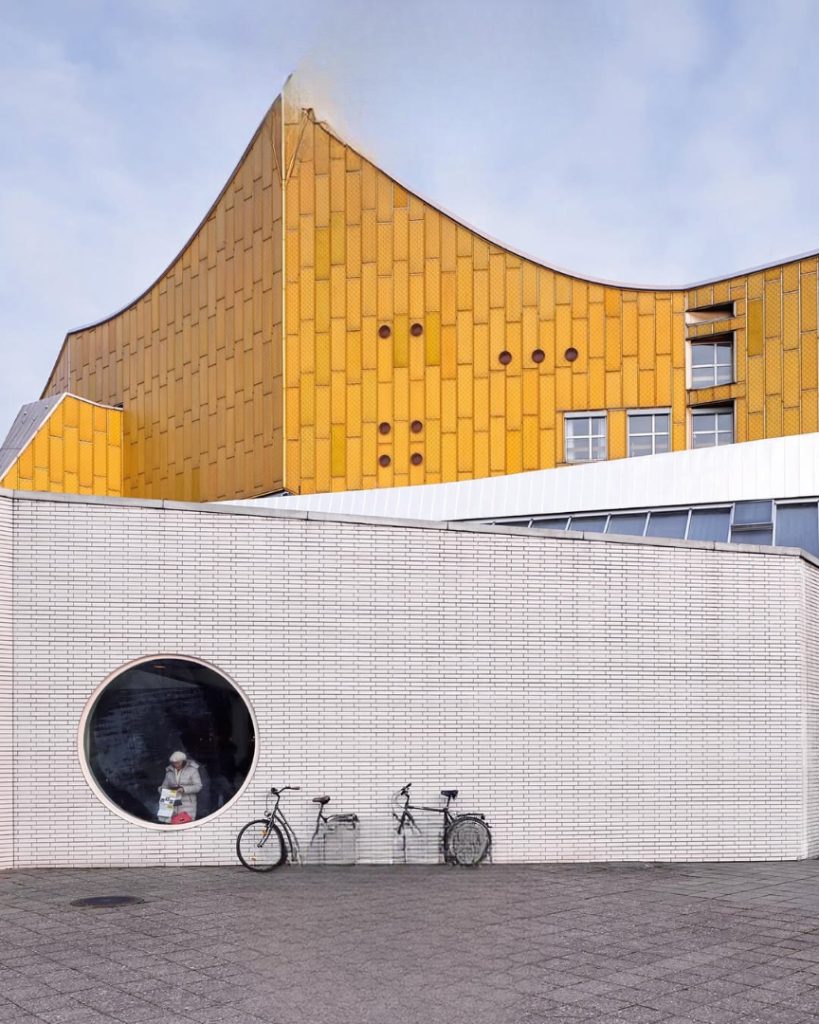
Berlin Philharmonie: A Concert Hall Turned Inside Out
Completed in 1963, the Berlin Philharmonie is Scharoun’s most celebrated work and the clearest embodiment of his philosophy. Instead of placing the orchestra obediently at one end, he positioned it at the centre, with terraced seating rising around it. This radical arrangement transformed the concert hall into a shared experience, bringing musicians and audience into an intimate spatial dialogue. The building’s irregular form is not a stylistic flourish but the natural result of designing from the inside out—proof that function, when guided by human experience, can be wonderfully expressive.
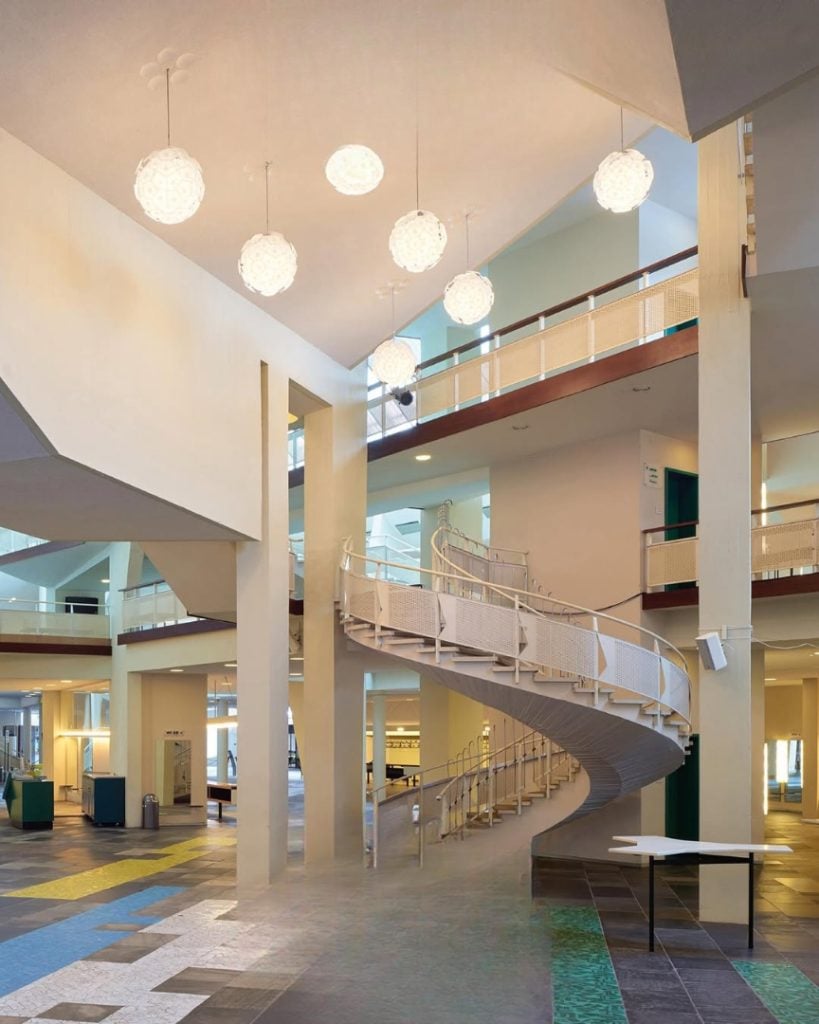
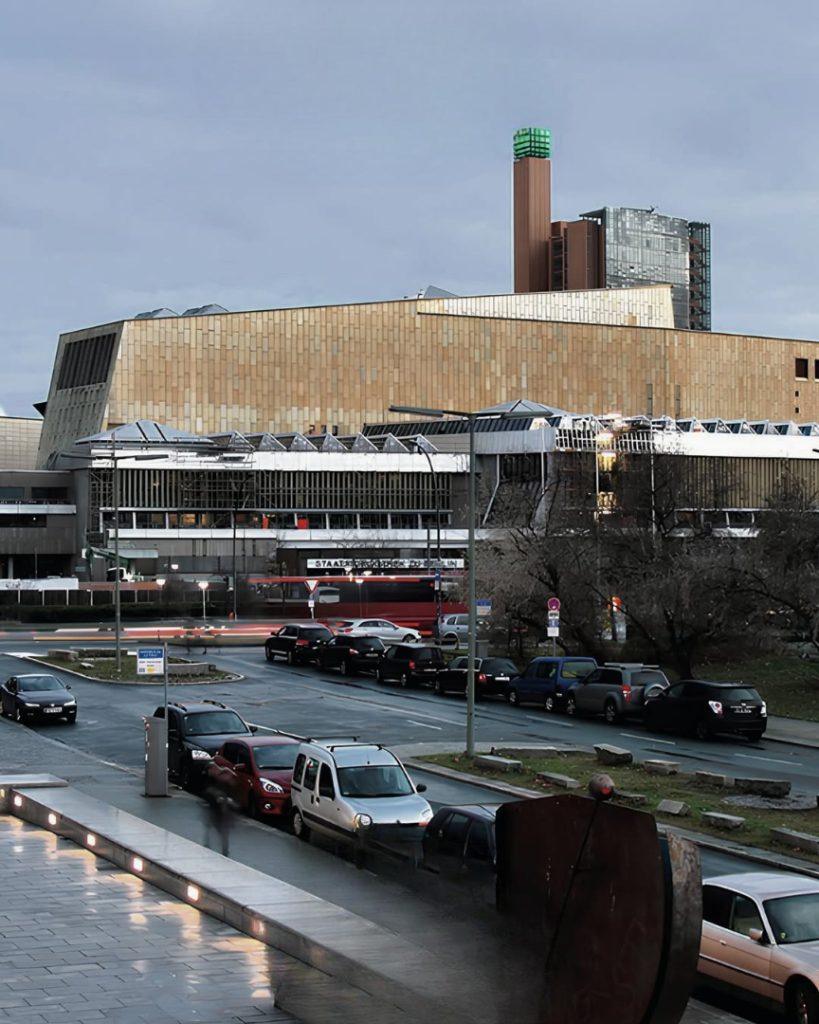
Staatsbibliothek zu Berlin: A Temple For Thought
The Berlin State Library extends Scharoun’s humanism into the realm of quiet contemplation. Its interior spaces flow gently rather than march rigidly, offering readers a variety of environments suited to different moods of study. Light is carefully modulated, circulation is intuitive, and the building encourages lingering rather than efficiency. It is a library designed not just to store knowledge, but to respect the human act of thinking.
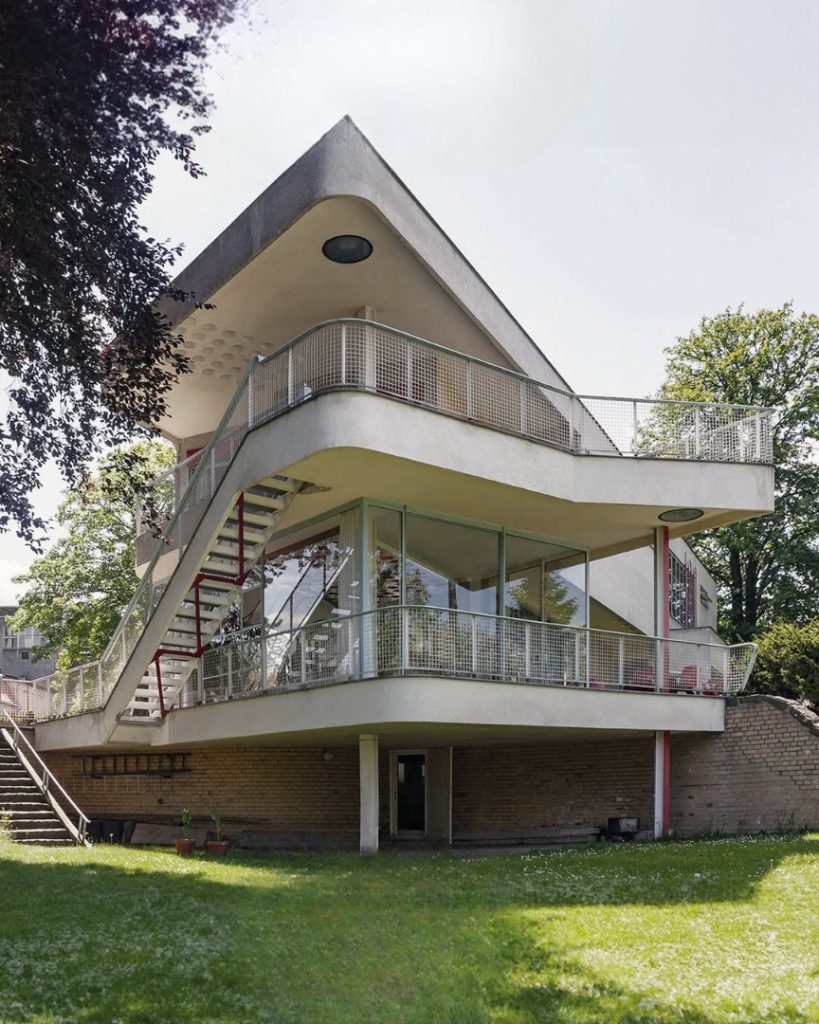
Romeo and Juliet Housing, Stuttgart: Humanity at Home
In Stuttgart’s Romeo and Juliet housing towers, Scharoun tackled the problem of modern urban living. Rather than repeating identical units, he varied apartment layouts to reflect the diversity of human life. The towers avoid the oppressive uniformity common in postwar housing, offering individuality within collective living—a rare achievement in residential architecture.
Hans Scharoun’s Enduring Legacy
Hans Scharoun left behind no rigid manifesto, only buildings that quietly insist architecture should serve people first. In an era obsessed with order and efficiency, he proved that modernism could be generous, emotional, and deeply civilised. His work remains a reminder that the best buildings do not dictate how we live—they listen.