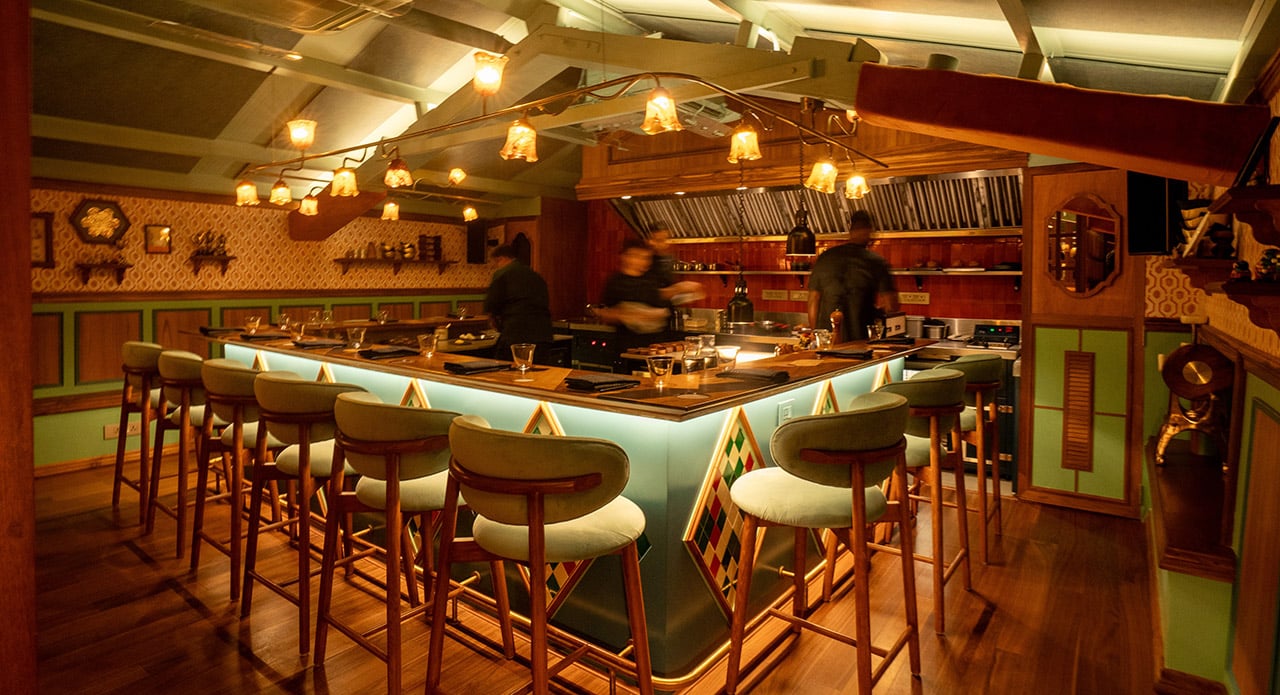


India’s emerging micro-restaurants are transforming the dining landscape, proving that scale no longer defines impact. These compact, 15-20-seat eateries bring diners closer to the heart of the kitchen, where every meal feels personal and every plate tells a story. By focusing on intimacy, craftsmanship, and connection, micro-restaurants are turning dining into an experience—one that’s fast becoming the most exciting and sought-after trend in the country’s evolving food scene. From Papa’s in Mumbai and Naar in Kasauli to Delhi’s ZuruZuru and Mr Button, these compact culinary gems are showing that small formats can make a big impact. With seating for just 7 to 20 diners, micro-restaurants are fast emerging as the most coveted dining experiences, where intimacy, focus, and creativity take centre stage.
Dinner, with a Dramatic Pause
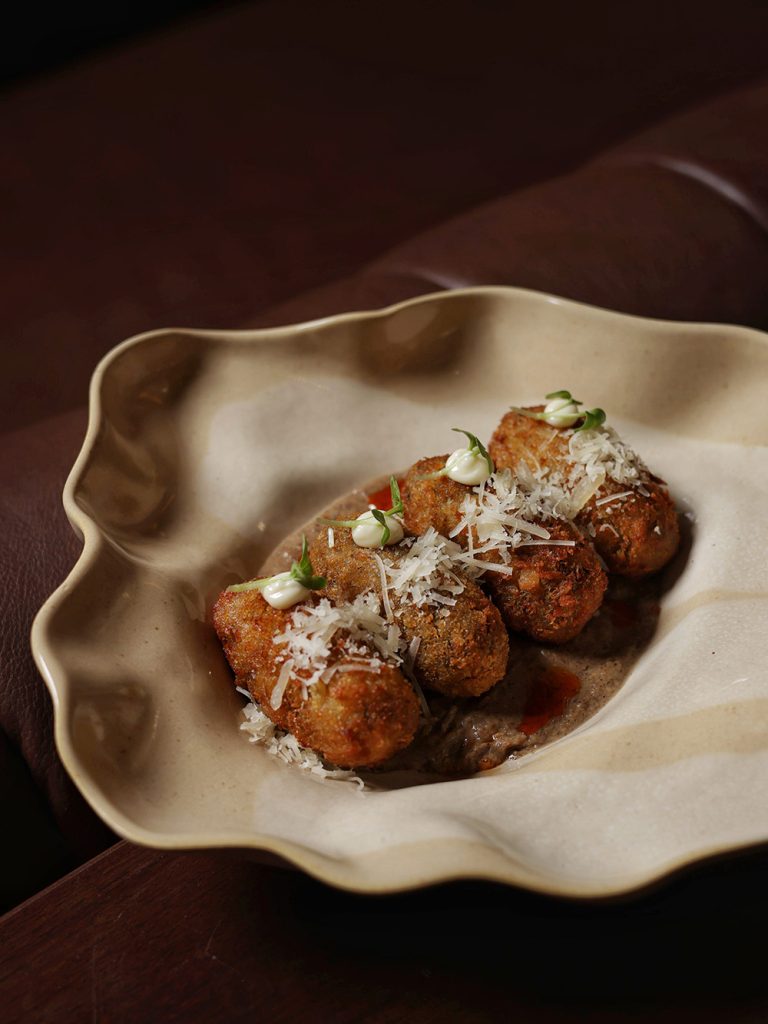
Talking of why diners are today increasingly drawn to micro-restaurants as these spaces add emotional or experiential value, Hussain Shahzad, Executive Chef, Hunger Inc. Hospitality, Papa’s shares, “Diners today are looking for something deeper than just a great plate of food. Micro-restaurants offer a sense of presence and connection that larger dining rooms simply cannot. When you walk into a space with 10-12 seats, you immediately feel part of the experience instead of watching it from a distance. There’s an honesty to it, the kitchen, the energy, the people behind the cocktails and food are all right there with you. Guests get to see why we do things, not just what we put on the plate. That sense of being included, being acknowledged, and being cooked for rather than cooked at is what people are gravitating toward. It feels personal, human, and emotionally memorable in a way traditional fine dining often struggles to match”.
These intimate spaces are a luxury of sorts, minus the chandeliers or white tablecloths. The chef knows the diners by name, each plate has a story, and intimate spaces that feel like homes—where thoughtful design, meaningful exchanges, and seasonal, local ingredients define the experience. These compact formats let chefs obsess over detail—perfecting every dish and interaction. With focused teams and fewer distractions, these intimate spaces consistently deliver refined, high-quality dining experiences.
Also Read: Five Luxe Delhi Restaurants To Ring In The New Year
Where The Table Is the Stage
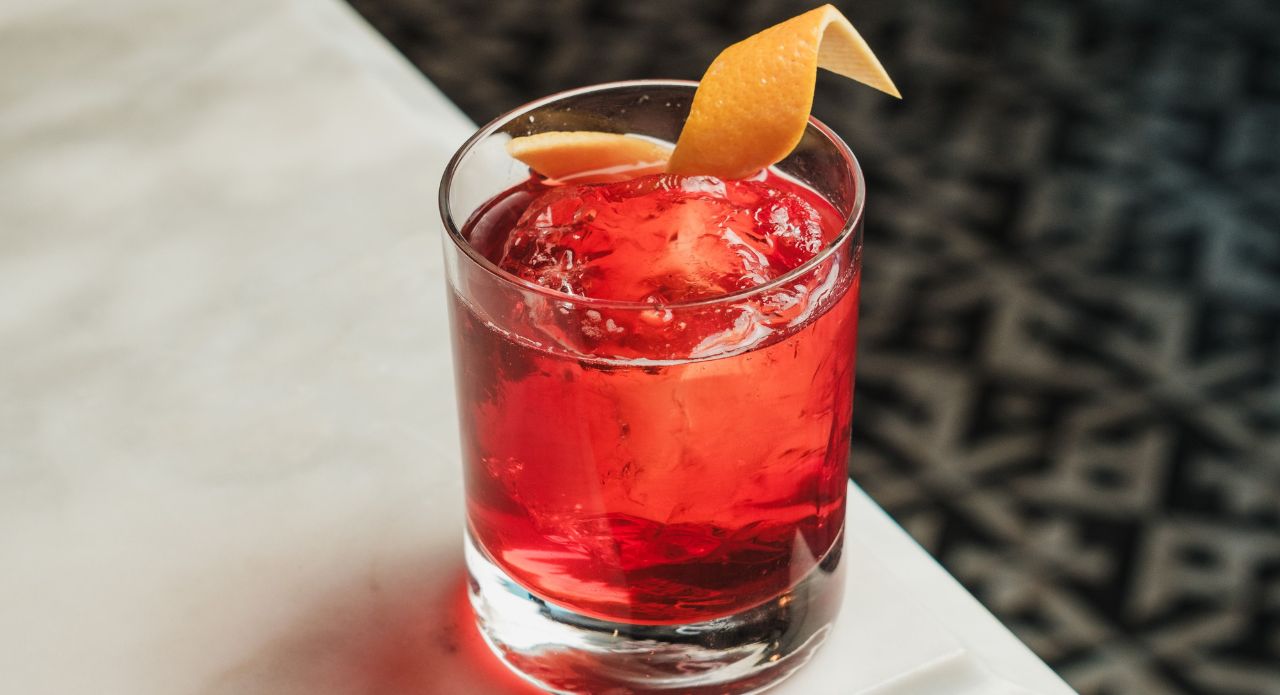
Sukriti Chopra, Co-Founder, NineCamp Ventures, talks about how intimate bar formats allow bartenders to experiment, “A smaller format allows our mixologists to work closer to the craft, the guest, and the story behind every drink. We’re able to experiment with small-batch infusions, house-made tinctures, regional produce, and time-intensive techniques that simply don’t scale well in larger bars.”
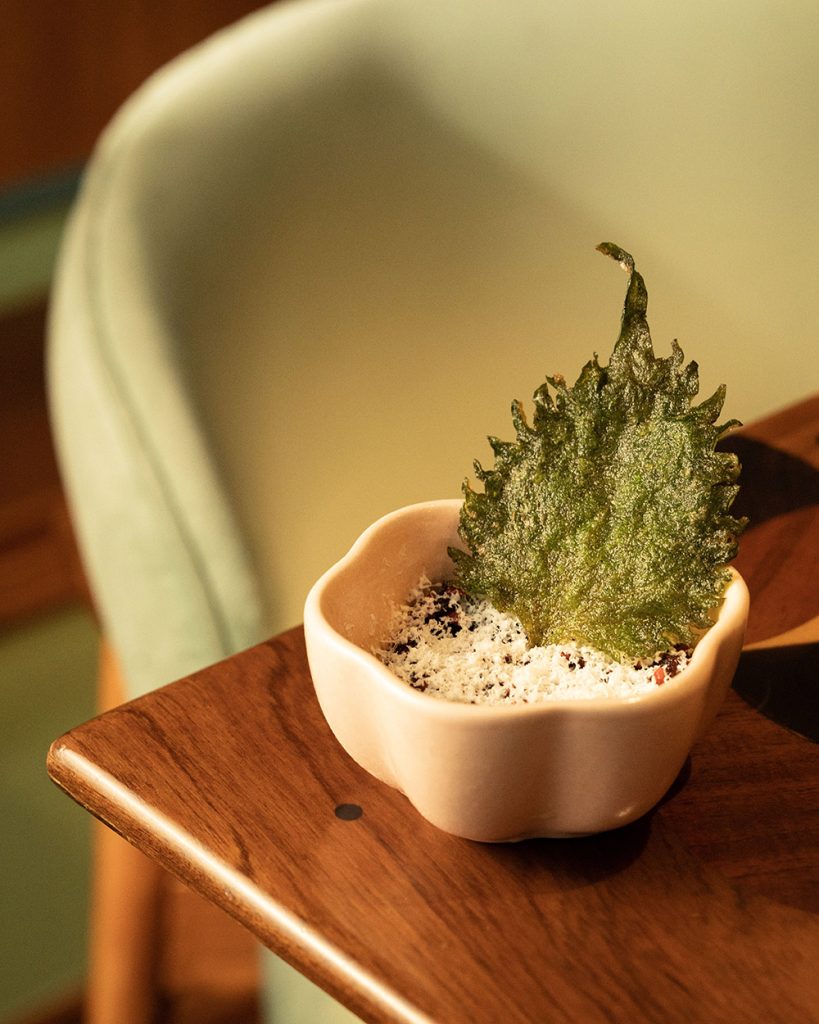
More importantly, it allows cocktails to be narrative-led. Each drink at Mr. Button is rooted in a moment, a vice, or a chapter from the world he’s travelled through. That level of storytelling requires conversation, curiosity, and a bartender who can read the room, something only an intimate bar truly allows. Personalisation comes naturally. We pay attention to how a guest is feeling, what they enjoy, and how their evening is unfolding, and let that guide the next drink.”
In these intimate, thoughtfully designed spaces, luxury is found in the nuances where each plate is a narrative, and rooms that feel more like a well-loved home than a conventional restaurant. Shahzad further adds, “Papa’s was designed to feel like you are coming over to a friend’s home for a dinner party, one who is incredibly serious about the craft of cooking, but carries none of the seriousness in their personality. We wanted the space to feel warm, familiar, and disarming from the moment you walk in.
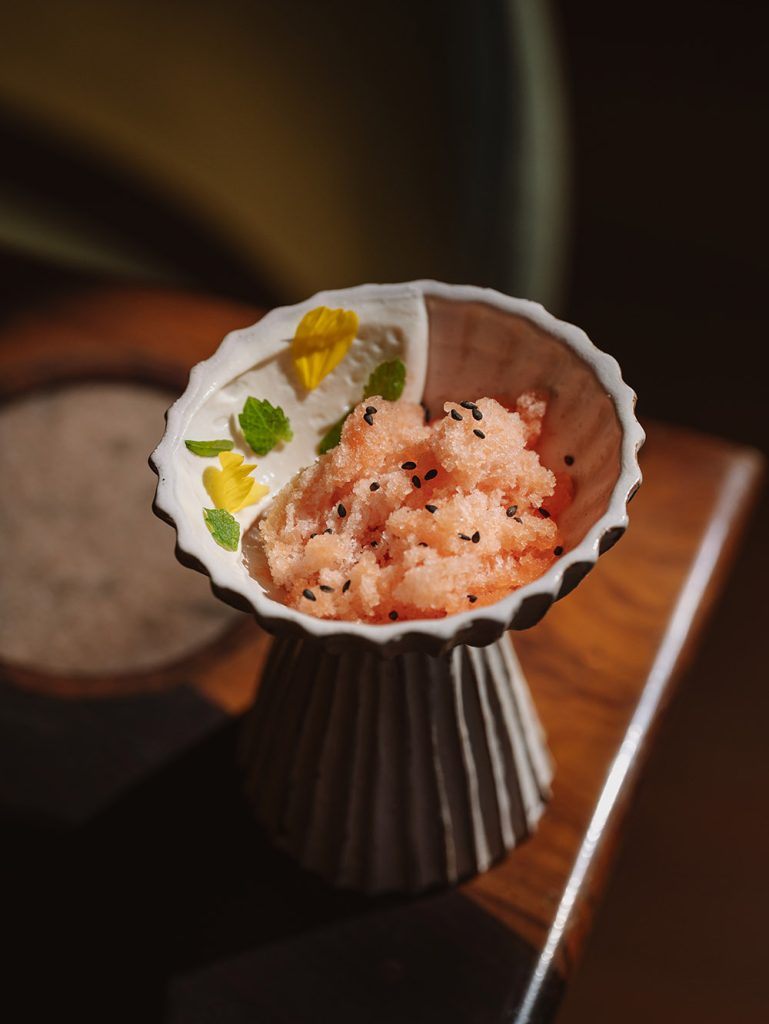
The idea was always simple: in a small room, the invisible wall between the kitchen and the table disappears. You begin to share stories, hear laughter, and sense curiosity building through the night. It stops being a one-way performance and becomes an exchange. That natural intimacy, course after course, creates a real bond. The room, the lighting, the music, the pace of the service, everything is intentionally understated and thoughtfully layered. That feeling of being welcomed, engaged, and part of something personal… that is the true heart of Papa’s.”
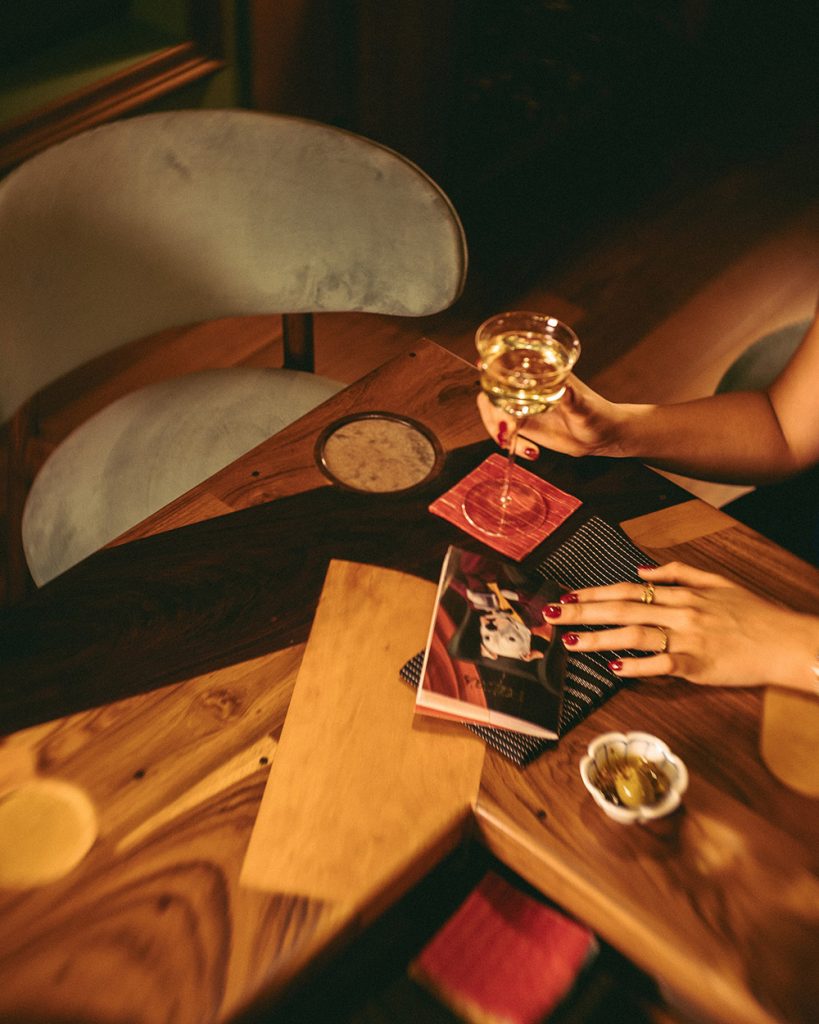
Today, across cities, intimate formats are quietly making a big impact. Bengaluru’s SOKA, a compact space, has earned acclaim for its craft cocktails and thoughtful bar fare by chef Sombir Choudhary and Avinash Kapoli or Naru Noodle Bar that operates across five reservation slots, not to miss destination-led concepts like NAAR by chef Prateek Sadhu, a 16-seat Himalayan retreat. In a smaller, intimate setting, guests are more present, more engaged, and more open to conversation, both with the mixologist and with each other. There are less anonymity and more familiarity. At Mr Button, this creates a quiet sense of belonging. Over time, the bar becomes a shared living room for a like-minded community: people who enjoy good drinks, are curious, and appreciative of detail,” confirms Sukriti.
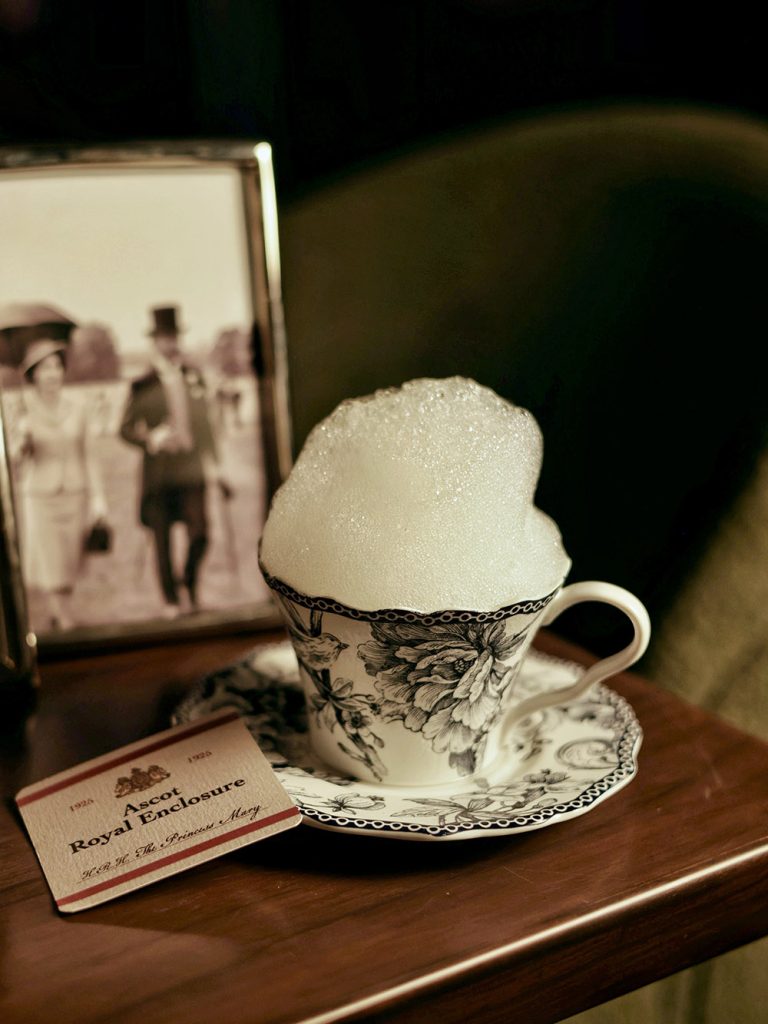
Here, cooking and service move in quiet harmony—precise, graceful, and deeply rehearsed. Each meal unfolds like a performance, where skill and training are as vital as creativity. At the same time, these intimate formats speak to a wider shift: a growing weariness with formulaic dining and a renewed appetite for experiences that feel considered, expressive, and refreshingly original.