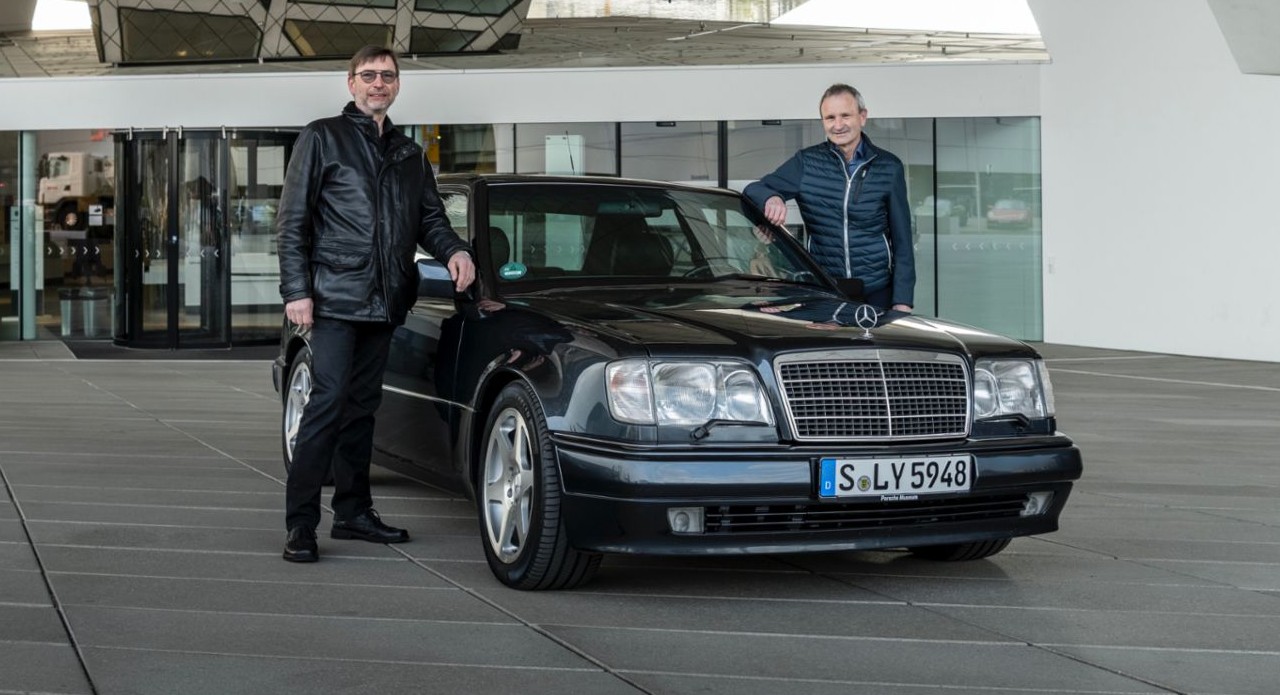


It was fast, discreet, beautifully engineered, and unlike many modern luxury cars, it knew exactly what it was. There was a time when Mercedes-Benz built cars with the sort of confidence normally reserved for naval warships. They were not designed to impress your neighbours or to glow purple at night when you opened the doors. They were designed to survive continents, divorces, and minor geological events. And somewhere in that glorious era of overengineering, Stuttgart produced what many still consider the greatest Mercedes ever made: the 500 E, based on the W124 platform.
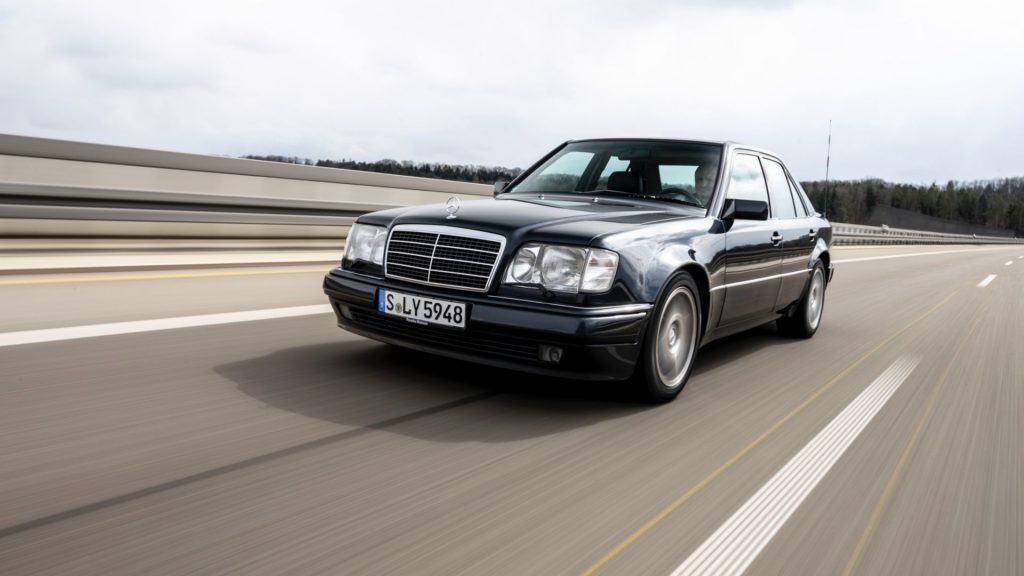
Now, calling any car ‘the best Mercedes ever’ is a bit like declaring the best James Bond. People become emotional, irrational, and occasionally violent. But the 500 E has a very strong case because it did something extraordinary. It took the solid, sensible W124 executive saloon, a car normally associated with accountants and extremely punctual dentists, and turned it into a V8-powered missile developed with help from Porsche. Yes, Porsche. Because apparently Mercedes engineers looked at the standard W124 and thought, ‘This is far too reasonable. Let us make it terrifying.’
The story begins in the late 1980s when Mercedes wanted a proper high-performance saloon to compete with the rising German madness coming from BMW. The answer was not to stick on a spoiler the size of a dining table and call it progress. Instead, they borrowed the magnificent 5.0-litre naturally aspirated V8 from the R129 500 SL. This engine, known internally as the M119, produced around 322 horsepower and 480 Nm of torque, which today sounds like what a modern crossover produces while carrying a yoga instructor to brunch. But in 1991, this was serious business. Very serious business. It launched the 500 E from 0 to 100 km/h in about 5.5 seconds and pushed it to an electronically limited 250 km/h.
Also Read: Audi RS 5 Unveiled at Miami Grand Prix 2026: Engine, Features, And Global Buzz
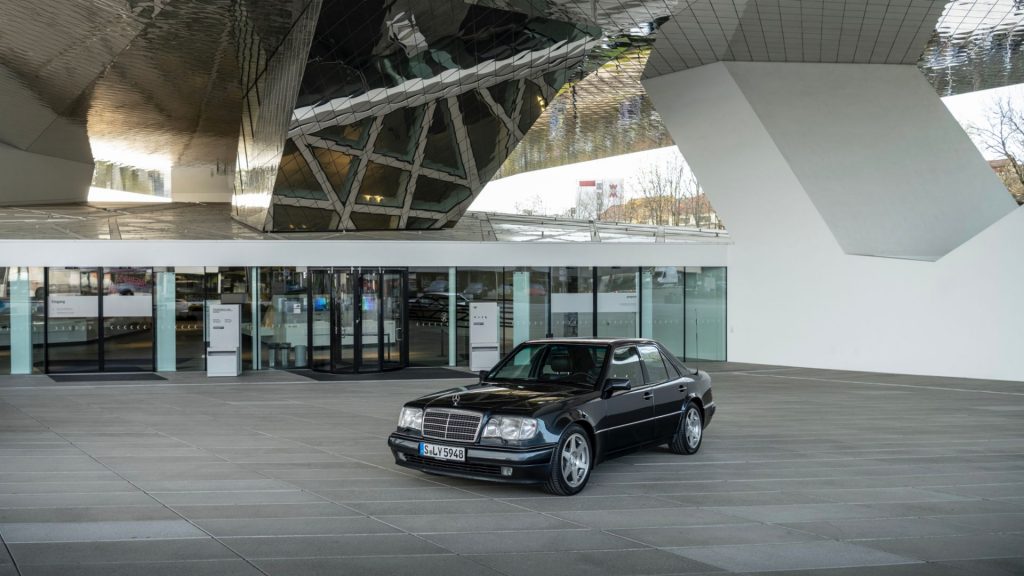
In a four-door saloon. In the early 1990s. While your neighbour was proudly polishing his 90-horsepower hatchback. But the real magic was not just the engine. It was how the car was built. Because the wider V8 would not fit neatly into the regular W124 production line, Mercedes sent the body shells to Porsche’s factory in Zuffenhausen for assembly. Porsche widened the front wings, adjusted the suspension geometry, modified the chassis, and essentially hand-built the thing before sending it back to Mercedes for final finishing.
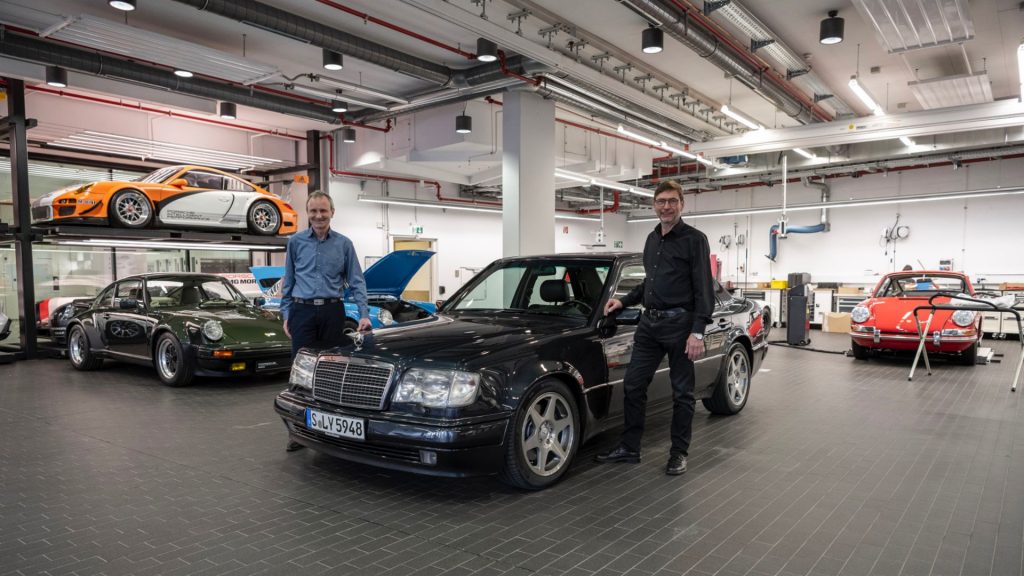
This meant production was gloriously inefficient. Each car reportedly took around 18 days to complete. Today, manufacturers would call that a disaster. Back then, it was called pride. And it looked brilliant precisely because it did not scream about it. The 500 E was subtle. Slightly flared arches, a lower stance, a discreetly aggressive posture, and just enough menace to suggest that the driver might know where several bodies are buried. It was the automotive equivalent of a very expensive watch worn under a shirt cuff.
Inside, it was classic Mercedes. Vault-like build quality, leather that probably still smells expensive today, and controls designed with the assumption that the driver possessed functioning intelligence. No giant touchscreen. No subscription service to activate heated seats. Just engineering. The suspension was revised with a wider track, self-levelling rear suspension, and a setup that managed the impossible trick of being both comfortable and devastatingly capable. It could cruise across Europe in total silence and then embarrass sports cars on the autobahn without breaking a sweat.
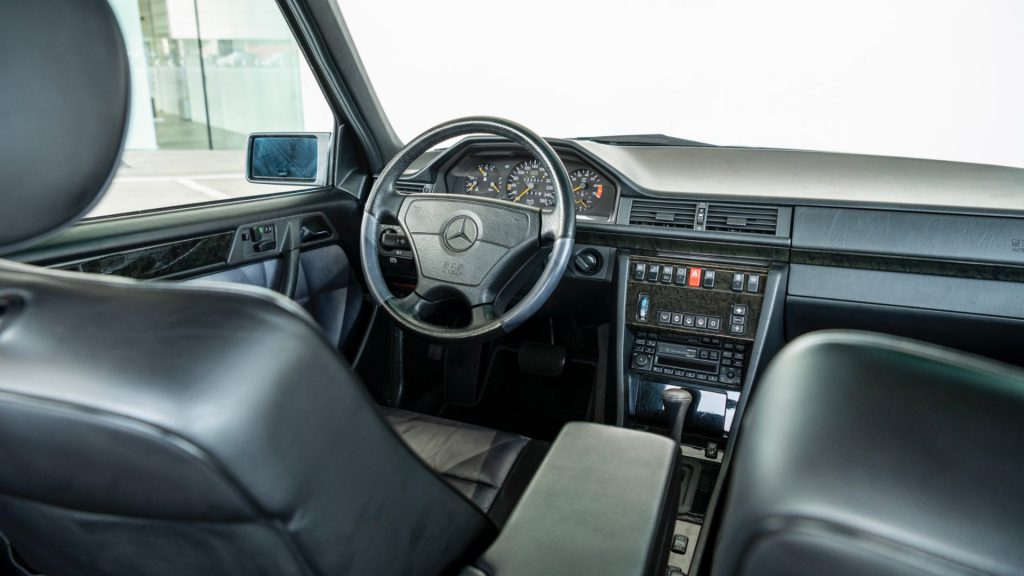
This was the genius of the 500 E. It did not force you to choose between luxury and performance. It simply gave you both and then quietly judged you for asking. Reliability, too, was part of its legend. The M119 V8 is regarded as one of Mercedes’ finest engines, built in an era before accountants were allowed to make engineering decisions. Proper maintenance mattered, of course, but the bones were magnificent. Many examples today have crossed astronomical mileage figures while still running better than some new cars.
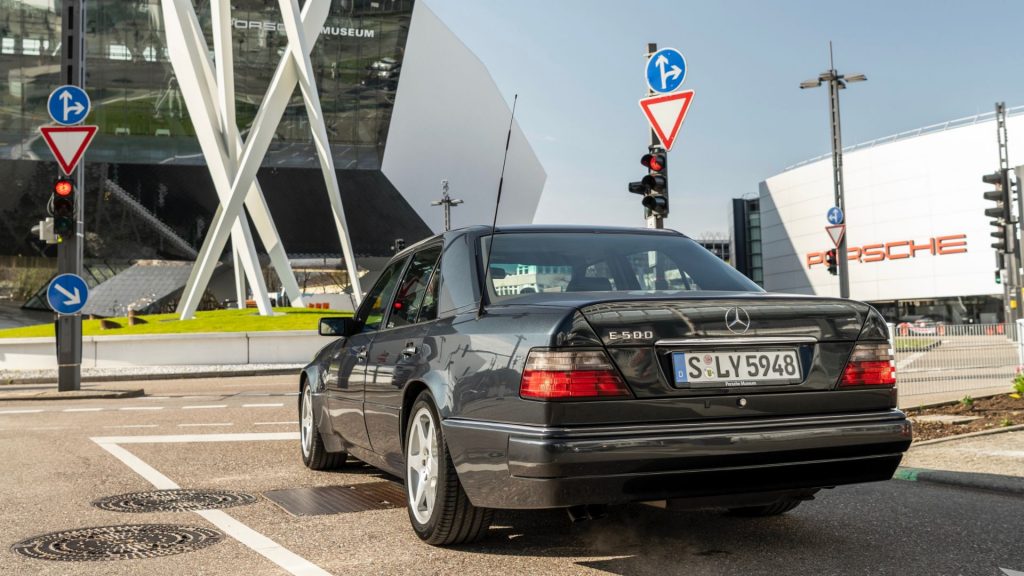
And that is perhaps why enthusiasts remain obsessed with it. The 500 E represents a kind of lost philosophy. It came from a time when engineers were allowed to overbuild things simply because excellence mattered. It was not chasing quarterly sales targets or trying to become a social media accessory. It was built to be right. Modern AMG models are faster, louder, and far more likely to introduce themselves with unnecessary drama. But the 500 E remains cooler because it understood restraint. It did not need to shout. It simply arrived, crushed the opposition with Teutonic efficiency, and drove home in silence. Which, frankly, is the most Mercedes thing imaginable.