How Cornelia Hahn Oberlander Transformed Canadian Landscape Design
Long before sustainability became fashionable and urban planners began talking about green cities like they had personally invented trees, Cornelia Hahn Oberlander was quietly redesigning the relationship between architecture, nature, and human life
Most people walk through parks without thinking about who designed them. They notice trees, pathways, perhaps a bench awkwardly occupied by a pigeon, and move on. But great landscape architecture is not simply decoration. It is invisible engineering for human emotion. It shapes how cities feel, how people interact, and whether an urban space inspires calm or resembles an airport parking lot after a power outage. And few understood this better than Cornelia Hahn Oberlander. Often described as the First Lady of Canadian landscape architecture, Oberlander did not merely design gardens. She fundamentally changed how modern cities approached public space, sustainability, and environmental design decades before the rest of the world caught up. While others were busy erecting concrete monuments to ego and bureaucracy, she was asking a far more intelligent question: how should people actually live within these spaces? That difference changed everything.
From Germany To Canada
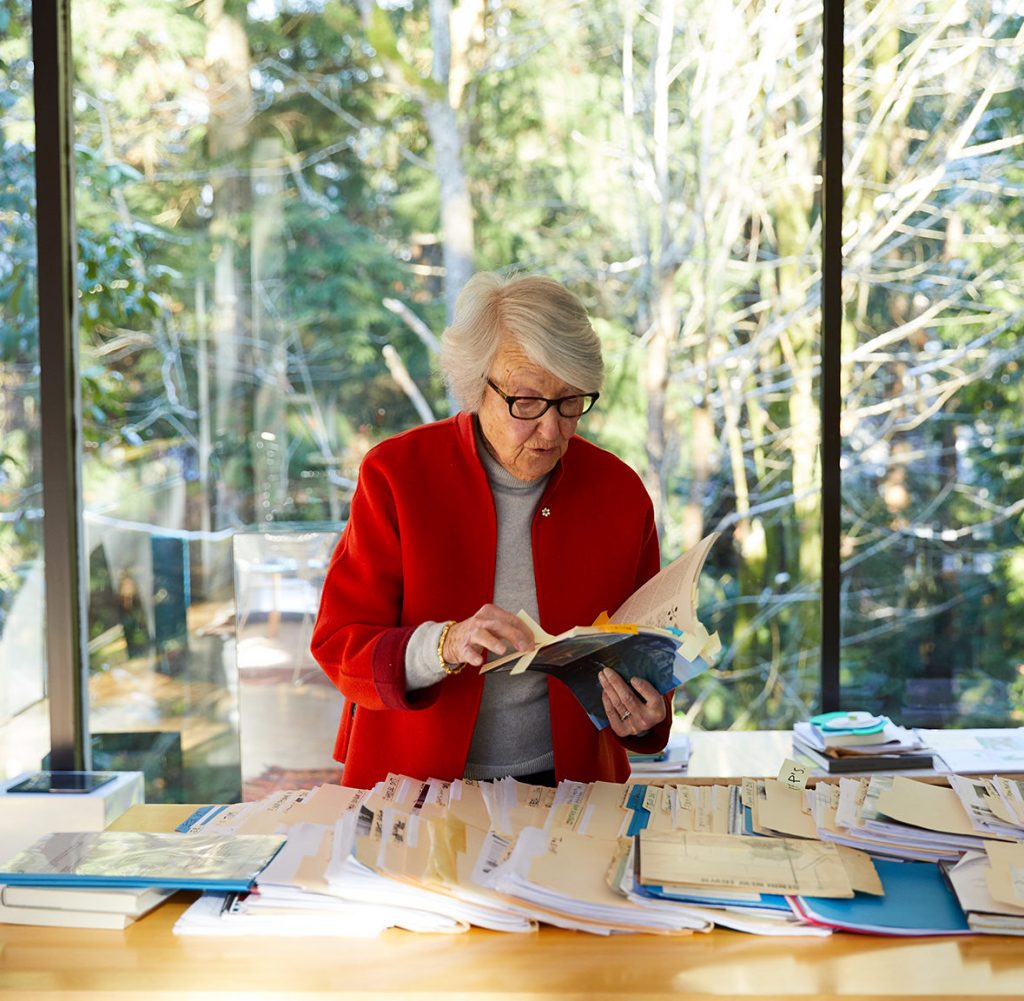
Born in Germany in 1921, Oberlander’s early life was shaped by upheaval. Her Jewish family fled Nazi persecution and eventually settled in the United States before she later built her remarkable career in Canada. Those experiences profoundly influenced her worldview. She understood displacement, understood the psychological importance of belonging, and perhaps most importantly, understood that environments shape human wellbeing more deeply than most architects care to admit.
She studied landscape architecture at Harvard Graduate School of Design, becoming one of the first women to graduate from the program. Which, considering the architectural world of the mid twentieth century was dominated by men who probably thought shrubbery was an administrative issue, was no small achievement. But Oberlander never approached landscape architecture as ornamental gardening. To her, landscape was infrastructure. It was social responsibility. It was psychology, ecology, and urbanism working together.
Also Read: How Ricardo Bofill Transformed An Abandoned Cement Factory Into A Dream Home
Designing Cities For Humans, Not Cars
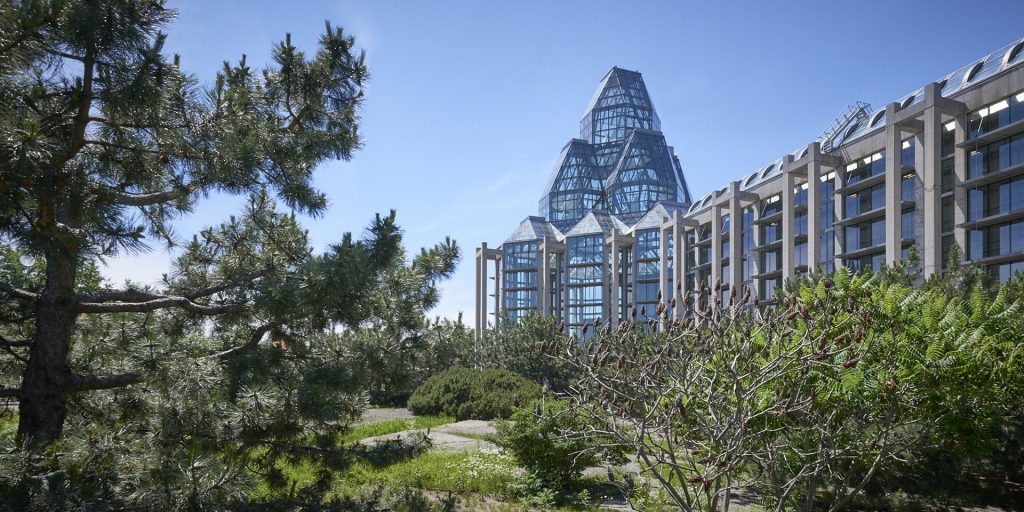
The twentieth century was full of urban planners obsessed with roads, towers, and parking spaces. Entire cities became exercises in concrete efficiency, often stripping away humanity in the process. Oberlander resisted this mentality fiercely. Her work consistently placed people and ecology at the centre of design. She believed children should interact with nature daily. She argued that green spaces were not luxuries but necessities.
Long before sustainability became a marketing buzzword slapped onto overpriced apartment projects, Oberlander was integrating environmental thinking into architecture naturally and intelligently. One of her most influential projects was the landscape design for Robson Square in Vancouver alongside architect Arthur Erickson. Rather than creating a cold civic complex, the design introduced cascading terraces, greenery, and public gathering spaces that felt alive and welcoming. This became her signature philosophy: architecture should not dominate nature. It should coexist with it.
Also Read: How Claude Parent Became The Most Radical Figure In 1960s French Architectural Design
The Pioneer Of Sustainable Urban Design
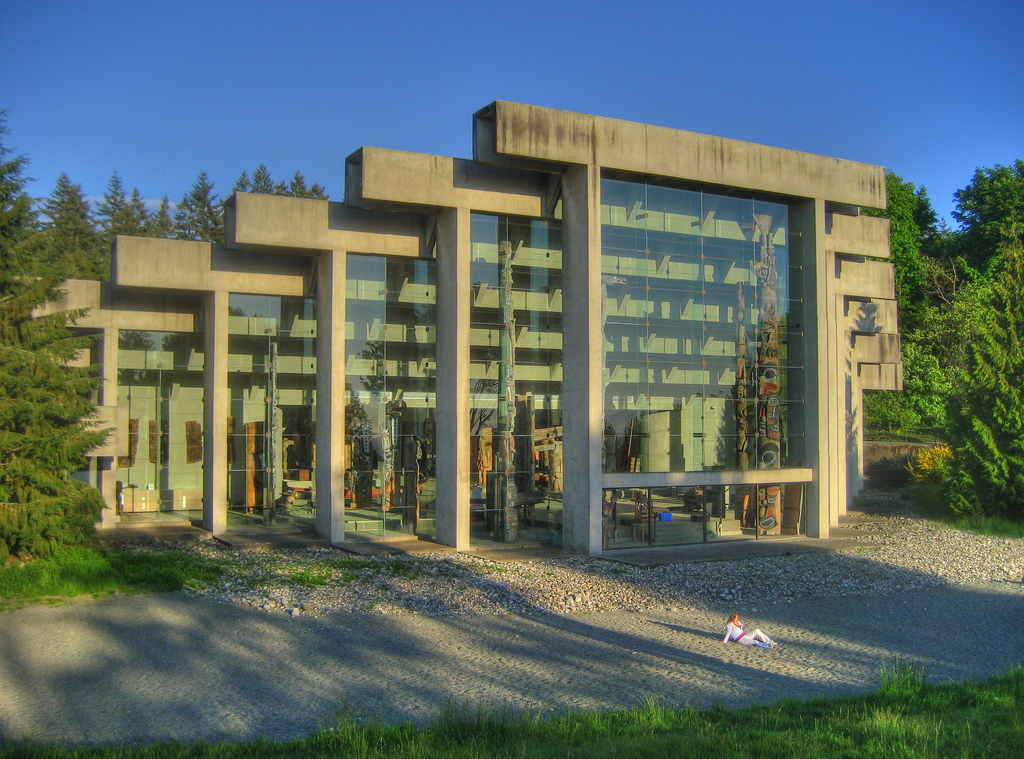
Today, every luxury developer on Earth wants to tell you their building is “green.” Usually this means placing three potted plants near reception and adding a recycling bin beside the espresso machine. Oberlander, meanwhile, spent decades genuinely pioneering sustainable landscape architecture before it became commercially fashionable. She advocated for native plant species, ecological restoration, green roofs, and environmentally responsive urban planning long before governments and corporations began treating sustainability as a public relations exercise.
Her projects demonstrated that environmental responsibility and beautiful design were not opposites. In fact, they strengthened one another. That philosophy influenced generations of architects, planners, and landscape designers across North America and beyond. Modern conversations around climate-conscious urbanism owe an enormous debt to her work.
Why Her Legacy Matters Today
The remarkable thing about Cornelia Hahn Oberlander is that much of what she fought for now feels obvious. Of course cities need green spaces. Of course children benefit from nature. Of course architecture should consider environmental impact. But it only feels obvious because visionaries like her spent decades pushing against industries that often prioritised spectacle over humanity. Her legacy is not confined to gardens or plazas. It lives in every modern attempt to make cities more livable, sustainable, and emotionally intelligent. She helped transform landscape architecture from decorative afterthought into an essential part of urban life.
And perhaps that is what made her truly extraordinary. She understood that the greatest designs are not always the loudest ones. Sometimes the most important architecture is the kind that quietly improves how people feel without demanding applause for doing so. Which, in a world increasingly addicted to noise, feels almost revolutionary.