The Soul of Iranian Architecture: Timeless Design, Cultural Influence And Legendary Architects
Explore the soul of Iranian architecture—from ancient domes and poetic courtyards to modern masterpieces shaped by legends like Zaha Hadid–trained architects, Kamran Diba, Nader Ardalan, and contemporary innovators redefining Persian identity today
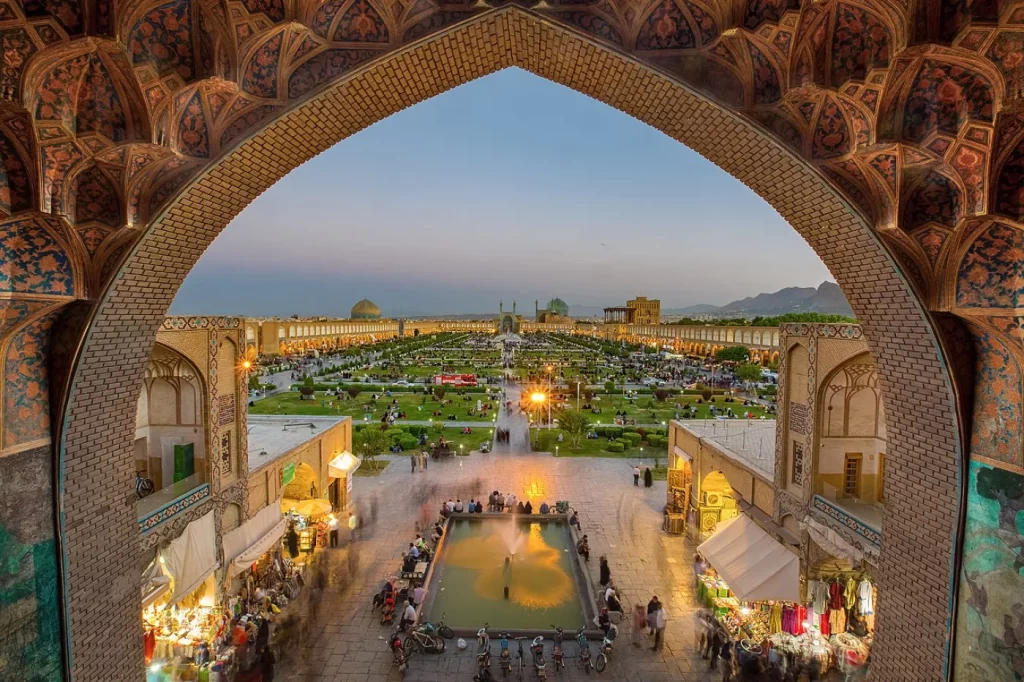
If you think architecture is just about walls and roofs, go to Iran and prepare to have your senses kneecapped. Here, buildings don’t merely stand—they sing. Palaces glow in luminous blues that make the Mediterranean look beige, mosques rise like mathematical hallucinations, and gardens are carved so perfectly you’d swear geometry was invented just to please them. Iranian architecture doesn’t whisper history, it screams it through domes, iwans, minarets and tilework so hypnotic it could make a saint swear. This is not a country that builds to impress; it builds to immortalise. What you’re looking at is five thousand years of empires, astronomy, religion, trade, war, poetry and love—all chiselled into stone. It’s architecture that understands something most modern cities forgot: beauty must have soul. Step into Isfahan or Shiraz and suddenly you’re in a museum where you can breathe. Welcome to a culture that designs like it dreams—on a celestial scale.
Also Read: Did a Japanese Architect Inspire Star Wars? How Shin Takamatsu’s Buildings Shaped Sci-Fi Design
What Is Iranian Architecture?
Iranian architecture is one of the world’s most continuous and influential design traditions, stretching from ancient Persia through Islamic dynasties to modern Iran. Its visual language combines spirituality, astronomy, mathematics and storytelling. Spaces are organised around symmetry, courtyards, gardens, circulation of air, and an intense devotion to craftsmanship. The result is architecture that feels eternal: domes shaped like inverted heavens, ribbed vaults echoing stars, and tiled surfaces that glow with impossible blues. Unlike Western classical traditions, Iranian design rarely focuses on spectacle alone; it builds environments that function as cultural sanctuaries—cool, reflective, poetic and deeply human.
Ancient Beginnings: Achaemenid And Sassanian Influence
Iran’s architectural roots stretch back to Persepolis—one of the most magnificent ancient capitals ever built. Founded by Darius the Great, its columned halls, stone gateways and carved reliefs established the geometry and monumentality that future eras would refine. Later, the Sassanian Empire revolutionised the world with the invention of the true dome, influencing Roman, Byzantine and Islamic buildings. Structures like the Palace of Ardashir and the Taq Kasra arch still stand as engineering marvels. This ancient lineage is why Iranian cities do not simply evolve—they inherit.
Also Read: Master of Light: How Louis Kahn Turned Sunlight Into An Architectural Material
Islamic Transformation: The Age of Domes And Blue Cities
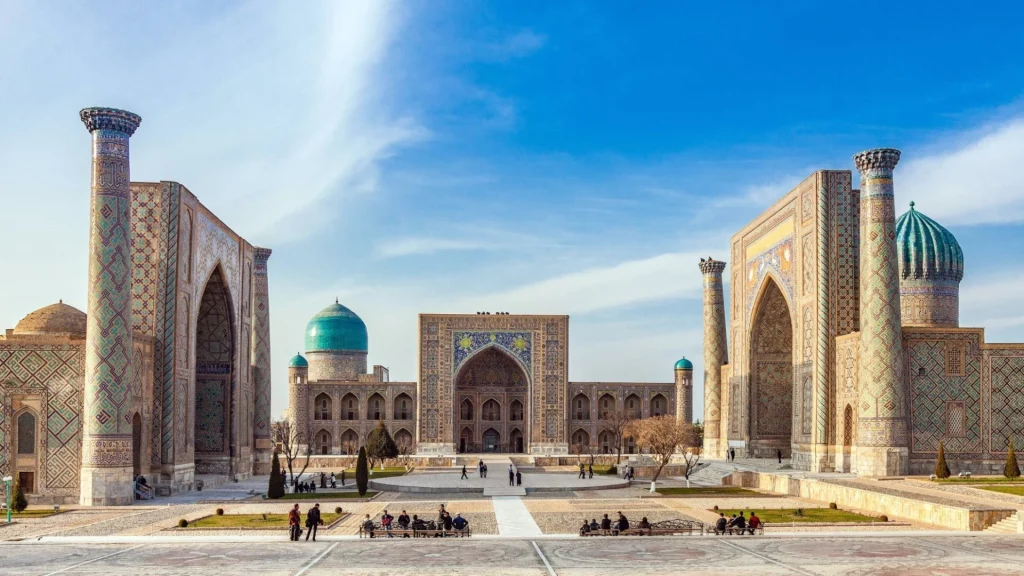
From the 11th to the 17th century, Iranian architecture entered its golden age. The Seljuqs pioneered double-shell domes and perfect mathematical vaults. Then came the Safavids and changed the rules. Isfahan became a city-sized jewel box: Imam Mosque’s acoustics were engineered so a whisper echoes across the entire dome; Sheikh Lotfollah Mosque glows in tiles that shift colour with the sun. Iranian Islamic architecture didn’t just add ornamentation—it invented it. The polychrome tile tradition, the turquoise domes, the epigraphic calligraphy and the soaring iwans became icons copied across Central Asia and India. Without Iran’s design language, cities like Lahore, Samarkand and Delhi would look dramatically different today.
The Geometry Of Paradise: Persian Gardens And Urban Planning
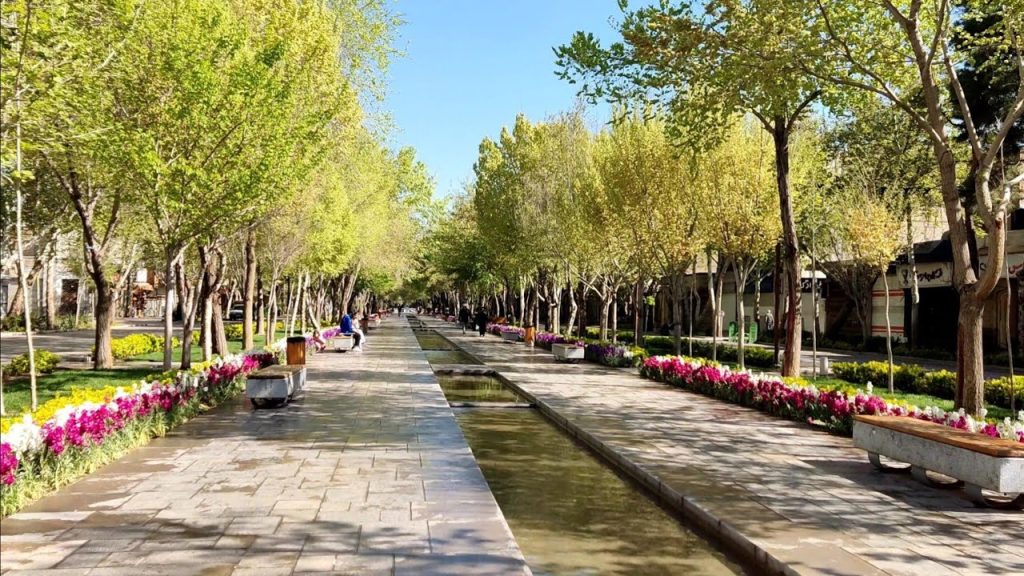
One secret to Iranian architecture is the Persian garden. Built on the concept of Chahar Bagh—a fourfold division symbolising the gardens of paradise—these landscapes influenced the Taj Mahal gardens, Mughal courtyards and European Romantic landscaping. Shade, running water, fruit trees and symmetry were not decorative—they were climatic survival. In desert climates, these gardens were engineered air-conditioning systems long before cooling machines existed. Iranian architecture is not just beautiful; it is intelligent. The signature traits of Iranian architecture include domes shaped with perfect mathematical curvature, pointed arches, iwans framing monumental entrances, stucco artistry, mirror mosaics, calligraphic inscriptions and richly coloured tilework. Windcatchers known as badgirs funnel cool air into desert homes, making places like Yazd functional masterpieces. Courtyards create cooling microclimates. Minarets balance skylines. Interiors glow with light rather than shadow. Everything is connected through geometry and harmony.
Famous Buildings: Icons of Cultural Identity
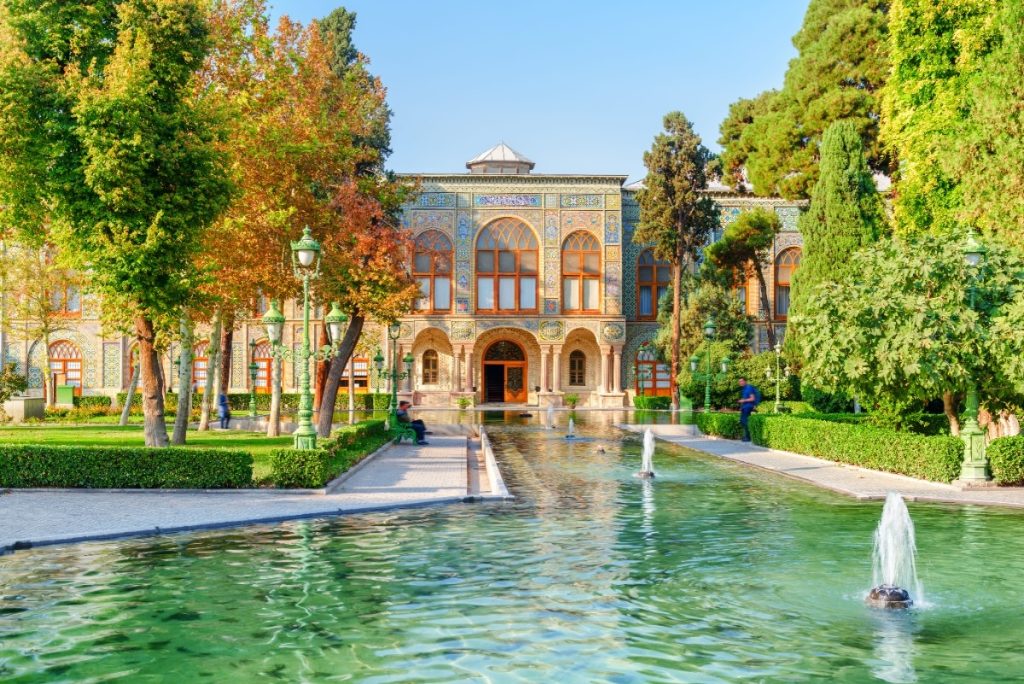
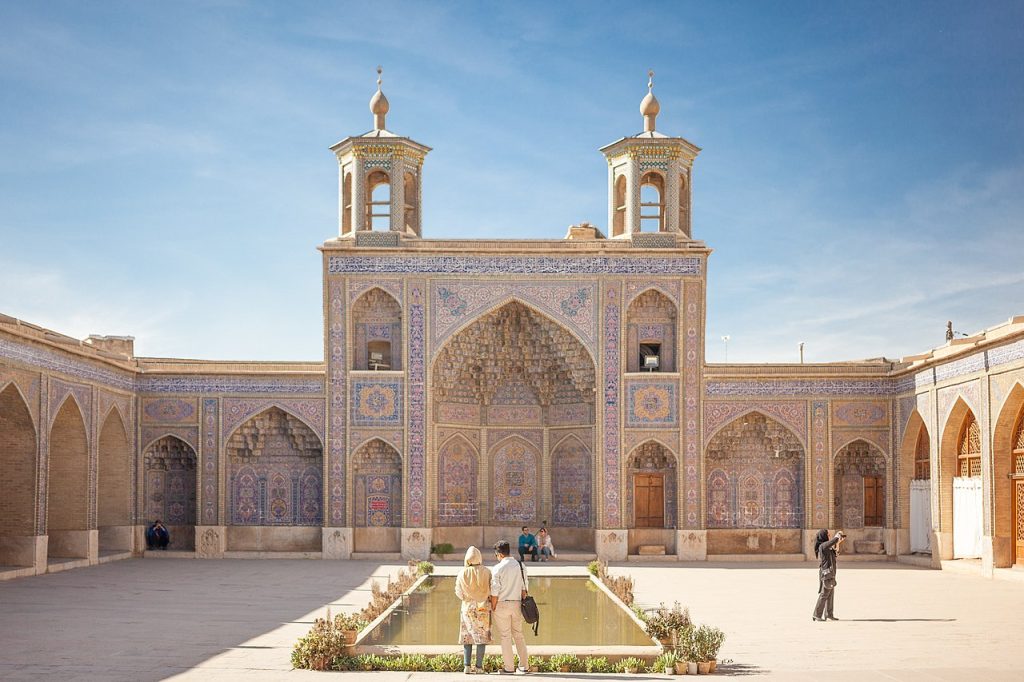
Iran’s architectural icons form a global atlas of inspiration: the Imam Mosque and Sheikh Lotfollah Mosque in Isfahan, the Golestan Palace in Tehran, Nasir al-Mulk Mosque in Shiraz (the “Pink Mosque”), Azadi Tower standing as a modern civic symbol, the ancient city of Persepolis, the wind tower houses of Yazd, and the bridges of Shah Abbas that turn water and stone into theatre. Each building is not just a monument—it is a chapter of Iranian culture expressed in physical form.
Architectural Legends Of Iran
Iranian architecture produced some of history’s greatest design minds. Ostad Mohammad Reza Isfahani shaped the Safavid skyline. Master builders like Ali Akbar Isfahani engineered domes that defy gravity. In modern times, Kamran Diba helped shape Tehran’s cultural identity; Hadi Mirmiran blended traditional geometry with postmodern design; Zaha Hadid worked in Iran early in her career and drew influence from its fluid geometry. The country remains a fertile ground for architectural experimentation—rooted in tradition, reaching toward innovation. Today Iran’s architecture stands at a crossroads: preserving heritage while shaping modernity. Contemporary architects reinterpret traditional geometry with steel, glass and sustainability. New museums, metro stations and cultural centres echo Persian aesthetics without imitation. Iranian architecture survives because it evolves—not by abandoning tradition, but by allowing it to breathe.