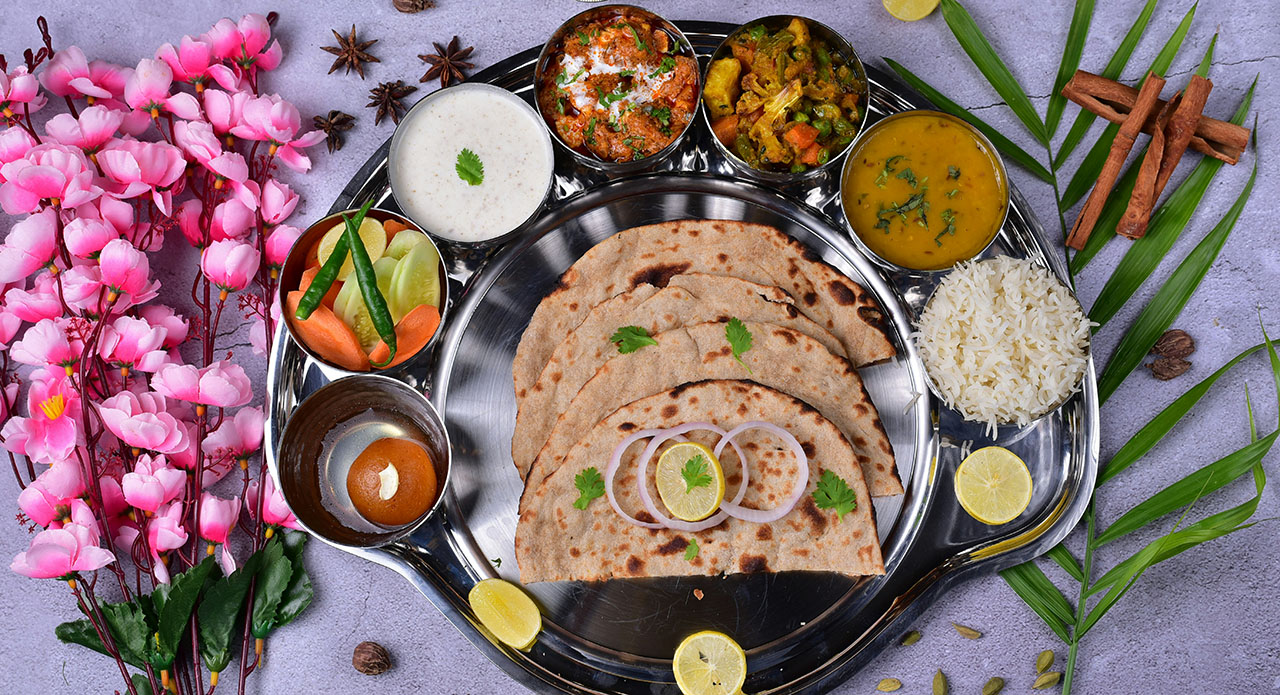


Clean eating was never meant to be extreme. In its original sense, it simply refers to eating foods that are minimally processed and close to their natural form—think fruits, vegetables, whole grains, lean proteins, healthy fats, and home-cooked meals. It mirrors the traditional farm-to-table philosophy and broadly aligns with global dietary guidelines that encourage limiting ultra-processed foods while ensuring nutritional balance.
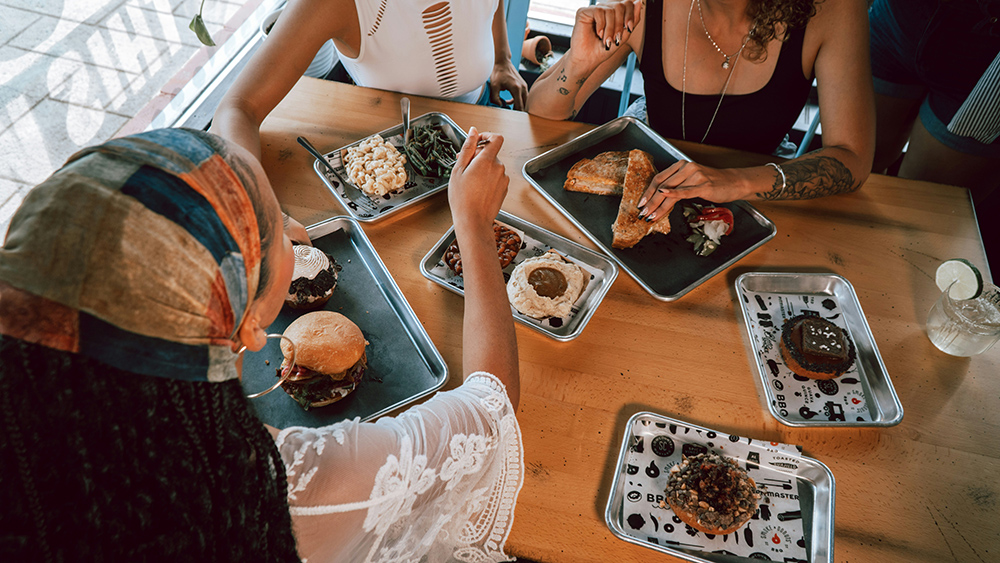
However, what we’re witnessing today is a distorted version of clean eating—one that equates “healthy” with rigid restriction, fear of fats and carbs, and an obsession with protein. This shift is no longer about nourishment; it’s about control.
Is Clean Eating Misunderstood?
In practice today, clean eating is often interpreted as eliminating grains entirely, avoiding fats like ghee, butter, and oils, relying heavily on protein sources such as paneer, tofu, Greek yogurt, and protein powders and eating vegetables for every meal. For example, I had a 19-year-old client whose daily intake consisted of Greek yoghurt with protein powder and berries for breakfast, and paneer/tofu with vegetables for both lunch and dinner. It may look “clean” on Instagram, but nutritionally, it is deeply flawed.
The result? Chronic constipation, fatigue, and nutrient deficiencies. Despite drinking enough water, she lacked insoluble fibre from whole grains and adequate fats needed to absorb fat-soluble vitamins A, D, E, and K. Whole grains also provide essential B vitamins and gut-supporting fibre—nutrients impossible to replace with protein alone.
Why Clean Eating Is Trending?
Social media has played a massive role. Influencers and celebrities often promote protein-heavy, carb-restricted or even extreme vegan diets without context or personalisation. Research shows that health advice from social media is frequently internalised as absolute truth, particularly by young adults, increasing the risk of disordered eating patterns (ScienceDaily, 2019). Carbohydrates, despite being the body’s primary energy source, have become dietary villains. This contradicts decades of nutrition science showing that whole grains and complex carbs support gut health, hormonal balance, and metabolic function (European Food Information Council).
When Clean Eating Turns Harmful?
The danger begins when food choices become moral choices. Studies link rigid clean eating to orthorexia nervosa, a condition marked by an unhealthy obsession with eating “pure” foods (Journal of Eating Disorders). Unlike other eating disorders, orthorexia is driven by food quality rather than weight loss, but the consequences can be just as damaging.
Common red flags include:
- Fear of eating outside or at social gatherings
- Guilt or anxiety after eating “non-clean” foods
- Increasing food restriction over time
- Mental distress and reduced quality of life
What begins as discipline often turns into fear, and fear is never a foundation for health.
Also Read: How Food Colour Shapes What We See, Taste, And Choose
Healthier Alternatives to Clean Eating
Instead of chasing purity, there are flexible, and sustainable eating alternatives to clean eating such as:
Mindful Eating: It focuses on awareness—how food makes you feel, hunger and fullness cues, and enjoyment, rather than rigid rules. Research shows mindful eating improves digestion and reduces binge-restrict cycles.
The 80–20 Rule: About 80% of your diet comes from nourishing, whole foods, while 20% allows room for favourite foods. This approach reduces guilt and improves long-term adherence.
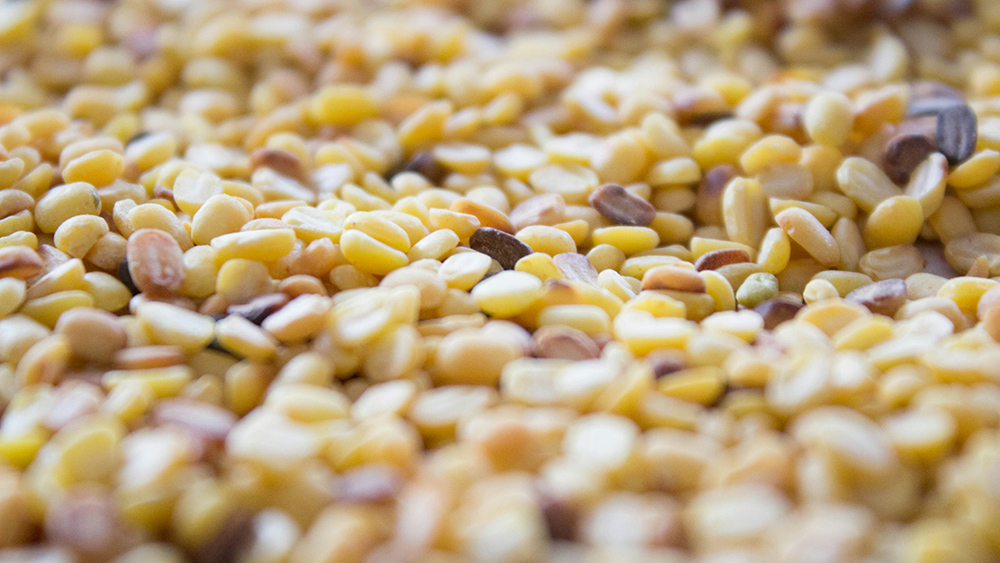
Balanced Plate Method: Each meal can include carbohydrates, protein, fats, fibre, and micronutrients. This supports gut health, hormonal balance, and satiety without obsession.
Mediterranean-Style Eating: It emphasises whole foods but includes grains, fats, and even occasional indulgences—making it one of the most sustainable dietary patterns globally.
“Clean- eating Inspired” Breakfast Recipes
Healthy doesn’t need to be extreme. These breakfasts are simple, nourishing, and realistic:
Overnight Oats with Berries & Chia: Rolled oats soaked in milk or yoghurt with chia seeds and berries are rich in fibre, carbs, and healthy fats.
Veggie & Egg Scramble with Toast: Eggs sautéed with spinach, tomatoes, and peppers, paired with whole-grain toast for energy and gut health.
Green Smoothie Bowl: Spinach, banana, berries, and Greek yoghurt topped with nuts and seeds are balanced and easy to digest.
Should we do Clean Eating then?
Clean eating was meant to support health—not dominate lives. When eating becomes a source of fear, guilt, or social withdrawal, it’s no longer healthy. True nutrition is flexible, inclusive, and sustainable. Your diet should allow space for nourishment and enjoyment. Knowing how to eat everything without obsession is far healthier than trying to eat “clean” all the time.
Dr Archana Batra is a dietitian and certified diabetes educator.