What Travellers Should Know About Dubai Right Now
Dubai has long promised effortless luxury and escapism. But rising tensions have briefly unsettled the city’s carefully curated calm, prompting travel disruptions and heightened security at some of its most iconic locations
For decades, Dubai has sold a certain fantasy to travellers. Sunlit beaches, polished marble lobbies, sky-high dining rooms and shopping malls that feel more like cities within a city than retail spaces. It has been a place where the world comes to pause, indulge and escape.
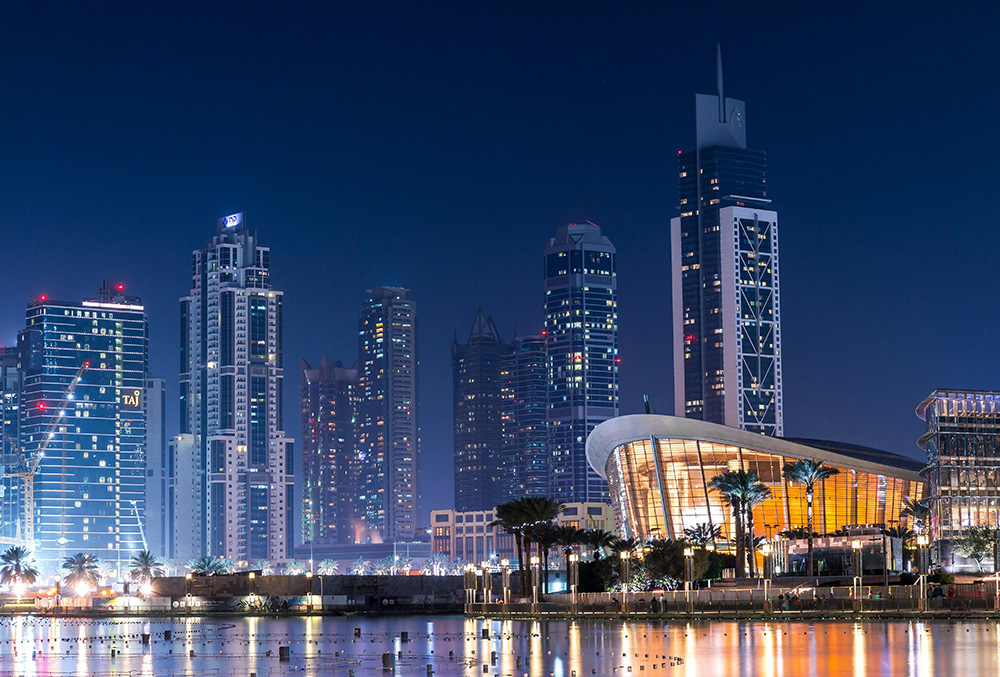
That polished sense of calm has been briefly disrupted in recent days as tensions linked to the conflict involving Iran, Israel and the United States ripple across the region.
Burj Khalifa, Burj Al Arab Hotel, Palm Jumeirah Island Hit By Iranian Strikes
A handful of incidents across Dubai have led to temporary airport closures, emergency responses and fresh travel advisories that travellers may want to keep in mind before planning a trip.
Disturbance At Dubai’s Main Airport
Dubai International Airport, one of the busiest aviation hubs in the world and the main base of Emirates, has also been affected.
Videos circulating online show passengers moving quickly through smoke-filled corridors littered with debris and overturned furniture. Officials said emergency teams responded swiftly and that the situation was handled in coordination with security authorities.
Fire Reported At Burj Al Arab
Burj Al Arab, the sail-shaped luxury hotel that has long served as a visual symbol of the city’s ambition has been affected too.
Officials said debris from a drone intercepted by air defence systems caused a small fire near the base of the building.
‘Authorities confirm that a drone was intercepted and debris caused a minor fire on the Burj Al Arab’s outer facade,’ the Dubai Media Office wrote on X.
The Burj Al Arab sits on its own island just off the coast and is often described as one of the most extravagant hotels ever built.
Also Read: Dubai’s Atlantis The Royal Redefines Opulence
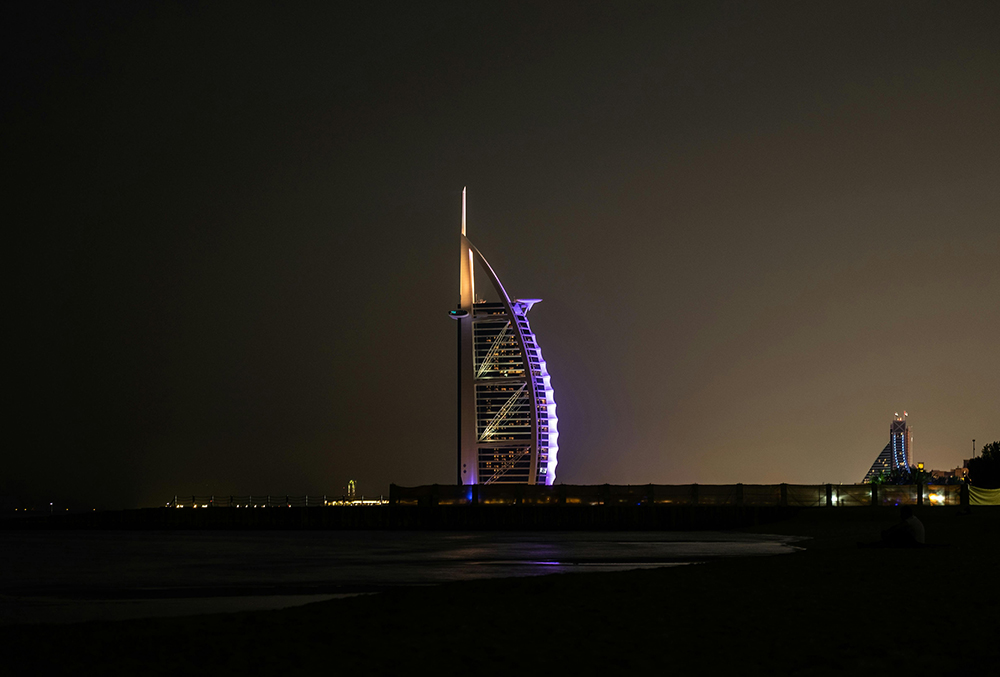
Gold-plated interiors, dedicated butler service and a rooftop helipad have helped cement its reputation as a global shorthand for ultra-luxury travel.
Incident Reported On Palm Jumeirah
Authorities also confirmed an incident inside a building in the Palm Jumeirah area.
The palm-shaped island remains one of Dubai’s most famous engineering achievements, visible from space and home to waterfront villas, beach clubs and some of the emirate’s most exclusive resorts. It has long been a magnet for high-end travellers seeking privacy and sea views within minutes of the city’s skyline.
Fire Reported At Jebel Ali Port
Further south, authorities said debris from aerial interception operations triggered a fire at one of the berths of Jebel Ali Port.
Jebel Ali is the largest port in the Middle East and a critical hub for trade. It is also known for regularly hosting vessels from the United States Navy, making it strategically significant in the region.
Explosions Heard Near Downtown Dubai
Residents in neighbourhoods close to Burj Khalifa reported hearing loud explosions overnight. The surrounding Downtown Dubai district, typically filled with tourists, luxury hotels and fine dining restaurants, is one of the most visited parts of the city.
Authorities have, however, not confirmed a direct strike in that area.
Flights Temporarily Suspended
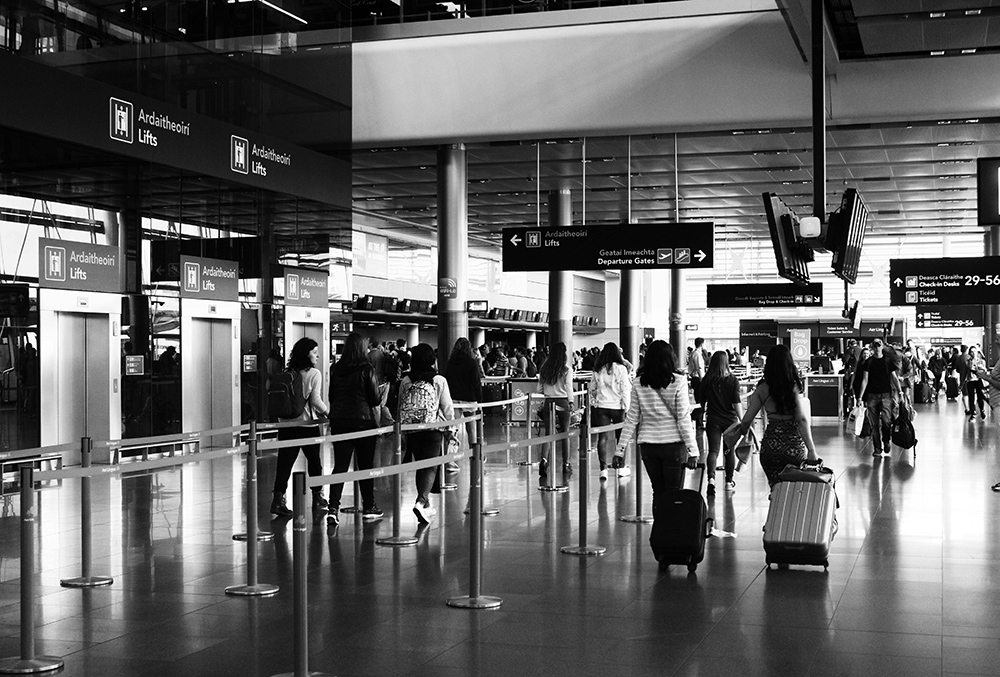
In response to the ongoing conflict, Dubai Airports announced that flights at the city’s two main airports were suspended for a period while authorities assessed security conditions.
Travellers were advised not to head to the airport and instead contact their airlines for updates on departures and arrivals.
Private Charters Surge In Demand
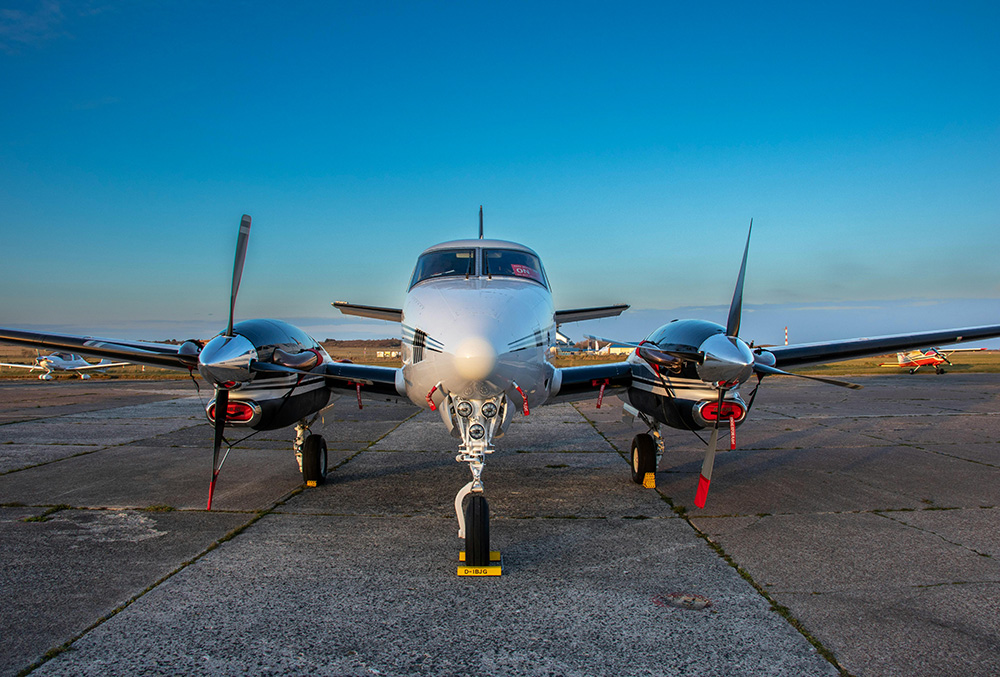
With commercial flights paused, demand for private aviation has surged across the region. A report by The Hindu suggests some travellers have paid as much as €200,000 for charter flights departing from nearby cities after airports in Dubai, Abu Dhabi and Doha experienced temporary closures.
What This Means For Travellers
For now, authorities in the United Arab Emirates say emergency services remain on high alert and monitoring continues across the emirate. Travellers planning a trip in the coming days may want to reconsider or postpone their plans until the situation becomes clearer. It is advisable to keep a close eye on airline advisories, check in with hotels for the latest updates and remain flexible with travel plans as developments unfold.
Louis D’Souza, Managing Director, Tamarind Global, also advises travellers heading to Dubai to take extra precautions. ‘Dubai is well-equipped with both the type of infrastructure necessary for a major global destination and the travel protocols required to uphold those infrastructures…We also highly recommend that you purchase full-coverage travel insurance, maintain electronic copies of your travel documents, and register with the airline for flight notifications. If possible, focus on doing indoor attractions, confirmed hotels or meals, and guided tours, rather than spontaneously selecting excursions or shows.’