What Causes Oversteer, Understeer? Engine Types, Grip And Driving Dynamics
Oversteer and understeer are not flaws but expressions of physics, revealing how power, balance, and grip interact under pressure, as everything from engine response to weight transfer turns every corner into a test of control and mechanical character
There comes a moment, somewhere between bravery and silliness, when you enter a corner just a touch too quickly and the car decides to have an opinion about it. Not a polite suggestion, mind you, but a full blown declaration. Either the front washes wide like a bored shopping trolley refusing to turn, or the rear steps out with the enthusiasm of a Labrador spotting an open field. That, in essence, is understeer and oversteer. Two sides of the same glorious, occasionally terrifying coin, both governed by the simple fact that tyres can only do so much before they give up and go on strike.
The Basics: What Is Understeer And Oversteer?
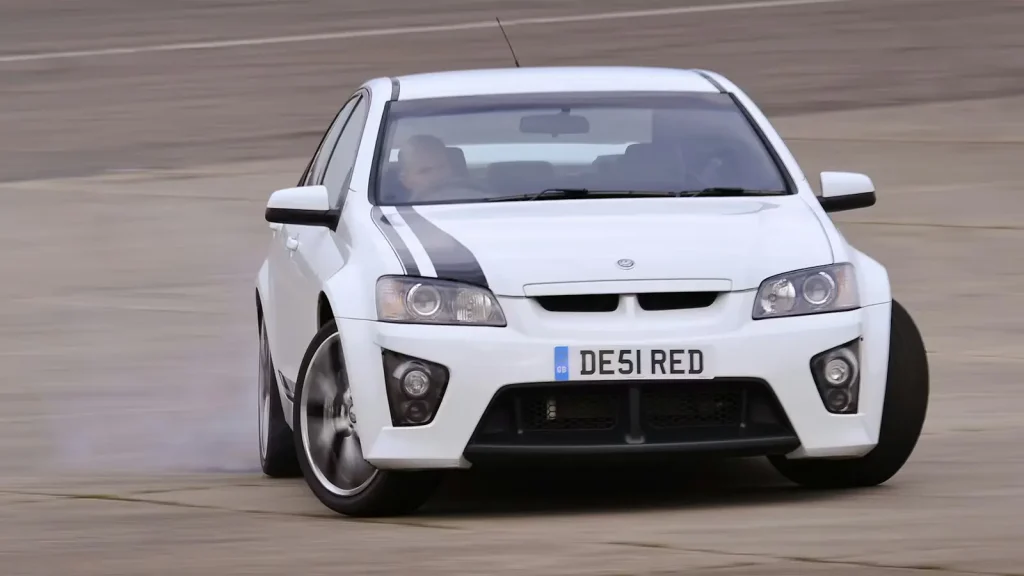
Understeer is what happens when the front tyres run out of grip before the rears. You turn the wheel, the car considers your request, and then politely ignores it, continuing straight on as though it has somewhere better to be. Oversteer, on the other hand, is when the rear tyres surrender first. The back of the car swings outward, rotating the vehicle more than intended. In extreme cases, this results in a spin. In controlled hands, however, it becomes something rather more entertaining. Both are simply the result of an imbalance in grip. The question is not if they will happen, but when.
Grip: The Fragile Contract With The Road
Tyres are remarkable things. Four patches of rubber, each no larger than a paperback book, responsible for translating all of a car’s ambition into forward motion, braking, and cornering. Grip is finite. It can be divided between acceleration, braking, and turning, but it cannot be exceeded. Ask too much of it, and something has to give. In a corner, if the front tyres are overwhelmed, you get understeer. If the rear tyres are overwhelmed, you get oversteer. Simple. Brutal. Unavoidable.
Weight Transfer: The Invisible Puppet Master
Now, here is where things become interesting. When a car accelerates, brakes, or turns, its weight shifts. Forward under braking, rearward under acceleration, and sideways during cornering. This movement changes how much grip each tyre can generate. More weight generally means more grip, up to a point. Less weight means less grip, which is where trouble begins. Brake hard into a corner, and the front tyres are loaded, increasing their grip while lightening the rear. Turn in too aggressively, and the rear may lose traction, leading to oversteer. Accelerate too early, and the front may unload, resulting in understeer. It is a delicate balance, and one that separates smooth drivers from those who end up facing the wrong direction.
Naturally Aspirated Engines And The Gentle Slide Into Understeer
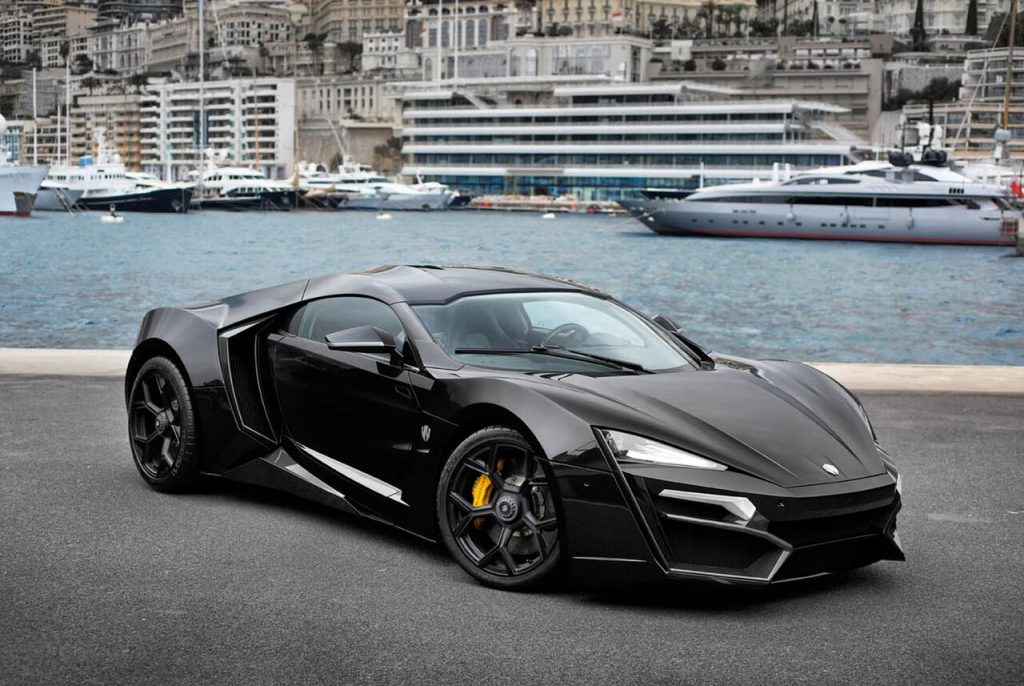
Naturally aspirated engines are, in many ways, the gentlemen of the automotive world. Power delivery is linear, predictable, and reassuringly honest. Press the throttle, and the engine responds immediately, without fuss or theatrics. In corners, this predictability often leads to a particular trait. As you accelerate out of a bend, the smooth delivery of power encourages a steady transfer of weight to the rear. The front tyres, now slightly unburdened, can begin to lose grip if the driver is overly enthusiastic. The result is understeer. Not dramatic, not sudden, but a gradual widening of the line. The car gently pushes toward the outside of the corner, as though suggesting that perhaps you should reconsider your ambitions. It is forgiving, which is why many drivers find naturally aspirated cars easier to manage. The limits are communicated clearly, giving you time to adjust.
Turbocharged Engines And The Sudden Arrival Of Oversteer
Turbocharged engines, however, are a different breed entirely. They do not so much deliver power as unleash it. At lower revs, they may feel subdued, almost lazy. But as the turbo spools and boost builds, power arrives in a surge that can be, shall we say, enthusiastic. In a corner, this can have dramatic consequences. Apply throttle too early, and the initial lack of response may lull you into a false sense of security. Then, suddenly, the boost arrives, sending a wave of torque to the driven wheels. If those happen to be the rear wheels, the result is often oversteer. The rear tyres, overwhelmed by the sudden influx of power, lose grip and step outward. What began as a tidy exit becomes an exercise in rapid steering correction. It is thrilling, yes, but it demands respect. Turbocharged cars reward precision and punish hesitation.
Also Read: Rear-Wheel Drive Guide: Understanding Grip, Traction And Handling
Drivetrain Layout And Its Influence
While engine type plays a role, drivetrain layout is equally important. Front wheel drive cars tend to understeer because the front tyres handle both steering and power delivery. Rear wheel drive cars are more prone to oversteer, as the rear tyres are responsible for propulsion. All wheel drive systems attempt to balance these forces, distributing power to maintain grip. But even here, the fundamental physics remain unchanged. Grip is finite, and once exceeded, the car will choose its preferred method of protest.
Driver Input: The Ultimate Deciding Factor
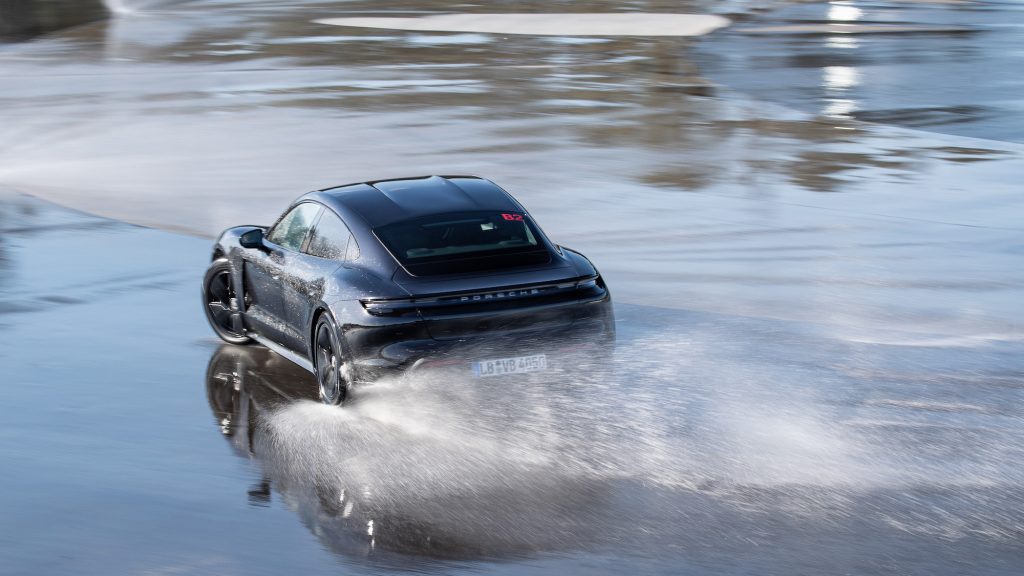
Perhaps the most important element in all of this is the driver. Smooth inputs, balanced throttle, and an understanding of weight transfer can mitigate both understeer and oversteer. Abrupt steering, heavy handed throttle use, or panic braking, however, will almost certainly provoke one or the other. In many ways, the car is merely responding to instructions. The problem is that it takes those instructions very seriously.
Managing The Balance
Correcting understeer typically involves easing off the throttle and allowing the front tyres to regain grip. Oversteer, on the other hand, requires counter steering and careful throttle modulation to stabilise the rear. Modern electronics, from stability control to torque vectoring, can assist in these corrections. But they are not a substitute for understanding. They are safety nets, not solutions. Understeer and oversteer are not enemies. They are characteristics, expressions of how a car interacts with the road and the laws of physics. Naturally aspirated engines off r predictability, often leading to manageable understeer. Turbocharged engines bring drama, with the potential for sudden oversteer when power arrives in a rush. Understanding these behaviours is not just about driving faster. It is about driving better. About recognising the signals, respecting the limits, and perhaps, just occasionally, dancing along the edge of control. Because that, after all, is where the real enjoyment lies.