

There is something gloriously old fashioned about a rear wheel drive car. It does not coddle, it does not apologise, and it certainly does not attempt to hide what is going on beneath the surface. Instead, it hands over the keys to physics and says, “Here, deal with it.” And that, quite frankly, is why it is brilliant. Because when the engine sends its power to the rear wheels, something magical happens. The front wheels are left alone to steer, the rear wheels get on with the business of propulsion, and the entire car suddenly feels alive, like a well trained animal that responds not just to commands, but to intention.

The Fundamentals Of Rear Wheel Drive
At its core, rear wheel drive is disarmingly simple. The engine produces power, a driveshaft sends it rearward, and the back wheels push the car forward. The front wheels, blissfully unburdened by the task of propulsion, focus entirely on steering. This separation of duties creates balance. It allows the car to distribute forces more evenly, particularly during acceleration and cornering. In a world obsessed with complexity, this simplicity feels almost rebellious.
Also Read: Ducati Superleggera V4 Centenario Revealed: A Once-In-A-Lifetime Collector’s Dream Machine
Grip And The Dance Of Weight Transfer
Grip, in a rear wheel drive car, is not a static thing. It moves, it shifts, it behaves rather like a moody teenager. And the key to understanding it lies in weight transfer. When you accelerate, the weight of the car shifts rearward, pressing the driven wheels into the tarmac. This increases traction exactly where it is needed, allowing the car to deploy power more effectively. It is a wonderfully self serving bit of physics. But there is a catch. Too much power, too quickly, and the rear tyres can become overwhelmed, breaking traction and sending the car into a slide. Controlled properly, this is exhilarating. Misjudged, it is embarrassing.
Traction And The Fine Line Between Control And Chaos
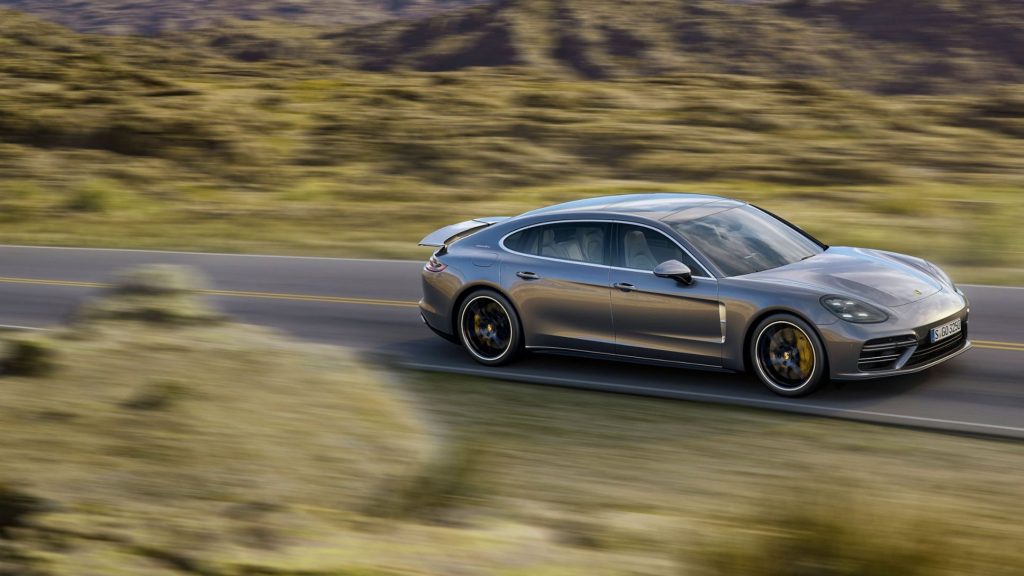
Traction is where rear wheel drive earns its reputation. In ideal conditions, it provides superb acceleration and stability. But introduce rain, gravel, or an overenthusiastic right foot, and things become considerably more interesting. Because the rear wheels are responsible for propulsion, they are also the first to lose grip when conditions deteriorate. This is why rear wheel drive cars demand respect. They reward smooth inputs and punish clumsy ones. Modern systems such as traction control and limited slip differentials help manage this balance, ensuring that power is distributed intelligently. But even with these aids, the fundamental character remains unchanged. Rear wheel drive is always just one enthusiastic throttle input away from theatre.
Also Read: Throttle Response Explained: How It Affects Your Car’s Performance
Handling And The Art Of Balance
This is where rear wheel drive truly shines. Because with the front wheels dedicated to steering and the rear wheels handling power, the car achieves a natural balance that is difficult to replicate with other layouts. Cornering becomes a dialogue. Enter too quickly and the front may push wide. Apply power mid corner and the rear begins to rotate, tightening the line. This phenomenon, known as throttle steering, is one of the defining traits of rear wheel drive. It allows the driver to influence the car’s attitude using the accelerator, not just the steering wheel. Done well, it feels like sculpting a corner. Done badly, it feels like spinning a top.
Oversteer And Why It Is Not The Villain
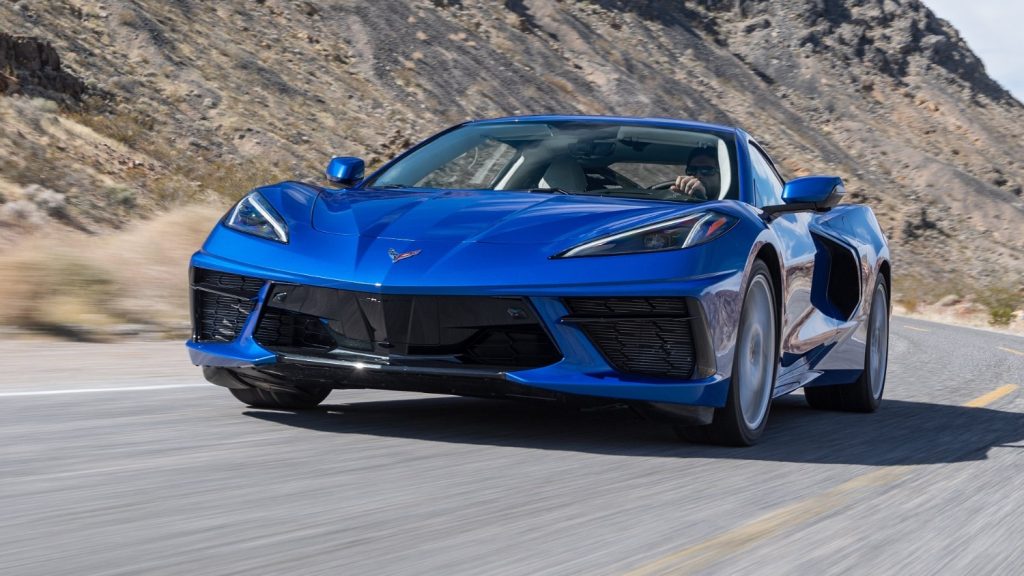
Oversteer has acquired something of a reputation, often spoken about in hushed tones as though it were a dangerous affliction. In reality, it is simply the rear of the car stepping out when it loses grip. In a rear wheel drive car, oversteer is not only natural, it is part of the appeal. It is what allows for those graceful arcs through corners, the car rotating neatly under power. The key is control. Counter steering, balanced throttle inputs, and a calm approach can transform what might seem like chaos into something beautifully precise. It is not about avoiding oversteer, it is about understanding it.
The Role Of Tyres And Road Conditions
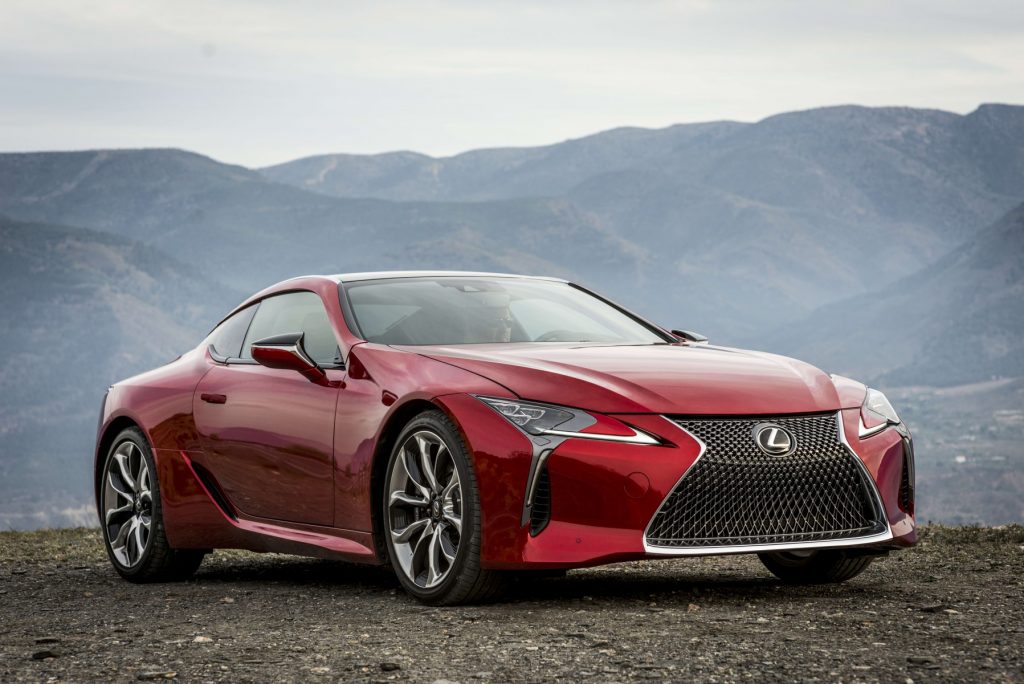
Tyres are the unsung heroes of any rear wheel drive machine. Their ability to maintain contact with the road determines everything from acceleration to cornering stability. In dry conditions, high performance tyres provide remarkable grip, allowing the car to exploit its dynamic balance fully. In wet or slippery conditions, however, the same setup can become far less forgiving. This is why tyre choice and condition are critical. A rear wheel drive car with worn tyres is not merely compromised, it is actively plotting against you.
Why Enthusiasts Still Swear By It
Despite the rise of all wheel drive systems and front wheel drive efficiency, rear wheel drive remains the preferred choice for driving purists. And the reason is simple. It feels right. It offers a level of engagement that is difficult to replicate. Every input has a consequence, every action a reaction. It does not isolate the driver from the experience, it immerses them in it. From classic sports cars to modern performance machines, rear wheel drive continues to define what it means to enjoy driving. It is not about getting from one place to another. It is about how one arrives.