Bumper Movement Explained: The Forgotten Innovation Before Automatic Rotors
Long before smooth 360-degree rotors became the standard in automatic watches, a peculiar mechanism bounced its way into horological history
The bumper movement transformed wrist motion into energy through a swinging rotor that struck springs at either end of its travel. Though eventually replaced by more efficient systems, it remains one of watchmaking’s most important innovations and a treasured chapter for collectors. There are certain inventions that change history not because they were perfect, but because they arrived first and proved that the impossible was actually possible. The bumper movement is one of them. Before Rolex perfected the modern rotor and before automatic watches became as common as espresso machines in Switzerland, there was a curious mechanical contraption that literally bounced around inside a watch case. It clunked. It nudged. It occasionally startled its owner. And yet it changed horology forever. Today, bumper movements are cherished by collectors not merely because they are rare, but because they represent the moment when watchmaking took its first confident step towards the automatic age.
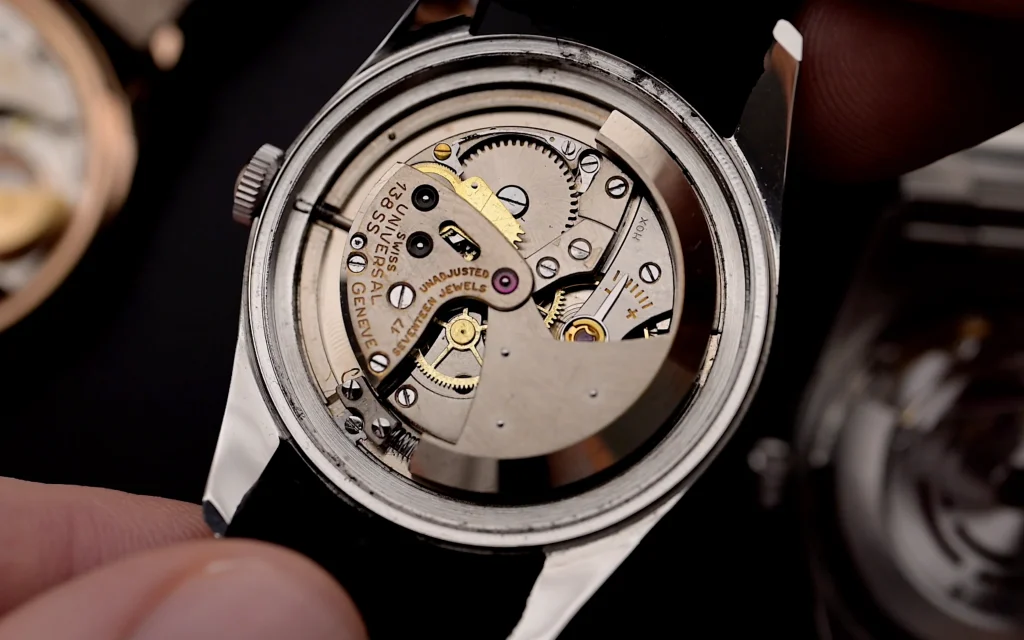
The Problem Watchmakers Wanted to Solve
For centuries, every mechanical watch required manual winding. Forget for a few days and your prized timepiece would simply stop. Watchmakers knew there had to be a better solution. The challenge was deceptively simple: could the natural movement of a wearer’s wrist generate enough energy to keep a watch running continuously?
During the early twentieth century, numerous inventors experimented with self-winding systems. Most failed. The mechanisms were either too fragile, too inefficient, or too complex for everyday use. What the industry needed was a practical breakthrough. That breakthrough arrived in 1923 thanks to an English watchmaker named John Harwood.
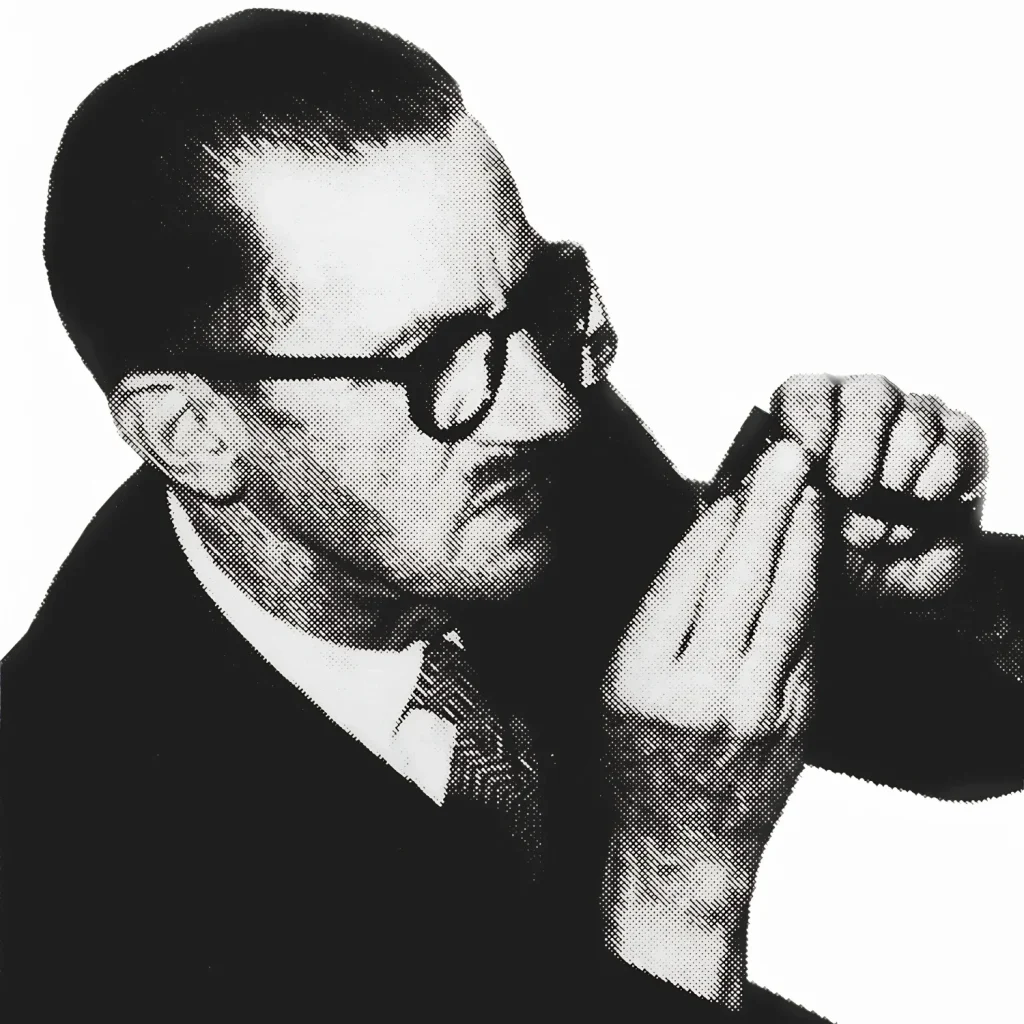
John Harwood and the Birth of the Automatic Wristwatch
Harwood believed that a watch should harvest energy from its wearer rather than rely entirely on manual winding. His solution was revolutionary for the era. Instead of using a rotor that rotated freely through a full circle, Harwood designed a weighted oscillating mass that moved through a limited arc. As the wrist moved, the weight swung back and forth inside the case.
When it reached either end of its travel, it struck small spring buffers, creating the distinctive “bump” that gave the movement its name. The system successfully transferred energy into the mainspring, keeping the watch wound throughout normal wear. More importantly, it worked reliably enough for commercial production, making it the world’s first widely successful automatic wristwatch mechanism.
How a Bumper Movement Actually Works
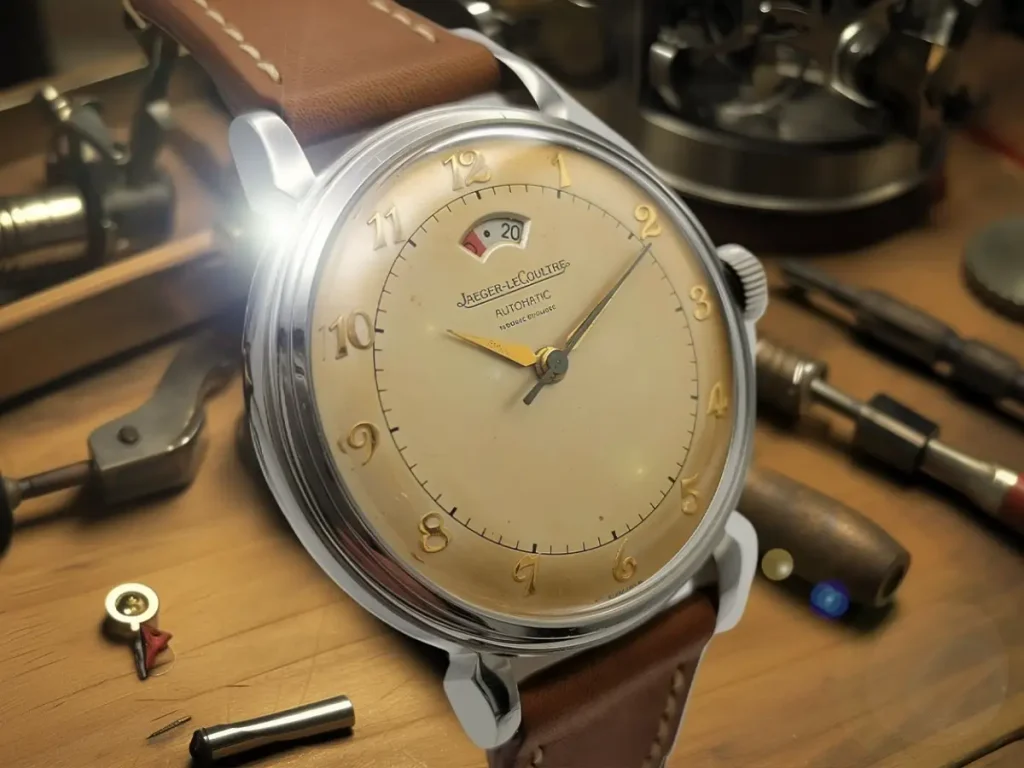
The beauty of a bumper movement lies in its simplicity. At its heart is a semi-circular rotor mounted on a pivot. Unlike modern automatic rotors that spin freely through 360 degrees, this rotor travels only through a restricted arc. As the wearer moves, the rotor swings from side to side. At each end of its path, it encounters spring-loaded buffers. Every impact transfers energy through a series of gears into the mainspring barrel, gradually storing power for the watch.
The movement consists of several key components like Oscillating rotor, Pivot mechanism, spring bumpers, mainspring barrel, gear train, Escapement system. The result is a watch that effectively winds itself while producing a tactile sensation that many enthusiasts describe as delightfully mechanical.
Why Bumper Movements Feel So Different
Wear a modern automatic watch and you rarely notice the rotor. Wear a bumper movement and you absolutely will. The rotor’s limited travel creates a distinctive sensation on the wrist as it reaches the end of its arc and rebounds in the opposite direction. Owners often describe it as a subtle kick or gentle knock inside the case.
Far from being a flaw, this characteristic has become one of the movement’s greatest charms. It creates a direct physical connection between wearer and machine, something increasingly rare in today’s digitally dominated world.
The Golden Era of Bumper Watches
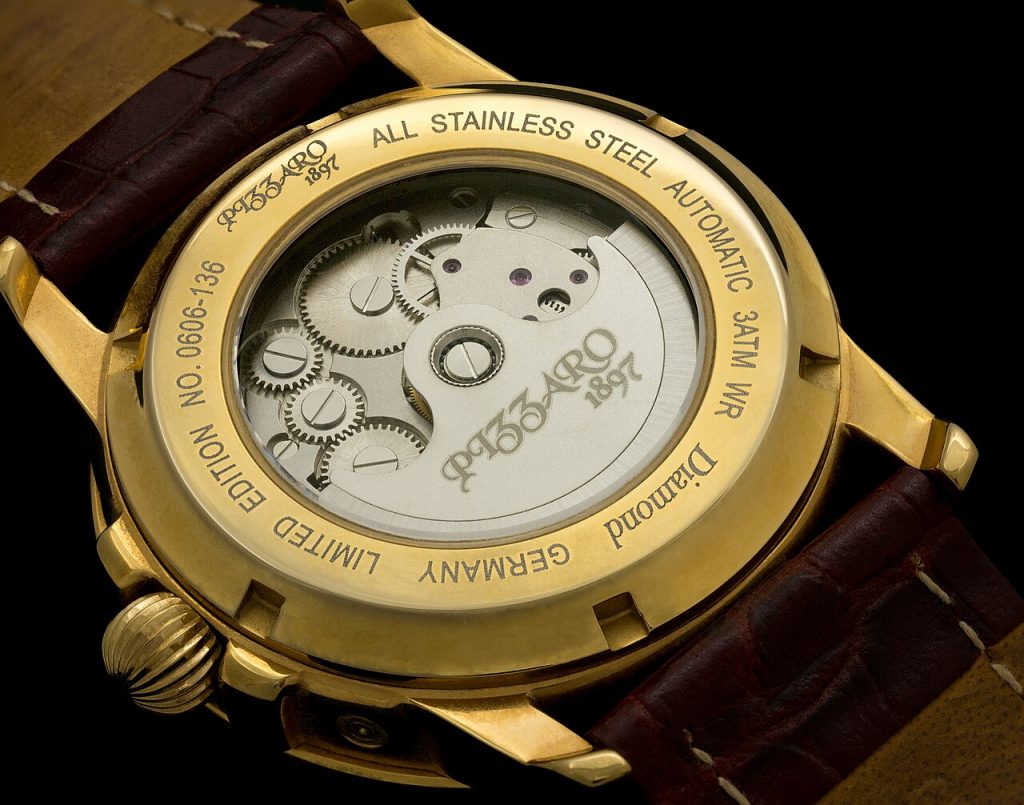
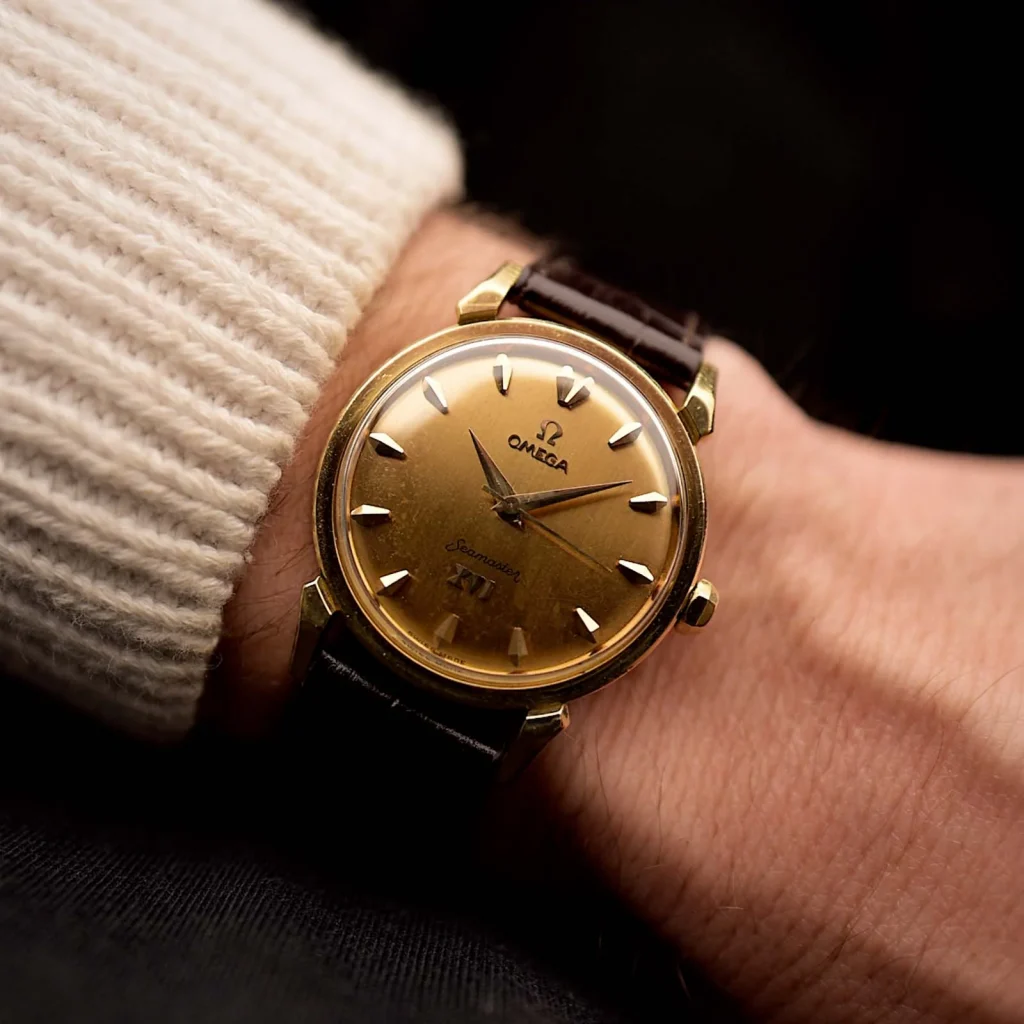
Throughout the 1940s and early 1950s, bumper movements became a hallmark of premium watchmaking. Perhaps the most famous example was the Omega Seamaster. Early Seamaster references helped establish Omega’s reputation for innovation and precision while showcasing the practicality of automatic winding.
Another landmark was the Jaeger-LeCoultre Futurematic. The Futurematic combined advanced engineering with distinctive styling and remains one of the most collectible bumper-powered watches ever produced. Brands across Switzerland embraced the technology, making bumper automatics an important bridge between hand-wound watches and the fully automatic movements we know today.
Why They Disappeared but Never Died
By the mid-1950s, engineering had advanced significantly. Full-rotor systems capable of rotating continuously proved more efficient, smoother and capable of generating greater winding power. The bumper movement gradually faded from mainstream production. Yet its disappearance from modern manufacturing only increased its appeal among collectors. Today, these watches offer something contemporary movements cannot: a tangible connection to one of watchmaking’s most transformative periods.
Also Read: Why Exhibition Casebacks Are The Pinnacle Of Luxury Watchmaking
Why Collectors Still Chase Them Today
Owning a bumper movement watch is like owning the first generation of a legendary sports car. It may not be the fastest or most advanced version, but it possesses something arguably more valuable: historical significance. Collectors prize bumper watches for their pioneering role in horology, distinctive wrist feel, fascinating engineering and growing rarity. Well-preserved examples from Omega, Jaeger-LeCoultre and other historic manufacturers continue to attract strong demand.
In a world obsessed with the newest complications and latest materials, bumper movements remind us that true innovation often begins with an imperfect but brilliant idea. Without the bouncing rotor conceived by John Harwood over a century ago, the automatic watches we take for granted today might never have existed. And that alone secures the bumper movement’s place among horology’s greatest inventions.