

David Attenborough once observed, “If I’ve ever seen that kind of magic anywhere, it’s been in Africa.” Kenya embodies this magic not through spectacle, but through intimacy. It reveals itself quietly—through people, pauses and places that gently insist you slow down. The fatigue of arrival dissolves almost immediately. Veronica’s warm smile and unhurried efficiency steady the senses, while Samuel—who hails from what is now Kiambu County—turns a routine airport transfer into a gentle initiation into his homeland. In their presence, something shifts. You are no longer merely visiting; you are being received. As Nairobi thins out and the city’s edges soften into open land, Kenya’s understated elegance comes into focus. Tea estates ripple across the horizon in layered greens, manicured golf courses sit tucked beneath old trees, and time begins to loosen its grip. A long lunch at Fig and Olive becomes an exercise in subtle luxury. The glamour lives in the details: preferences remembered without prompting, conversations unfolding without urgency, indulgence unannounced.
Where Landscapes Begin To Speak
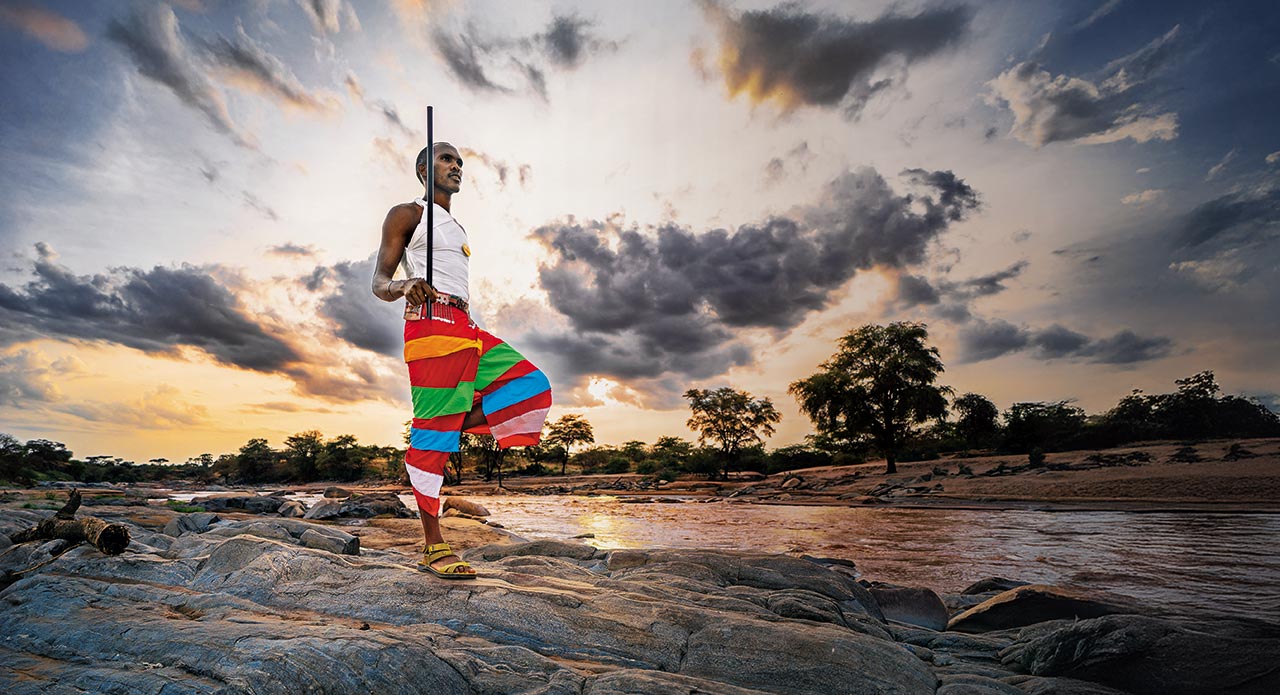
Beyond the city, Kenya starts speaking in stories and numbers—47 tribes, 47 languages, each carrying its own histories and rhythms of belonging. The road stretches on, the landscape recalibrating the senses, eventually leading to Lake Tiguni. It feels like stepping into a held breath. Birds punctuate the air, water laps gently against the shore, and silence becomes a presence rather than an absence. It isn’t dramatic, but deeply restorative—a moment that anchors the journey and invites reflection.
Shaba’s History
The narrative deepens at Sarova Shaba Game Lodge. Acquired in 1990 and now home to around 80 rooms, it feels less built than bestowed by the land itself. Rich in dolomite, the terrain holds layers of memory—of the Samburu community, conservation efforts, and the enduring legacy of George Adamson. Riverbeds, animal paths and ancient trees remind you that this landscape existed long before travellers arrived and will endure long after they leave.
Also Read: Experiencing The Living Landscapes Of Jet Wing Vil Uyana In Sri Lanka
Life At Every Scale
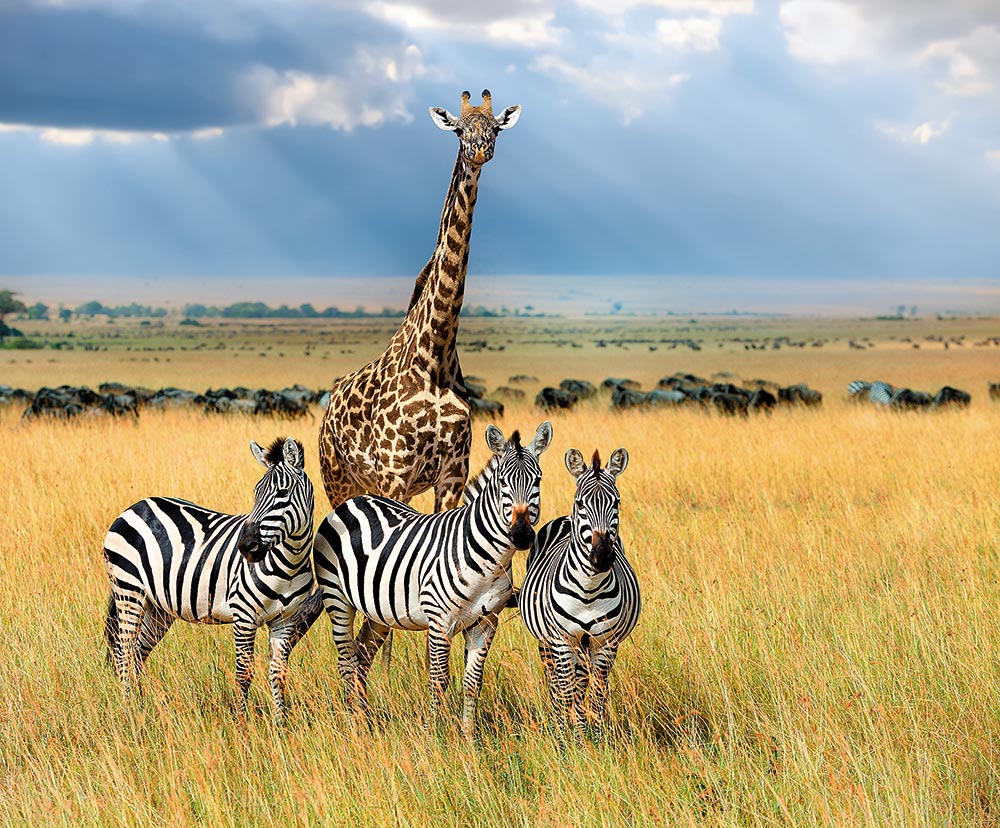
Here, life announces itself at every scale. Doum palms, with their eccentric branching trunks, bear berries favoured by elephants. Watching these giants feed is quietly humbling; a tree admired for its sculptural form reveals itself as sustenance, turning the land into a seasonal banquet. Kenya’s wildlife lexicon unfolds in layers—the Big Five, Small Five and Special Five—each a reminder that wonder is not hierarchical. A tower of giraffes punctuates the savannah, lending the horizon its own unhurried poetry.
The land itself stages its stories. A solitary gorge cleaves the earth, holding Baboon Rock—also known as the Crying Rock—whose appearance shifts with light and mood, as though memory reshapes it with every passing hour.
Also Read: Mandai Rainforest Resort Promises A Restful Stay In Stunning Biophilia
Luxury Redefined
This is where Attenborough’s idea of luxury finds its clearest meaning. Not in thread counts or labels, but in the privilege of witnessing coexistence. Luxury here is a front-row seat to evolution: anthills humming with purpose, mongoose slipping through the undergrowth, baboons calling across cliffs. To witness it, even briefly, is to remember that the most profound experiences are not curated by brands, but authored by nature.
One evening, a sundowner by the river distils the journey into a single, suspended moment. Across the water, a troop of baboons vocalises, their calls layering over clinking glasses and hushed conversation. Rosé is poured, appetisers passed, yet the real spectacle unfolds entirely indifferent to human presence. The river becomes a soft boundary between two worlds, quietly observing one another.
A playful exchange with Yajjur—wondering whether the baboons across the river might, in fact, be wiser—opens into something more contemplative. Myth drifts in: Ganesh, rooted beside his mother Parvati, versus Parshuram, who circled the world in pursuit of knowledge. Is wisdom born of stillness or motion? The Kenyan wilderness refuses to answer. It simply holds both truths.
Also Read: 10 Must-Have Travel Essentials For Your Next Vacation: For Him And Her
Where History Checks In
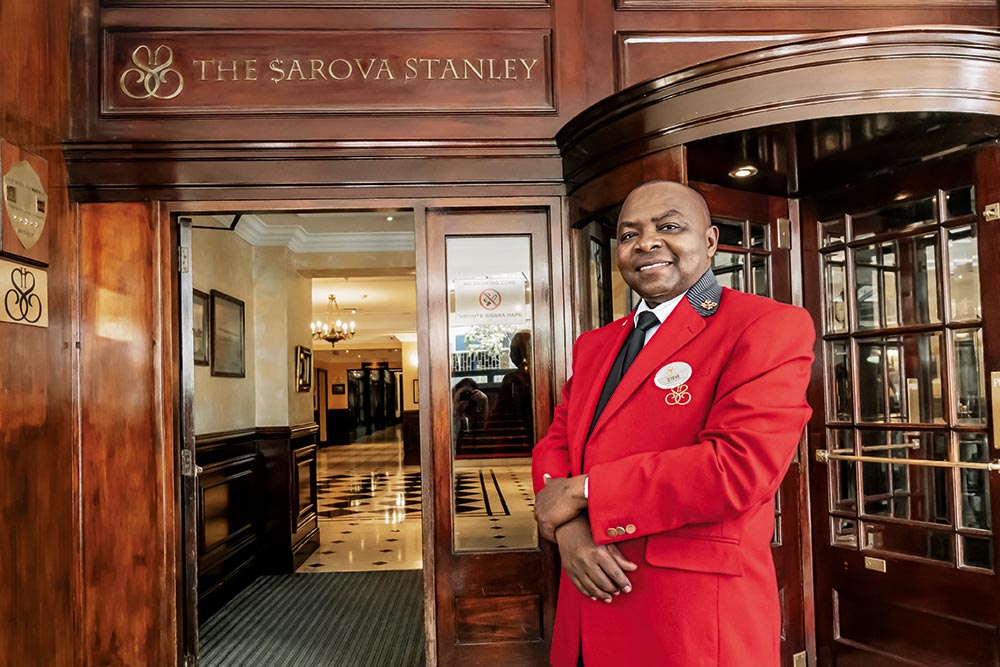
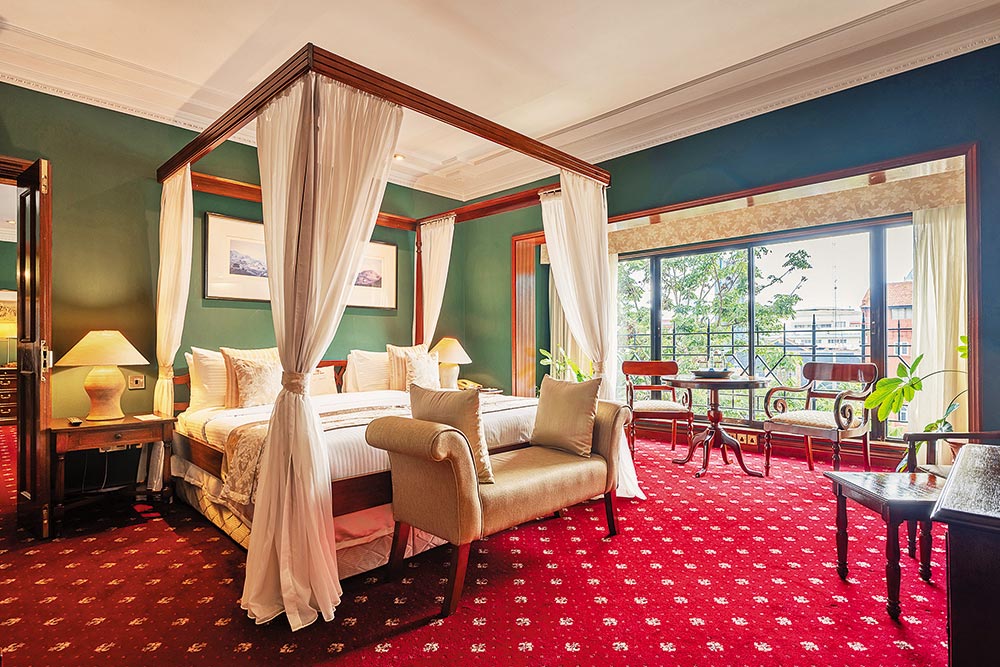
Back in Nairobi, history checks in alongside you at The Sarova Stanley. This 120-year-old landmark hotel has hosted royalty, writers, entrepreneurs and presidents—Queen Victoria, Ernest Hemingway, Richard Branson, Barack Obama. Hemingway wrote here; Tusker beer was born at its Long Bar in 1922. The Lamu Suite, with its intricate mirrors and timeless décor, feels steeped in story, while the Karen and Stanley suites carry echoes of Kenya’s layered past.
Steve, the head concierge, embodies the hotel’s old-world soul. Impeccably turned out and intuitively attentive, he speaks of the Sarova Stanley not as a building, but as a living character. As he shares anecdotes, the lobby dissolves into scenes that play out like a period film set in the heart of Nairobi.
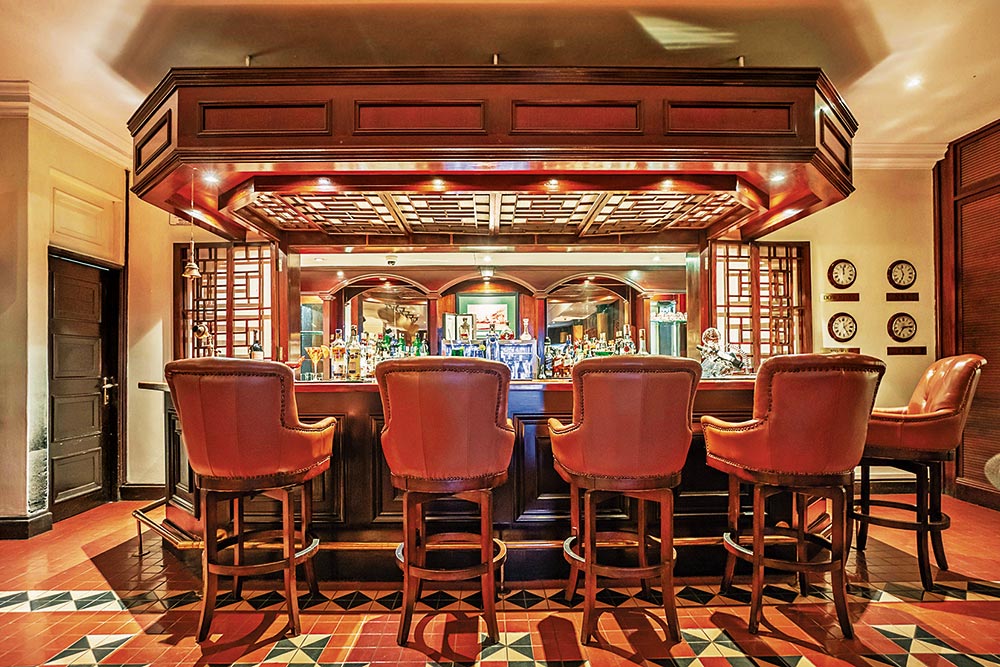
At Thorn Tree Café, street rumba with Congolese roots drifts into the hum of history. Nearby, the Exchange Bar—once Nairobi’s Stock Exchange—still holds its iconic brass bell. Ring it, and you declare your willingness to buy the most expensive drink for everyone at your table. No hesitation, no regret—just theatre, indulgence and ritual.
A Quiet Apprenticeship With The Wild
By journey’s end, Kenya reveals itself not merely as a destination of safaris, but as a philosophy. It asks how we travel, how we observe, how we learn. True indulgence lies in experiences that recalibrate one’s inner weather: a stranger’s kindness, the hush of a lakeside afternoon, the shifting face of a rock, the chorus of baboons at dusk. Here, luxury and wisdom meet at the same edge—where observation deepens into awe, and travel becomes a quiet apprenticeship with the wild.