

There is something deeply satisfying about a perfect launch. The lights go green, the throttle is buried, and the car simply erupts forward with the sort of precision that feels almost unnatural. No wheelspin, no hesitation, no drama. Just clean, relentless acceleration.
And yet, achieving that perfect getaway is anything but simple. Without assistance, even the most powerful machines can turn into unruly beasts, spinning tyres, wasting energy, and generally behaving like an overexcited dog on a polished floor. This is where launch control steps in. Not as a gimmick, but as a meticulously engineered solution to one of the oldest problems in motoring. How to deploy power effectively from a standstill.

The Problem With Power
Modern performance cars produce extraordinary amounts of power and torque. Numbers that would have seemed absurd not long ago are now commonplace. But all that power presents a problem. At a standstill, the tyres have a limited amount of grip. Apply too much power too quickly, and they simply spin. Instead of moving forward, the car wastes energy turning rubber into smoke. It looks dramatic, certainly, but it is not particularly effective. The challenge, therefore, is to deliver just enough power to maximise traction without overwhelming it. Too little, and the car bogs down. Too much, and it loses grip. The margin for perfection is vanishingly small.
What Launch Control Actually Does
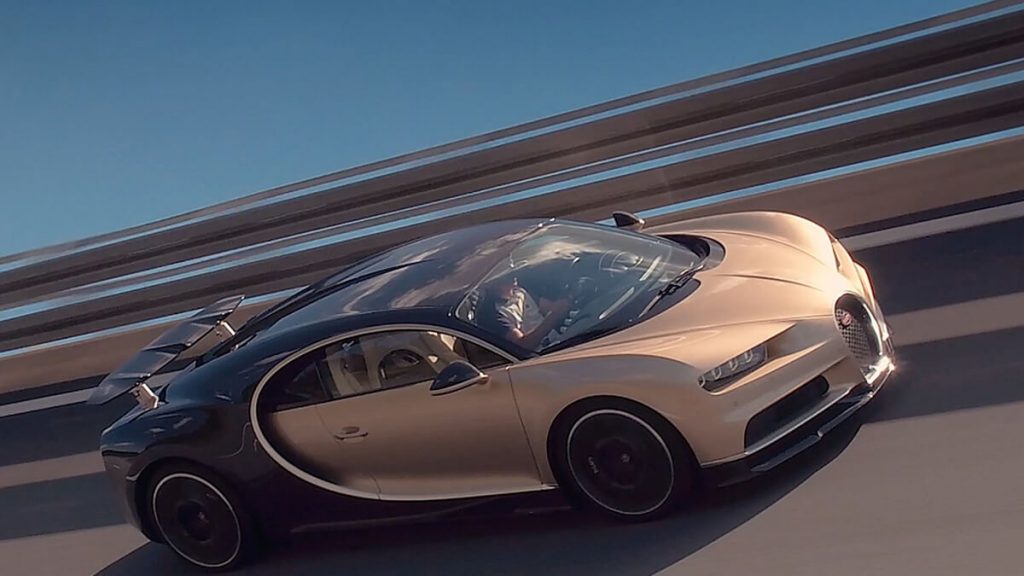
Launch control is essentially a highly sophisticated balancing act. It manages engine power, transmission behaviour, and traction systems to deliver the optimal amount of force to the wheels at precisely the right moment. When activated, the system holds the engine at an ideal speed. Not too high, not too low, but exactly where it can produce strong torque without instantly breaking traction. At the same time, it prepares the transmission for an aggressive yet controlled engagement. As the brake is released or the clutch is engaged, the system modulates power delivery in real time. It constantly monitors wheel speed, grip levels, and acceleration, making rapid adjustments to ensure that the tyres remain on the edge of traction without crossing into chaos. The result is a launch that is not only quicker, but also remarkably consistent.
The Role of Electronics
None of this would be possible without a small army of sensors and control units working in harmony. Wheel speed sensors detect slip almost instantly. Engine management systems adjust power output with surgical precision. Traction control intervenes when necessary, but in a far more refined manner than during normal driving.
The gearbox, particularly in cars equipped with dual clutch systems, plays a crucial role. It pre selects gears, manages clutch engagement, and ensures that power is delivered smoothly yet aggressively. All of this happens in fractions of a second, far quicker than any human could react. It is not about replacing skill, but about enhancing it to a level that borders on perfection.
Why Some Cars Do It Better
Not all launch control systems are created equal. Some cars leap forward with astonishing efficiency, while others feel slightly hesitant or overly aggressive. The difference often comes down to engineering philosophy and hardware. Cars with advanced all wheel drive systems, for instance, have a significant advantage. By distributing power to all four wheels, they can maximise traction and reduce the likelihood of wheelspin. Tyre quality also plays a critical role. High performance tyres with soft compounds and advanced tread designs provide better grip, allowing the launch control system to operate more effectively. Then there is weight distribution. A well balanced car can transfer weight to the driven wheels more efficiently during acceleration, improving traction and stability. Even factors such as suspension setup and surface conditions can influence the outcome. A perfectly tuned system on a dry, grippy surface will deliver spectacular results. The same system on a wet or uneven road may need to be more conservative.
The Human Factor
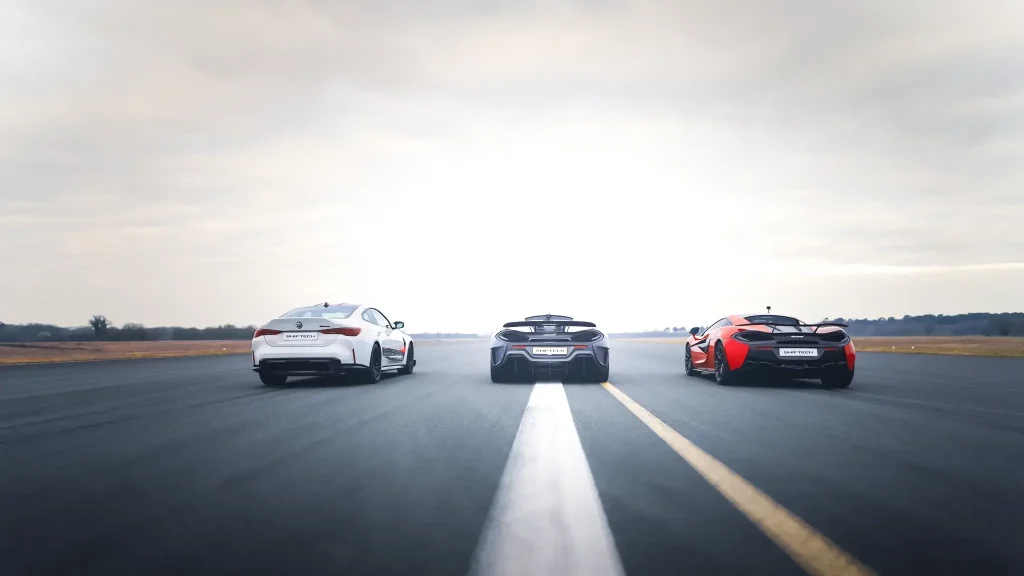
Before launch control, achieving a perfect start required a delicate combination of skill, experience, and a fair amount of luck. Balancing throttle input, clutch engagement, and traction was an art form, and even the most skilled drivers could not replicate the same result every time. Launch control removes much of that variability. It ensures that each launch is as close to optimal as possible, regardless of conditions or driver input. That said, it does not eliminate the driver entirely. Timing still matters. Reaction still matters. But the system takes care of the complex physics, allowing the driver to focus on the moment itself.
From Racetrack to Road
Launch control was not always a feature found in road cars. It began life in motorsport, where consistency and performance are paramount. In that environment, even a fraction of a second gained at the start can make a significant difference. Over time, the technology filtered down into high performance road cars, bringing with it a level of sophistication that would have seemed extraordinary just a decade ago. Today, it is not uncommon to find launch control in a wide range of vehicles, from exotic supercars to more accessible performance models. Each implementation varies, but the goal remains the same. To deliver the best possible acceleration from a standstill.
The Sensation of Precision
What makes launch control truly remarkable is not just the speed it delivers, but the way it delivers it. There is a sense of precision, of everything working in perfect harmony. The engine note rises and holds, the car tenses, and then, in an instant, it surges forward with controlled aggression. There is no fumbling, no hesitation, just a clean, decisive burst of motion. It feels engineered, because it is. Every aspect has been calculated, refined, and optimised to produce that singular moment of perfection.