Buy Less, Choose Better: The Heirloom Luxury Edit For Classy Homes
In an era shaped by fleeting trends and social media aesthetics, true luxury is defined not by impulse buys, but by the thoughtful and intentional act of collecting
We live in a moment where homes are increasingly designed to be viewed rather than lived in. The rise of social media and algorithm-driven aesthetics has created a culture of micro-trends. Nowadays spaces are styled for instant impact, objects chosen for how they photograph, and interiors assembled quickly to keep pace with what is trending online. While this has democratised design inspiration, it has also blurred the line between curation and consumption.
What Is True Luxury?
True luxury has never been a trend, nor an aesthetic borrowed from an algorithm and discarded moments later. When objects are chosen for instant visibility rather than longevity, their value is fleeting at best. Heirloom-worthy pieces resist this kind of immediacy. They do not announce themselves instantly or conform to what is current. Instead, they reveal their worth in time. In a world conditioned to scroll past what does not captivate within seconds, choosing to live with objects that ask for patience is a conscious act.
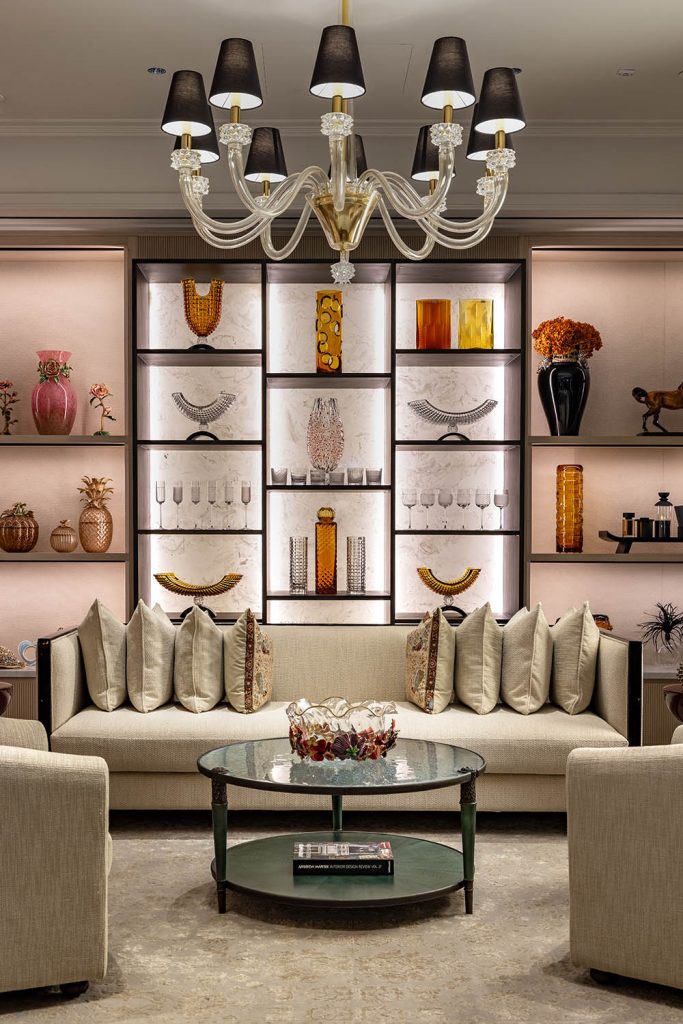
Collecting Through Travel: Objects That Evoke Memories
When travelling, I often encourage people to look beyond souvenirs and toward objects that are deeply rooted in place and craftsmanship. A small canvas discovered in a local gallery, a hand-painted ceramic bowl from a bespoke atelier, a woven textile whose irregularities reveal the human hand, pieces such as these carry an authenticity that cannot be replicated or mass-produced. Even modest finds such as sketches, everyday vessels, or sculptural fragments hold immense emotional value because they are tied to a specific moment or memory. Over time, they age alongside us, becoming markers of journeys taken rather than trends followed.
Also Read: Luxury In The Unexpected: West Bengal’s Hidden Cultural Treasures
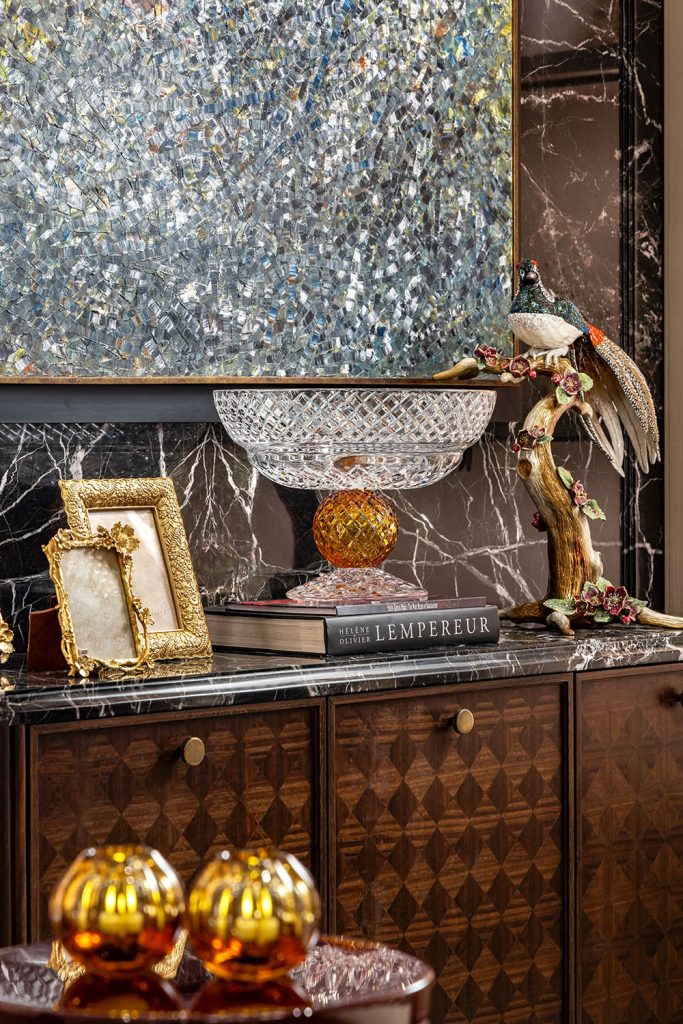
Acquiring Vs. Collecting
This is the difference between acquiring and collecting. Acquiring is often driven by immediacy; collecting is guided by reflection. A collection cannot be assembled overnight, it gathers depth only through lived experience and personal choice. You cannot fake a collection.
Meaning Beyond Origin
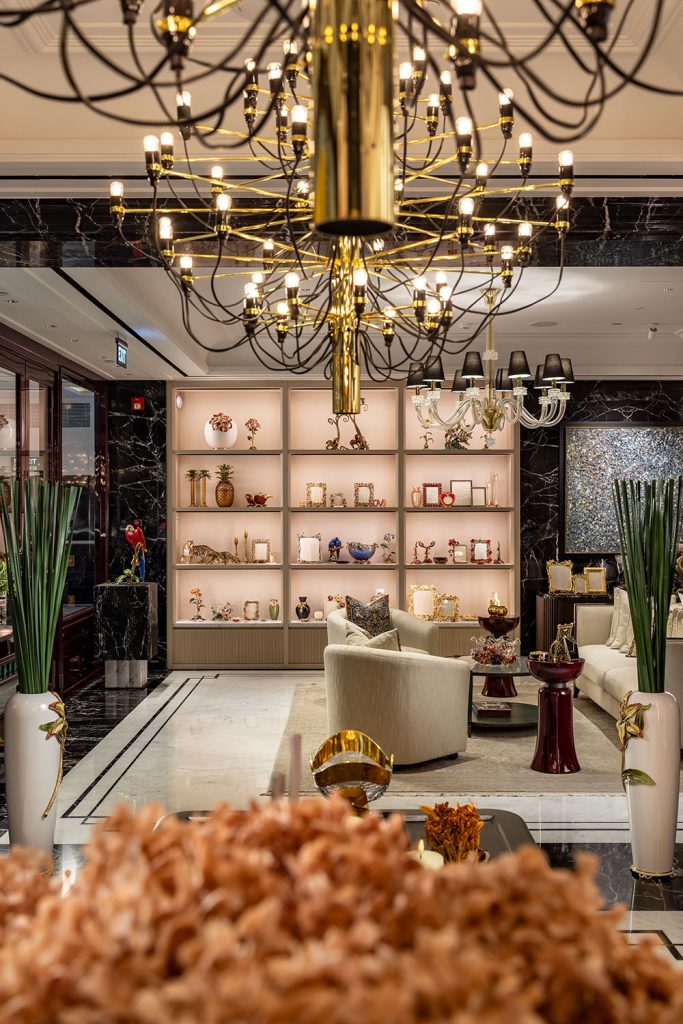
There is also a misconception that objects purchased from stores lack emotional value. In reality, meaning comes from connection, not origin. Store-bought pieces can be deeply significant when chosen with intent and lived with over time. I often advise investing in objects defined by craftsmanship and longevity such as sculptural vases, frames, and any such collectible design pieces that transcend seasonal trends. When these objects remain relevant long after their moment online has passed, they quietly become heirlooms.
Also Read: The Luxury Of Handmade: Why Human Touch Still Matters In Design
Intentional Investment And Emotional Value
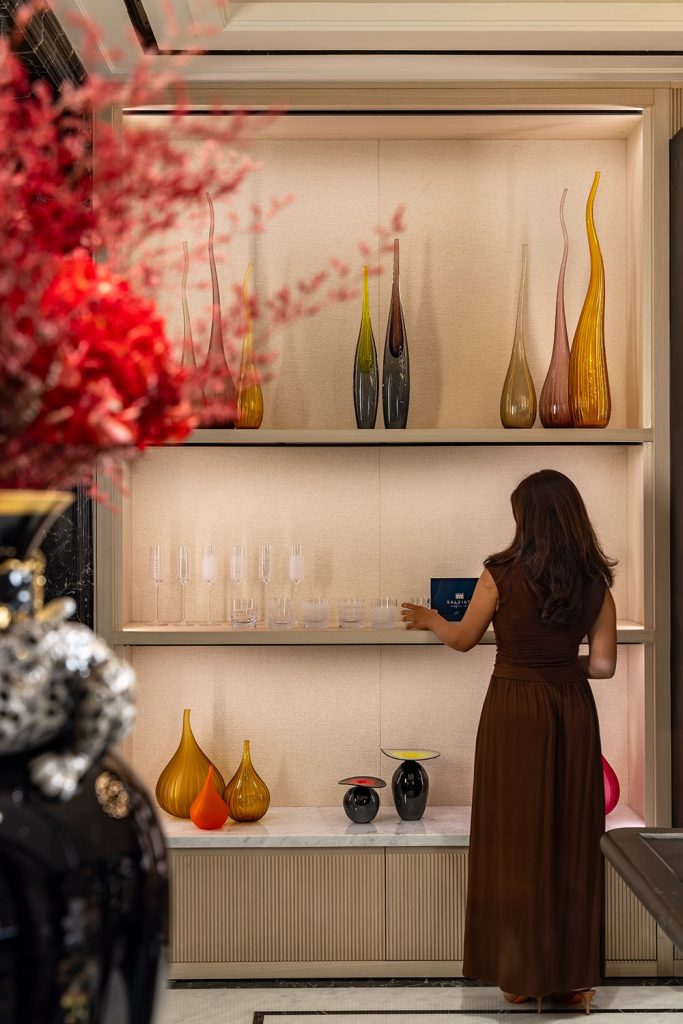
Buying should be seen as an act of intention rather than accumulation. Investing in heirloom-worthy pieces is all about discernment. These are pieces crafted with depth, whether through exceptional workmanship or thoughtful design. When acquired slowly and lived with over time, they become anchors within that space, carrying forward stories rather than dates of purchase. In this way, investment is not financial alone, but also emotional, rooted in the belief that what we choose to live with should continue to matter long after the moment of acquisition has passed.
The Art Of Restraint In Styling
Styling, in this context, becomes an exercise in restraint. Social media often encourages abundance, every surface filled, every corner styled. But the most compelling homes allow space to breathe. Editing is essential. Arrange items in odd numbers, mix different sizes and textures, and leave some empty space so the display feels balanced and easy on the eyes. Books, trays, or pedestals help anchor smaller pieces, while allowing one object to lead and others to support. Everything does not need to be on display at once. Rotation brings freshness without excess, and prevents a home from feeling frozen in a single moment.
Creating Cohesion Across Time And Place
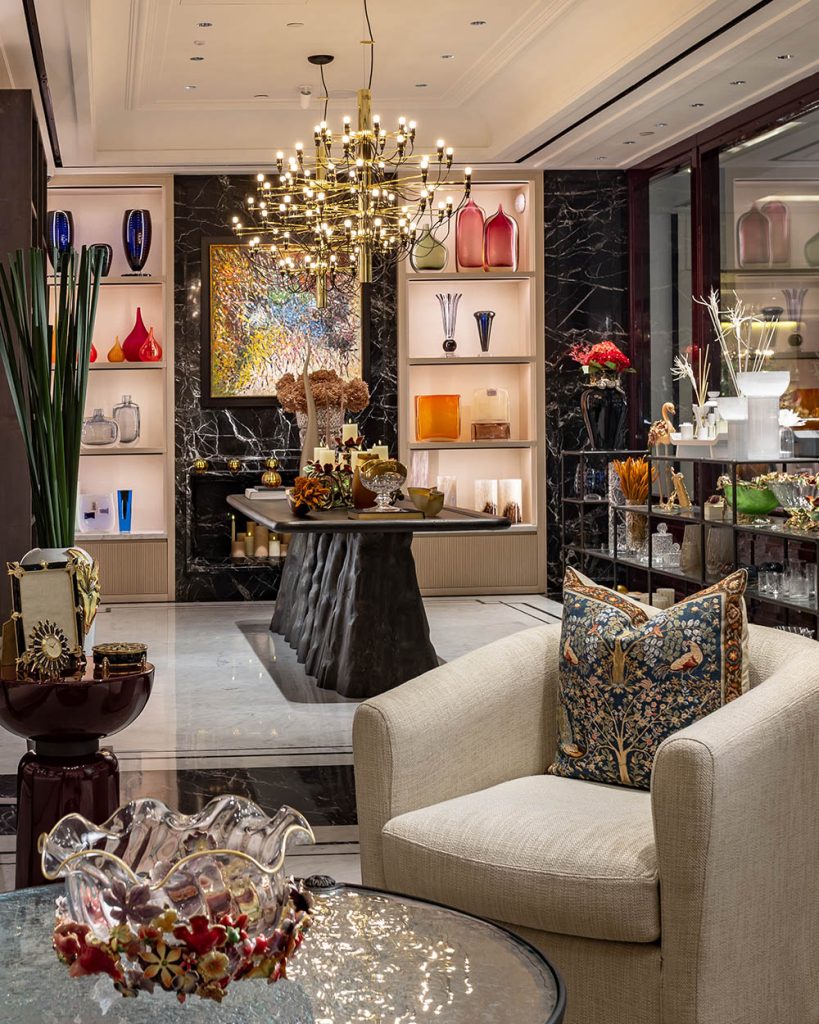
As collections grow across time and geography, visual cohesion becomes less about uniformity and more about intention. Objects from different cultures do not clash when they belong to the same narrative. A restrained colour palette, shared material sensibility, or consistent tonal warmth can anchor diverse pieces, while neutral backdrops allow them to coexist without competing for attention. Repetition, in finishes, framing, or form, creates continuity without erasing individuality.
Resisting The Pressure Of Fleeting Trends
Ultimately, curating heirloom-worthy luxury today is about resisting the pressure to keep up. In a fast-consumption world shaped by visibility and velocity, the most meaningful objects are those that evolve in worth over time.
That, to me, will always be the meticulous art of collecting.
Neha Kataria is an interior designer at LA Archplan and serves as the Creative Director of The Right Address.