Georgian architecture does not shout. It does not gesture wildly or demand applause. Instead it stands there calmly confident that its proportions are correct and that you will eventually notice. This was architecture designed by people who believed that symmetry could fix almost anything including cities society and possibly even the human soul. In an era obsessed with reason and classical ideals Georgian buildings arrived with straight lines polite facades and windows arranged so neatly you could almost hear them whispering order. It is the architectural equivalent of a perfectly tailored suit understated precise and impossible to argue with.
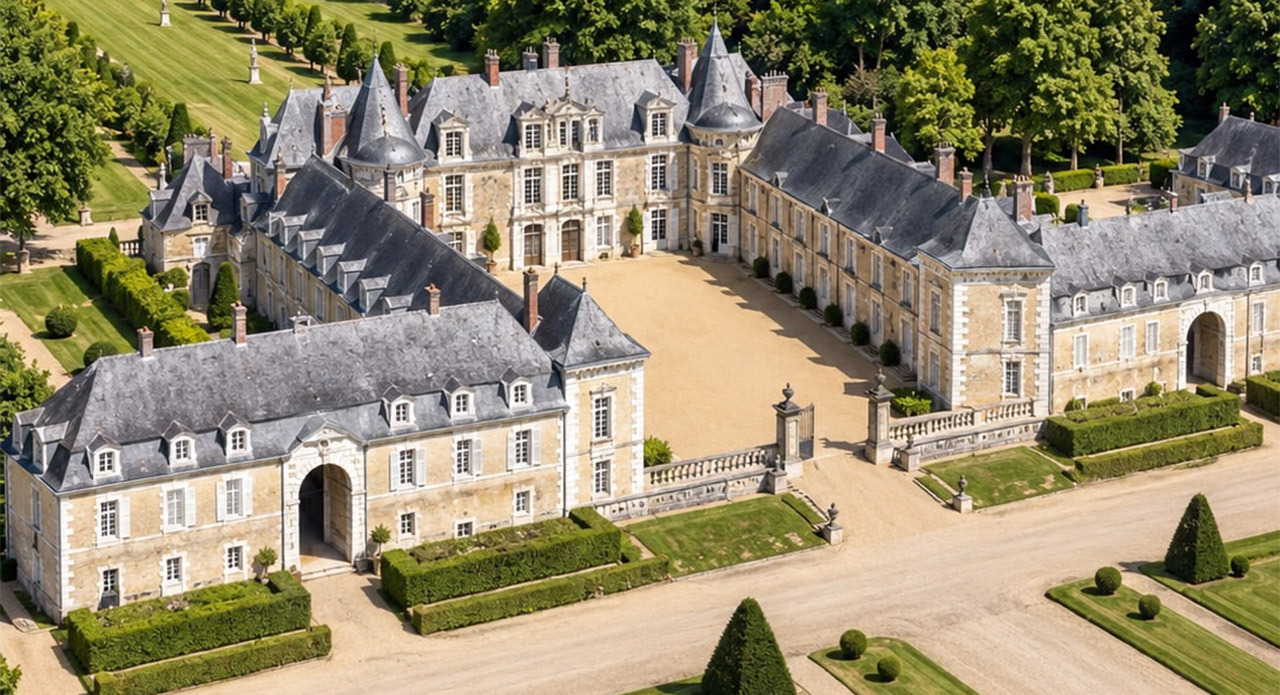
Georgian architecture refers to the architectural styles popular during the reigns of the British monarchs George I through George IV from the early eighteenth to early nineteenth centuries. Rooted in classical Greek and Roman principles the style emphasises balance proportion and formal symmetry. Georgian buildings were designed to appear dignified and harmonious reflecting Enlightenment ideals of logic order and rational beauty. The style became dominant in Britain and spread widely through colonial expansion.
Also Read: Colonial Architecture Explained: Key Features, Design Elements, And Famous Examples
The Historical Context Of Georgian Design
Georgian architecture emerged during a period of political stability economic growth and intellectual advancement. Influenced by the writings of Andrea Palladio and the rediscovery of classical antiquity architects sought to impose clarity and structure on the built environment. Urban planning flourished with orderly streets squares and terraces defining Georgian cities. Architecture became a visual expression of Enlightenment values shaping both public and private life.
Continued Appeal Of Georgian Architecture
Georgian architecture remains influential because it balances beauty and function with remarkable consistency. Its emphasis on proportion light and clarity continues to inspire architects and planners. Many Georgian buildings have been carefully preserved and adapted proving the style’s resilience. In an age often drawn to extremes Georgian design offers a reassuring sense of calm order and timelessness.
Top Georgian Buildings That Defined An Age Of Proportion And Order
Royal Crescent Bath, England

The Royal Crescent is the most celebrated expression of Georgian architecture in Britain and one of the finest urban compositions in the world. Designed by John Wood the Younger this sweeping terrace of thirty houses presents a perfectly unified classical facade overlooking landscaped lawns. Ionic columns rhythmic windows and flawless symmetry create an image of calm grandeur. Though each residence is individually owned the collective composition defines Georgian urban elegance at its peak.
Kenwood House London, England

Kenwood House reflects the refined domestic sophistication of Georgian architecture set within a picturesque landscape. Redesigned by Robert Adam the house combines Palladian symmetry with delicate interior detailing. Light filled rooms balanced proportions and restrained ornamentation create a residence that feels dignified yet welcoming. Kenwood House illustrates how Georgian design harmonised architecture art and nature into a single elegant vision.
Merrion Square, Dublin, Ireland

Merrion Square represents Georgian urban planning at its most disciplined and complete. Surrounded by uniform brick townhouses with elegant doorways and sash windows the square reflects the Georgian obsession with order and proportion. The consistent scale and rhythm of the buildings create a cohesive streetscape that remains highly desirable centuries later. Merrion Square stands as a testament to how Georgian principles shaped entire cities rather than individual landmarks.
Hammond Harwood House, Annapolis, United States

Hammond Harwood House is considered one of the finest examples of Georgian architecture in the United States. Designed by William Buckland and inspired by Palladian ideals the house features perfect symmetry classical detailing and refined proportions. It demonstrates how Georgian architecture crossed the Atlantic adapting to new cultural and political contexts while retaining its core principles of balance and order.
Raj Bhavan, Kolkata, India

Raj Bhavan in Kolkata represents the transplantation of Georgian architectural ideals into colonial India. Designed with classical symmetry colonnades and formal planning the building reflects British authority expressed through Georgian restraint. Adapted for climate and local materials it illustrates how Georgian architecture evolved beyond Britain influencing administrative and civic design across the empire. Today it remains a prominent symbol of architectural legacy in South Asia.
Why These Georgian Buildings Still Matter
These Georgian landmarks reveal why the style remains synonymous with elegance discipline and timeless appeal. Across continents Georgian architecture imposed clarity on growing cities and introduced standards of proportion that continue to shape design thinking. Their enduring relevance proves that well measured architecture transcends geography politics and time.