

Before Roberto Burle Marx came along, gardens largely knew their place. They were tidy, obedient, and faintly apologetic, like well groomed relatives who spoke only when spoken to. Then Burle Marx arrived and treated the landscape the way a modern artist treats a blank canvas which is to say with zero respect for tradition and a great deal of glorious intent. Lawns were bent, pavements were turned into paintings, native plants were promoted from supporting cast to leading roles, and suddenly the ground beneath your feet had an opinion. This was not gardening. This was urban rebellion conducted with leaves, stone, and an alarming amount of confidence. And once you realise who Roberto Burle Marx was, you begin to understand why so many cities feel better than they look, and why nature, when designed properly, does not whisper politely in the background. It clears its throat and takes centre stage.
If you believe a garden’s job is to sit quietly in the background like elevator music made of grass, Roberto Burle Marx would have dismissed you instantly. He was not interested in polite lawns or apologetic hedges. He wanted landscapes to perform. Loudly. With confidence. Preferably while making nearby buildings feel slightly inadequate. Born in Brazil in 1909, Burle Marx became the man who transformed landscape architecture from decoration into declaration. He did not see green spaces as fillers between roads and towers. He saw them as living, breathing works of modern art. And once you notice his thinking, you realise you have been walking through it for decades.
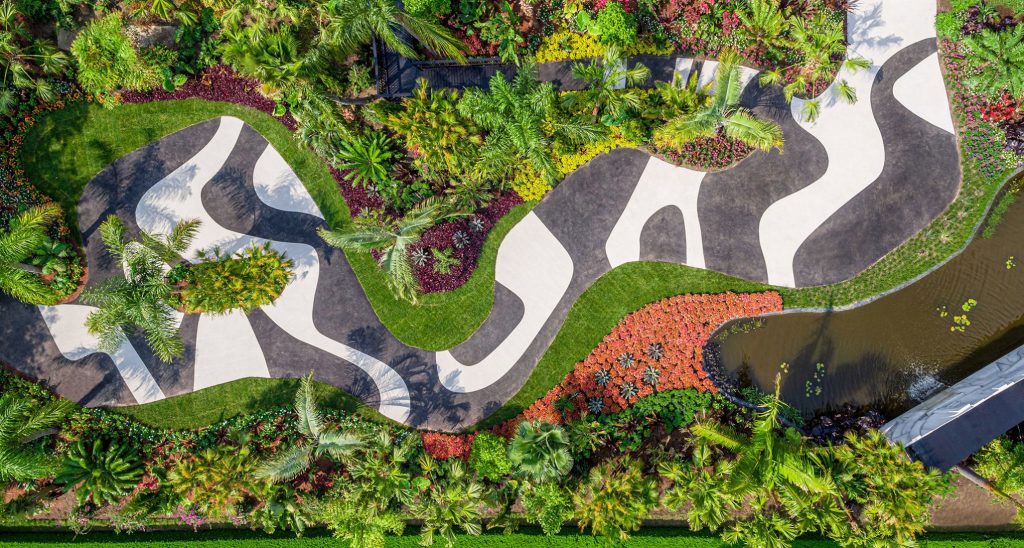
Not A Gardener, But A Composer Of Space
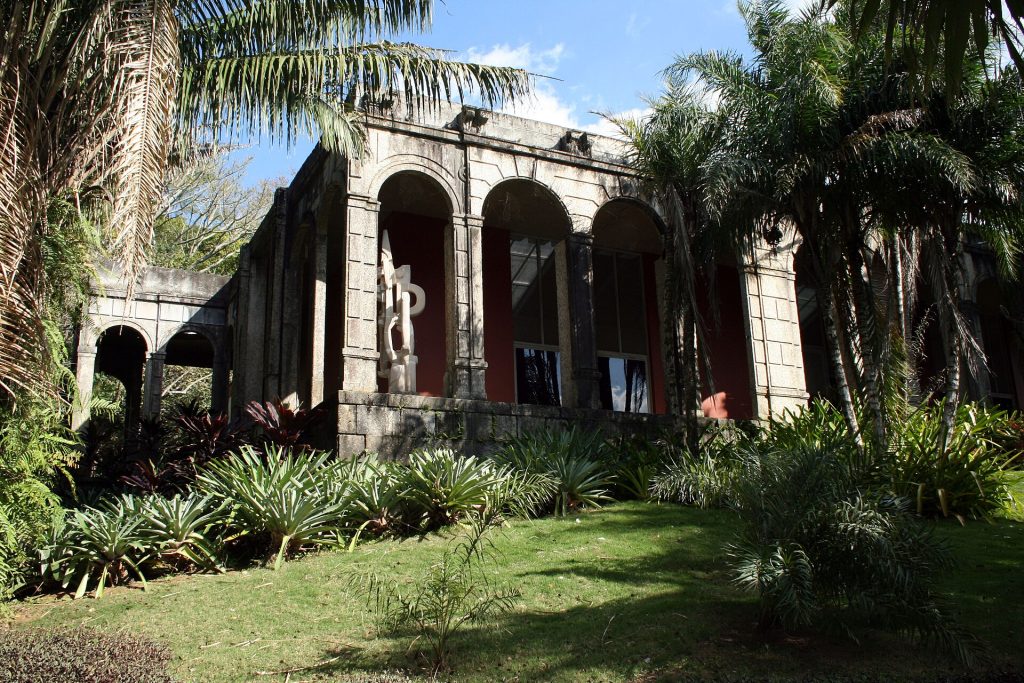
Calling Burle Marx a gardener is like calling a Formula One engineer a mechanic. Technically related. Entirely inaccurate. He was a trained artist, painter, sculptor, and musician, and he treated land the way a composer treats sound. Rhythm mattered. Contrast mattered. Silence mattered just as much as drama. Plants were never arranged politely in rows. They were layered, clashed, and contrasted. Broad leaves next to fine textures. Deep greens beside almost violent flashes of colour. His landscapes moved your eye the way music moves your mood. Slowly at first. Then all at once.
Also Read: Top Spanish Architects Who Shaped Modern And Contemporary Design
Turning Pavements Into Paintings
The most famous proof of his madness and brilliance lies underfoot in Rio de Janeiro. The sweeping black and white pavements of Copacabana are not random decoration. They are Burle Marx turning a footpath into a canvas. What should have been dull became dynamic. What should have been static now flows like water.
This was his gift. He understood that cities are experienced at walking speed. If the ground beneath you is alive, the city feels alive. Long before urban designers talked about human scale, Burle Marx was quietly designing for it.
Native Plants Before Sustainability Was Fashionable
Here is where Burle Marx was genuinely ahead of his time. While much of the world was obsessed with importing European lawns and exotic plants that struggled to survive, he championed native Brazilian species. Not out of ideology, but out of common sense and deep respect for place. He collected thousands of native plants, many of which were unknown or ignored at the time. His designs worked with climate, soil, and ecology rather than fighting them. The result was landscapes that were resilient, expressive, and unmistakably Brazilian. Sustainability without sermons. Just intelligent design doing its job.
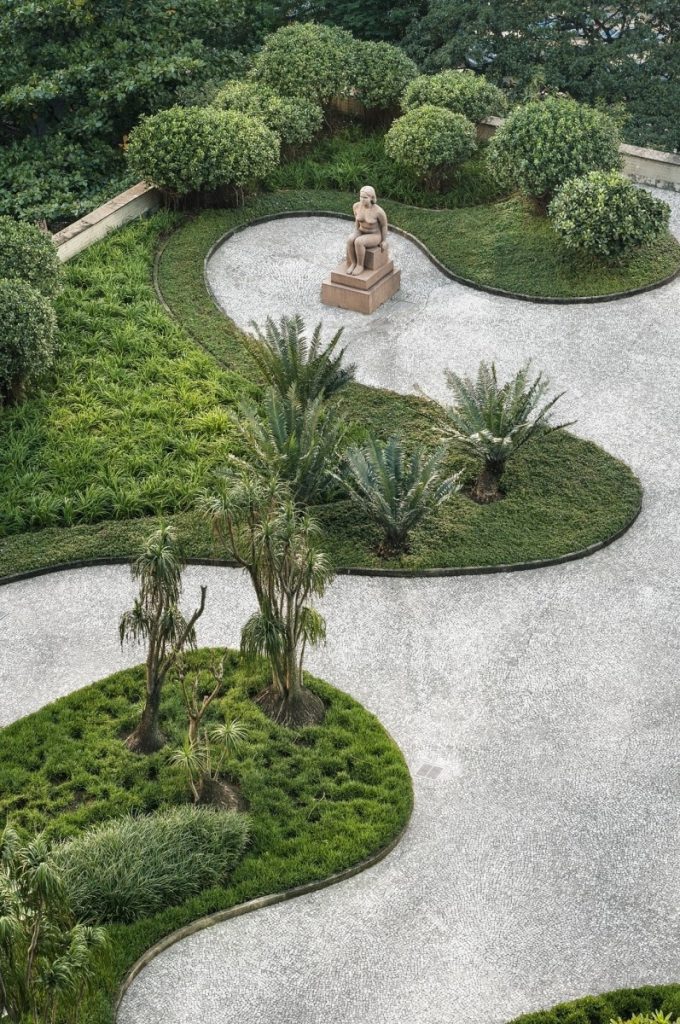
Modernism Needed Him More Than It Knew
During Brazil’s modernist surge, Burle Marx worked alongside architects like Oscar Niemeyer and Lúcio Costa, most notably in Brasília. Their buildings were bold, monumental, and unapologetically modern. Without Burle Marx, they would have felt cold.
His landscapes softened concrete with curves, colour, and organic movement. He gave modernism its humanity. Where architecture stood tall and proud, his gardens invited people to linger, sit, wander, and breathe. He proved that nature was not an accessory to architecture. It was its emotional counterweight.
Designing How Cities Feel Not Just How They Look
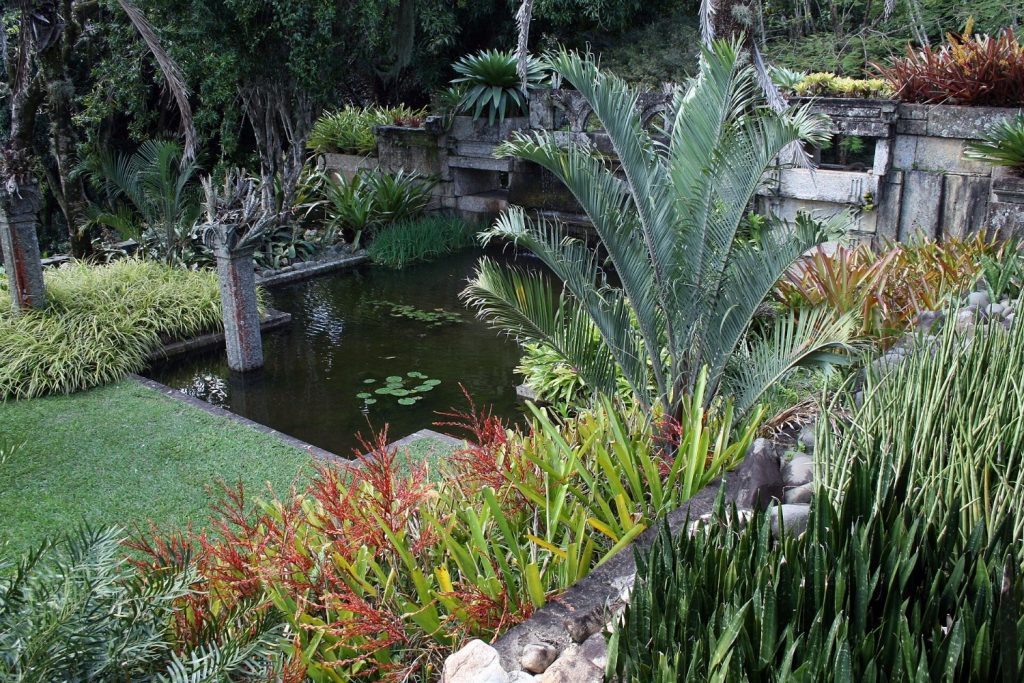
Perhaps Burle Marx’s greatest contribution was psychological. His spaces slowed people down. They encouraged wandering instead of marching. They offered surprise instead of predictability. In crowded cities, his landscapes created moments of calm without ever becoming dull. He understood something many planners still struggle with. Public space is not about control. It is about experience. When people feel good in a place, they respect it. And Burle Marx made cities feel good long before anyone added wellbeing to a design brief.