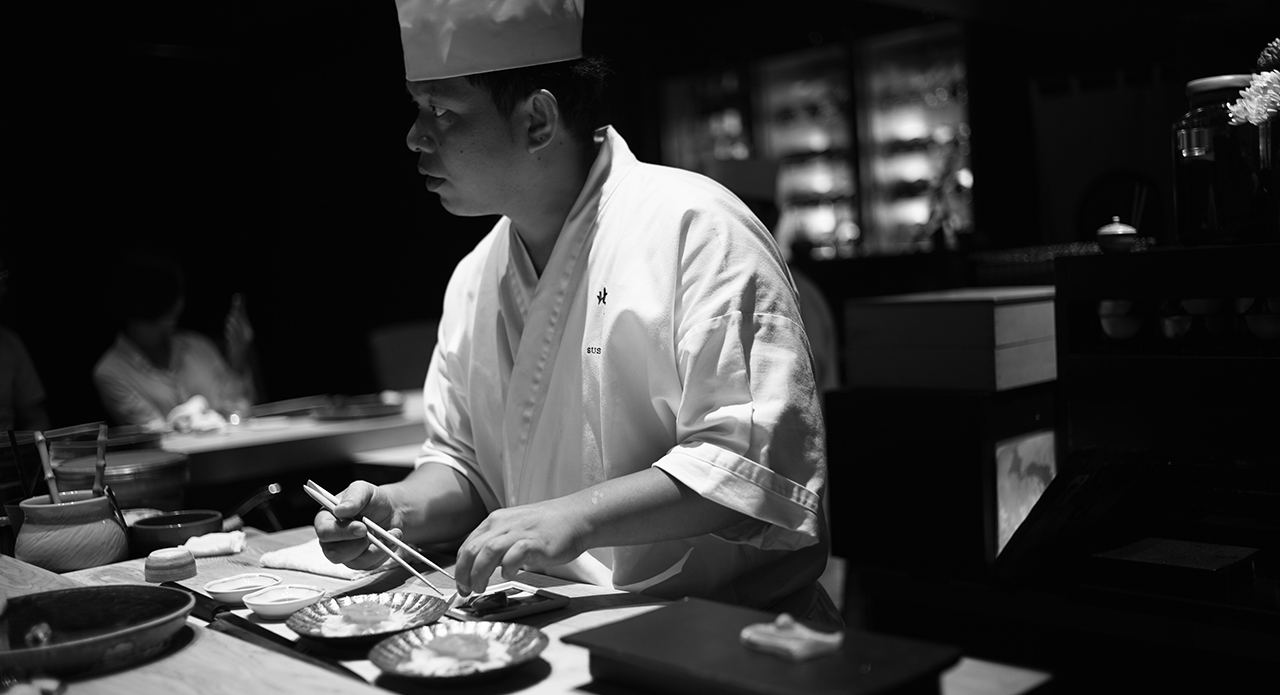


Sushi counters, izakayas, interactive yakiniku, teppanyaki grills, you name it, and Delhi NCR seems to have it. The capital’s latest dining obsession says something larger about the city than what is showing up on the plate. There was a time, not too long ago, when Delhi’s idea of “Asian food” could be reduced to three familiar moods. Greasy Indo-Chinese comfort, the K-wave rush of Korean ramen and fried chicken, and the occasional sushi platter ordered more for novelty than preference. In 2026, that equation has changed drastically.
From Korean Craze To Japanese Curiosity
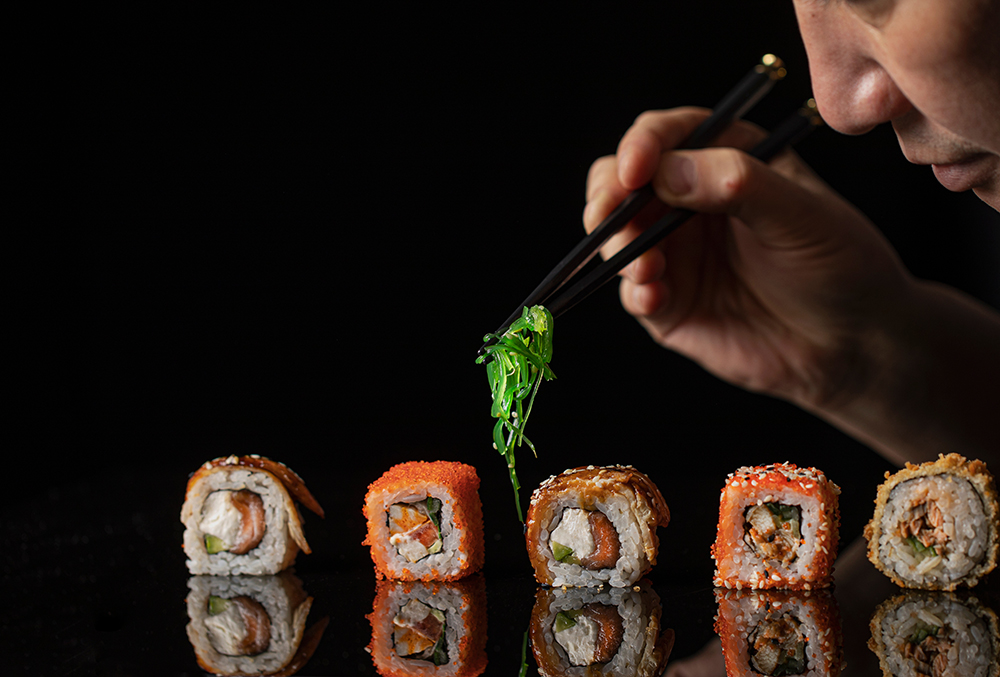
Japanese food is no longer a niche cuisine tucked away in five-star hotels or reserved for special occasions. It is showing up everywhere, on tasting menus, cocktail-led tables, delivery apps, robata grills, ramen bowls, matcha desserts, hand rolls, and increasingly, in the language of aspiration itself. Across Delhi NCR, new-format Japanese restaurants, omakase experiences, and Japanese-inspired bars are finding a real audience, while older legacy spaces are being rediscovered by a younger diner.
I found this especially striking after my recent trip to Japan. I spent a week eating through food markets, neighbourhood counters, tiny bars, and, unexpectedly, convenience stores. The most vivid memory isn’t of sights, but of the food. I still remember standing outside a 7-Eleven close to midnight, in pyjamas, holding fried chicken that was too hot to eat properly and too good to wait for. That trip changed the way I thought about Japanese food. It stopped being intimidating.
Also Read: The Ultimate Japan Travel Food Guide: 20 7-Eleven And FamilyMart Treats Loved By An Indian Foodie
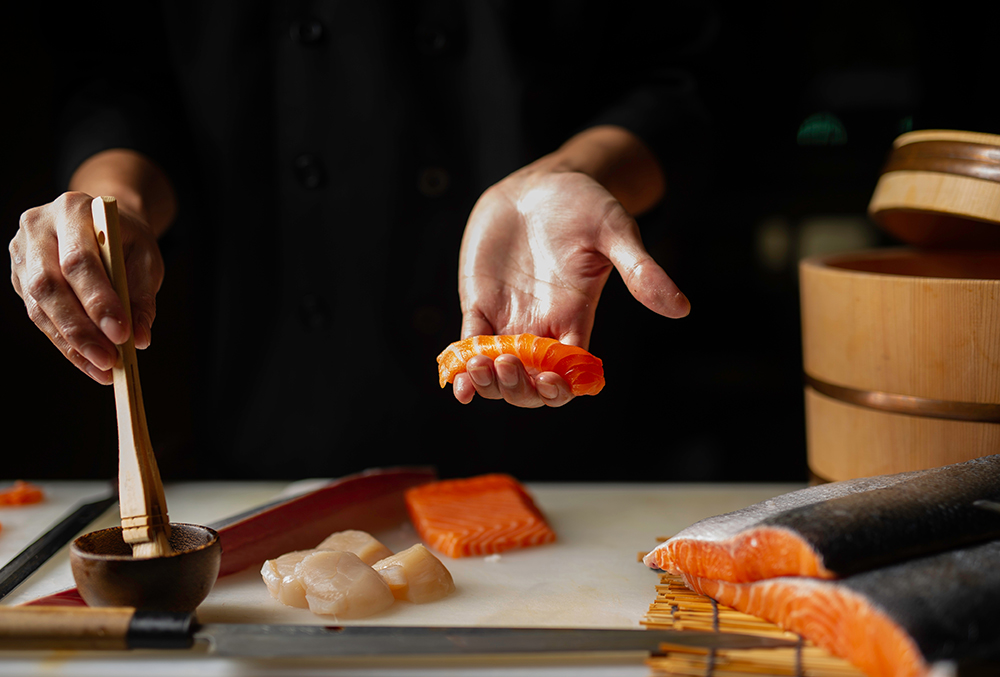
Back in Delhi, as I noticed the sudden rise of Japanese restaurants across the city, one question kept nagging me – Why now?
The easy answer is that Delhi is following a global food trend. But that misses what is specifically happening in this city. Delhi’s embrace of Japanese food is not just about novelty. It reflects a larger shift in how urban diners want to eat, socialise and spend. Japanese cuisine, in many ways, has become the perfect answer to Delhi’s current appetite. It’s refined but social, premium but legible, healthy, stylish, and importantly, now it has become familiar enough to not feel intimidating at all.
Moving Beyond Pan-Asian
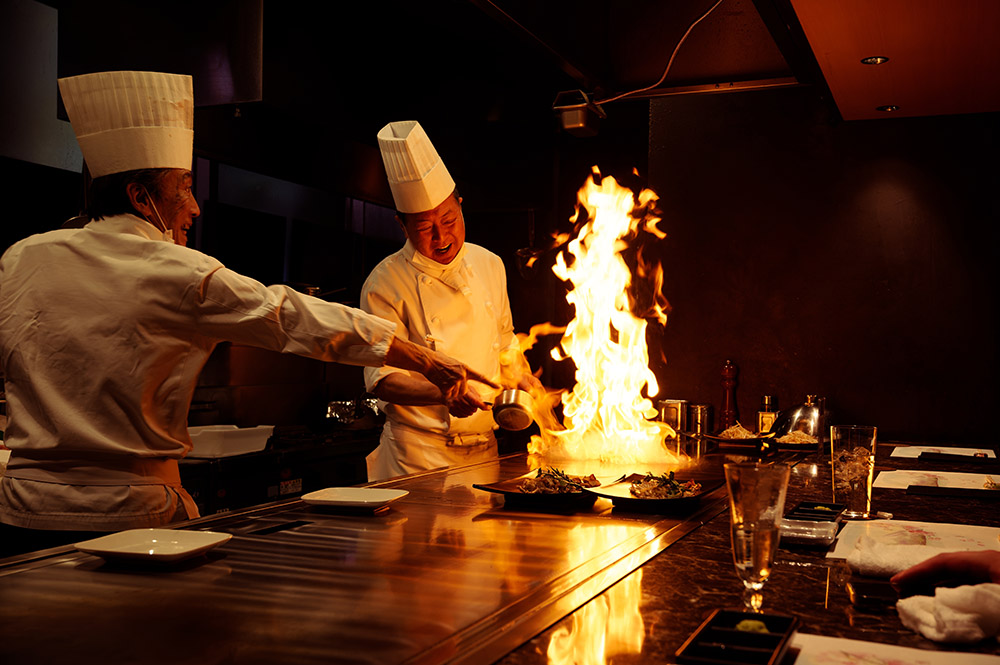
For years, Delhi collapsed East and Southeast Asian cuisines into a single shorthand, “Pan-Asian.” A single menu could hold dim sums, sushi, Thai curry, chili chicken, and bibimbap without anyone questioning it. That has changed.
Today’s diner is more informed, more travelled, and more online. They know the difference between ramen and ramyeon, between gyoza and the momo-adjacent dumpling it often gets flattened into, between soy-heavy fusion and the quieter precision of Japanese seasoning. They may still enjoy all of it, but they no longer accept every cuisine being folded into one vague category. That shift is part of why Japanese food resonates now.
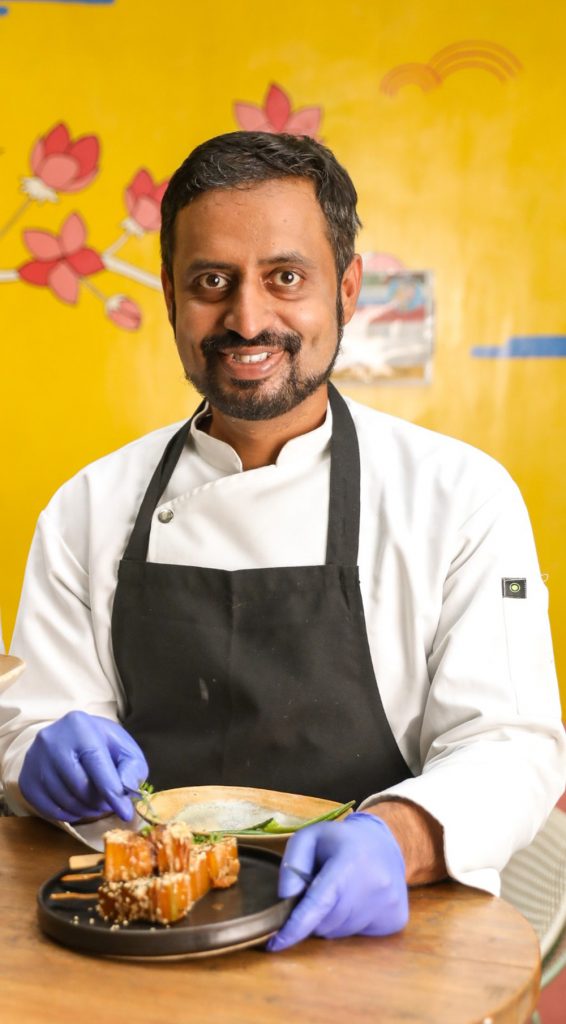
Chef Saurabh Sharan of Guppy, one of Delhi’s earliest and most consistent Japanese favourites, puts it simply. ‘Japanese food and restaurants have become popular due to their subtle flavours, beautiful presentation, unique compositions, and perceived health benefits. The cuisine is also highly adaptable, allowing the incorporation of ingredients from across the globe while still maintaining authenticity.’
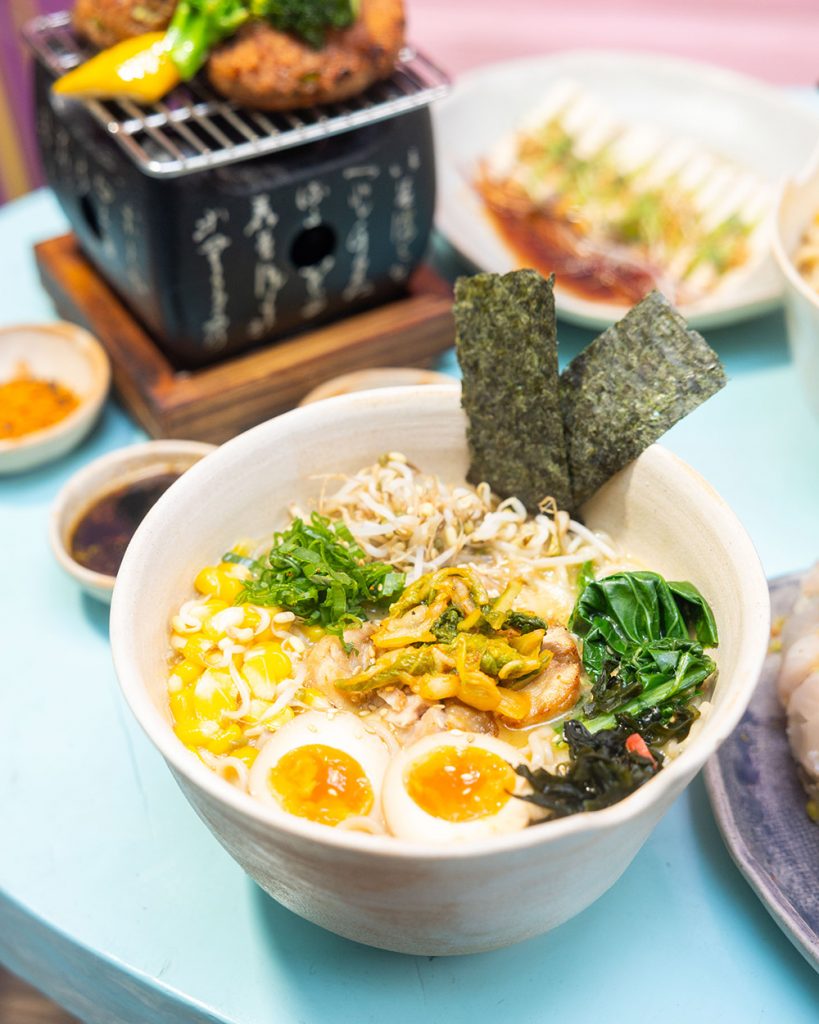
Why Japanese Cuisine Resonates Now
From a business perspective, few understand how a dining category turns into a city-wide mood better than Zorawar Kalra, founder and MD of Massive Restaurants. His take on the current moment explains a lot. ‘Japanese cuisine today sits at the intersection of precision, storytelling, and premiumisation, three things the Indian diner is actively seeking,’ he says. ‘What makes it commercially exciting is that it allows you to command higher price points without resistance, because the cuisine inherently communicates craft, whether it’s sushi rice technique, knife skills, or sourcing. It’s not just food, it’s discipline on a plate.’

That phrase Kalra used – “discipline on a plate”, perhaps captures its appeal better than anything else. Japanese food carries an inherent sense of seriousness. Even if diners don’t know every dish in detail, they understand that the cuisine is rooted in care, tradition, and technical precision, and that it commands respect. In a city like Delhi, where dining often signals as much as it serves, that matters.
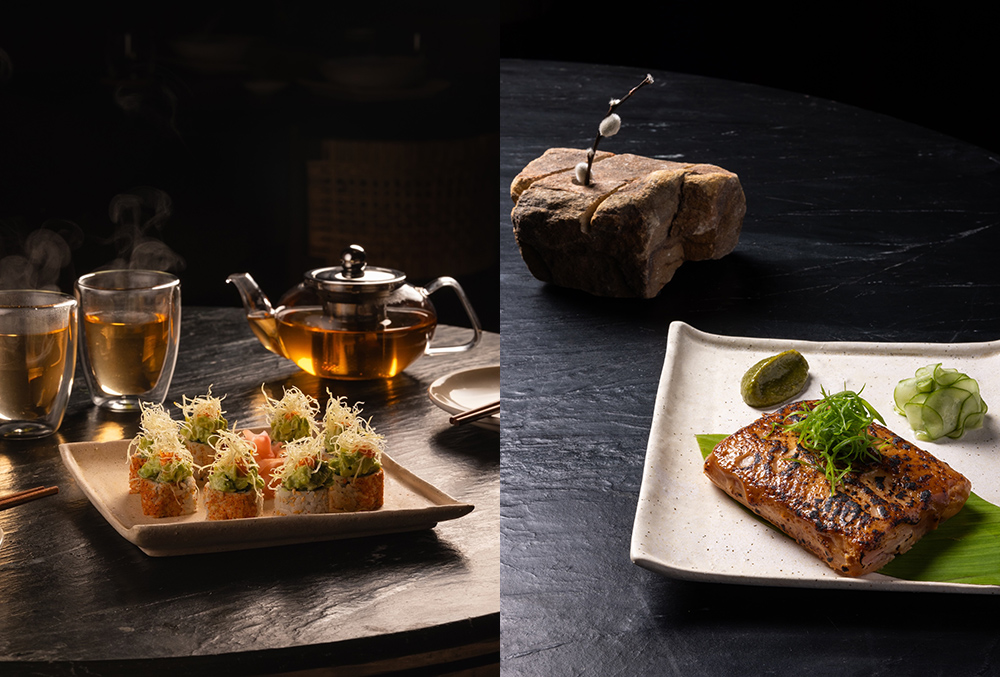
Kalra also points to something else that helps explain the scale of this rise. ‘Also, unlike many cuisines, Japanese food scales beautifully across formats, from high-end omakase to casual robata bars to delivery-friendly sushi bowls. That versatility is gold from a business standpoint.’ And he is right.
Japanese food is one of the few cuisines that can move almost effortlessly between luxury and lifestyle. It can be an expensive omakase one night and a casual ramen bowl on a weekday lunch. It can work as a tasting menu, a date-night dinner, a drinks-led evening, or a delivery order. Few cuisines travel this well across formats without losing their aspirational value.
The Rise Of The Japanese Table
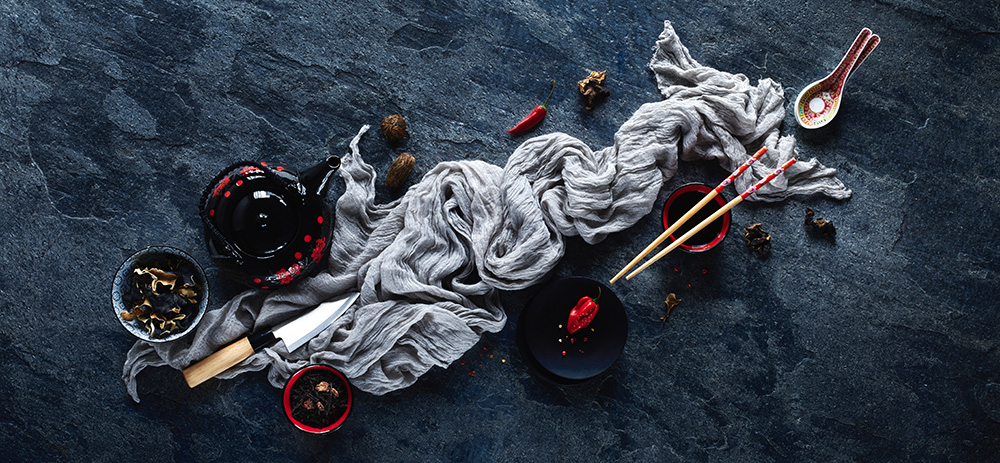
Delhi’s Japanese boom is not only about what people eat, but how they eat. The city is embracing the Japanese table, a style built around curation, craft, and atmosphere. Think omakase counters where the chef narrates each bite, izakayas with small plates and highballs stretching a meal into an evening, robata grills, sake pairings, edited menus, moody bars, and spaces that feel thoughtful rather than maximal. Japanese dining translates beautifully into hospitality design. In a city where restaurants compete not just on taste but on mood, it offers a complete package.
The “Vibe Economy”
Kalra explains its importance. ‘A lot more than people admit,’ he says, when asked how much Japanese food’s success in Delhi has to do with bar and nightlife culture. ‘Japanese cuisine globally has always had a strong synergy with bar culture sake, highballs, whisky, small plates, grazing-style dining. That format is perfectly aligned with how urban India likes to socialise today. In Delhi especially, Japanese restaurants are no longer just about food, they are social spaces. Places where the evening transitions seamlessly from dinner to drinks to energy.’
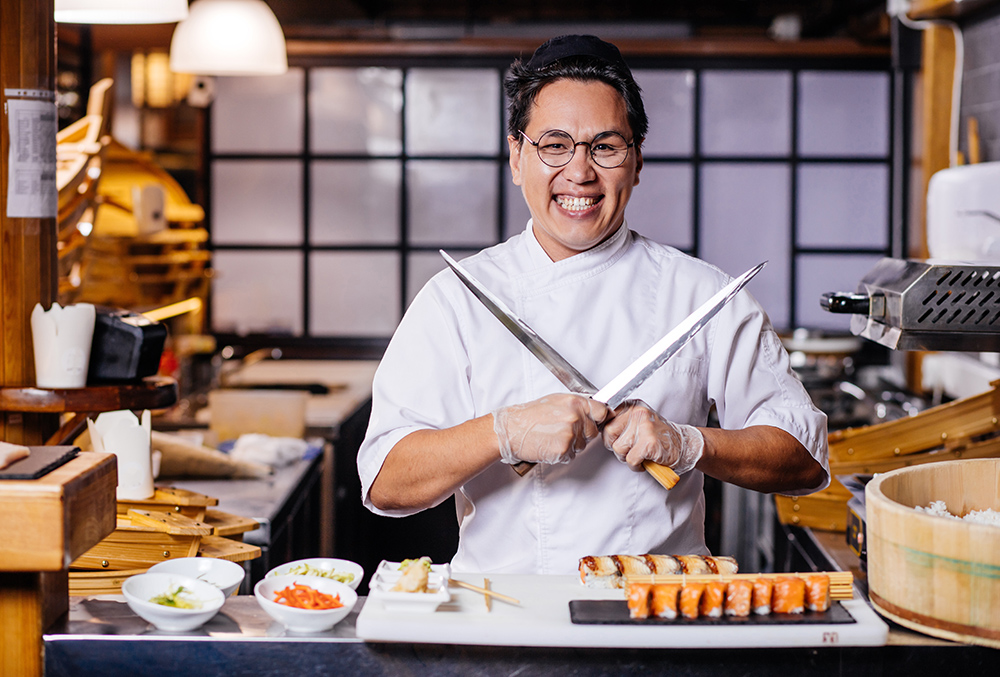
If you look at some of the city’s most relevant Japanese-led or Japanese-adjacent spaces, what they are really selling is not just cuisine. It is a complete evening.
Also Read: 15 Japanese Etiquette Every Traveller Must Know Before Visiting Japan This Winter
Intuitive Adaptation Over Purism
Japanese food’s rise in Delhi hasn’t been through strict purism, but through intuitive adaptation.
Hikki’s F&B Director Sukriti Chopra says, ‘Delhi already has a growing comfort with sushi rolls, tempura, gyozas. That’s the entry point. Hikki aims to take that familiarity a step further—not by overwhelming, but by refining.’

Japanese food in India was once considered extremely intimidating, and I say this from personal experience. Too foreign, too raw, too expensive, too acquired. Today, menus are designed with progression in mind. Diners often enter through easier, more indulgent dishes, and then gradually move towards deeper or more specific flavours. This is not culinary compromise so much as hospitality intelligence.
Hikki’s Executive Chef Prince Tyagi explains, ‘A few dishes guests keep coming back for are Miso Black Cod—rich, umami, indulgent yet familiar; Pork Belly Donburi—glazed in a familiar teriyaki profile, but slow-cooked for approachability; Nikkei Gyozas—traditional form with a Nikkei twist, clean and balanced. All rooted in comfort, each with just enough intrigue to keep you coming back.’
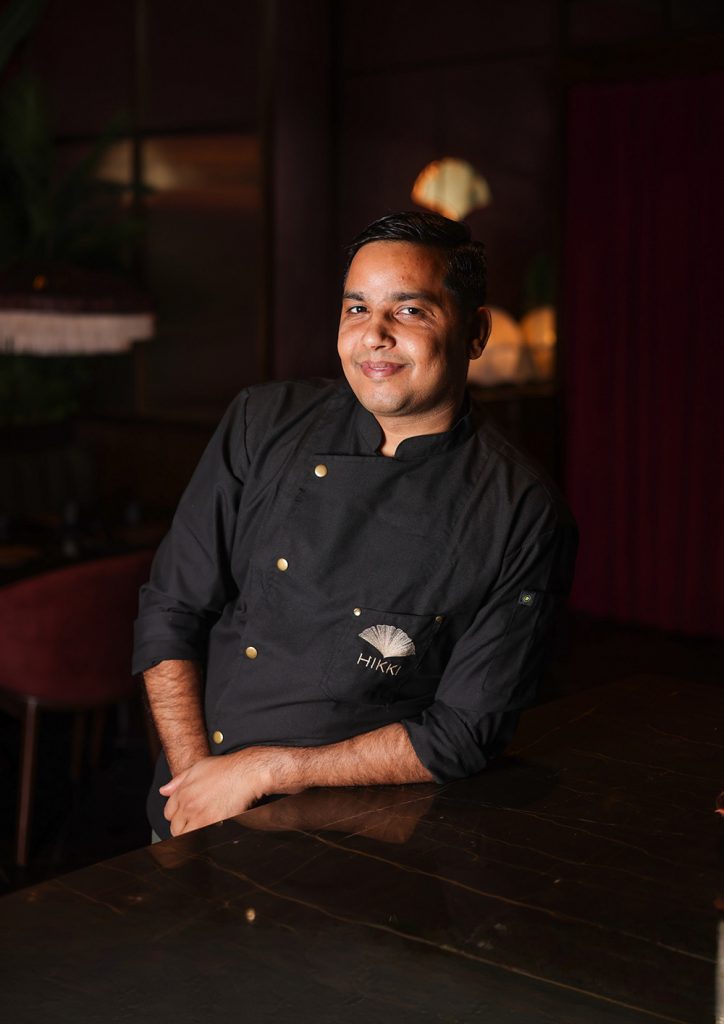
That “just enough intrigue” is key. Gateway dishes like tempura-heavy plates, indulgent donburis, miso black cod, gyozas and hand rolls introduce diners without overwhelming them. Once people enter, they stay and expand their palate.
Expert Insights On Delhi’s Japanese Food Boom
At Zuki, Chef Vaibhav Bhargava says, ‘Rather than altering dishes to fit expectations, we focus on what makes Japanese food distinctive—precision, balance, restraint—and build a bridge to Indian palates through subtle ingredient choices.’
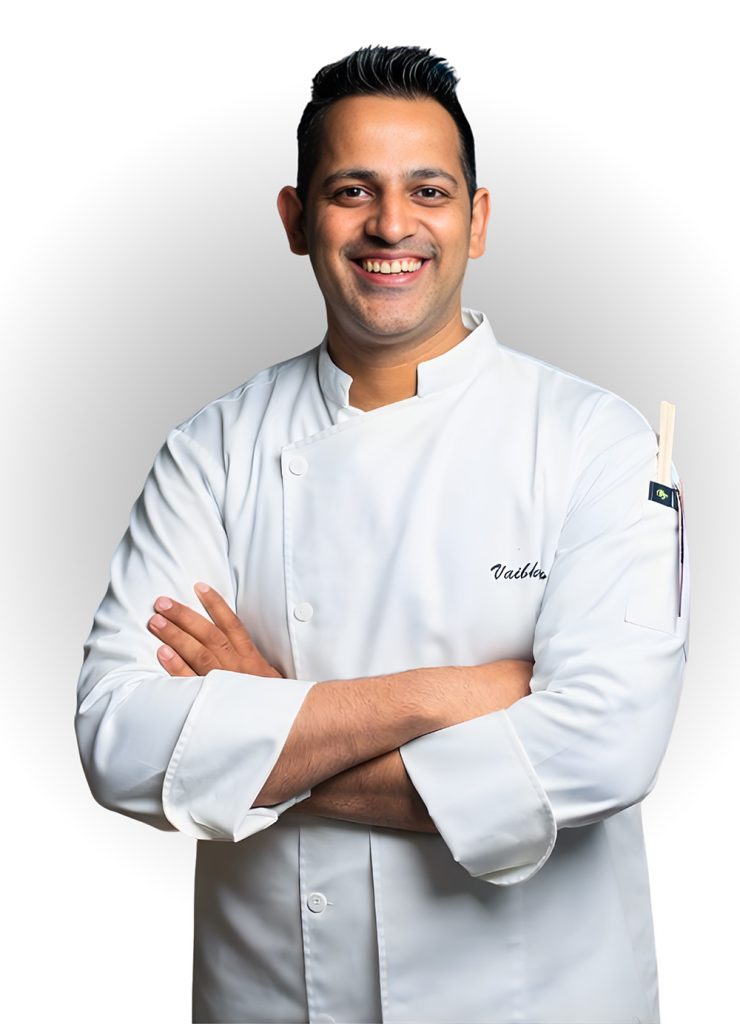
He cites a perfect example. ‘Black pepper–based flavours appeal to Indian tastes yet remain authentic to Japanese and pan-Asian cuisine. The idea isn’t to Indianize the dishes but to make them approachable, so the first experience is inviting, while the technique and flavour balance stay intact.’
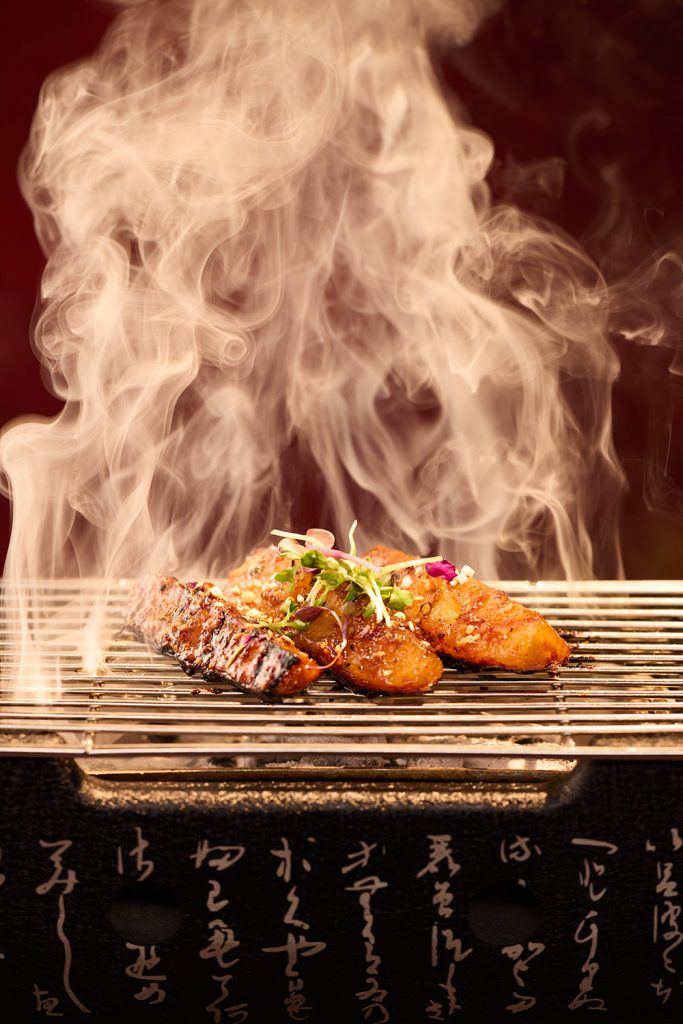
Deepak Gupta, founder of Zuki, chose Noida’s Sector 104, a choice that surprises those expecting South Delhi – but it reflects evolving tastes. Gupta tells me, ‘Noida is a curious, experimental food market. The audience travels, consumes global content, and is open to new cuisines. Sector 104 was a conscious choice: a well-executed Japanese-leaning experience that wasn’t diluted for mass appeal. Instead of chasing usual hotspots, we built a destination people seek out.’

And he isn’t wrong. On any given day of the week, even weekdays, Zuki is packed, with diners who’ve clearly travelled across the city just to eat there.
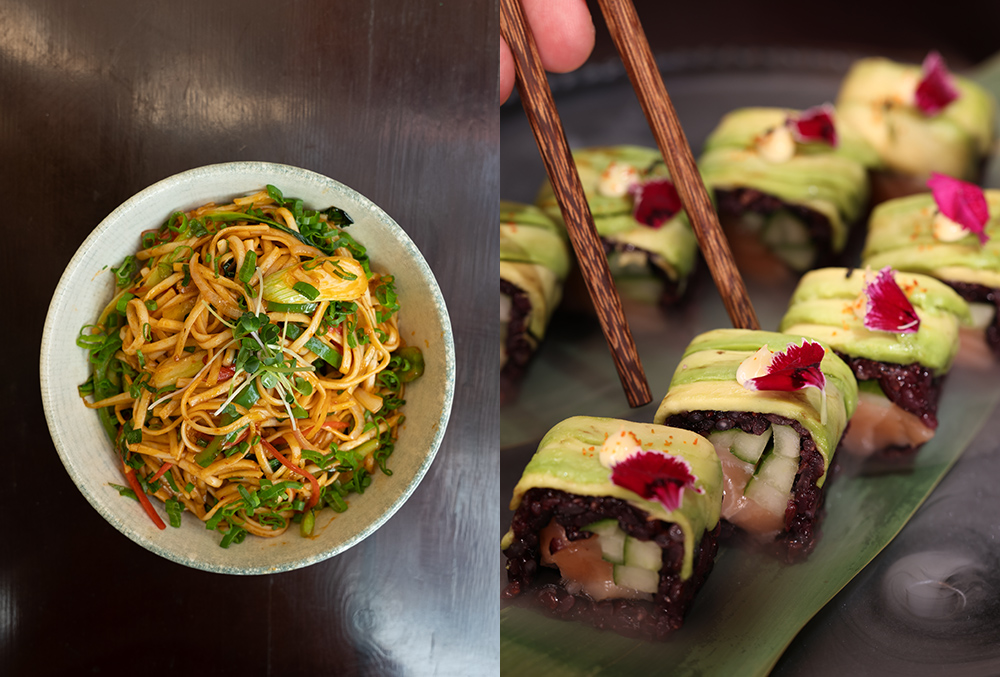
Understanding The Japanese Izakaya
There’s a big reason why the izakaya model has found such natural footing in Delhi. The team behind Call Me Ten and She’s Here (Karann R Chawla, Angadh Siingh and Akshay Shokeen), both of which lean into contemporary Japanese energy, sees this as a direct reflection of how the city now wants to dine.
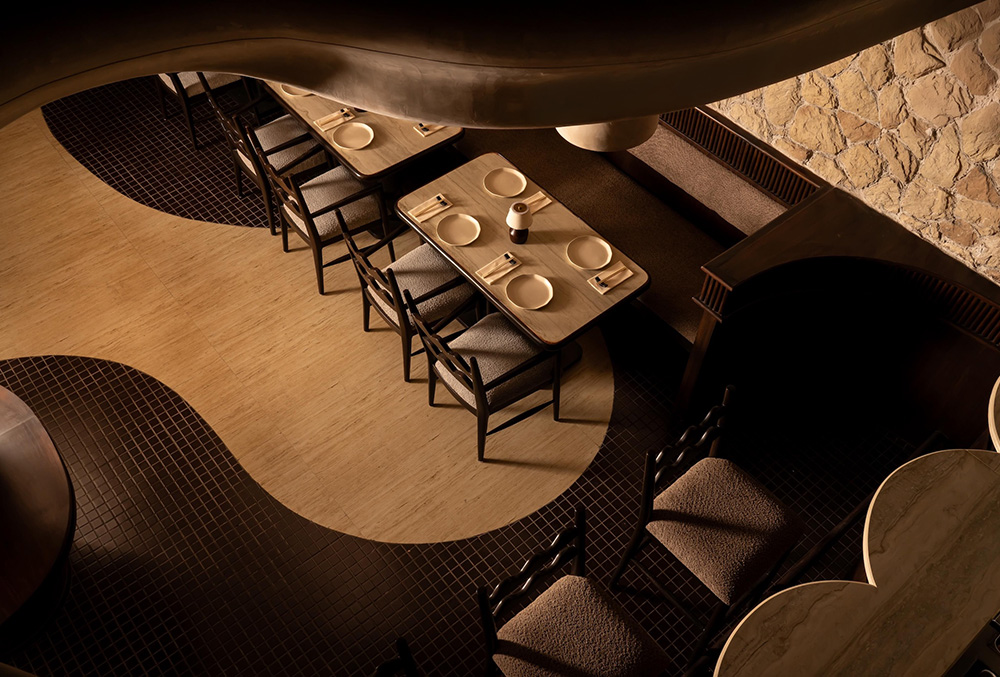
‘At Call Me Ten, we’ve always approached Japanese dining through the lens of an izakaya – informal, energetic, and built around sharing. It’s less about formal meals and more about how people come together over food and drinks,’ they say.
More importantly, they point to a behavioural shift that extends well beyond Japanese cuisine itself. ‘At the same time, the way Delhi dines has shifted. People are moving away from formal, occasion-led dining towards more relaxed, repeatable experiences. That’s where the izakaya format fits in seamlessly, it’s social, unpretentious, and allows you to drop in, order a few dishes, have some drinks, and stay as long as you like.’
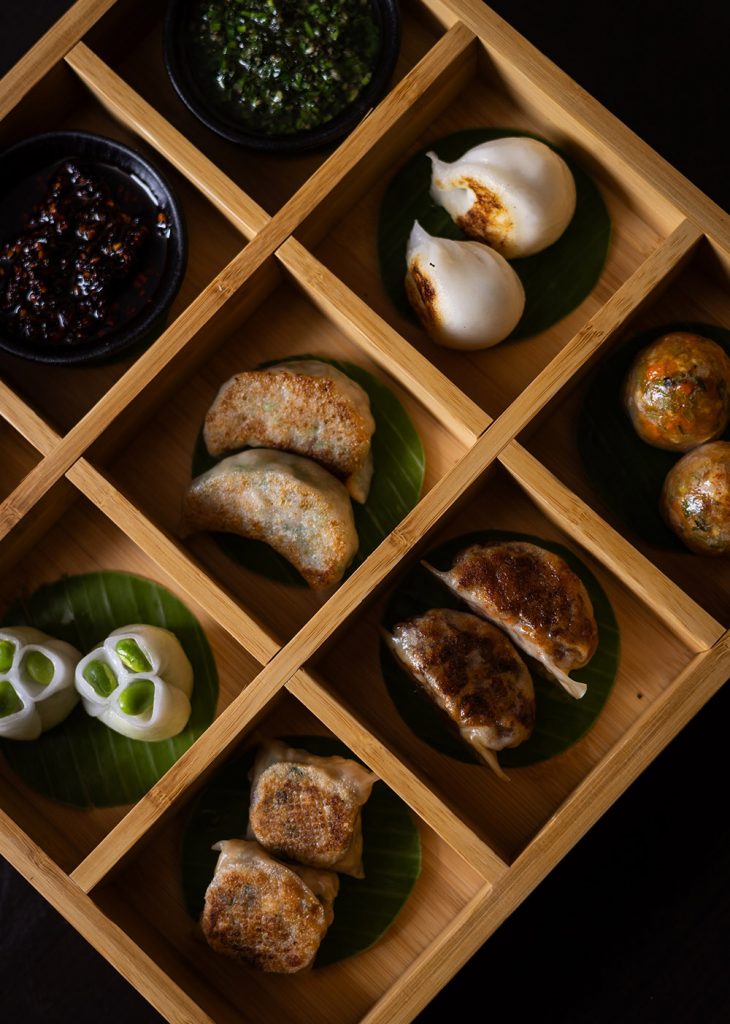
Delhi’s Japanese Palate Has Matured
Guppy has witnessed Delhi’s Japanese curiosity mature. Chef Saurabh Sharan says, ‘Over time, customers and our guests have become far more open and experimental in their food choices. The availability and quality of Japanese ingredients have also improved significantly, allowing for a wider and better range of offerings.’
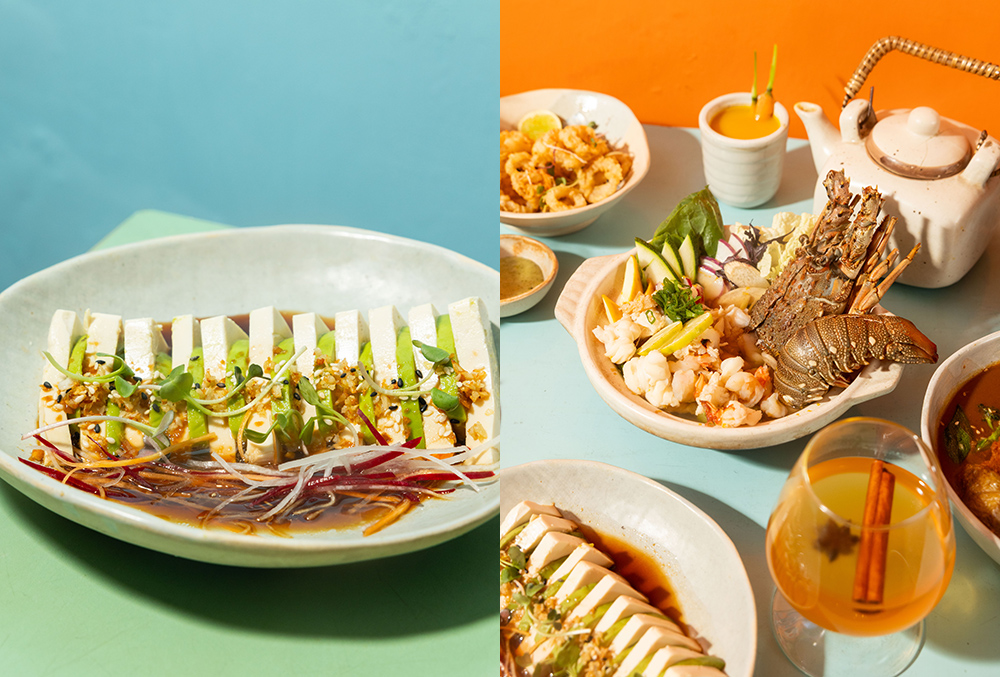
A cuisine becomes part of everyday dining when it adapts to local tastes. Japanese food’s rise in Delhi reflects thoughtful reinterpretation of ingredients.

Authenticity isn’t just importing, it’s translating wisely. Vanshika Wadhwa of Kaméi explains, ‘We don’t force authenticity by using every traditional ingredient, it’s about working with the right quality. We only work with ingredients that meet our standards. If something doesn’t source well or doesn’t translate cleanly here, we don’t force it onto the menu.’
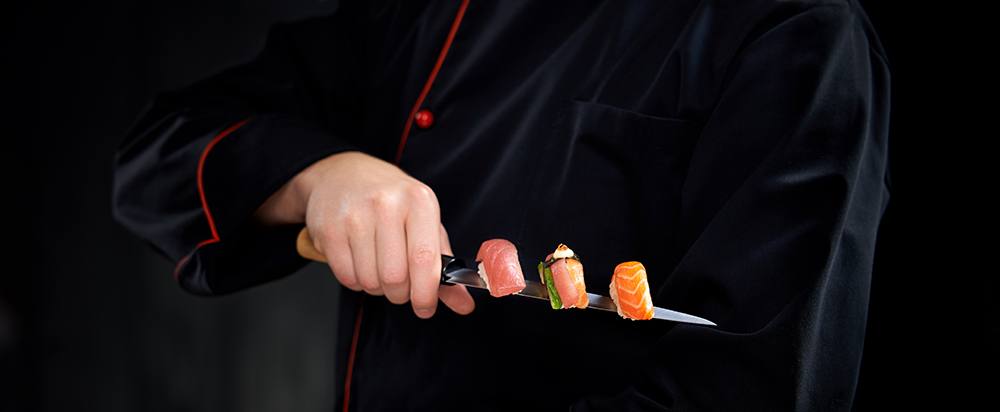
The best Japanese restaurants in Delhi build a dining language that makes sense locally, while respecting the cuisine enough to avoid reducing it to aesthetics.
Why Japanese Food Carries Aspirational Value
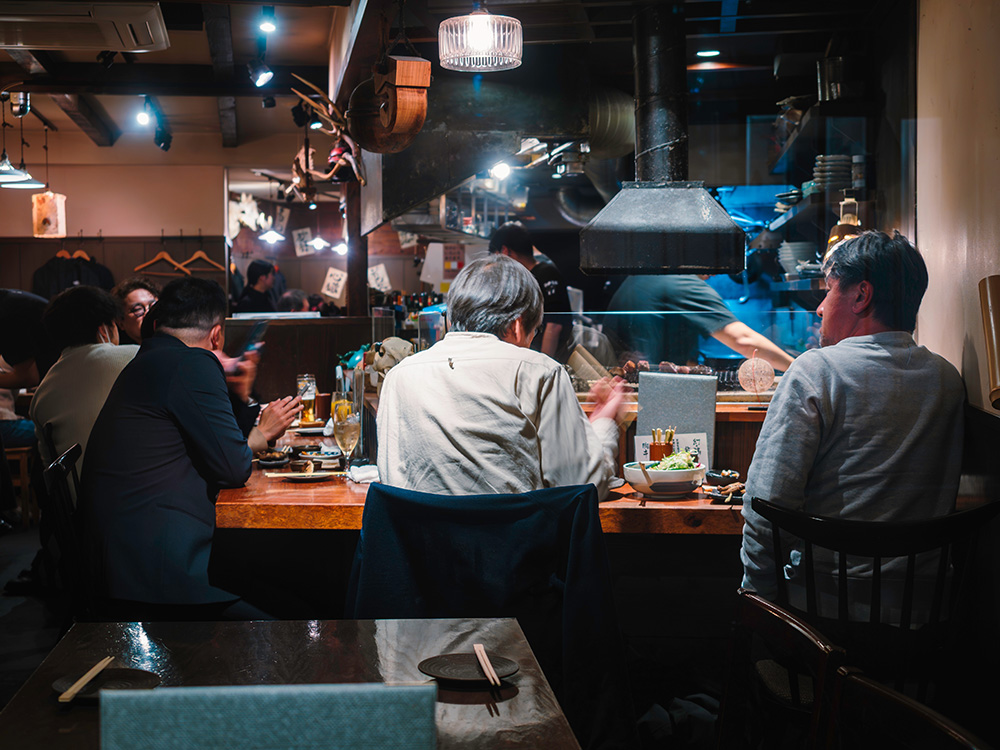
There is another truth Delhi rarely states directly, but always performs. The city likes to eat status.
Japanese food currently carries a very specific aspirational charge. It feels global, expensive, clean, and cultivated. In a city where dining often functions as social identity, that combination is powerful. This does not mean diners are being superficial. It simply means that food in Delhi has always been about more than hunger. It is also about who you are, who you want to be, and where you want to be seen.
The Restaurants Shaping The Conversation
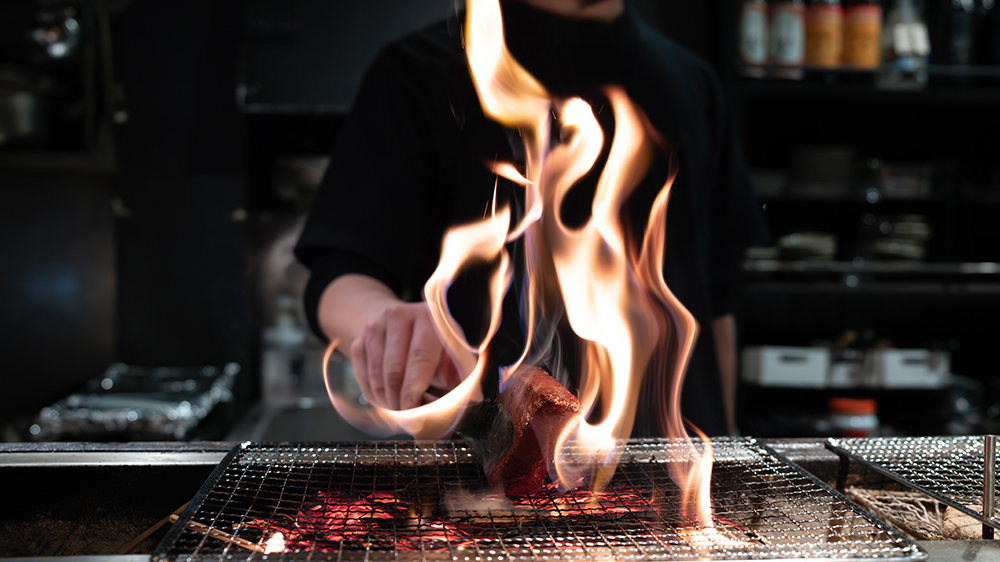
If you ask Zorawar Kalra which places are currently shaping the city’s Japanese conversation, his list says a lot about the category’s range. ‘Guppy – Probably one of the most consistent Japanese restaurants in the city. Clean flavours, strong fundamentals, and great energy. Then comes Kofuku – A slightly more traditional approach, with a loyal following. Comfort Japanese done well. Following closely is Pa Pa Ya – A more progressive, modern Asian take. High on theatre and innovation, very relevant for today’s diner. Then there’s Megu – Premium, refined, and very detail-oriented. Great for when you want a more elevated experience.’ And then there’s Swan, Kalra’s own venture. He explains, ‘It’s not strictly a Japanese restaurant, but our take on Asian and Japanese-inspired dishes focuses on creating an immersive, high-energy experience—exactly the direction the category is moving.’
Will The Irresistible Appeal Of Japanese Cuisine In Delhi Fade?
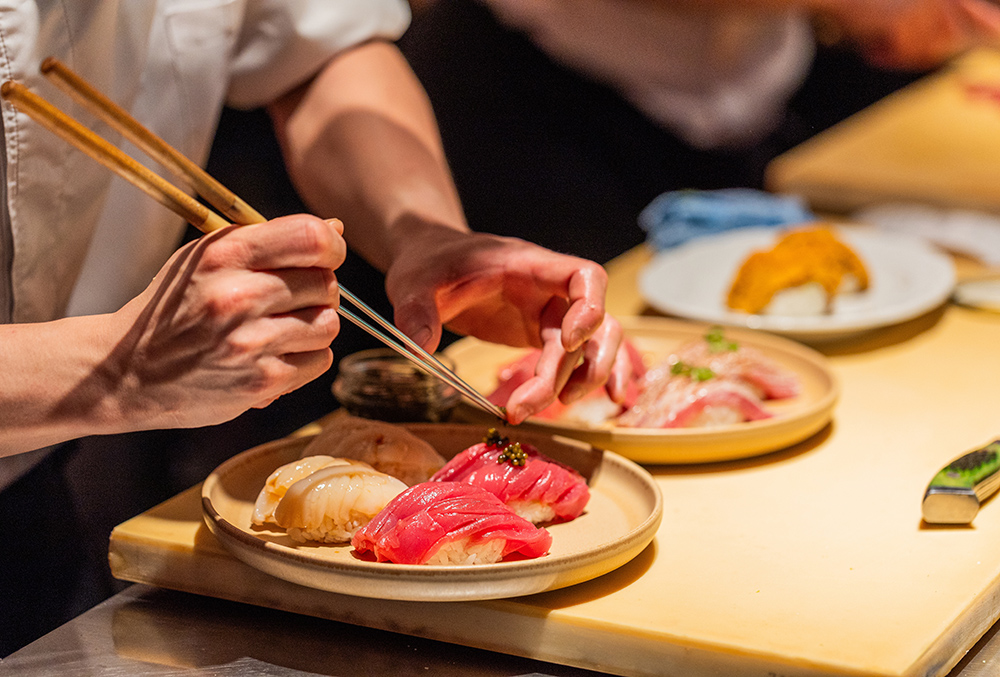
The growing popularity of Japanese food in Delhi is, of course, not a rejection of Korean or Chinese cuisine. It’s the next chapter in Delhi’s fascination with East Asian dining. The city is moving from food as fad to food as fluency – seeking specificity, craft, and cultural texture.
Of course, there is still plenty of superficiality in the scene. “Japanese” is still sometimes a styling device. Yuzu, matcha, and miso may often just be marketing words used to lure. But that too is part of how food trends mature in cities like Delhi, wouldn’t you say? The aesthetic comes first. Then the literacy catches up.
Also Read: Dear Japan, I Will Be Back