Before Carlo Scarpa, most buildings were quite content with doing the bare minimum. Stand up, keep the rain out, look respectable from a distance and move on. Scarpa, however, treated this attitude with open contempt. He believed that if a joint existed, it had better be beautiful, if a material was used, it had better be understood, and if a building was going to occupy your time, it had better deserve it. This was architecture stripped of shortcuts and inflated egos, where a staircase could be more interesting than a façade and a handrail could reveal more intelligence than an entire tower block. Scarpa did not design for people in a hurry or for those who glance and scroll. He designed for those willing to slow down, look closer, and accept that true luxury in architecture is not scale or spectacle, but the quiet thrill of noticing that every single thing has been thought through.
Why Carlo Scarpa Is Called The Poet Of Materials And Detail
If you think architecture is about big shapes, loud statements, and buildings that shout their purpose from across the street, Carlo Scarpa would have disappointed you almost immediately. He was not interested in volume. He was interested in moments. Tiny ones. The sort most people walk past without noticing, which is precisely why Scarpa noticed them obsessively.
Born in Venice in 1906, a city already fluent in beauty, Scarpa grew up surrounded by water, decay, craftsmanship, and history layered like sediment. It shows. His work does not announce itself. It reveals itself slowly, like a particularly clever joke you only get five minutes later and then cannot stop admiring.
Also Read: Top Spanish Architects Who Shaped Modern And Contemporary Design
An Architect Who Did Not Trust Speed
Scarpa distrusted anything done quickly. Modernism’s obsession with efficiency left him cold. Where others chased clean lines and mass production, he went the other way entirely. He believed architecture should be felt underfoot, brushed by hand, and discovered in fragments.
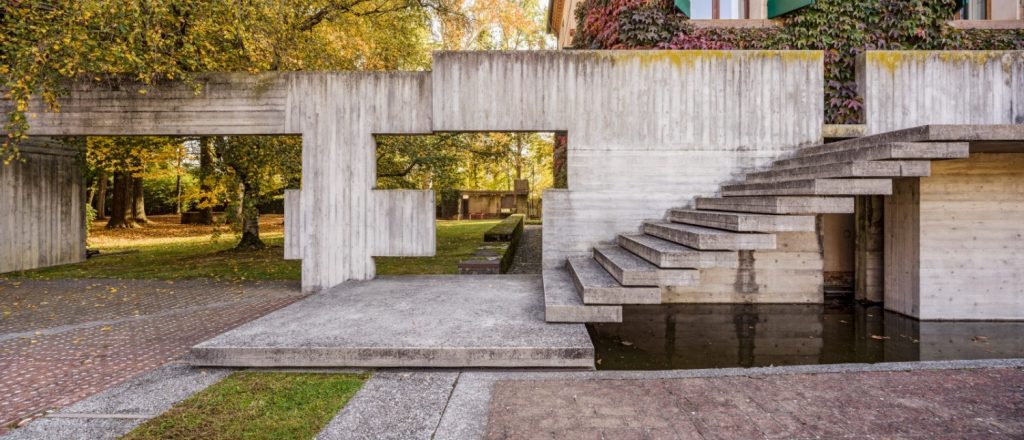
He was infamous for redrawing details endlessly. A door handle might be redesigned dozens of times. A concrete edge adjusted by millimetres. This was not indulgence. This was discipline. Scarpa understood that buildings are experienced up close, not from magazine spreads or drone shots. If the detail fails, the building lies.
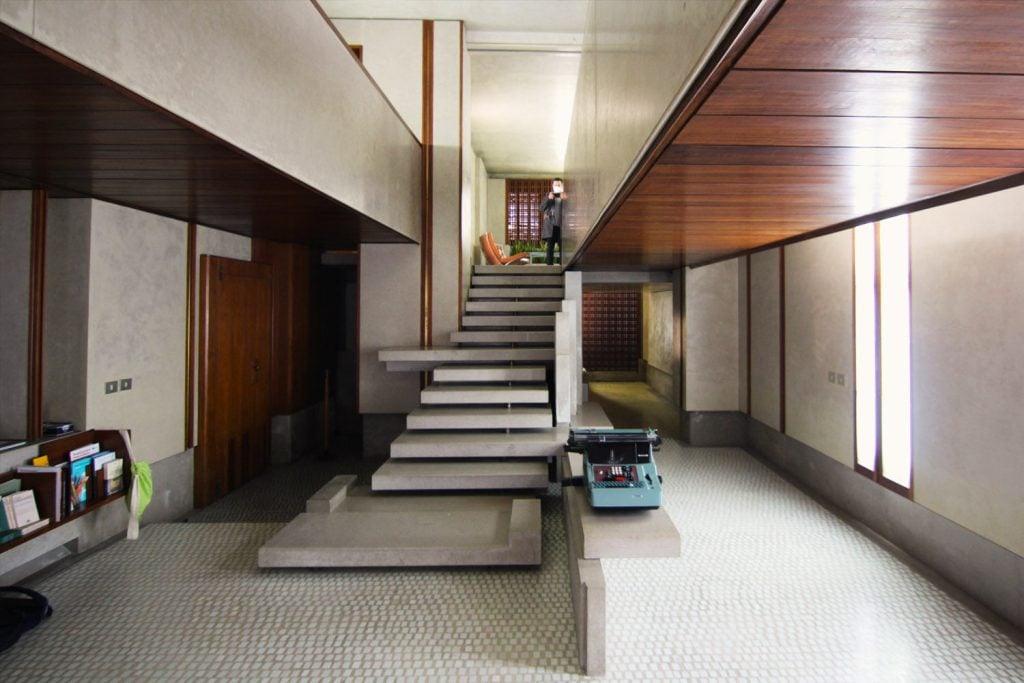
Materials Were Never Just Materials
To Scarpa, concrete was not a cheap solution. It was a surface capable of tenderness. Glass was not simply transparent. It was a filter for light and emotion. Brass aged, stone carried memory, wood absorbed time. He allowed materials to be themselves, but under strict supervision.
He loved junctions. Where one material met another was where the story happened. Gaps, shadows, overlaps, reveals. These were his punctuation marks. He did not hide construction. He celebrated it. You could see how things were held together, and that honesty made his buildings quietly profound.
Also Read: Who Was Roberto Burle Marx And His Role As A Landscape Architect
The Venetian Obsession With Water And Light
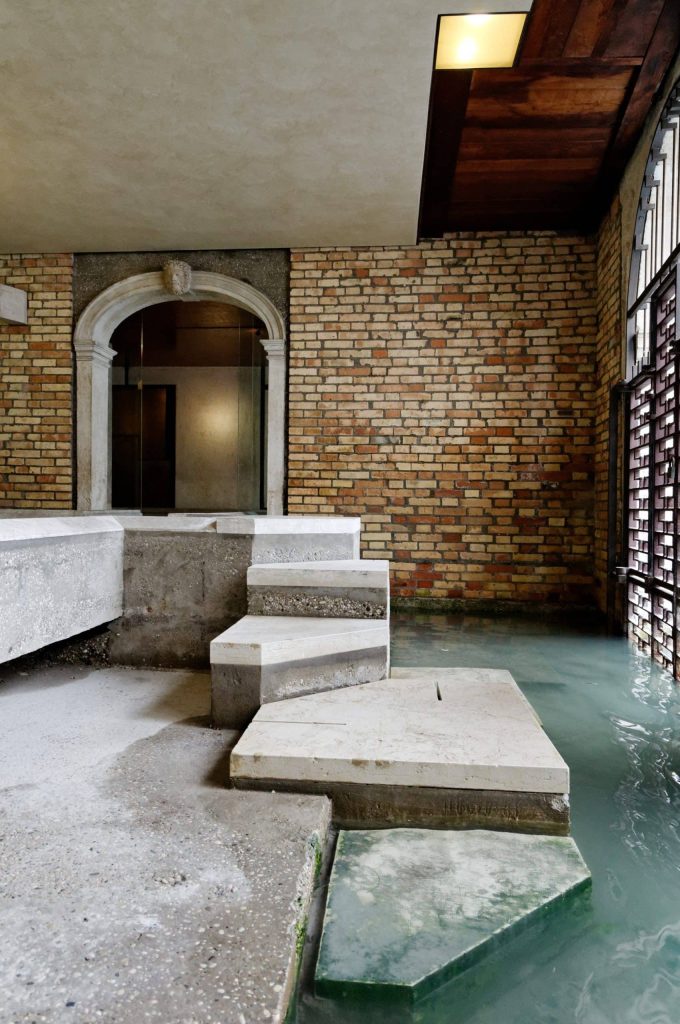
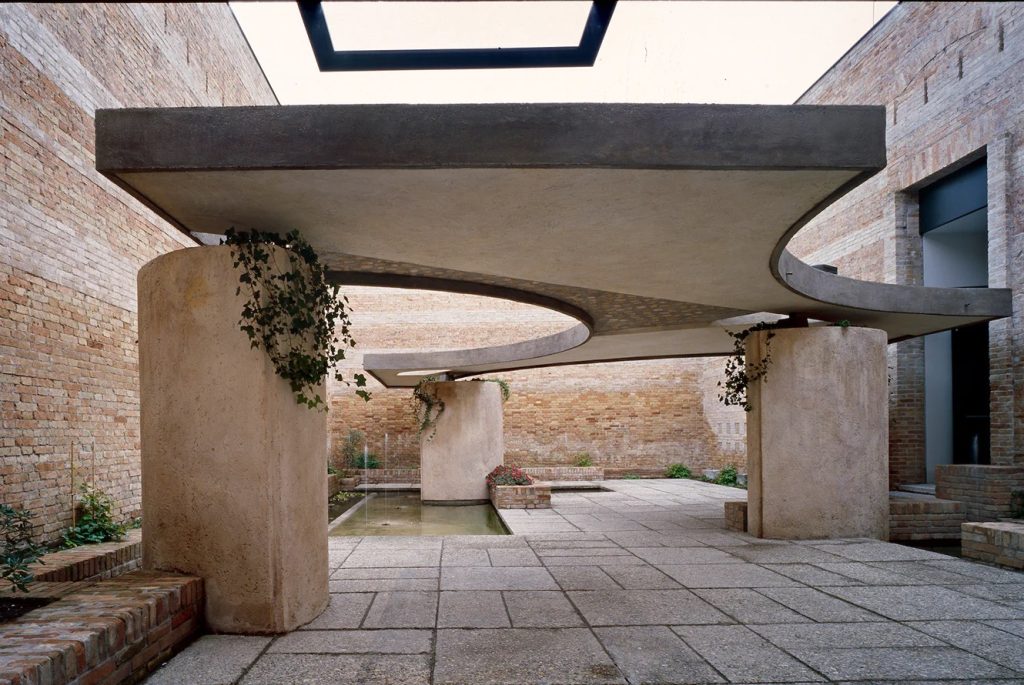
Water appears again and again in Scarpa’s work, not as decoration but as a collaborator. At the Querini Stampalia Foundation in Venice, water flows, reflects, interrupts, and calms. It moves through the building the way thought moves through the mind.
Light, too, was treated with reverence. Never blasted. Never wasted. It was directed, softened, and shaped so that spaces changed throughout the day. Scarpa’s buildings are never static. They age, shift, and respond. They feel alive, which is no small achievement for concrete.
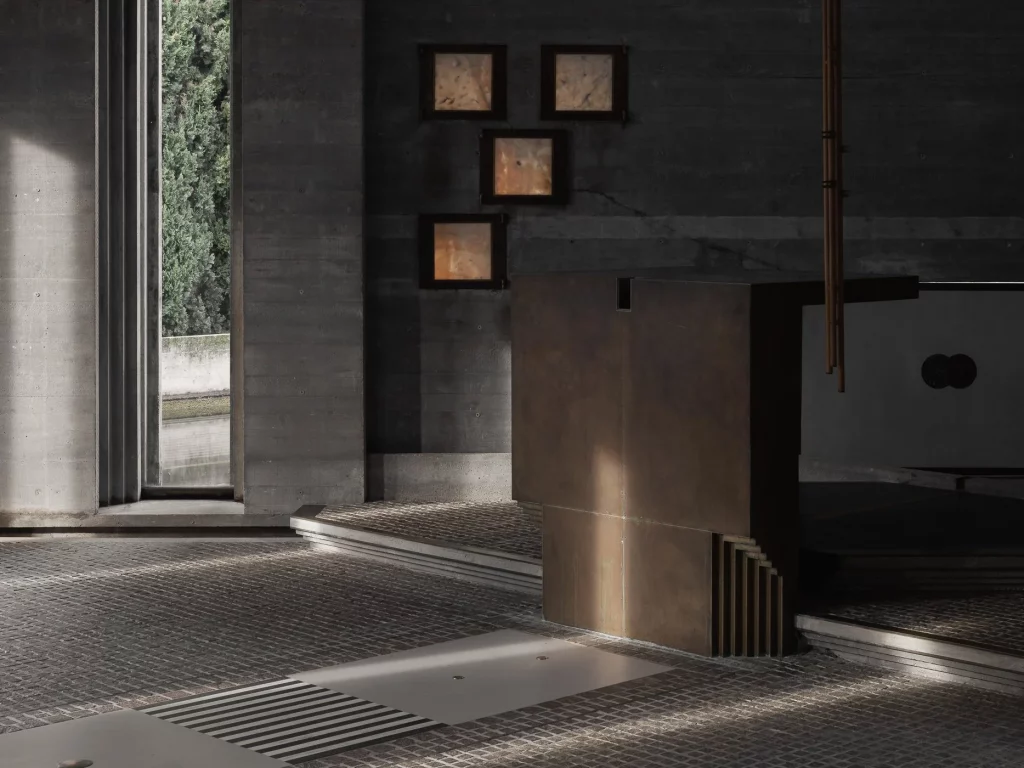
Buildings That Ask You To Slow Down
You cannot rush through a Carlo Scarpa building. Try it and you will miss everything that matters. The step that changes height almost imperceptibly. The handrail that feels unusually satisfying. The corner that reveals itself only when you stop. This is why he is called the Poet of Materials and Detail. Not because his buildings are pretty, but because they are composed. They have rhythm. They reward attention. They punish indifference. In a world increasingly obsessed with speed, scale, and spectacle, Carlo Scarpa’s work feels almost rebellious. It whispers where others shout. And once you have listened, everything else sounds unbearably loud.