11 Japanese Bathroom Decor Ideas For A Spa-Like Sanctuary At Home
Why the Japanese bathroom is the most thoughtfully designed space in the world and how to bring that nuanced philosophy home
There is a room in millions of Japanese homes that most of the world has been overlooking. Not the living room, with its low table and tatami floor. Not the kitchen, humming with the smell of dashi and morning miso. The bathroom, specifically, the bath.
Ofuro, The Traditional Japanese Bath
In Japan, the bath is not where you get clean. You get clean before you get in. You pull up a small wooden stool, sit low to the ground, and scrub every inch of yourself at the shower area first. Only then, after washing away every trace of the day, do you lower yourself into the ofuro, the deep soaking tub, up to your shoulders in water so hot it borders on meditative.
The bath in Japan is not a hygiene ritual. It is a daily act of restoration, a spiritual cleansing, something akin to a tea ceremony in terms of ritual.
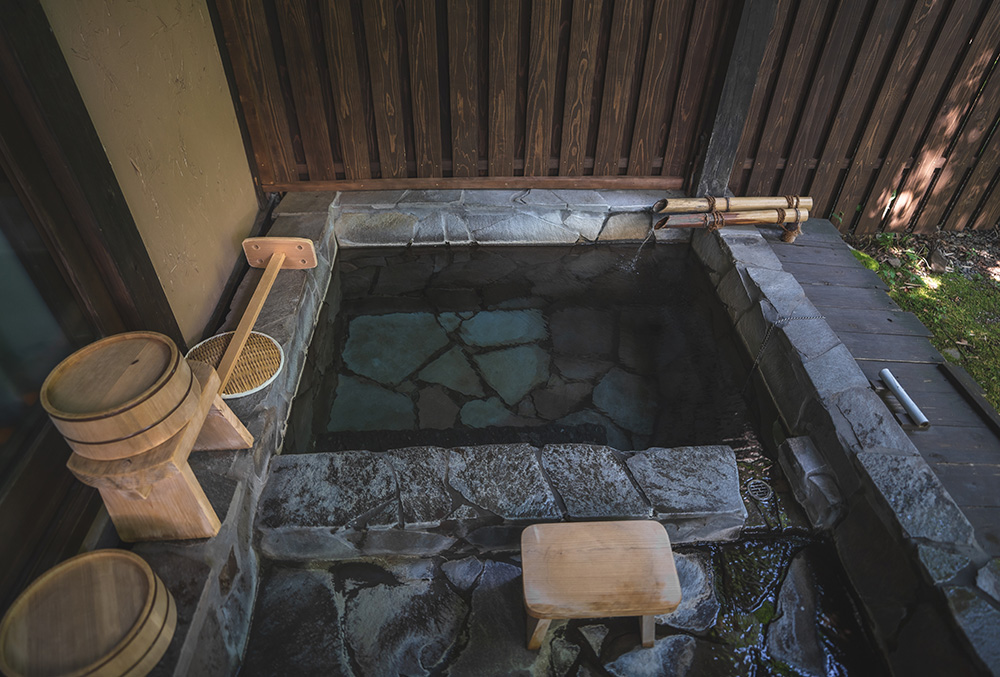
This practice, known broadly as ofuro culture, has roots that run deep through Japanese life. The word ofuro itself carries a tenderness. The honorific “o” placed before “furo,” meaning bath, is a small linguistic signal that this is not just a mundane activity but something worth showing a little reverence. For centuries, before most homes had private baths, people gathered at the sento, public bathhouses, at the end of the day. The shared hot water remains a vital sanctuary for community connection and a daily mental reset.
Wellness Benefits Of Ofuro
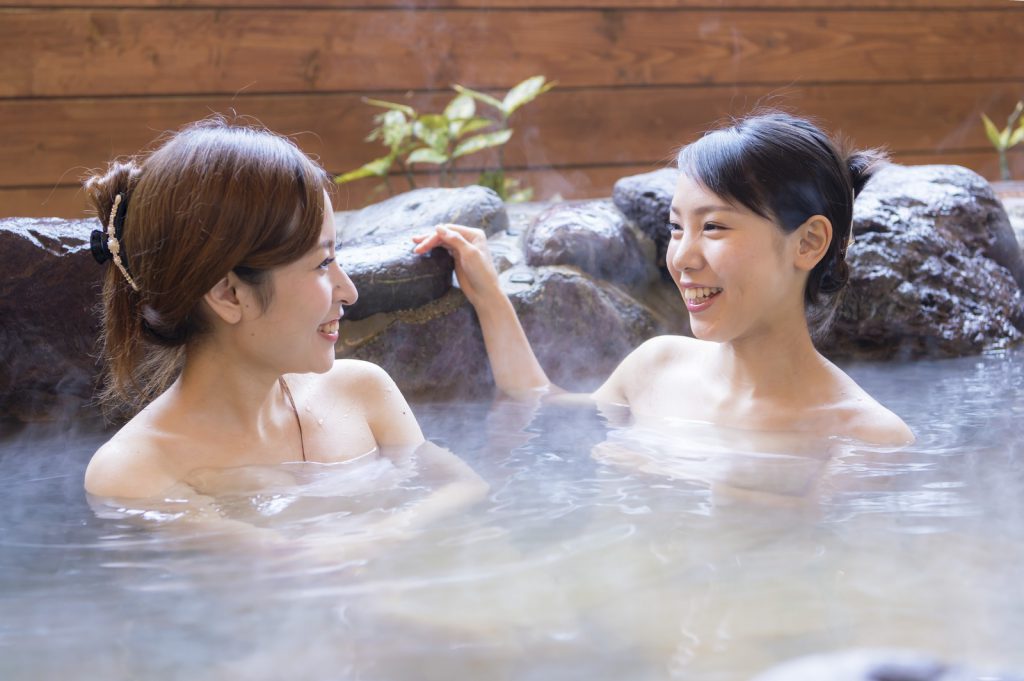
Research consistently backs what the Japanese have claimed for generations. Immersion in hot water, around 40°C, lowers cortisol, reduces blood pressure, and triggers the kind of deep muscular relaxation that even the finest meditation app struggles to replicate. Some sleep scientists point to the practice of hot bathing before bed as one of the most effective tools for sleep quality, because the subsequent cooling of the body temperature signals the brain that it is time to rest. The Japanese, in other words, have been doing biohacking in wooden tubs for about eight hundred years.
Also Read: The Science And Ingredients That Make J-Beauty Work Wonders
What The Japanese Bathroom Tells You About A Culture
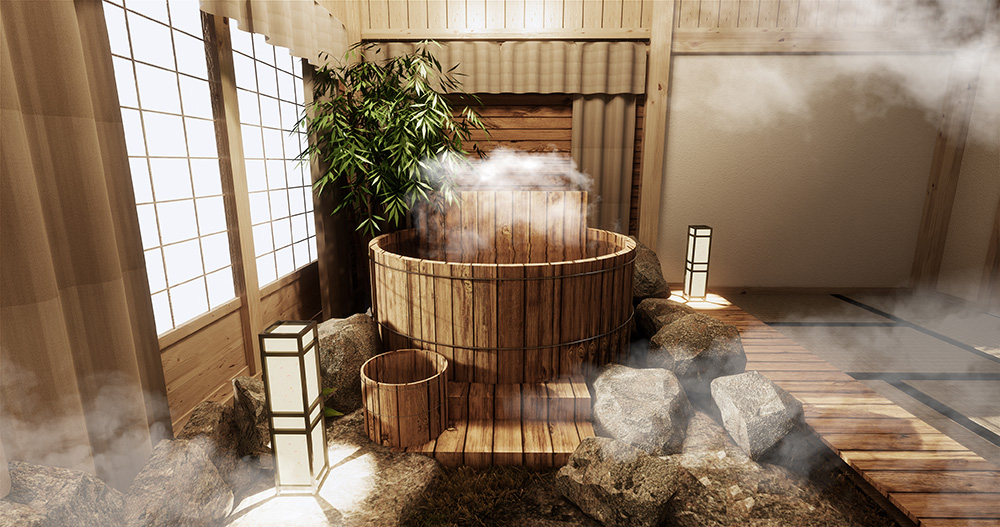
Walk into a traditional Japanese bathroom and what strikes you first is the wooden bathtub. Often hinoki cypress, which releases a faint cedar-like scent when it meets steam. Then the stone, water, and a silence so surreal. The Japanese have a word, ma, for negative space, for the pauses between things. Their bathrooms, one could argue, are physical expressions of ma.
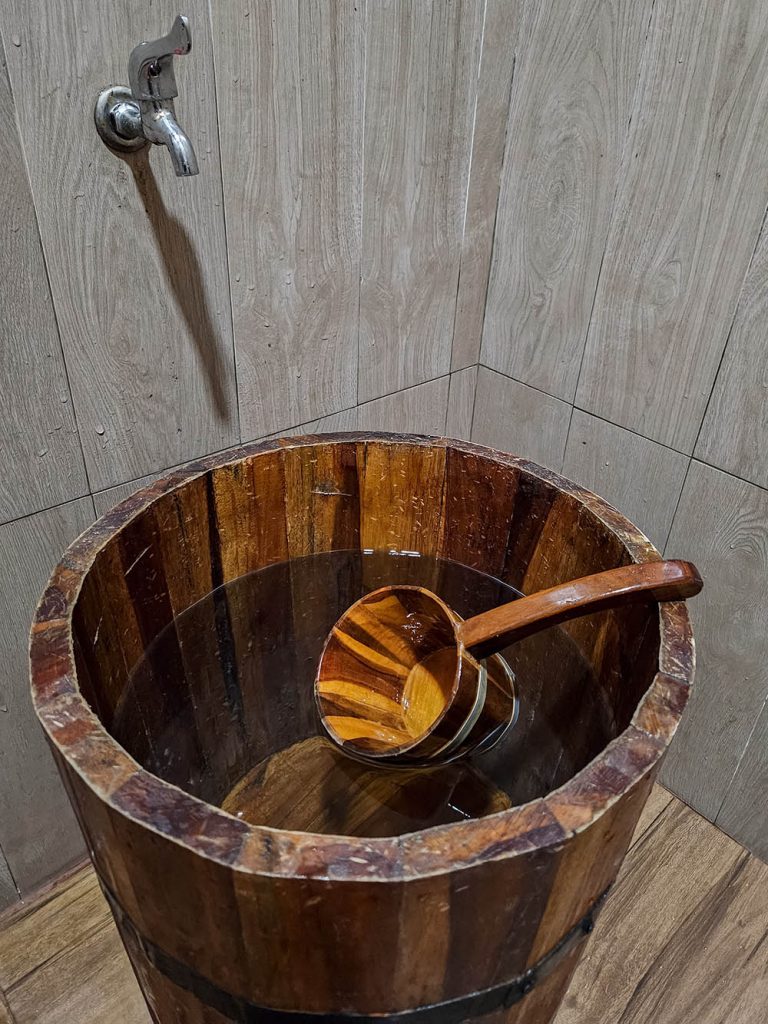
The philosophy of wabi-sabi, the acceptance of imperfection and transience, is embedded here too. A hinoki tub darkens with age. River stones wear smooth. Wood grain becomes more itself over time. None of this is considered deterioration. It is considered beautiful. Then there is the concept of ma’s companion, a Zen philosophy. Kanso, meaning decluttering or simplicity. A single bonsai on a shelf. One folded towel. A bamboo ladle resting against a bamboo bucket. Japanese bathroom design operates on the principle that every object in the room should earn its place, and anything that has not earned its place should leave.
Creating A Japanese Wellness Retreat Within Your Own Walls
You do not need a Japanese architect, a flight to Kyoto, or a bathroom the size of a small apartment. All it takes is a shift in thinking, from utility to ritual, and a few deliberate choices about what belongs in the room and what doesn’t.
1. Go Deep With The Hanoki Bathtub
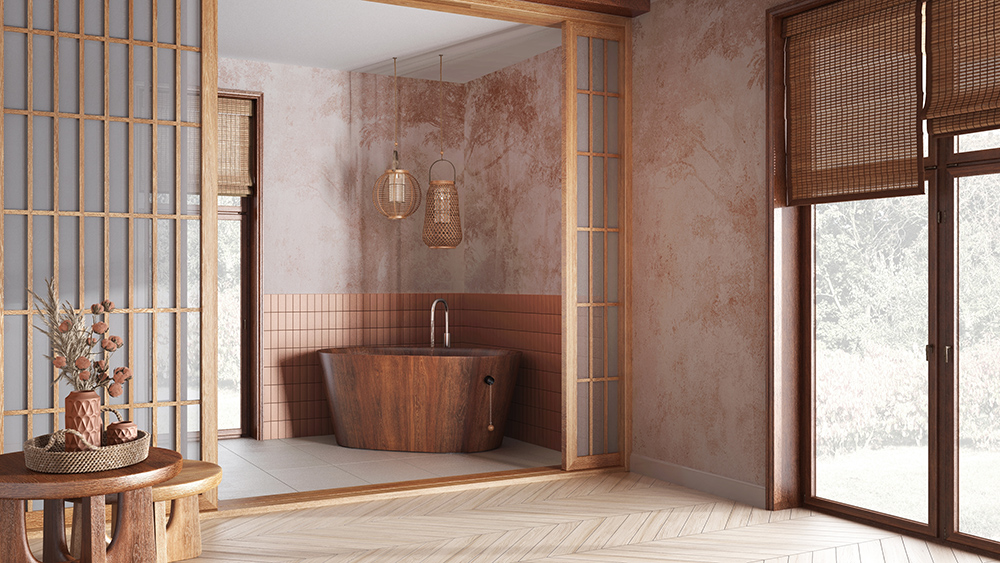
The heart of any Japanese-inspired bathroom is a deep soaking tub, ideally one that allows you to sit upright with the water at shoulder height. A standard Western bathtub, designed for lying flat in shallow water, defeats the purpose entirely. If you can invest in a hinoki wood tub, the experience of the material alone, its warmth, its grain, its scent, will change how you think about bathing. If hinoki is beyond reach, a deep cast-iron or acrylic soaking tub in a similar form works beautifully. The depth is non-negotiable.
2. Separate The Washing From The Soaking
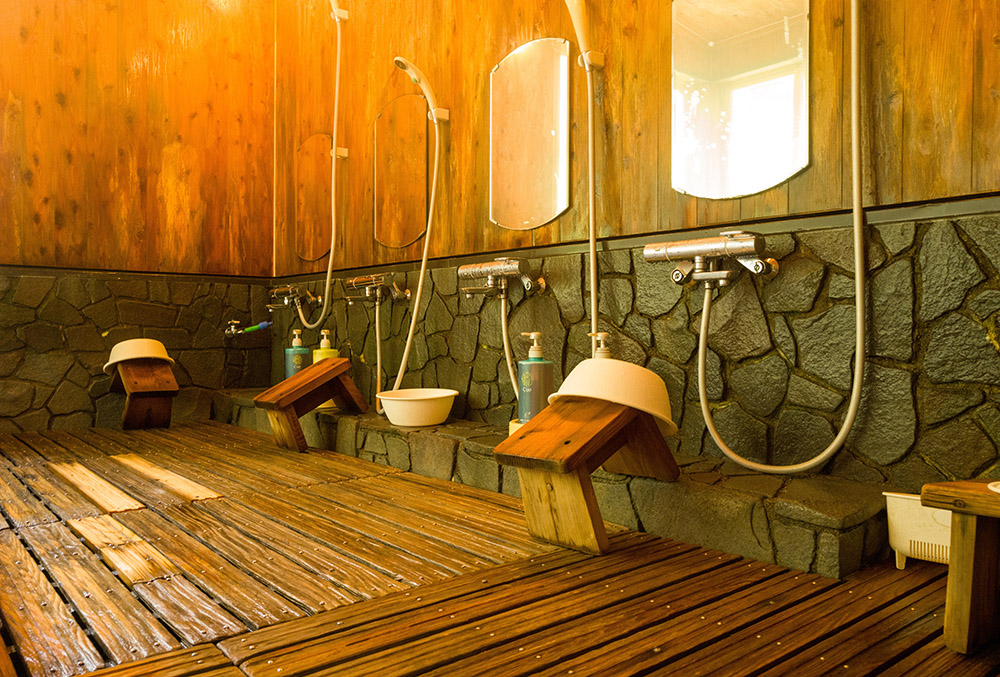
This is perhaps the single most transformative philosophical shift you can make. In Japanese bathing culture, the body is thoroughly cleaned before the bath is entered. The tub is for soaking, not scrubbing. This keeps the water pure, yes, but it also fundamentally changes the quality of the experience. When you step into the bath already clean, you step into stillness, not a task. If your bathroom allows, create a dedicated shower zone separate from the tub. Even a low wooden stool and a handheld shower attachment on the wall can begin this practice.
3. Let Natural Materials Do The Talking
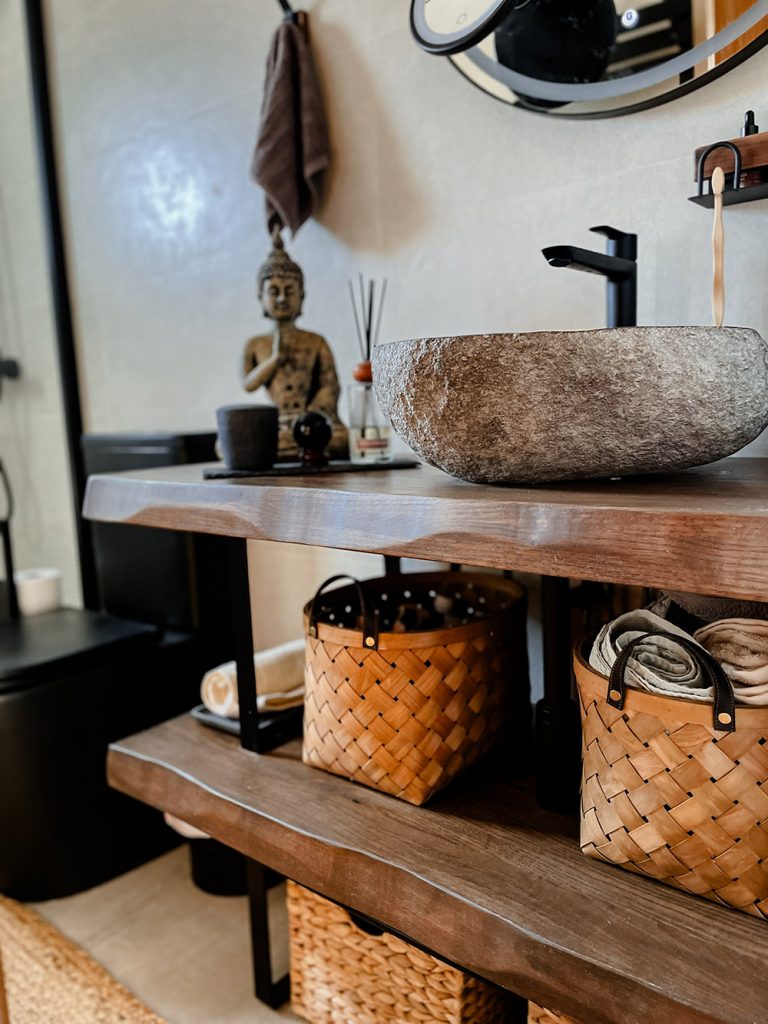
Stone, wood, bamboo, clay – these are the palette of a Japanese bathroom. The materials should feel like they came from somewhere, like they have a past. Slate tiles, pebble flooring embedded in resin, a wooden vanity that shows its grain – these things ground you in a way that synthetic surfaces simply cannot. They also age well, which matters enormously in a philosophy that values the beauty of time passing. Natural materials are an investment in a room that gets more interesting, not less, as the years go on.
4. Rethink The Lighting Entirely
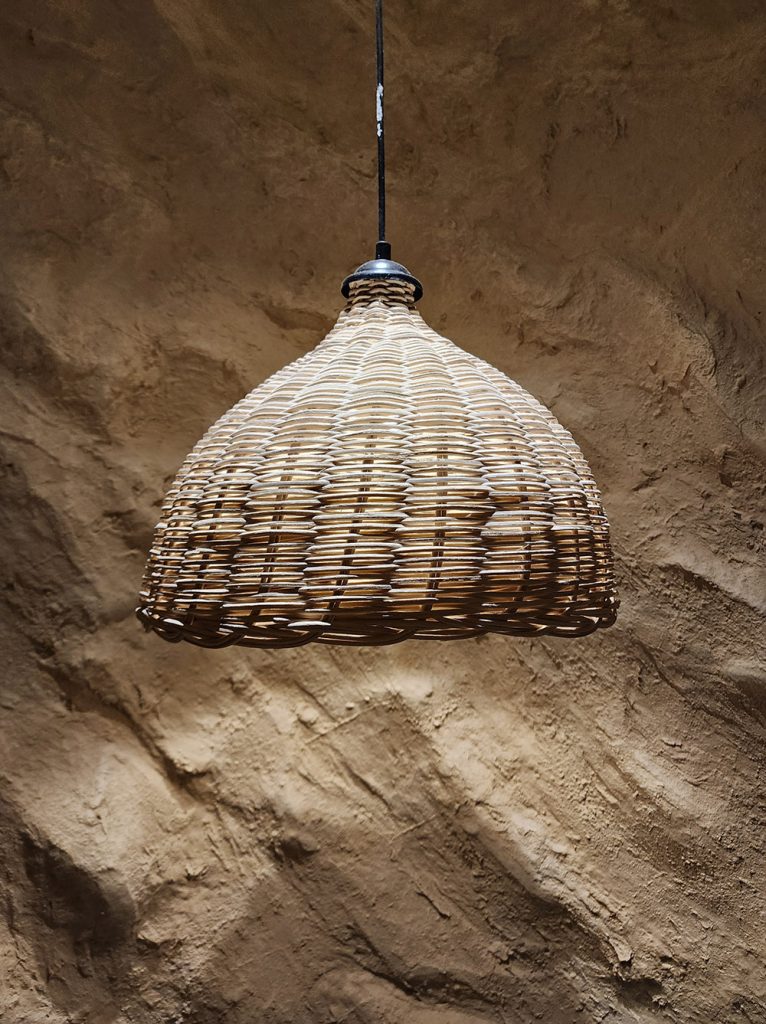
Harsh overhead lighting is the enemy of sanctuary. The Japanese instinct, seen in everything from tea houses to ryokan guest rooms, is toward soft, indirect, warm-toned light that creates atmosphere rather than visibility. Dimmable fixtures are essential. Paper lanterns, low-wattage wall sconces, candlelight, and backlit niches all work in the same register. They tell your nervous system that this is a place to soften, not perform.
5. Bring In One Living Thing
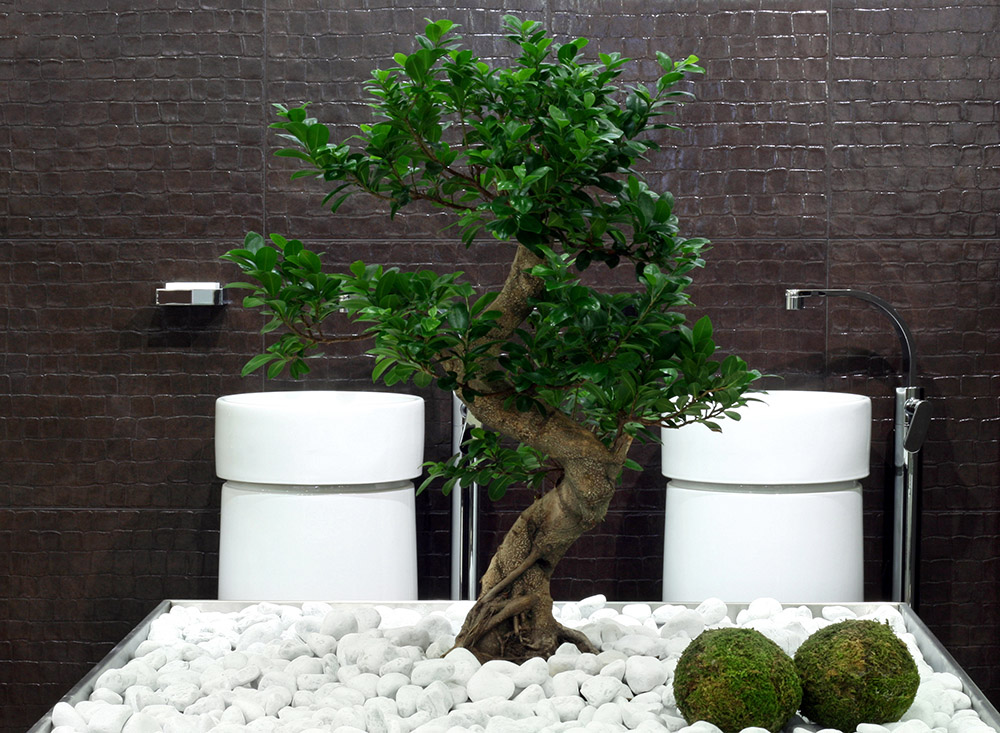
A bonsai on a shelf. A small bamboo shoot in a clay pot. Moss growing on a stone near the tub. The Japanese tradition of ikebana, the art of floral arrangement, is built on the idea that a single, carefully placed living element carries more presence than a room full of décor. In the bathroom, one plant is almost always enough. It softens the hard surfaces, introduces a quality of life and breath into the room, and anchors the space in the natural world. Choose something that thrives in humidity, like ferns, peace lilies, lucky bamboo, and resist the urge to add more.
6. Use Scent As Architecture
Hinoki cypress has a scent that is difficult to describe and impossible to forget – woody, clean, faintly medicinal, deeply calming. It is not a coincidence that Japan’s most beloved bath wood also happens to be one of its most therapeutically aromatic. You can bring this quality into your bathroom without a hinoki tub. Cedar panels on a wall, a bowl of hinoki wood shavings near the bath, essential oil dropped into the water, or even quality incense burned in the changing/dressing room area before you bathe.
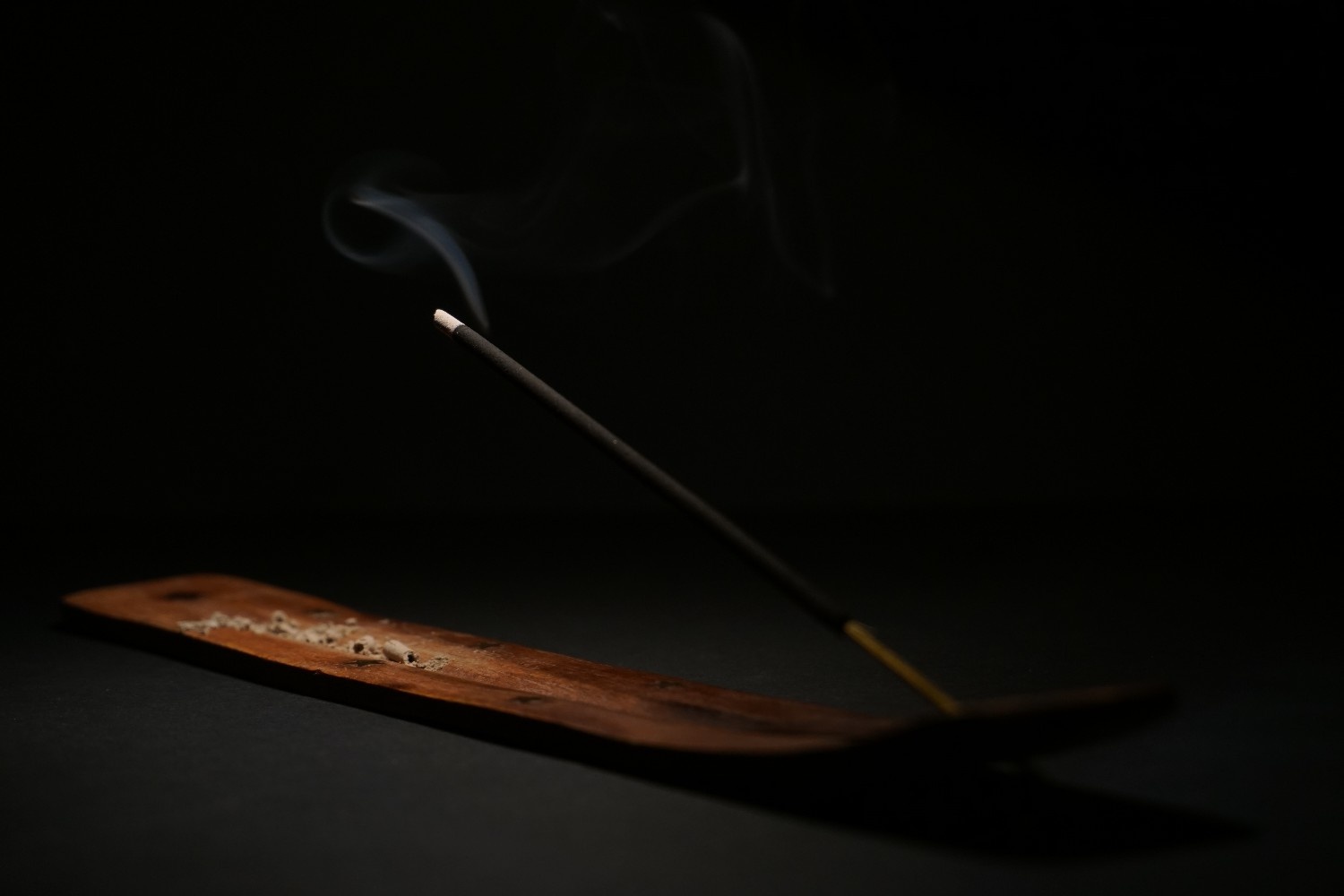
The olfactory experience of the bathroom is as important as the visual one, possibly more so. The nose, after all, has a direct line to the part of the brain that governs memory, emotion, and calm.
7. Embrace The Wet Room
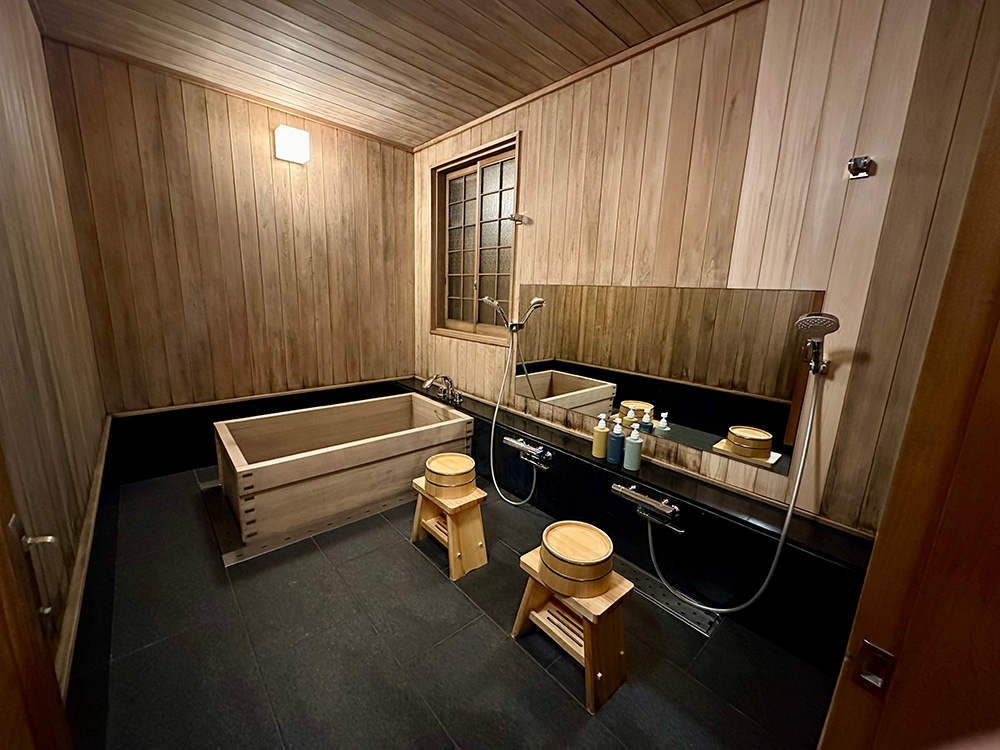
The traditional Japanese bathroom is designed to get entirely wet without consequence. Fully waterproofed floors that slope gently to a drain, no shower tray to step over, no curtain to fight with. This is a practical design choice that also happens to feel extraordinarily luxurious. A wet room removes the anxious geometry of trying to stay dry while getting clean. It makes the whole room a bathing space, not just a corner of it. Even partial wet-room principles like curbless shower entries, well-drained floors, waterproof walls throughout, begin to create that quality of openness and ease.
8. Use Shoji Light, Not Direct Light
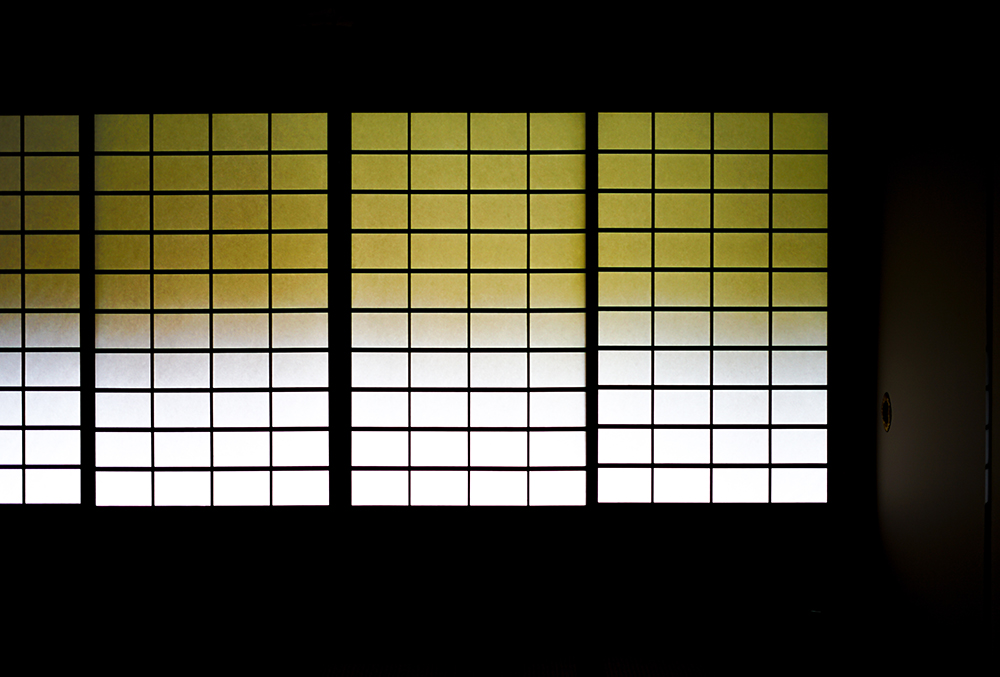
Shoji screens, the translucent rice paper and wood-frame dividers that filter light into something diffuse and gentle, are one of the great design inventions in human history. You may not be building shoji screens into your walls, but the principle applies everywhere. Filter the light rather than blocking or flooding it. Frosted glass in windows, slatted wood screens, linen curtains that let brightness through without the harshness of direct sun – these all replicate the shoji quality.
9. Clear The Surfaces
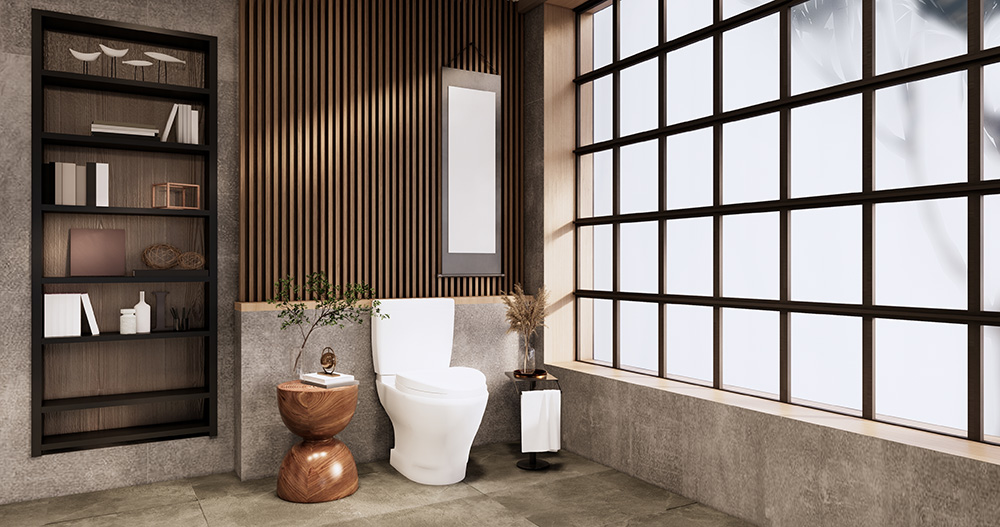
Kanso. Simplicity. The Japanese bathroom counter holds almost nothing, because almost nothing needs to be held there. A single soap dish. One vessel for a single item. Storage is hidden inside walls, behind seamless cabinet faces, in built-in niches that frame their contents like art. The cleared surface communicates that the room has been thought about, that the objects in it were chosen. Every product left out on your bathroom shelf is a small argument for your attention. In a room designed for release, that is a lot to ask. Edit until it hurts, then edit again.
10. Let The Floor Speak
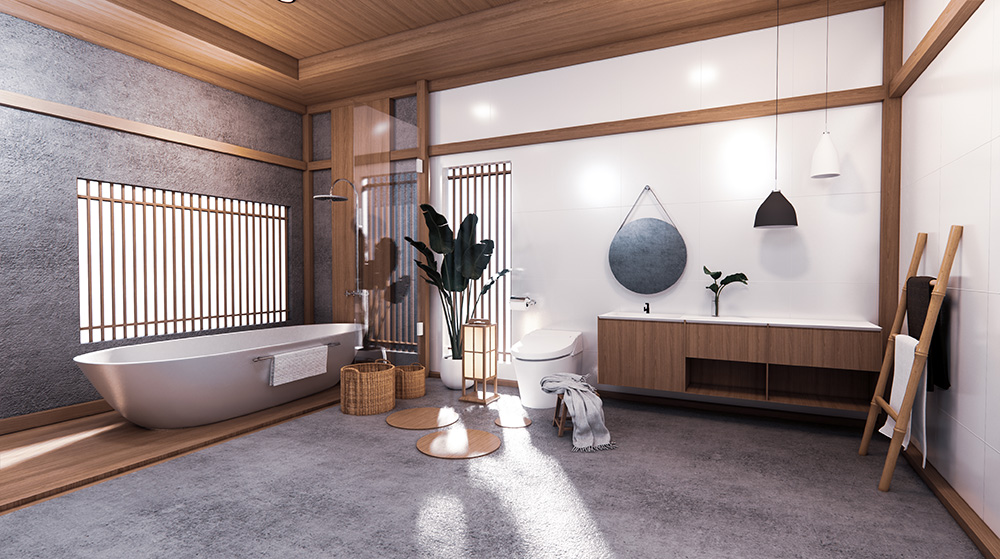
River pebbles embedded in waterproof resin. Cool, smooth slate. Warm wood-look tile with real texture. The bathroom floor is one of the most carefully chosen elements in Japanese design, selected for the feeling it brings to the space or to the owner. It is one of the first things your body encounters, barefoot, and it sets the tone for everything that follows. Pebble flooring offers a gentle reflexology underfoot, and visually it is unmistakably connected to the natural world. If you want a floor that grounds you in the literal and figurative sense, look down and begin there.
11. Build In A View, Even A Small One
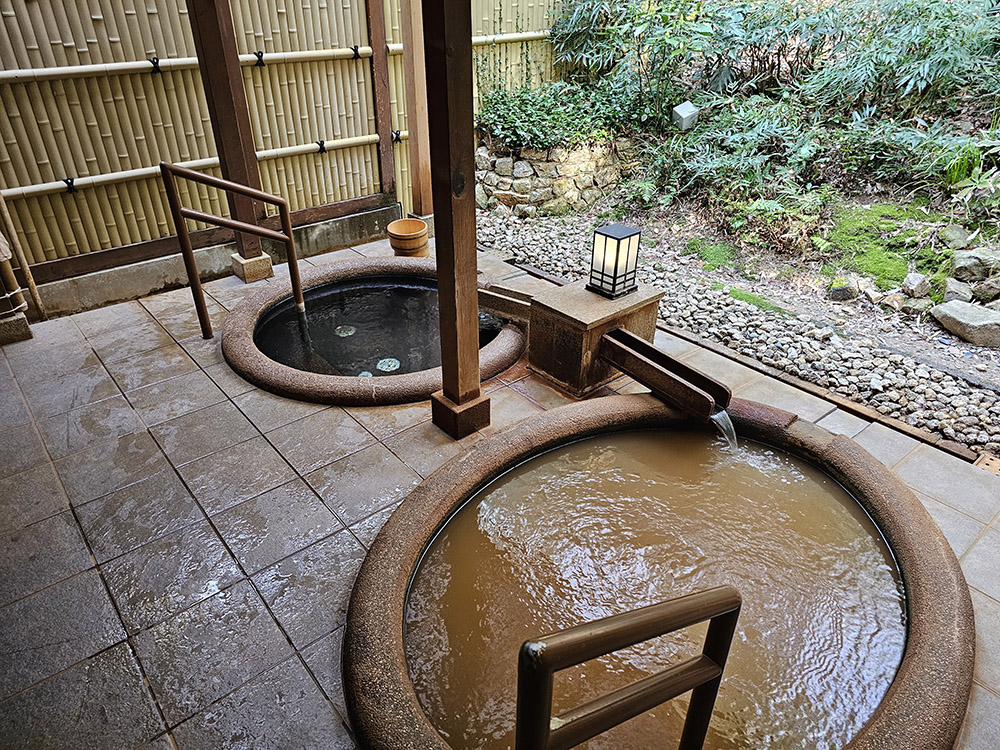
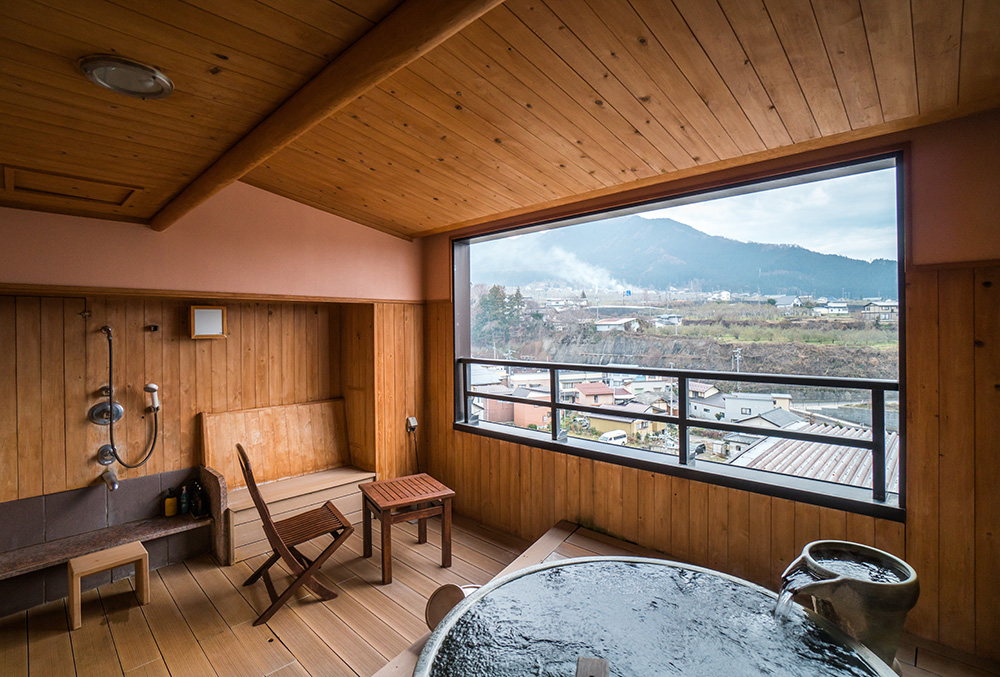
The Japanese bathroom, when it can, looks outward. A rock garden glimpsed through frosted glass, or a bamboo grove beyond a narrow window. A skylight that shows only sky. This connection to nature, even to a tiny, carefully framed piece of it, does something to the brain that no interior element can replicate.
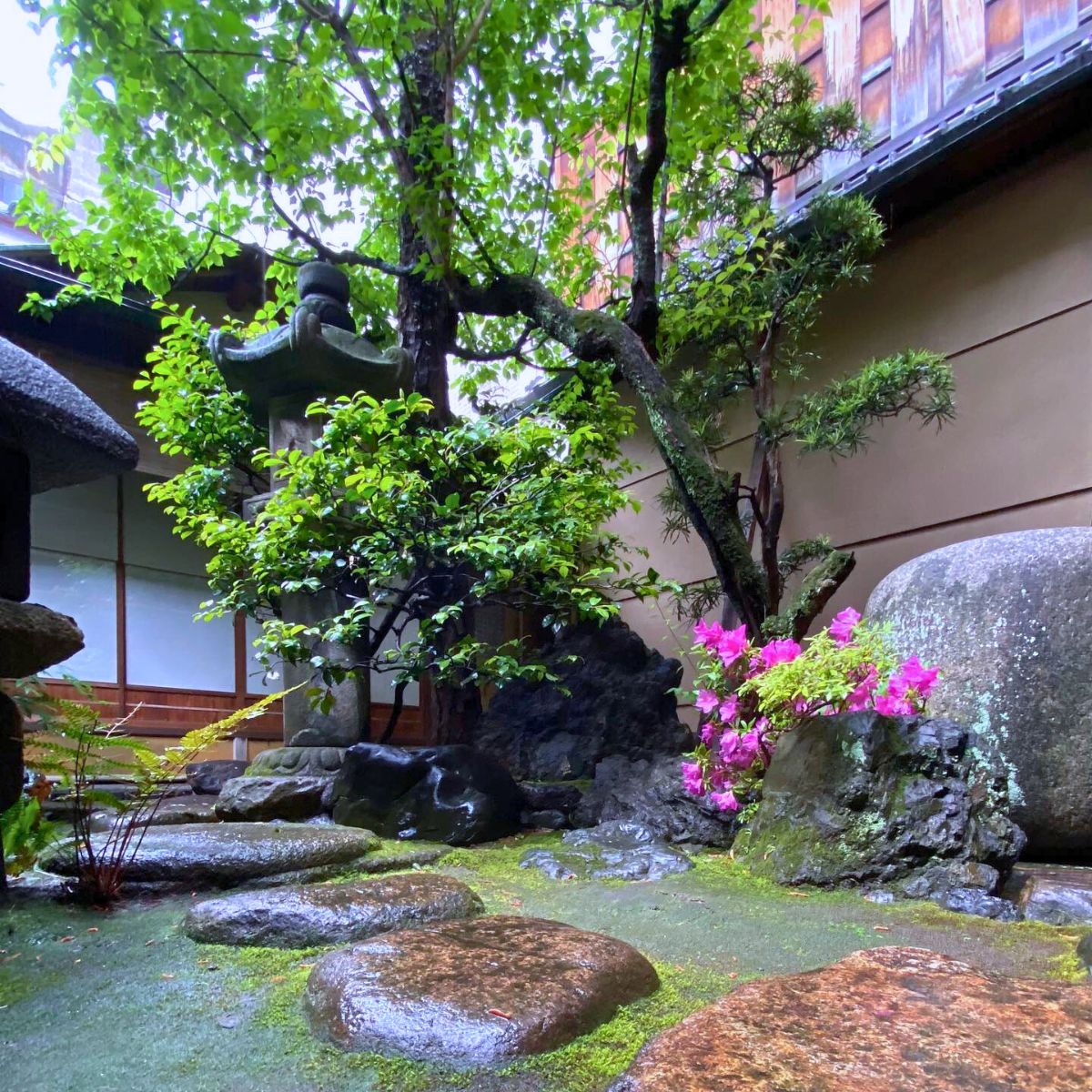
If you have a window in your bathroom, treat it as the most important design element in the room. If you do not, consider whether a skylight is possible, or whether a tsubo-niwa, a small enclosed courtyard garden, a Japanese invention for tight urban spaces, might be carved out of an adjacent wall. The view does not need to be grand. It needs to be green, or open, or alive.