

Steel began life in architecture as the sensible workhorse. Strong, dependable and about as exciting as a filing cabinet. Then a group of architects arrived, took one look at this obedient material and decided it deserved a personality. Suddenly steel was no longer content hiding behind plaster and paint. It stepped forward, flexed its muscles and started redefining skylines. Buildings became lighter, spans became longer and structures started expressing confidence rather than caution. Steel stopped being a silent support act and became the main performance, reshaping how modern architecture stood, stretched and spoke to the world.
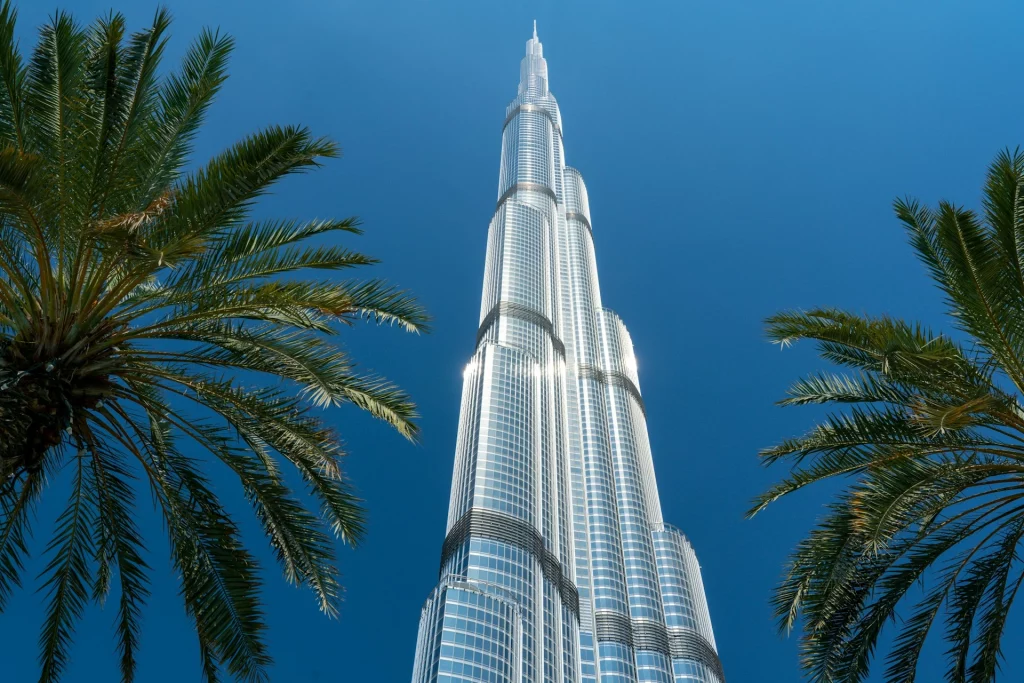
Catalyst For Modern Architectural Freedom
The introduction of steel transformed architecture at a fundamental level. It replaced thick load bearing walls with slender frames, allowing buildings to rise higher and open wider. This shift created flexible interiors, expansive glazing and dynamic forms that were previously impossible. Steel gave architects the freedom to experiment, to push boundaries and to rethink how space could be organised and experienced. It became the backbone of modern architecture’s ambition.
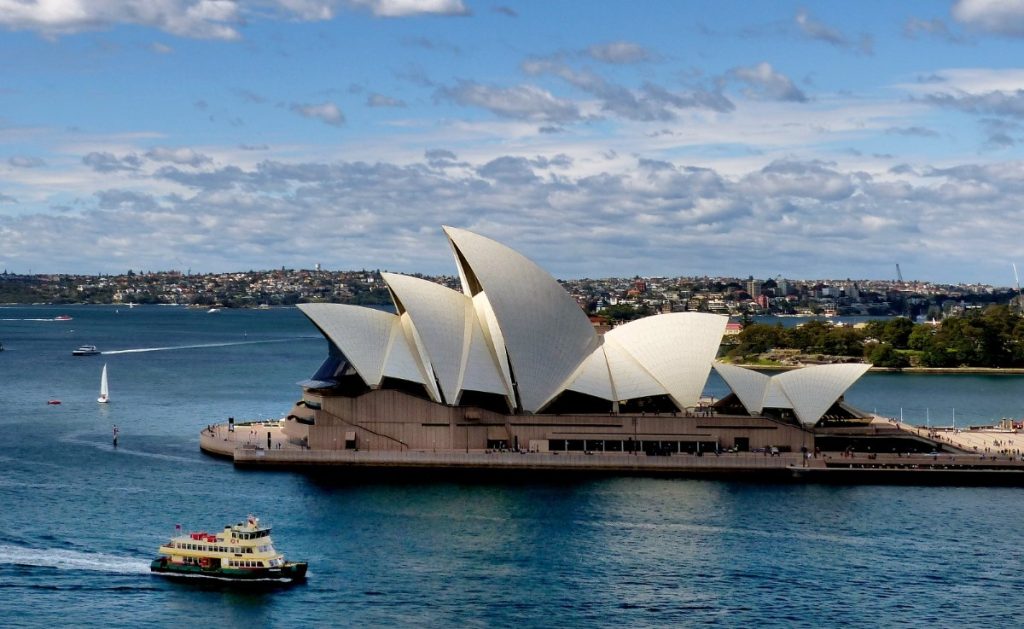
Elegance Through Exposed Structure
Some architects treated steel with precision and restraint, revealing its structure as a form of honesty rather than decoration. Exposed frames, visible joints and articulated systems turned buildings into readable machines. Steel was used to frame light, guide movement and create transparency without overwhelming the human scale. In these designs, strength felt effortless and complexity appeared calm, proving that steel could be elegant rather than aggressive.

Architectural Drama
Others explored steel’s ability to shape mood rather than form alone. Darkened finishes, layered screens and perforated surfaces transformed steel into a tool for controlling light and shadow. Instead of celebrating its shine, steel became subtle, almost cinematic. It filtered daylight, created mystery and added emotional depth to buildings. This approach demonstrated that steel could contribute to atmosphere just as powerfully as it contributed to structure.
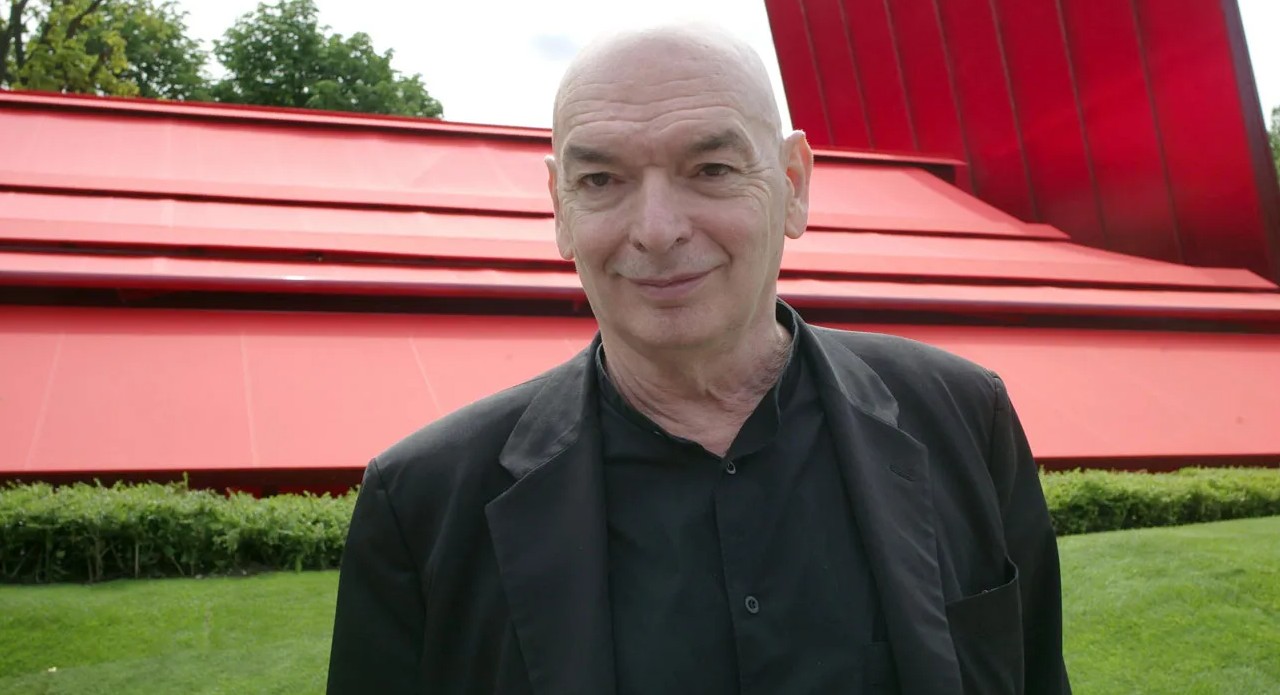
Jean Nouvel As Shadow And Drama

Jean Nouvel approached steel like a cinematographer approaches lighting — moody, precise and emotionally charged. Rather than celebrating its shine, he often darkened it, perforated it or layered it to create mystery. In buildings like the Institut du Monde Arabe, steel screens became responsive skins, controlling light while referencing cultural patterns. Nouvel’s use of steel is less about visibility and more about atmosphere, proving that strength doesn’t have to shout to be powerful.
Frank Gehry As Sculpture
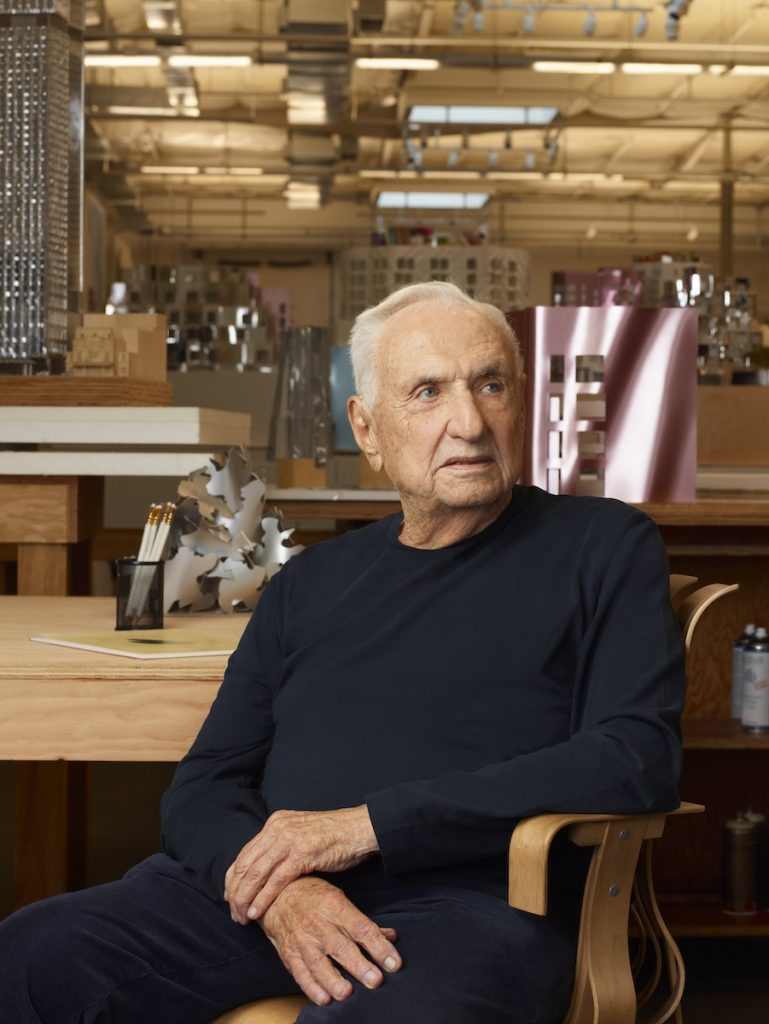
Frank Gehry did what few dared — he let steel misbehave. His buildings ripple, fold and explode into motion, turning rigid material into freeform art. Using advanced digital modelling, Gehry pushed steel beyond straight lines and predictable grids. From the Guggenheim Museum Bilbao to the Walt Disney Concert Hall, steel became fluid, reflective and emotionally charged. It wasn’t just holding the building up; it was the building’s personality.
Why Steel Changed Modern Architecture Forever
Steel liberated architecture from thick walls and limited spans, allowing buildings to soar higher, open wider and adapt faster. It enabled flexibility, speed and experimentation at unprecedented scales. More importantly, it gave architects a material that could be both rational and expressive. Whether disciplined or rebellious, steel allowed ideas to move from imagination to skyline with minimal compromise.