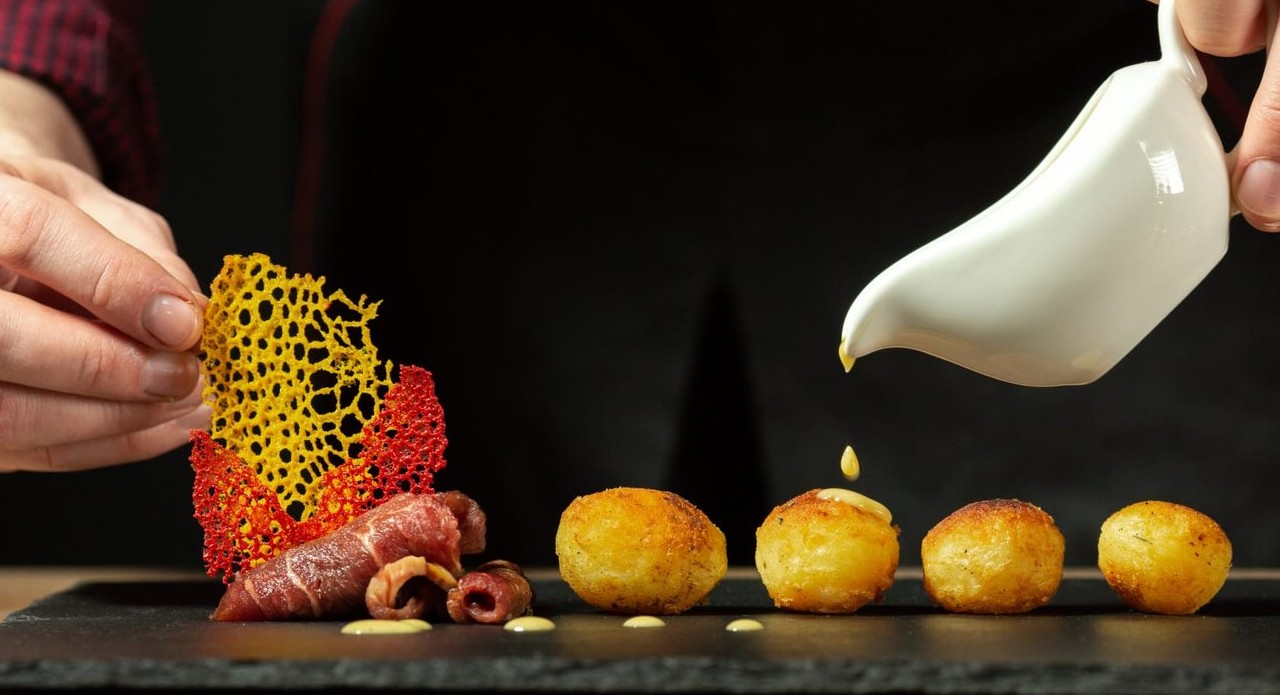


Modern gastronomy did not arrive quietly, it walked into the kitchen, questioned everything and rearranged the cutlery. Somewhere between a grandmother’s recipe book and a chemistry lab, cooking stopped being about following instructions and started being about asking why. Plates grew smaller, ideas grew bigger and suddenly dinner came with a backstory. Foams, ferments, flames and philosophies replaced rigid rules, turning chefs into storytellers and diners into curious participants. In modern gastronomy, food is not just cooked, it is engineered, narrated and occasionally debated, because when flavour meets thought, even a meal has something to say.
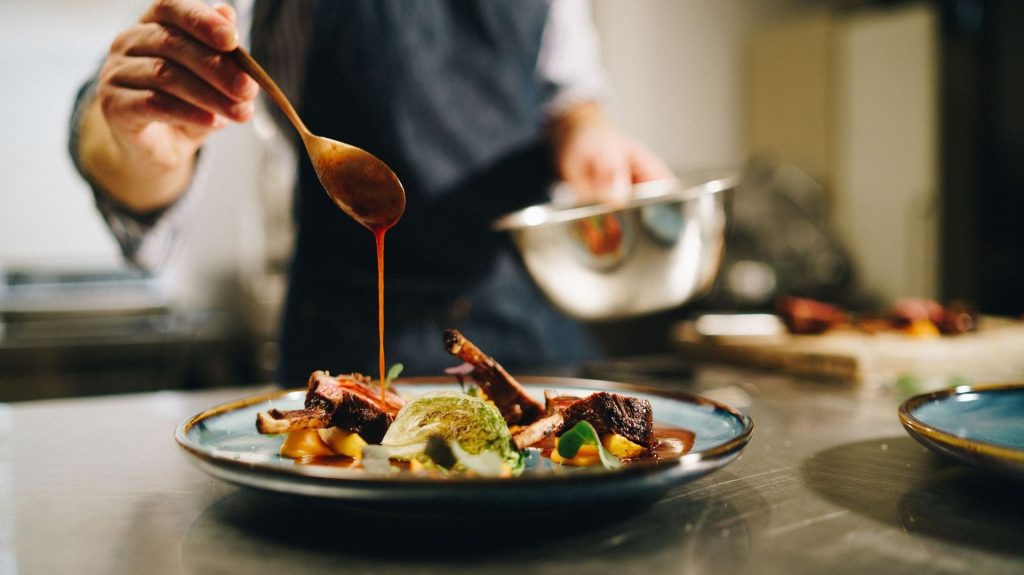
The Shift from Recipe To Philosophy
Unlike classical cuisine, modern gastronomy does not worship fixed recipes. Instead, it values intent. It asks what an ingredient represents, where it comes from, and how it makes the diner feel. The movement gained momentum in the late twentieth century, when chefs began deconstructing traditional dishes and reconstructing them with new textures, temperatures and forms. Familiar flavours arrived disguised as foams, spheres, powders and emulsions. This wasn’t theatre for shock value—it was an invitation to experience taste without expectation.
Science Enters The Kitchen
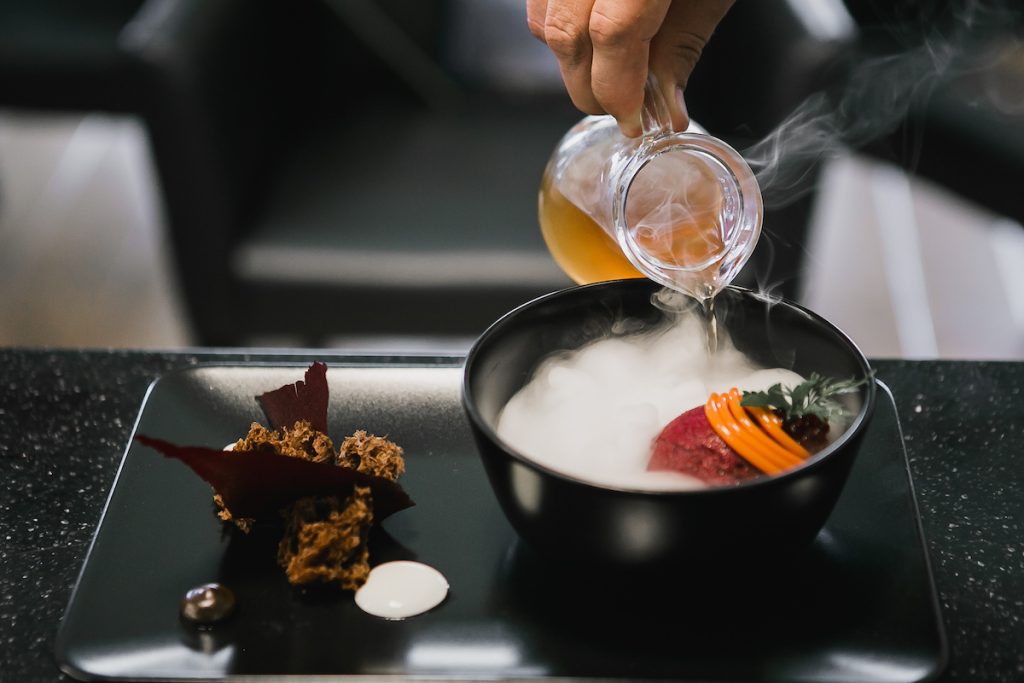
Modern gastronomy blurred the line between laboratory and kitchen. Techniques borrowed from chemistry and physics allowed chefs to manipulate texture, temperature and perception. Liquid nitrogen froze ingredients instantly, sous-vide cooking brought precision to proteins, and emulsification reshaped sauces forever. Molecular gastronomy became the most visible expression of this shift, but it was only one chapter in a much larger story. The real revolution lay in understanding food at a molecular level and using that knowledge to enhance emotion, not erase comfort.
Memory, Emotion And Storytelling On The Plate
As modern gastronomy matured, it moved away from pure experimentation and towards meaning. Chefs began cooking from memory—childhood meals, regional landscapes, family rituals and forgotten ingredients. A dish was no longer judged solely by taste but by the narrative it carried. Smoke evoked forests, acidity recalled sea air, textures triggered nostalgia. Dining became immersive, often unfolding as tasting menus that guided guests through a carefully choreographed journey. Food was no longer consumed; it was experienced.
Also Read: One Dish, Many Stories: How Pizza Traveled The World And Took A Thousand Forms
Where Modern Gastronomy Thrives
The movement found its global voice in restaurants that rewrote the language of dining. Kitchens in Spain, Denmark, France and Japan led the charge, inspiring chefs across continents. Cities like Copenhagen, Barcelona, Tokyo, Lima and New York became centres of culinary reinvention, where local ingredients met global techniques. Modern gastronomy proved that innovation didn’t require luxury ingredients—it required imagination, respect for terroir and a willingness to question convention.
From Fine Dining To Everyday Influence
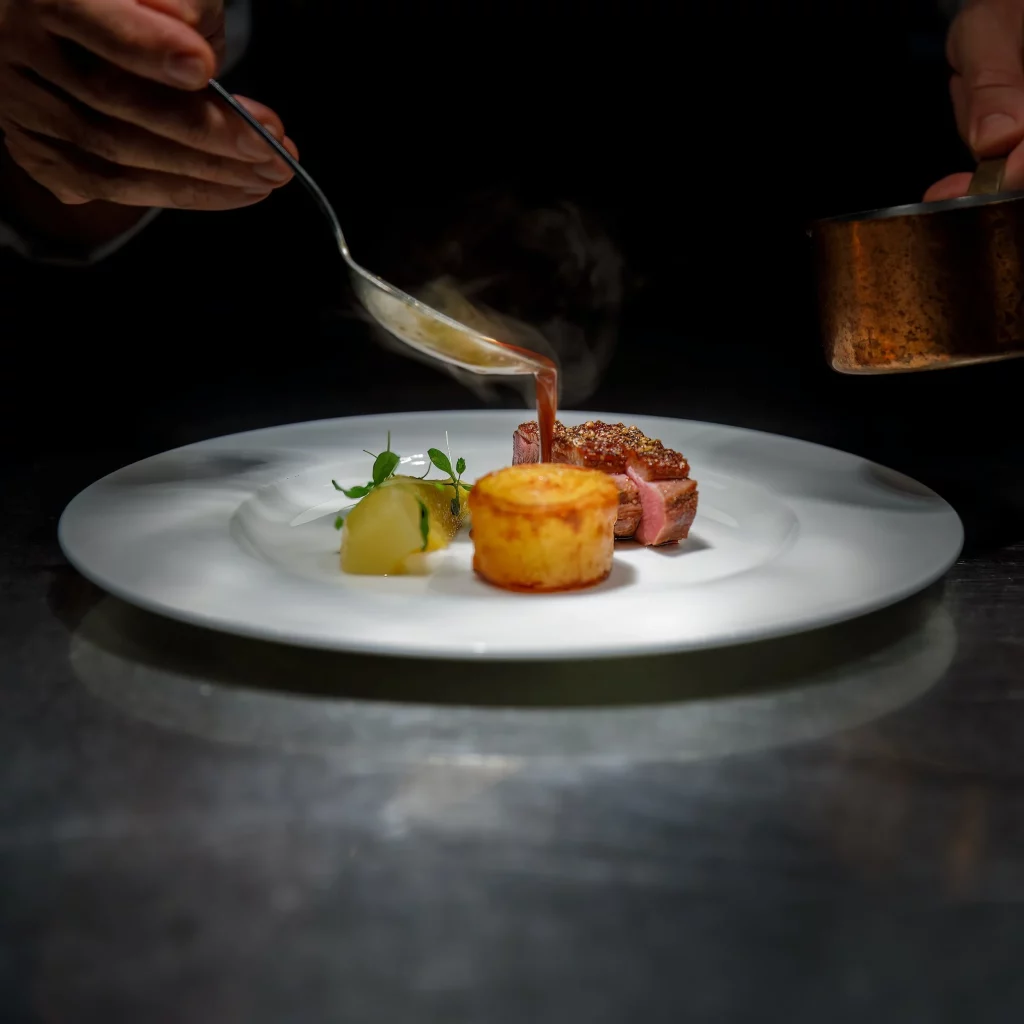
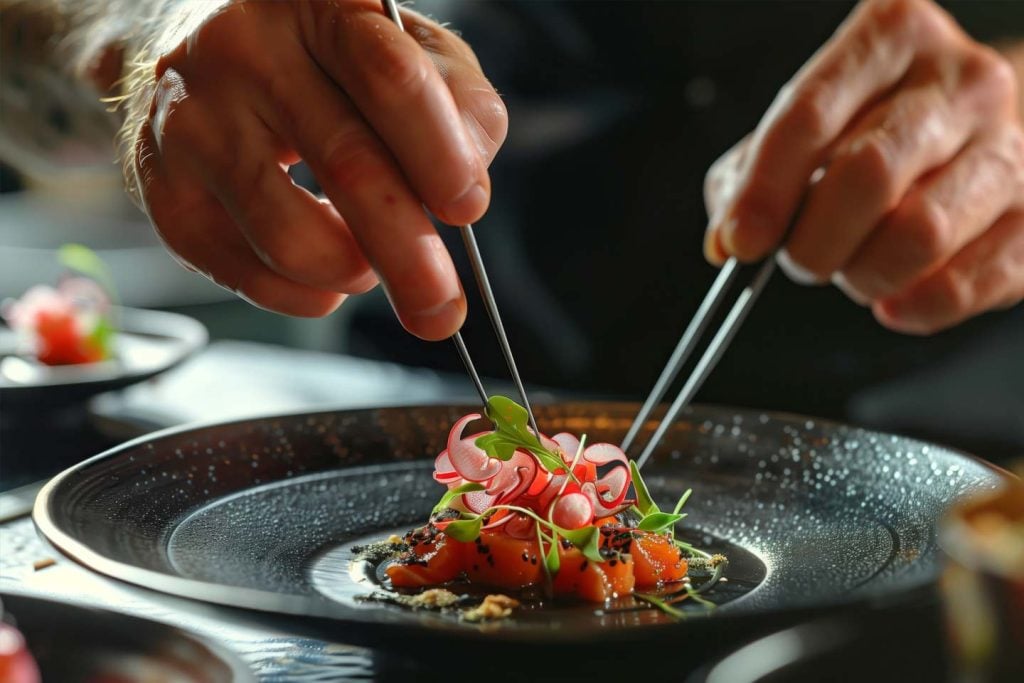
What began in elite tasting rooms gradually filtered into everyday kitchens. Techniques like sous-vide cooking, fermentation, minimalist plating and hyper-seasonality entered mainstream culinary culture. Even casual restaurants began thinking about storytelling, sustainability and sourcing. Modern gastronomy didn’t replace traditional cooking; it reframed it. It encouraged chefs and diners alike to ask where food comes from, why it matters and how it connects us to the world around us.
The Future Of Modern Cooking
Today, modern gastronomy stands at a crossroads. Sustainability, climate awareness and ethical sourcing now shape innovation more than spectacle. Chefs focus less on shock and more on responsibility—using food to address waste, biodiversity and cultural preservation. The movement continues to evolve, guided by the same principle that started it: curiosity. Modern gastronomy is no longer about being modern; it is about being meaningful.
Cooking As A Cultural Expression
Modern gastronomy has transformed cooking into a cultural language—one that speaks of science, memory, place and possibility. It reminds us that food is never static. Like art, it reflects its time, challenges perception and invites dialogue. One movement, many stories, still unfolding—one plate at a time.