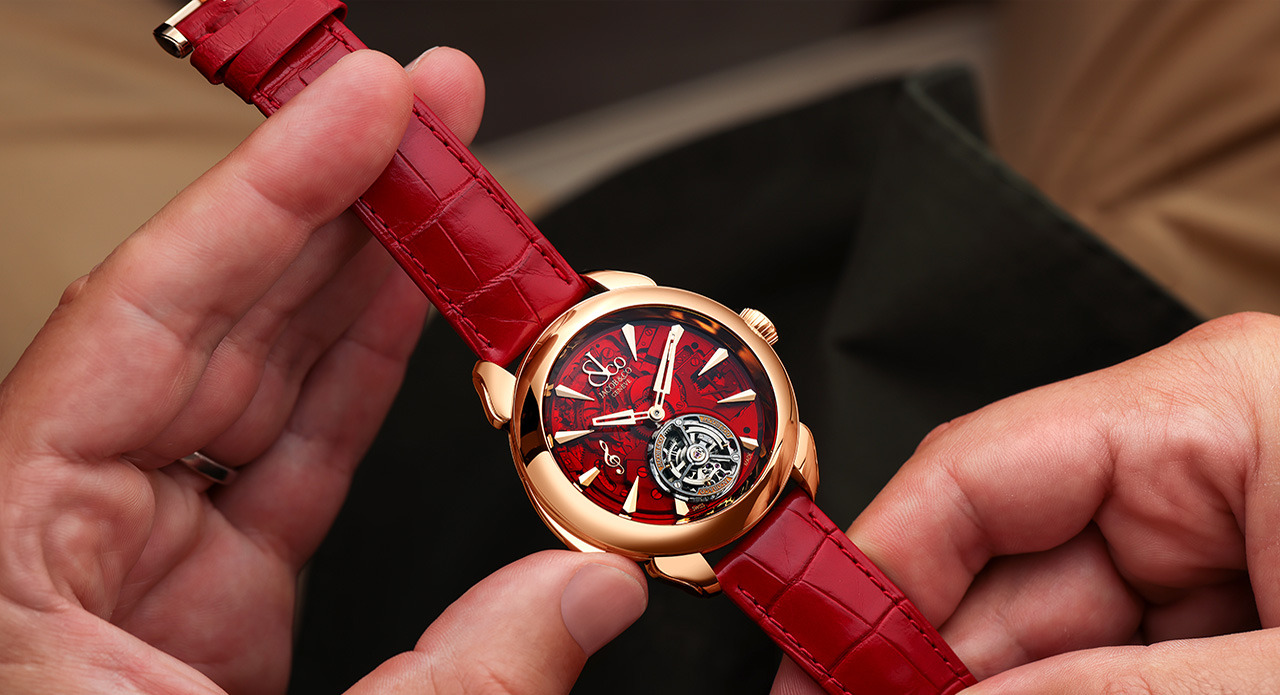


Lume is one of those watch features you never think about until the room goes dark and suddenly your wrist looks like it has learned a party trick. One moment it is an ordinary dial, the next it is glowing away confidently, as if to say do not worry, I have got this. Behind that soft green or blue glow sits a mix of chemistry, clever materials, and years of watchmaking trial and error, all designed to help you read the time without fumbling for your phone. From vintage watches that once relied on rather alarming radioactive substances to today’s safe and impressively bright compounds, lume has quietly evolved into one of the most useful and oddly satisfying details in horology. It is practical, slightly magical, and proof that sometimes the smallest features make the biggest difference.
Luminova
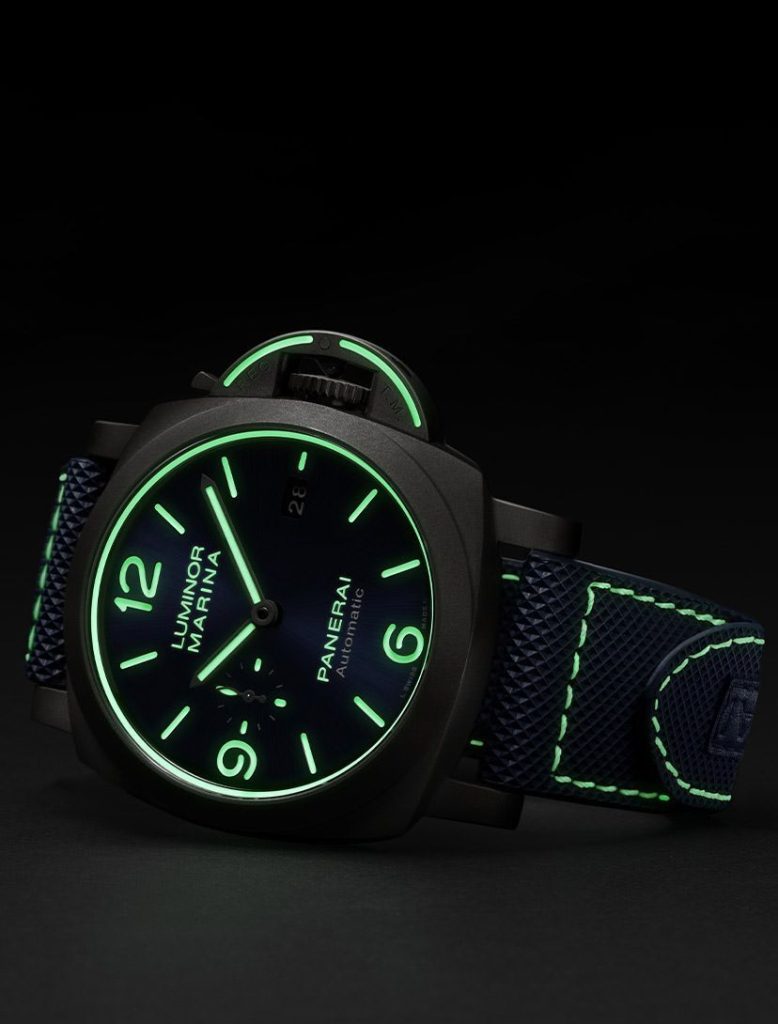
By the late 1990s, traditional tritium paint had begun to lose popularity, owing to the fact that anything even radioactive was becoming difficult to sell, and it was even outlawed in some regions. LumiNova, contrary to popular belief, did not originate in Switzerland. Its roots are firmly Japanese, and they go far further back than most people think. Kenzo Nemoto created a non-radioactive bright paint for aircraft instrument panels used by the military during World War II. It wasn’t called LumiNova back then, but the concept stuck. Nemoto then created Nemoto & Co., and after the war, the same glow appeared on clocks and watch hands, silently establishing the framework for the lume.
Also Read: How Watch Cases Are Made: From Raw Metal to Finished Timepiece
Super-LumiNova
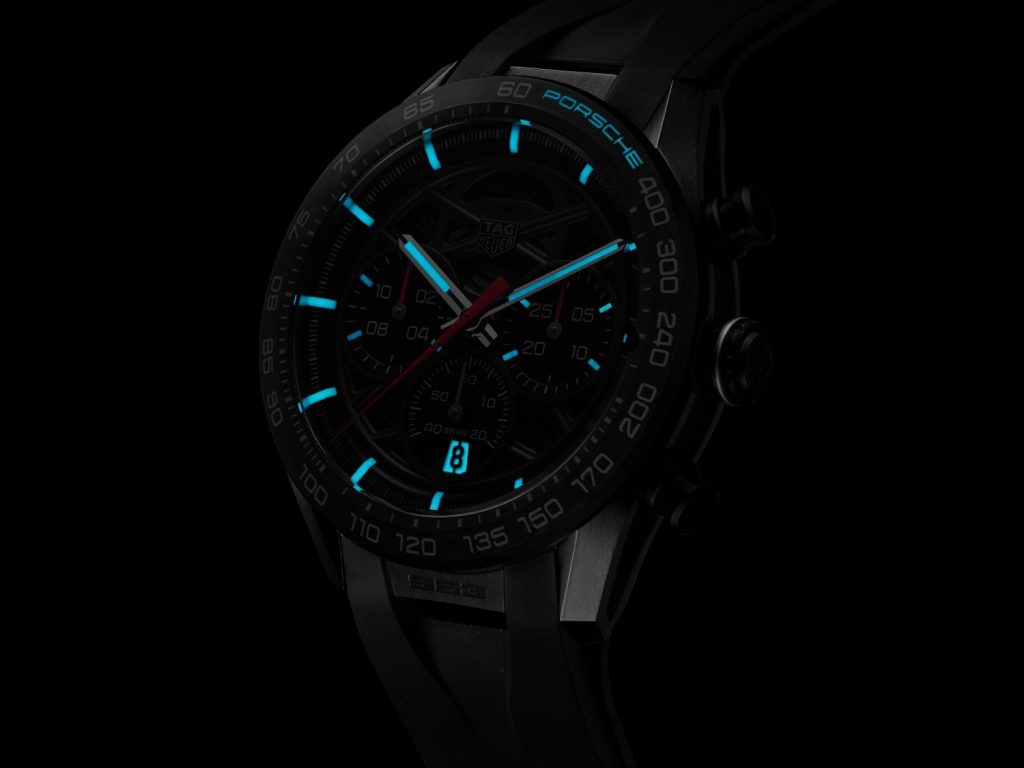
Super-LumiNova is the modern glow in the dark material most watch brands rely on today to light up dials, hands, and bezels. It is based on strontium aluminate, which means it is completely non radioactive, non toxic, and far more effective than older lume compounds. Small amounts of elements like europium and dysprosium are added to make it glow brighter and for much longer. The easiest way to think of Super-LumiNova is as a tiny rechargeable light battery. Expose it to sunlight, indoor lighting, or even a UV torch, and it stores that energy. Once you step into the dark, it slowly releases the stored energy as a visible glow that can last for hours. Compared to older zinc sulfide lume, it can be up to ten times brighter, making it both practical and impressively easy to live with.
Lumicast

There are alternatives to paint for Super-LumiNova, just as there are for tritium tubes. Lumicast is a solid ceramic form of Super-LumiNova that may be used to apply hour markers, and numbers, creating a dazzling and three-dimensional effect. The luminescent powder is combined with a binder and set in moulds, yielding blocks of Super-LumiNova for a range of creative applications. Lumicast can be used in any colour, including C3, BGW9, and Old Radium. Steel or gold (or other metal) indices can also be filled with Super-LumiNova for a more intense and brighter application. The lume is combined with a varnish to keep it solid within the hollow index or number, resulting in a crisper appearance in daylight than ordinary paint.
Chromalight

This material is Rolex’s signature luminous display, instantly recognisable for its cool blue glow in the dark. Used on Professional models and many Oyster Perpetual watches, the hands, hour markers, and key display elements are coated or filled with a luminescent material developed exclusively by Rolex to ensure clear, long lasting legibility. First introduced in 2008 on the Rolex Deepsea, this creation was a major step forward in watch luminescence, offering a glow that lasted almost twice as long as traditional phosphorescent materials while remaining more even and stable over time. The material itself starts as an ultra fine powder made from aluminium, strontium, dysprosium, and europium, created through a complex and carefully controlled manufacturing process. A precisely managed high temperature reaction is what gives Chromalight its distinctive and enduring blue glow.
Lumibrite
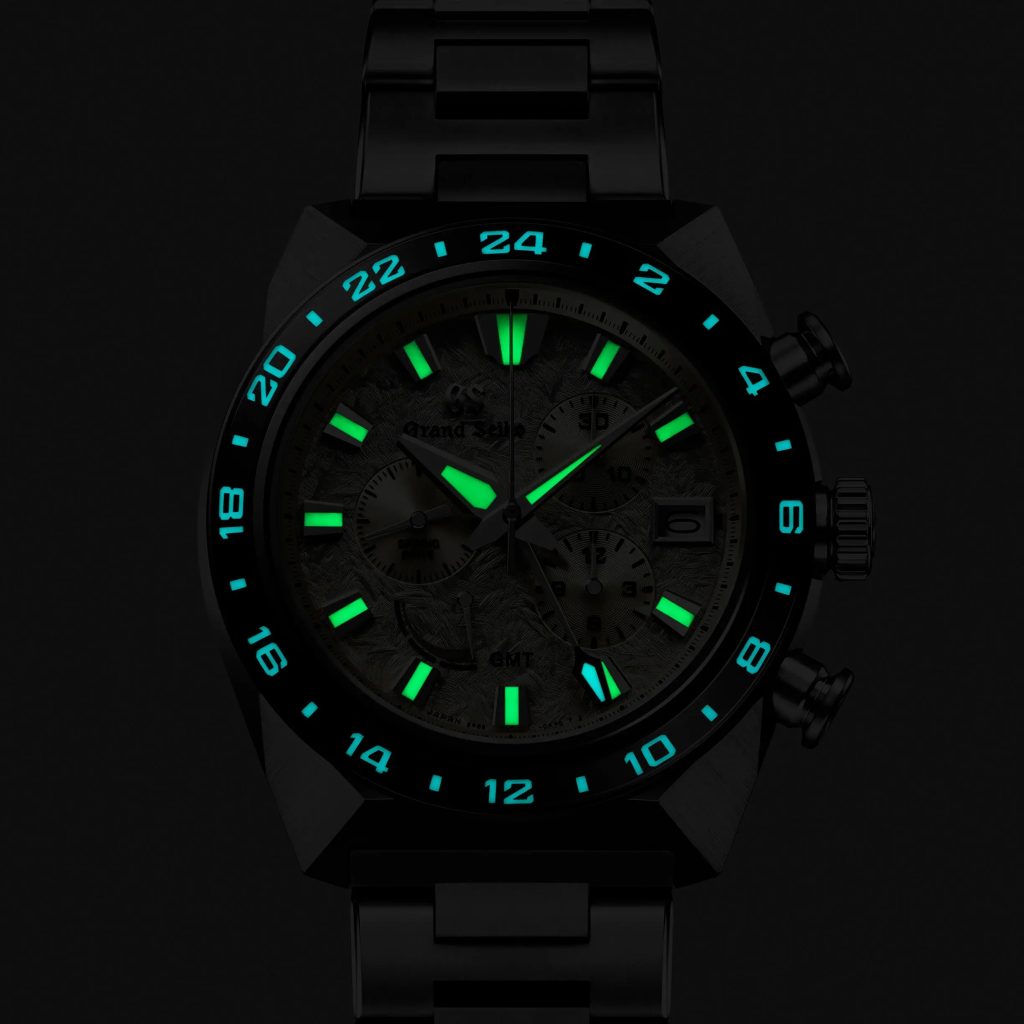
LumiBrite stands out for its long lasting performance, glowing at full brightness after just a short exposure to sunlight or artificial light above 500 lux. After around ten minutes of charging, it can remain visible in the dark for three to five hours, which is more than ten times longer than conventional luminous paint. Its glow is also noticeably stronger, delivering a brighter and clearer intensity than older fluorescent or radioactive lume materials once the stored light energy is released. Just as important, this is completely free of radioactive substances, making it safe for both people and the environment, with no legal restrictions on how generously it can be applied, even across an entire dial. Because it is made from inorganic materials, its luminous performance does not degrade quickly, allowing the said material to retain its quality over time and be used almost permanently.